As an Amazon Associate, we earn from qualifying purchases. Some links on this site are affiliate links at no extra cost to you. Our recommendations are based on thorough research and editorial judgment.


Odor Control and Hygiene Considerations for Long‑Hour Service Shoes

Odor control in long-hour service shoes is essential to prevent moisture, bacteria, and unpleasant smells. You should clean shoes daily using mild soap and microfiber towels, then apply antimicrobial sprays. Proper drying requires loosening laces, removing insoles, and airing shoes in ventilated areas away from sunlight. Choose moisture-wicking socks and odor-absorbing insoles to keep feet dry and fresh. Rotate shoes regularly and inspect for wear to maintain hygiene. Explore these steps for improved shoe comfort and longevity.
Key Takeaways
- Use moisture-wicking socks and insoles to reduce sweat and prevent odor buildup during extended wear.
- Clean shoes daily with mild soap, deodorizing sprays, and antimicrobial products to eliminate bacteria and odors.
- Ensure proper drying by loosening laces, removing insoles, and airing shoes in a ventilated space to prevent moisture accumulation.
- Rotate multiple pairs of shoes to allow complete drying and maintain freshness between uses.
- Regularly inspect shoes for wear, odor, and waterproofing effectiveness, replacing them every 6–12 months as needed.
Importance of Odor Control in Service Shoes
Although service shoes are designed for durability and comfort, controlling odor within them is essential to uphold hygiene and wearer well-being. Why is odor control important? It prevents moisture accumulation from sweat, which can cause unpleasant smells and bacterial growth leading to foot infections. How can you manage odor effectively?
- Use antimicrobial insoles to reduce bacteria.
- Wear moisture-wicking socks to keep feet dry.
- Perform regular cleaning to remove dirt and odor-causing agents.
- Allow shoes to air out between uses.
Implementing these steps maintains freshness and prolongs shoe lifespan by preventing damage from persistent moisture. Proper odor control also enhances comfort during long hours, supporting overall foot health and hygiene in demanding work environments. Additionally, selecting boots with waterproof features helps keep feet dry, further limiting odor and bacterial growth.
Daily Cleaning Techniques for Service Shoes

Effective daily cleaning techniques play an essential role in maintaining the condition and hygiene of service shoes while preventing odor buildup. How should one approach daily cleaning techniques? First, remove dirt and debris by gently wiping the shoes with a microfiber towel. Next, loosen the laces and open the shoe tongue to improve airflow, which helps moisture evaporate and reduces odor risk. Should you inspect your shoes regularly during cleaning? Yes—check for signs of wear or damage to address issues promptly and avoid workplace hazards. What additional steps help preserve freshness? Consider regularly using a deodorizing spray. Following these steps consistently not only extends the lifespan of your service shoes but also supports overall foot health by limiting bacteria and fungi growth that cause odor and infection. Additionally, selecting shoes with breathable materials can significantly enhance moisture control and comfort during long hours of wear.
Recommended Products

ASTM F2413,ENISO 2345:2022 international standards:Steel toe, anti-smash. Kevlar midsole, anti-puncture. Thicken insole, absorbs sweat and deodorizes.Toe cap protection, anti-kick and scratching. Integrated rubber contrasting color sole, non-slip, waterproof and extra lightweight. Easy to put on and take off, a little break-in time. High quality materials and craftsmanship bring you work boots that exceed expectations
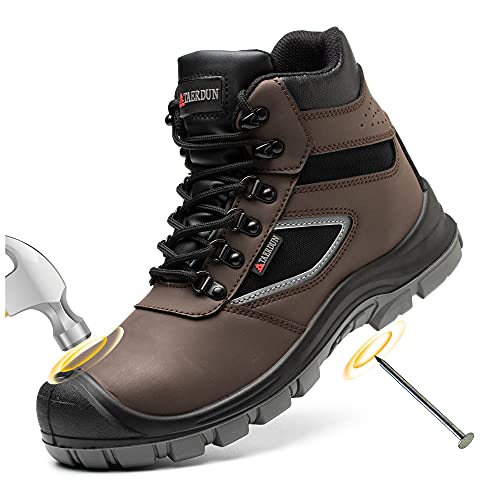
ASTM F2413,ENISO 2345:2022 international standards:Steel toe, anti-smash. Kevlar midsole, anti-puncture. Thicken insole, absorbs sweat and deodorizes.Toe cap protection, anti-kick and scratching. Integrated rubber contrasting color sole, non-slip, waterproof and extra lightweight. Easy to put on and take off, a little break-in time. High quality materials and craftsmanship bring you work boots that exceed expectations
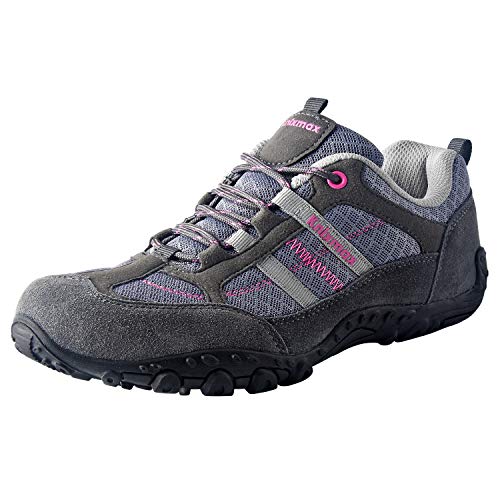
𝗟𝗜𝗚𝗛𝗧𝗪𝗘𝗜𝗚𝗛𝗧 𝗛𝗜𝗞𝗜𝗡𝗚 𝗦𝗛𝗢𝗘𝗦 𝗙𝗢𝗥 𝗪𝗢𝗠𝗘𝗡: Designed for light hiking, trail walking, camping, travel and everyday outdoor routes, these women’s hiking shoes offer a practical low-top alternative to bulky hiking boots. The lace-up design provides an adjustable fit, while the outdoor-inspired shape works well for weekend walks, countryside paths and casual trekking days.
Choosing the Right Cleaning Products

Maintaining foot hygiene and preventing odor require more than daily cleaning techniques; selecting the proper cleaning products plays a vital role as well. What cleaning products should you choose? Select ones made specifically for footwear, such as Vapor Fresh, which deodorizes and cleans without harming shoe materials. Why is material compatibility important? Use pH-balanced solutions to protect sensitive surfaces like leather and suede; harsh chemicals can discolor or damage them. How do antimicrobial sprays help? They reduce bacteria growth and odor buildup, supporting hygiene in long-hour service shoes. What maintenance tips guarantee effectiveness? Regularly check customer reviews to confirm a product’s safety and efficiency. Tailoring shoe care by choosing the right products enhances odor control and prolongs shoe life, essential for maintaining hygiene in professional environments. Additionally, using cleaning products that preserve the slip-resistant outsoles ensures ongoing safety and comfort during long shifts.
Recommended Products

Powerful Protection - Made in the USA and EPA-registered, Clear Gear protects against bacteria, germs, and odors with a gentle, water-based formula. It contains no harsh chemicals like bleach, alcohol, or ammonia, ensuring low toxicity and no corrosive effects or lingering fumes.

Fan-Powered Warm Air: Put on warm, dry footwear and gloves without the wait. Warm fan-forced heat will dry your wet boots, shoes, gloves, and garments fast. Dry 2 pairs at once
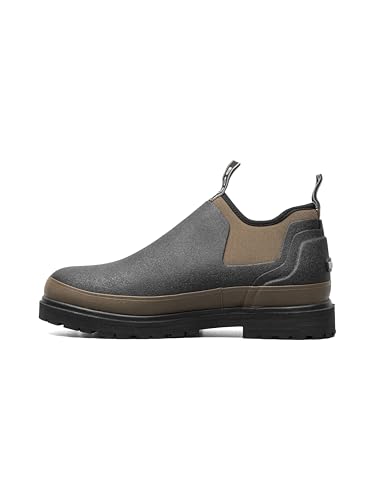
· 100% waterproof construction repels all moisture to keep feet dry · High abrasion Neo-Tech upper and flexible rubber for all-day comfort · BOGS Grip outsole provides tried-and-true all-purpose traction
Proper Drying and Airing Methods
Proper drying and airing methods are essential steps in controlling odor and extending the life of service shoes. How should you dry your shoes to air dry effectively? First, loosen the laces and pull the tongue forward to improve airflow. Remove insoles and laces to speed the drying process by increasing air circulation. Where should you keep your shoes while drying? Place them in a well-ventilated area, avoiding direct sunlight, to prevent damage and shape distortion. What can help absorb excess moisture? Insert newspaper or absorbent material inside the shoes. How long should you wait? Allow a minimum of 12 hours for them to become completely dry. Why is this important? Ensuring your shoes are completely dry helps prevent odor and bacterial growth before storage. Using boots with breathable materials also supports moisture control and reduces odor buildup during wear.
Selecting Moisture-Wicking Socks

When selecting moisture-wicking socks for service shoes, it is crucial to evaluate materials and features that enhance foot dryness and comfort throughout long shifts. What materials help keep your feet dry? Socks made from synthetic fibers like polyester or nylon wick sweat away faster than cotton, promoting breathability and quick drying. How can moisture-wicking socks reduce the risk of odor? Choosing socks with antimicrobial treatment inhibits bacteria and fungi that cause odor and infections. What role does proper fit play? Socks should fit snugly without being tight to prevent blisters and support hygiene. Additionally, look for cushioning and arch support features that reduce foot fatigue during extended wear. Selecting the right moisture-wicking socks guarantees long-term comfort and helps maintain odor control in service footwear. Incorporating socks with anti-fatigue cushioning can further enhance comfort by reducing foot fatigue during long shifts.
Benefits of Odor-Absorbing Insoles
Several types of odor-absorbing insoles are available for service shoes, designed to combat foot odor through specific materials and features. What materials make odor-absorbing insoles effective? They often contain activated charcoal and antimicrobial components that trap and neutralize odors caused by sweat and bacteria. How do these insoles aid foot hygiene? Regular use notably reduces unpleasant smells and keeps feet fresher during long hours. What role does moisture-wicking play? Insoles with moisture-wicking properties help keep feet dry, minimizing odor development. Are odor-absorbing insoles easy to maintain? Many are machine washable or easy to refresh, enhancing cleanliness. How do these insoles affect comfort? They provide additional cushioning and support, improving comfort during long shifts while controlling odors effectively. Additionally, insoles compatible with ergonomic designs found in anti-static work shoes enhance overall foot support and reduce fatigue.
Recommended Products

Effective Odor Eliminator - Developed by Swedish scientists and athletes designed to remove bad smells from the source. Our inserts are infused with a fresh scent leaving your gear clean & crisp

ALL-DAY WATERPROOF COMPOSITE TOE COMFORT with our removable insert with Dri-Lex technology, featuring moisture management and breathability, 24/7 shock-absorbing comfort and a high-density heel cup for stability

Orthotic-grade arch support
Handling Wet Service Shoes Effectively
Effective handling of wet service shoes is essential to maintain their condition and guarantee long-term use. How should you manage wet shoes to verify they dry completely? First, remove insoles and laces immediately to allow better airflow and prevent mold growth. Next, place crumpled newspaper inside the shoes to absorb moisture and help maintain their shape. It is important to never use direct heat sources like heaters or hair dryers, as these can damage the shoe’s structure. Instead, allow the shoes to air dry in a well-ventilated area, which fosters gentle and effective drying. After the shoes are dry completely, inspect shoes thoroughly for any signs of damage or material deterioration to verify they remain safe and functional for long-term use. Using boots with breathable linings can also help manage moisture and improve drying efficiency.
Preventing Bacterial and Fungal Growth
Maintaining hygiene in service shoes hinges on preventing bacterial and fungal growth, which thrive in moist, warm environments. How can you limit this growth? Follow these steps:
- Clean shoes regularly using a damp cloth to remove dirt and sweat residues that encourage bacteria.
- Dry shoes thoroughly, allowing sufficient time between uses to prevent moisture buildup.
- Employ moisture-wicking, breathable socks to reduce perspiration inside shoes, creating a less favorable environment for fungi and bacteria.
- Use antimicrobial insoles designed to inhibit bacteria, enhancing overall shoe hygiene during long hours.
- Rotate shoes frequently to allow adequate drying time and air circulation.
Additionally, selecting shoes made of breathable fabrics helps reduce moisture buildup, which is crucial for maintaining hygiene and comfort over extended use.
Recommended Products

The Cowboy Certified Alamosa boots offer ruggedly refined style with all day comfort
Tips for Maintaining Shoe Freshness During Long Shifts
While working long shifts, it is important to take specific steps to keep service shoes fresh and odor-free. How can you help keep your shoes dry and comfortable throughout the day?
- Rotate your work shoes regularly to allow full drying time between uses, reducing moisture buildup.
- Wear moisture-wicking, breathable socks to maintain dry feet and prevent odor-causing bacteria.
- Apply a deodorizing spray inside shoes after each shift to neutralize odors and promote freshness.
- Use odor-absorbing insoles to help keep bacteria and fungi at bay, supporting both safety and comfort.
- After each use, loosen laces and open the tongue to air out shoes, enhancing airflow and drying.
- Additionally, choosing shoes with breathable liners helps minimize moisture retention and increases comfort during long hours.
Following these tips helps guarantee your shoes remain hygienic, dry, and comfortable during extended hours on duty.
When to Replace Service Shoes for Hygiene
When deciding how often to replace your service shoes, several key factors come into play that affect both hygiene and foot support. How do you know when to schedule replacement?
- Inspect for wear and tear: Excessive damage or compromised structure reduces hygiene and proper cushioning.
- Check insoles and linings: Persistent odor after cleaning signals the need for new shoes.
- Assess waterproofing: Loss of water resistance encourages moisture buildup and bacteria growth.
- Evaluate fit: Shoes that no longer fit well trap moisture, compromising foot health.
Replacing service shoes every 6-12 months depending on usage and conditions helps maintain hygiene standards. Establish a replacement plan aligned with your work environment’s demands to guarantee both comfort and sanitary conditions over long hours. Additionally, considering boots with slip-resistant outsoles can enhance safety while maintaining foot health during long shifts.
Additional Products to Enhance Shoe Hygiene
Ensuring service shoes stay hygienic involves more than timely replacement; using supplementary products can greatly improve odor control and foot comfort. What products can help prevent odor and bacteria buildup? Consider these options:
- Moisture-wicking insoles absorb sweat, reducing moisture that encourages odor-causing bacteria.
- Activated charcoal or odor-absorbing inserts neutralize smells during long hours of wear.
- Deodorizing sprays, like Vapor Fresh, eliminate unpleasant odors inside the shoe.
- Antibacterial sprays target microbes to maintain hygienic conditions.
- Regular cleaning with mild soap and water using a soft cloth removes surface dirt and bacteria.
How should cleaning be done? Gently use mild soap and a soft cloth to wipe the shoe’s interior and exterior, preventing damage while enhancing hygiene. Incorporating these products helps maintain freshness and prolongs shoe life.
Recommended Products

TRUEDGE 2.0 ZERO-GAP EDGE CLEANING: Dynamically extends side brush and mop to eliminate corner blind spots. Maintains a precise 0.04" (1mm) wall gap for complete baseboard-to-wall coverage, solving the missed-edge problem common in fixed-brush robots.

FITS UNDER LOW FURNITURE WITHOUT GETTING STUCK – At just 3.19 inches thin, DEEBOT T50 Omni glides seamlessly under sofas, beds, and low cabinets where bulkier robots fail. Smart LiDAR mapping adapts to tight clearances, capturing hidden dust and pet hair so you never have to manually reach under furniture again.

Versatile: Wear every weekday at work and into your outdoor weekend. These versatile shoes look great with any outfit and provide outstanding durability and lightweight comfort. We added our exclusive ScentBan odor control technology to eliminate and resist odors.
Frequently Asked Questions
How to Keep Work Shoes Smelling Fresh?
Work shoes stay fresh through consistent shoe sanitization techniques, employing natural deodorizing solutions, inserting moisture absorbing inserts, and applying antibacterial shoe sprays. These combined methods effectively prevent bacterial growth and neutralize odors for long-lasting freshness.
What Things Should Be Considered for Shoes to Last Longer?
Studies show well-maintained shoes can last up to 50% longer. Durability features, material quality, proper fit, and consistent maintenance routines greatly affect shoe lifespan, ensuring both comfort and resilience during extended wear periods.
How to Stop Running Shoes From Smelling?
Shoe sanitizing methods, including regular cleaning and airing, effectively reduce odor. Utilizing moisture-wicking materials and antimicrobial insoles minimizes bacterial growth. Odor neutralizing sprays further eliminate unpleasant smells, ensuring running shoes remain fresh and hygienic over time.
What Type of Shoes Should Be Worn When Working in the Foodservice Industry?
Shoes with non slip soles, breathable materials, moisture wicking liners, and insulated footwear are ideal in the foodservice industry. These features guarantee safety, comfort, and temperature regulation during long shifts on wet or greasy surfaces.