As an Amazon Associate, we earn from qualifying purchases. Some links on this site are affiliate links at no extra cost to you. Our recommendations are based on thorough research and editorial judgment.

Arch Types and Work Boots: Flat Feet, High Arches, and Neutral Feet

Arch types affect how work boots should support your feet. Flat feet need firm midsoles and structured arch support to prevent overpronation. High arches require extra cushioning and flexible midsoles to absorb shock and reduce strain. Neutral arches benefit from balanced cushioning that maintains natural foot motion. Proper boot selection can help reduce injuries and improve comfort during work. For tailored guidance on identifying arch types and choosing the best boots, explore additional expert advice.
Key Takeaways
- Flat feet require work boots with firm midsoles and structured arch support to prevent overpronation and reduce injury risk.
- High arches need boots offering enhanced cushioning and flexible midsoles for shock absorption and comfort.
- Neutral arches benefit from work boots providing balanced support and moderate cushioning to maintain natural foot movement.
- Assessing work environment factors like durability and waterproofing ensures boots meet practical use alongside arch support needs.
- Using custom orthotic inserts in work boots can further improve fit, comfort, and targeted arch support for all foot types.
Types of Foot Arches and Their Impact on Foot Health
How do the different types of foot arches affect foot health and footwear choices? There are three main types of foot arches that influence comfort and injury risk.
- Neutral arches distribute weight evenly, benefiting from the best footwear with moderate cushioning and support.
- Flat feet cause excessive pronation, increasing injury risk and discomfort; the best footwear includes firm midsoles and structured arch support to improve stability.
- High arches result in supination, reducing shock absorption and leading to issues like metatarsalgia; the best footwear provides enhanced cushioning and flexibility to absorb impact.
Selecting footwear tailored to your arch type helps manage foot health by improving comfort and reducing injuries. Understanding these arch differences is essential for choosing proper support and cushioning in your shoes. Additionally, incorporating shoes with memory foam or gel insoles can provide personalized cushioning that reduces foot fatigue and enhances comfort throughout the day.
Methods to Identify Your Foot Arch at Home

Determining your foot arch type at home can be done using several simple methods that require minimal tools or expertise. One common test method is the wet test, where you wet your foot and step on paper; a full footprint suggests flat feet, a clear curve indicates a neutral arch, and a narrow connection points to high arches. Another test method involves examining your shoe wear patterns: inner wear often shows flat feet, while outer wear signals high arches. You can also perform the sitting versus standing test—if your arch disappears when standing, it may be flexible flat feet; a visible arch suggests high arches. Additionally, observing your foot’s shape with toes pointed helps: flat feet spread broadly, whereas high arches look more raised. Selecting proper work boots that offer adjustability for individual fit can help accommodate different arch types and provide necessary support.
Recommended Products

ELITE PERFORMANCE AND TIMELESS STYLE: A high-performance mountain bike shoe with fast adjustability and comfortable feel
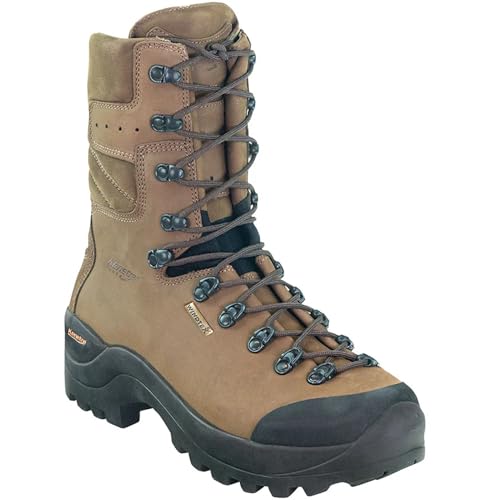
RUGGED MOUNTAIN PERFORMANCE - Engineered for demanding terrains, the Kenetrek Men's Mountain Guide NI Boots feature 2.8mm high-quality leather uppers with a one-piece vamp construction; This seamless design improves abrasion resistance and waterproofness for long-lasting durability

EXTREME FULL-GRAIN LEATHER DURABILITY - Built with 2.8mm premium full-grain leather, these boots feature a one-piece vamp construction with no tongue seams, delivering superior abrasion resistance, enhanced waterproofing performance, and long-lasting durability in harsh, high-altitude and rugged terrain conditions
Choosing Work Boots for Flat Feet, High Arches, and Neutral Arches
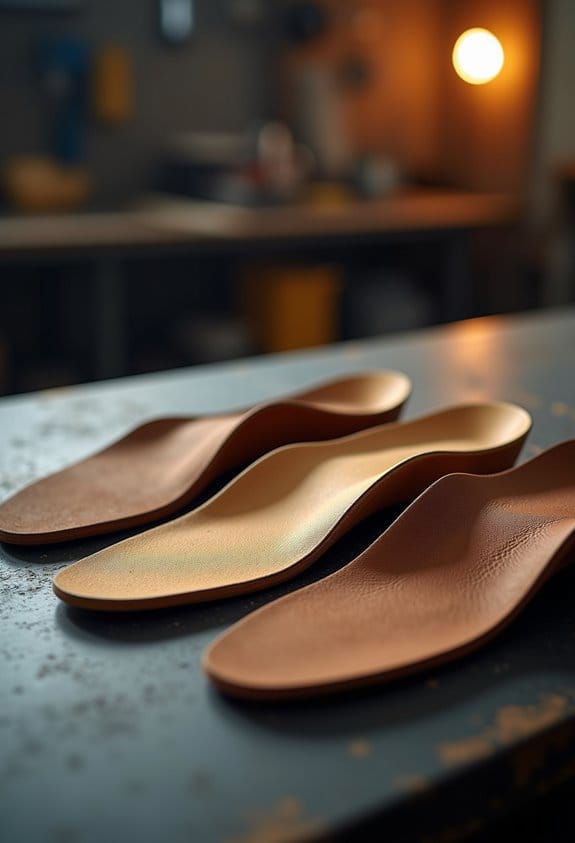
When selecting work boots tailored to your foot arch type, understanding key features can promote comfort and reduce injury risk during long hours of labor. How should you choose based on your arch? Consider these guidelines:
- Flat feet require boots with firm midsoles and structured arch support to provide support, stabilize the foot, and prevent overpronation.
- High arches benefit from ample cushioning and flexible midsoles that offer comfort without rigid stability features.
- Neutral arches do well with moderate cushioning and balanced support, helping maintain natural foot movement and even weight distribution.
Additionally, assess your work environment to guarantee boots offer necessary durability or waterproofing. For persistent discomfort, custom orthotic inserts can provide support tailored to your specific needs while wearing work boots. Choosing boots with moisture-wicking properties is also essential to keep feet dry and odor-free during extended wear.
Recommended Products

Fleece lined with 200g Thiosulfate insulation

✔ GeForce GTX 1660 6GB GDDR5 Graphics Card (Brand May Varies) | 8GB DDR4 3200MHz Gaming Memory with Heat Spreaders | Windows 10 Home 64-bit | AMD High Performance Air Cooler

AMD Ryzen 7 7700 3.8GHz (5.3GHz Turbo Boost) CPU Processor | 1TB NVMe M.2 SSD – Up to 30x Faster Than Traditional HDD | High-Performance Air Cooler
Strategies for Preventing and Managing Foot Discomfort
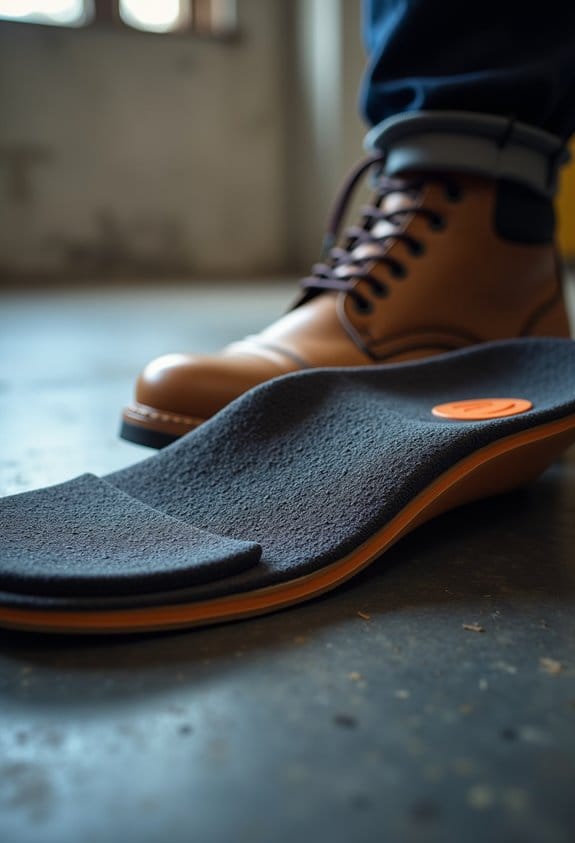
Selecting the right work boots based on your arch type is a key step toward reducing foot discomfort, but additional actions can further enhance foot health during long workdays. What strategies help prevent and manage foot pain effectively?
- Practice regular foot exercises like toe curls and calf stretches to improve strength and flexibility.
- Maintain good foot hygiene by keeping feet clean and dry, which helps avoid infections.
- Use orthotic inserts tailored to your foot type when discomfort persists, providing targeted support.
- Choose boots designed for your arch: stability features for flat feet, cushioning and flexibility for high arches.
- Keep a healthy body weight to reduce excess pressure on your feet, minimizing strain and pain.
- Additionally, selecting shoes with supportive cushioning and moisture-wicking insoles can greatly enhance comfort during long hours on your feet.
Recommended Products
✔ AMD Ryzen 5 3600 6-Core 12-Thread 3.6GHz (4.2 GHz Max Boost) CPU | 500GB SSD – Up to 30x faster than traditional HDD

Intel Core i5 14400F 2.5GHz (4.7GHz Turbo Boost) CPU Processor | 1TB NVMe M.2 SSD – Up to 30x Faster Than Traditional HDD | High-Performance Air Cooler

Powered by NVIDIA DLSS3, ultra-efficient Ada Lovelace arch, and full ray tracing..Memory Speed : 21 Gbps. Recommended PSU : 750W
How Podoways® Supports Healthy Feet With Expert Footwear
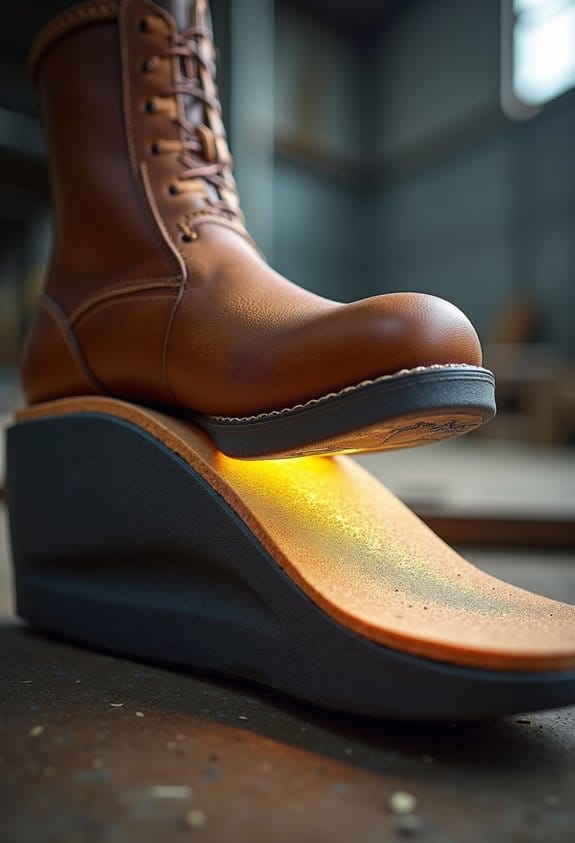
Footwear designed with orthopedic principles can markedly improve foot comfort and health during long work shifts. How does Podoways® support healthy feet with expert footwear? Podoways® employs several strategies based on your foot’s arch type. If you have flat feet, their boots use firm midsoles and stability features to reduce plantar fasciitis risk. For high arches, they provide cushioning and flexible soles to absorb shock and prevent stress injuries. Neutral feet benefit from balanced arch support and comfort-focused designs. Additionally, Podoways® integrates stylish aesthetics with medical insights, so you don’t sacrifice appearance for health. By tailoring support and cushioning, Podoways® work boots help you maintain foot well-being, reduce fatigue, and improve comfort during long hours on your feet. Their designs also incorporate slip-resistant outsoles to enhance safety in wet or slippery work environments.
Recommended Products
EXTREME FULL-GRAIN LEATHER DURABILITY - Built with 2.8mm premium full-grain leather, these boots feature a one-piece vamp construction with no tongue seams, delivering superior abrasion resistance, enhanced waterproofing performance, and long-lasting durability in harsh, high-altitude and rugged terrain conditions
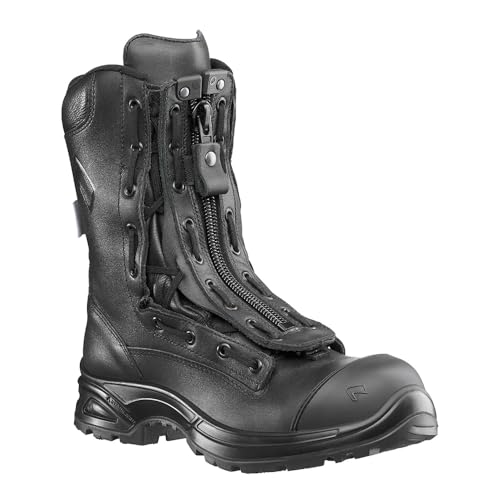
Quad-Certified for EMS, Wildland, USAR, and HAZMAT

RELIEVE FOOT, LEG, AND BACK PAIN: Advanced spring heel, built-in orthotic, and rocker forefoot cut impact by 50%, reducing pain & improving posture by absorbing shock & distributing pressure evenly.
Frequently Asked Questions
What Are the Best Work Boots for People With Flat Feet?
The best work boots for people with flat feet prioritize comfort options like structured arch support, firm midsoles, cushioning, wide toe boxes, and stable heel counters to enhance stability and reduce foot fatigue during prolonged use.
Do High Arches Need Neutral Shoes?
High arches do not benefit from neutral shoes as these lack the necessary arch stability. Instead, footwear with enhanced cushioning and flexible midsoles better supports their unique biomechanics, reducing discomfort and potential injury during prolonged use.
Should You Use High Arch Support for Flat Feet?
High arch support is not suitable for flat feet, as it may worsen discomfort. Insole options designed for flat feet emphasize firm midsoles and structured support, helping control overpronation and improving overall stability.
Can You Be Flat-Footed and Still Have an Arch?
Yes, flat-footed individuals can exhibit arch variations, including flexible arches that appear during movement. Muscle strength and foot mechanics contribute to dynamic arch formation, allowing some flat-footed people to develop an arch under certain conditions or activities.