Differences in Footwear Requirements Between US and EU Safety Standards
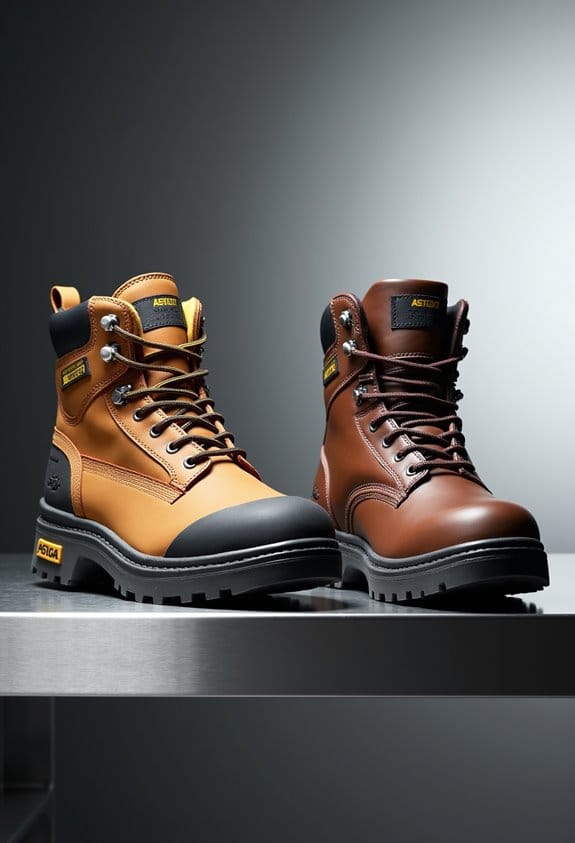
Understanding how US and EU safety footwear standards differ reveals critical compliance challenges you might not expect. Discover the key distinctions now.

Understanding how US and EU safety footwear standards differ reveals critical compliance challenges you might not expect. Discover the key distinctions now.
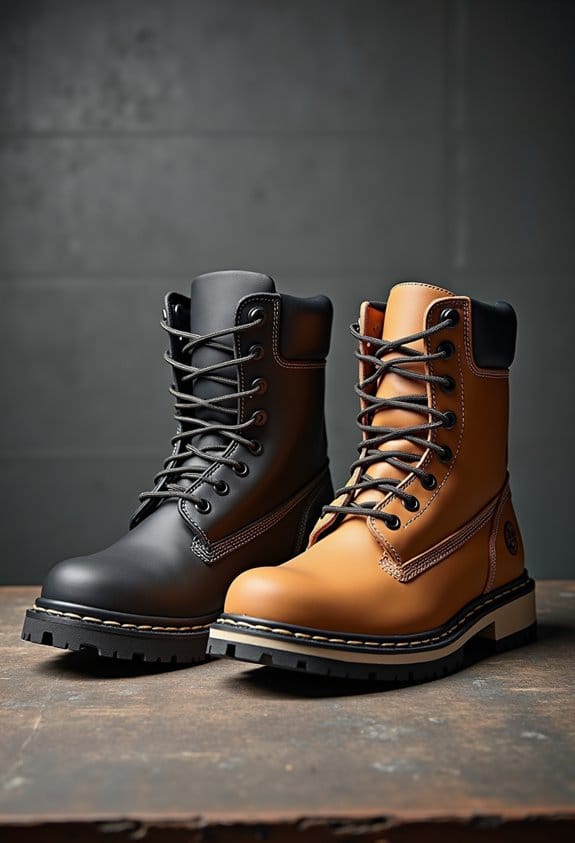
The truth behind waterproof vs. water-resistant work boots reveals surprising job site benefits—discover which protection suits your toughest work conditions.

All-day ladder climbers require boots with stiff soles and deep lugs for safety and comfort—discover the essential features that make all the difference.
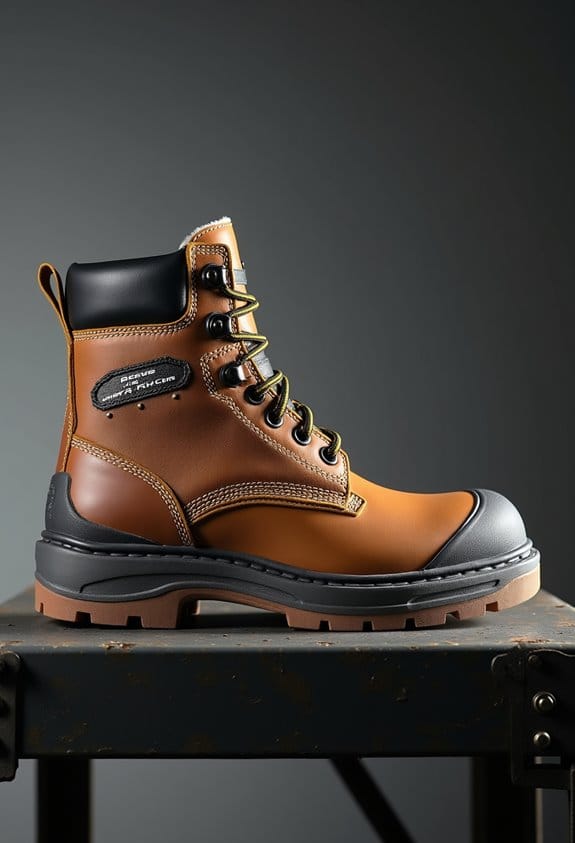
Learn how puncture-resistant plates safeguard your feet from sharp hazards on construction sites and why choosing the right one matters for your safety.
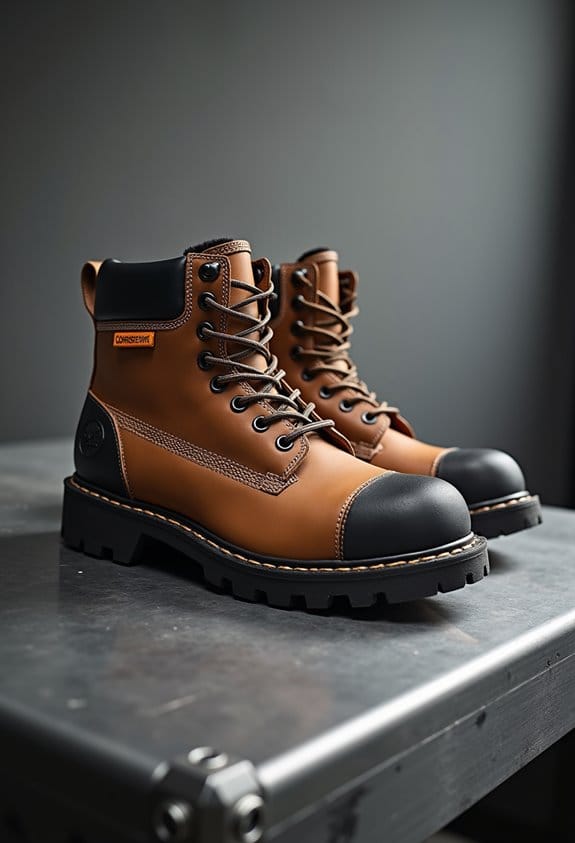
Safety starts with the right footwear, but how do employer policies shape these crucial choices? Discover the strategies behind effective protection.

Opt for safety toes and slip-resistant soles to protect your feet on temporary sites. Discover how the right boots can make all the difference.
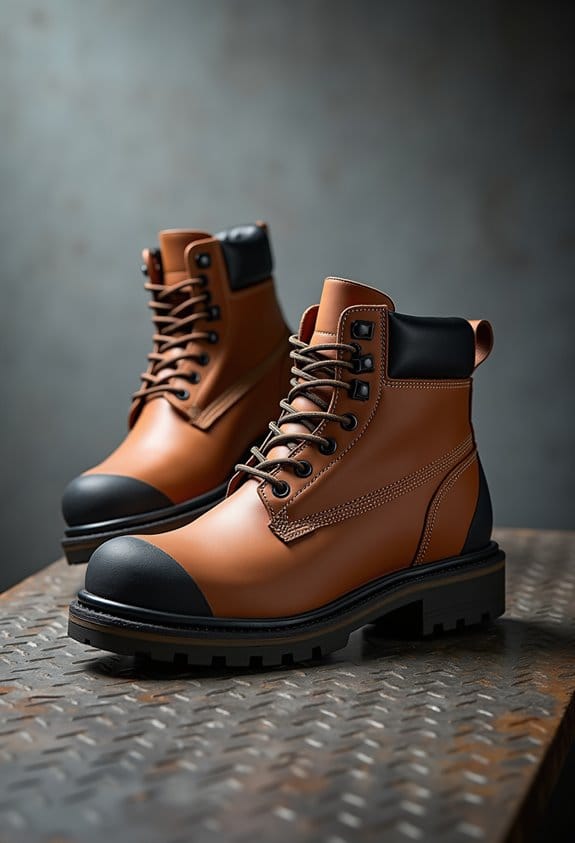
The essential features that make a boot “safety rated” for construction work go beyond tough materials—discover what truly protects your feet on site.
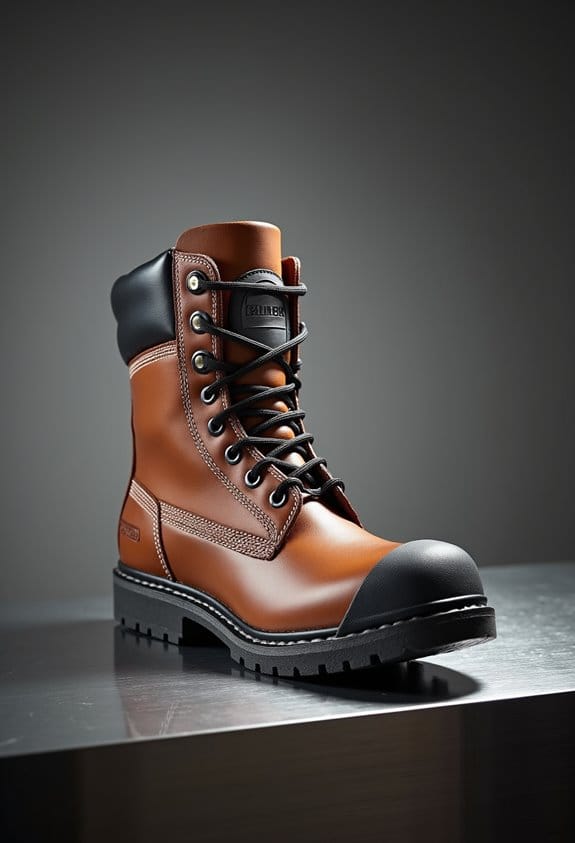
Find out when metatarsal protection in work boots is truly essential to prevent serious foot injuries on the job. Safety starts with knowing the facts.
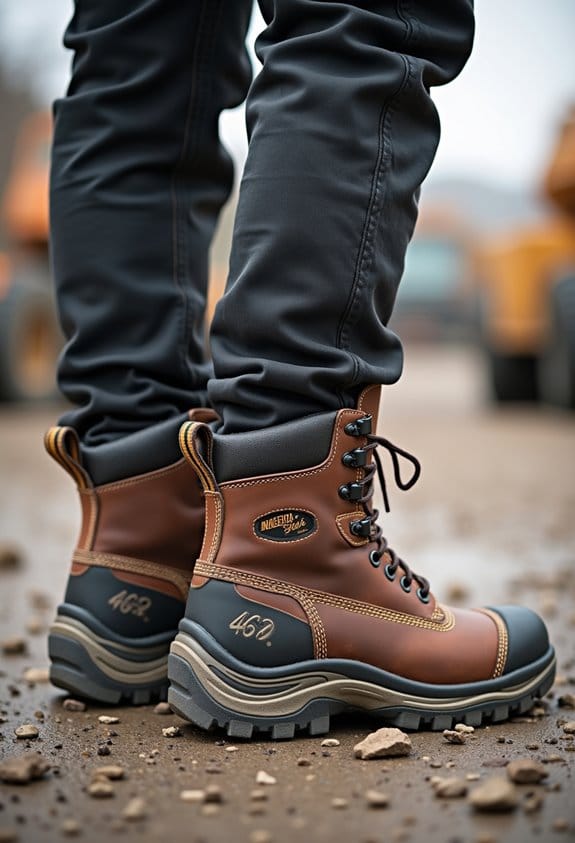
Proper footwear varies drastically between mud, concrete, and gravel terrains—each demands unique features to ensure safety and comfort on the jobsite. Discover why.

Protective, durable, and comfortable—discover the essential footwear features that keep workers safe in oil, gas, mining, and heavy industry environments.