As an Amazon Associate, we earn from qualifying purchases. Some links on this site are affiliate links at no extra cost to you. Our recommendations are based on thorough research and editorial judgment.


Best Footwear Features for Workers Who Climb Ladders All Day

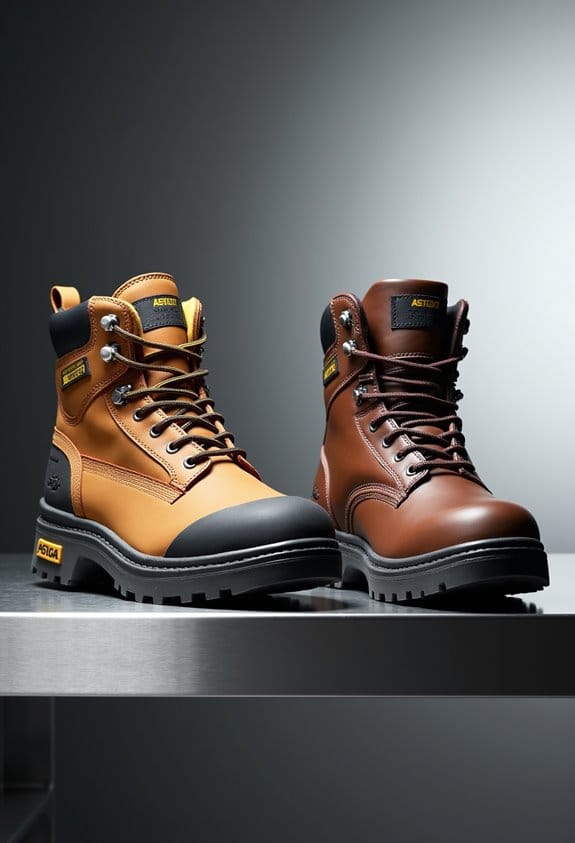
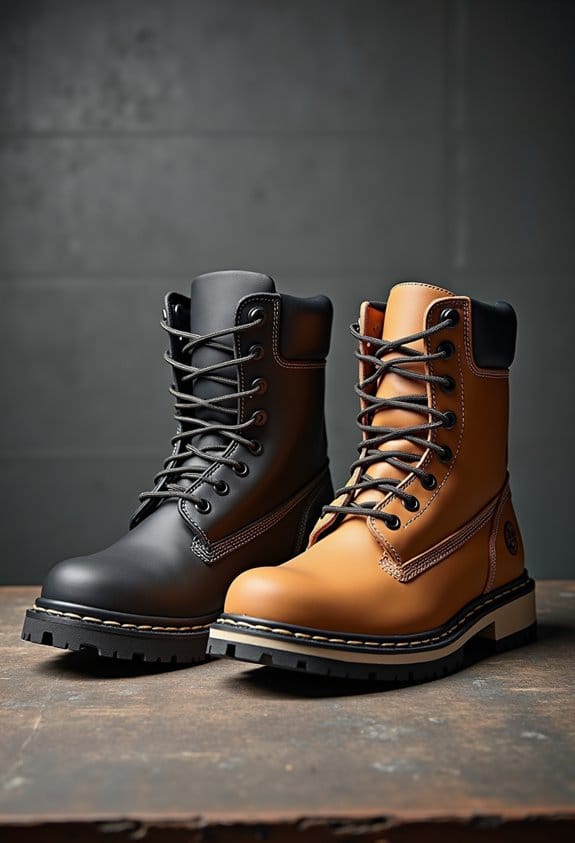
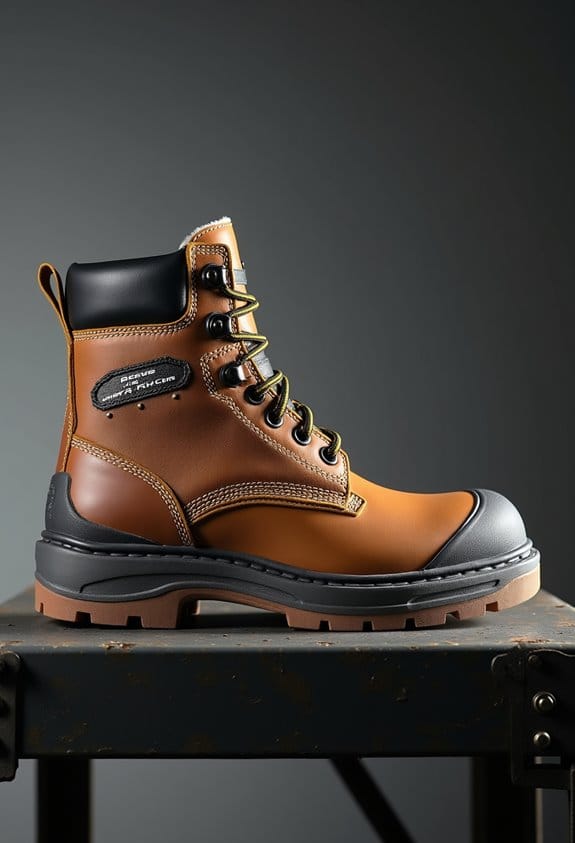
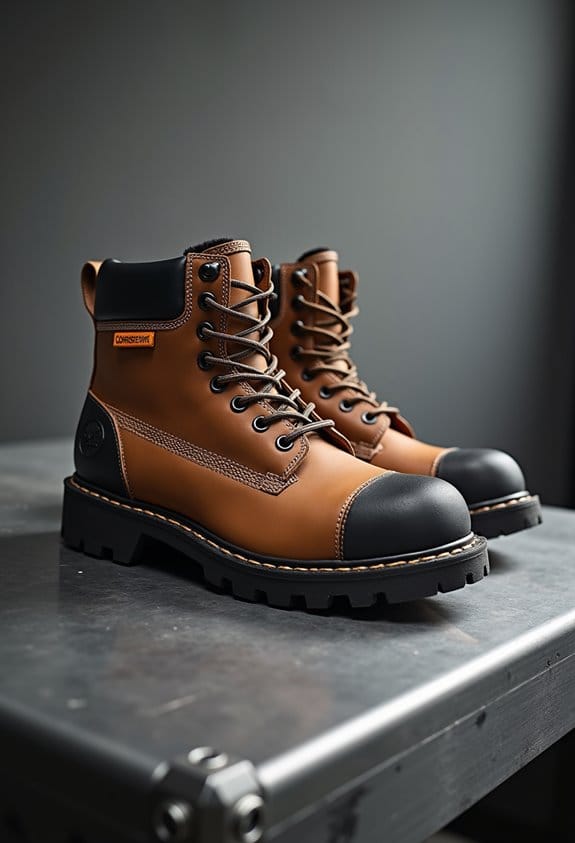
Workers who climb ladders all day need boots with stiff soles to prevent excessive flexing and reduce fatigue. Look for deep, multi-directional lugs on the sole to improve grip on rungs, and defined 90-degree heel and toe edges for stability. Protective steel or composite toe caps enhance foot safety and secure footing. Raised, firm heel designs also contribute to balance and comfort. Maintaining a slip-resistant sole is essential. Explore more features that support ladder safety and comfort.
Key Takeaways
- Boots should have stiff soles with deep, multi-directional lugs for stable grip on narrow ladder rungs.
- Toe caps must be steel or composite with sharp 90-degree edges for maximum rung contact and protection.
- A defined, raised heel with a firm 90-degree edge enhances traction and reduces foot fatigue during extended ladder use.
- Slip-resistant soles with a coefficient of friction above 0.5 ensure safety on wet and varying surfaces.
- Regular boot maintenance and sole replacement when lug depth drops below 3mm sustain optimal ladder traction.
Why Do Boots Matter for Ladder Work?
Footwear plays an essential role in guaranteeing safety and efficiency when working on ladders. You should prioritize boots with specialized sole construction that prevents excessive flexing to maintain stability during climbs. Slip resistance is vital; boots equipped with defined heel and toe edges greatly improve grip, reducing the risk of falls. Safety features such as steel or composite toe caps provide better rung engagement and protect your feet from impacts. Raised heel designs also enhance foot positioning, lowering fatigue when working for extended periods. Additionally, maintaining your boots regularly by cleaning and inspecting them verifies they maintain a coefficient of friction above 0.5 on wet surfaces. Choosing boots that incorporate these elements supports safer, more effective ladder work conditions while reducing injury risks. Furthermore, boots with aggressive rubber outsoles provide enhanced traction on slippery surfaces, which is crucial for ladder safety.
What Sole Pattern Works Best for Ladders?
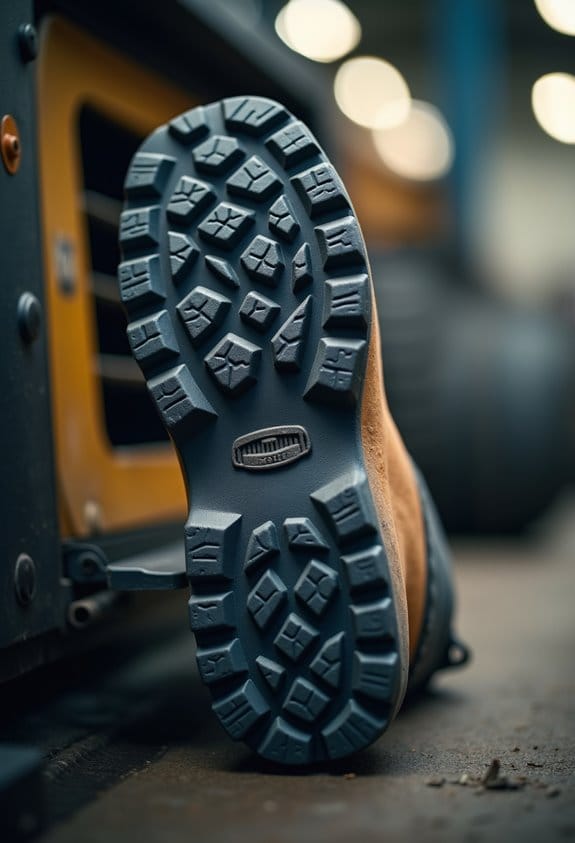
When selecting soles for ladder work, it is important to prioritize patterns that offer exceptional traction and stability under varying conditions. Which sole patterns maintain grip best on ladders? Key features include:
- Deep, multi-directional lugs that provide maximum traction on rung surfaces.
- Defined heel and toe edges with sharp 90-degree angles to prevent slipping.
- Stiff soles that support your weight on narrow rung edges, reducing fatigue.
- Use of Vibram Fire & Ice compounds in sole materials, which enhance grip in changing weather.
- Integration of a steel triple-rib ladder shank for added support and to limit sole flexing.
Additionally, choosing boots with a rubber slip-resistant outsole further improves safety by reducing the risk of slips and falls on job sites.
Recommended Products

Lace-up hiking boot featuring D-ring eyelets and speed-lacing hardware

WATERPROOF: these tactical boots are 100% waterproof, with a Gore-Tex liner that keeps water out while letting moisture escape, keeping your feet dry all day

A classic all-leather hiking/mountaineering boot that features an aggressive tread ensure stability and traction in rugged environments
How Do Toe Caps Affect Ladder Safety?
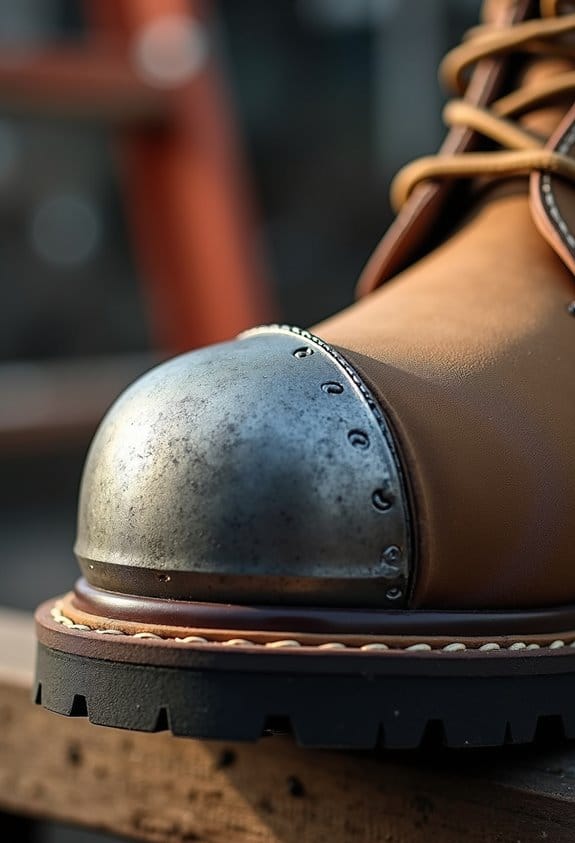
Several key aspects of toe caps influence ladder safety by improving grip and protection during climbing tasks. How do toe caps affect ladder safety?
- Toe caps made from steel or composite materials provide firm contact with ladder rungs, increasing stability and reducing the risk of slips.
- Sharp, 90-degree angled toe caps maximize rung contact, creating adequate slip resistance essential for safe climbing.
- Rounded toe designs reduce surface area on rungs, which can decrease grip performance and increase fall risk.
- In combination with the heel, toe caps support balanced footing, preventing accidents during movement on ladders.
- Effective Boot Features include defined, sturdy toe caps that protect against foot injuries while allowing efficient tool use on ladders.
- Additionally, boots with ANSI-compliant safety features offer extra protection against electrical hazards that workers might encounter while climbing ladders.
Recommended Products

NFPA 1951, NFPA 1971, NFPA 1977, NFPA 1990(1992), ASTM F2413 & CAN/CSA-Z195 certified

NFPA 1971, NFPA 1990(1992), ASTM F2413 & CAN/CSA-Z195 certified

NFPA 1971, NFPA 1990(1992), ASTM F2413 & CAN/CSA-Z195 certified
What About Heel Design for Ladder Use?
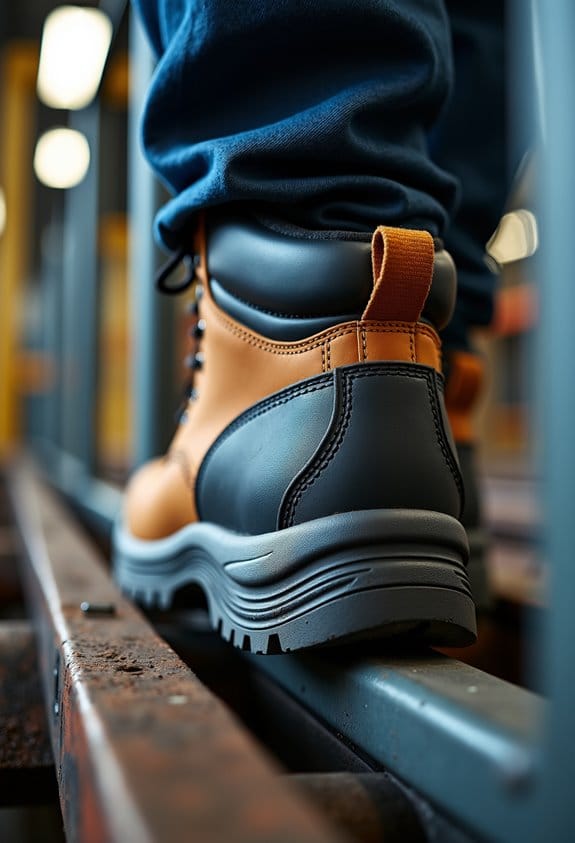
Alongside toe caps, the design of the heel plays a significant role in ladder safety by affecting how securely your foot engages with each rung. What heel design features matter most for ladder use?
- A defined 90-degree heel edge improves traction and guarantees your foot locks firmly onto ladder rungs.
- Logger-style or lineman heels are highly recommended because these boots offer excellent support and stability, reducing slippage risks.
- Raised heels help maintain proper foot alignment, which lowers fatigue during extended ladder climbing.
- Avoid rounded heel edges, as they reduce contact area and compromise grip.
- Boots that balance a firm heel edge with good traction materials provide the safest and most comfortable experience.
Choosing footwear with these heel design features enhances safety and comfort when spending long hours on ladders. Additionally, prioritizing slip resistance with deep treads is crucial to reduce fall risks on slippery or uneven ladder surfaces.
Recommended Products

Heavy duty sole: The outdoor sole is meticulously designed to meet the highest safety standards while providing the utmost comfort. Trust in its exceptional slip-resistant octopus tread pattern, TPU outsole with ladder grip, PU midsole and cushioning IQ.CELL technology - to enhance your performance and keep you safe during your job.

FULL-GRAIN LEATHER boots, oiled, water-resistant, and rigorously tested for strength, featuring a steel shank to provide flexible sturdiness

COMPOSITE TOE: Left and right asymmetrical, non-metallic carbon-fiber toes, a composite material, offer an unobtrusive fit and are 15% lighter than steel; The Portland 6" Waterproof work boot meets or exceeds ASTM F2412 and F2413 I/75 and C/75 Standards
How Is Slip Resistance Tested and Maintained?
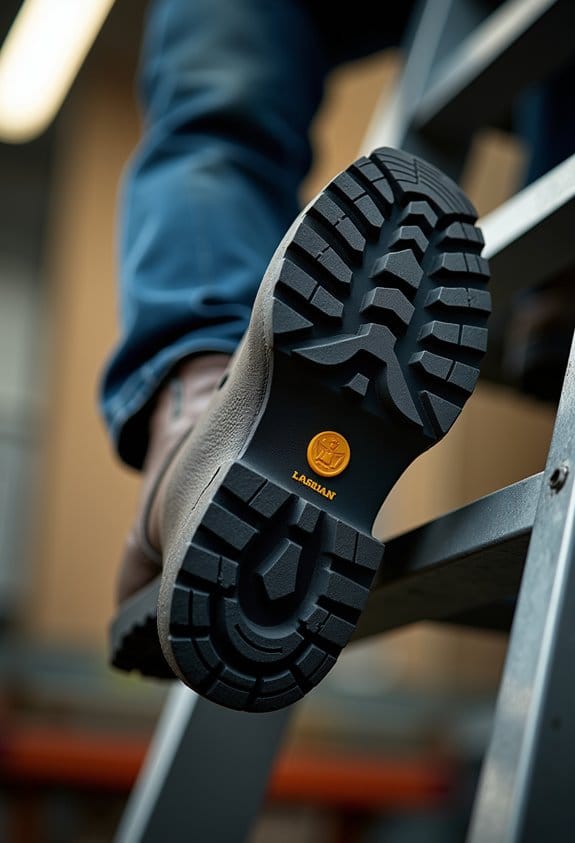
Slip resistance in footwear is measured by the coefficient of friction (COF), which indicates how well a sole grips surfaces, especially when wet or slippery. How is slip resistance tested? The target COF for effective traction on wet surfaces is above 0.5. This guarantees the sole can provide a reliable grip in slippery conditions. How do you maintain slip resistance?
- Inspect your footwear regularly for wear, glazing, or sole damage.
- Clean the soles after each use to remove dirt that can reduce traction.
- Replace boots once the lug depth falls below 3mm.
- Choose boots with deep, multi-directional lugs and well-defined heel edges to maintain slip resistance over time.
Additionally, selecting boots made from durable materials can enhance long-lasting protection and maintain traction during heavy use.
These steps help keep your footwear safe during daily ladder work.
Recommended Products
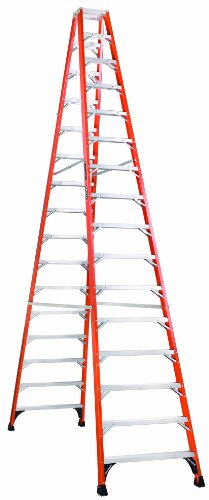
STURDY AND STRONG: With its 375-Pound capacity, elegant design and smooth finish, you won’t find a more durable, reliable ladder

VERSATILE: Our Cross Step Ladder offers versatility like no other, effortlessly converting from a step ladder into a shelf ladder for a convenient 2-in-1 combination, allowing you to get closer to the work area with ease.

16″ 7 ounce oiled-leather top and foot
Steel Vs Composite Toe Caps for Ladder Safety
Choosing the right toe cap for ladder safety is essential because it influences protection, comfort, and performance while climbing. When you choose boots, consider these key differences between steel toe caps and composite toe caps:
- Steel toe caps offer superior impact resistance, ideal for environments with heavy falling objects.
- Composite toe caps are lighter, reducing fatigue during long climbs while still meeting safety standards.
- Steel toe caps provide a more rigid structure, often resulting in better grip on ladder rungs.
- Composite caps handle temperature changes better, preventing discomfort from extreme cold or heat.
- Steel toe boots tend to be bulkier and heavier, which might affect agility.
- Composite toe boots may improve comfort but can be less durable under extreme impact.
Choosing between steel and composite toe caps depends on your work conditions and personal comfort preferences. Additionally, boots with cushioning technologies like DuraShocks SR can greatly enhance comfort during extended wear on ladders.
Recommended Products
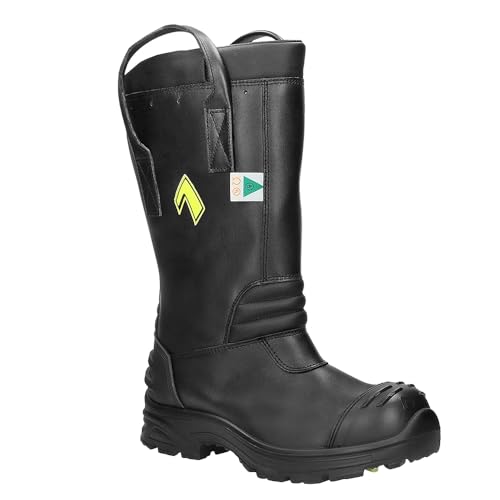
Certified to NFPA 1971, NFPA 1990 (1992), ASTM F2413 & CAN/CSA-Z195

Certified to NFPA 1999, NFPA 1951, NFPA 1977, NFPA 1990 (1992), ASTM F2413 & CAN/CSA-Z195

DELIVERS STABILITY & SUPPORT: Catalyst VX Work stands for performance, stability, and protection. Equipped with cushioning technology to reduce foot fatigue, it keeps feet comfortable in harsh outdoor work environments, including oil and gas exploration.
Key Boot Features That Enhance Ladder Climbing Safety
When working at heights, the design of your boots plays a critical role in ladder climbing safety by providing necessary traction, support, and durability. What features should you look for? First, boots with a defined 90-degree heel enhance grip by preventing your foot from slipping off ladder rungs. Second, a stiff sole construction supports your weight on narrow rungs, reducing sole flex and increasing stability. Third, a steel triple-rib ladder shank embedded in the sole adds strength and resilience, helping maintain foot alignment. Additionally, deep, multi-directional lugs and specialized rubber compounds improve traction, especially on wet surfaces. Regularly inspect your boots to verify lug depth exceeds 3mm and friction stays above 0.5 to maintain ideal safety during ladder work. Choosing boots with Goodyear welt designs ensures durability and support critical for demanding environments.
Frequently Asked Questions
What Shoes Should You Wear When Climbing a Ladder?
Like Icarus seeking secure ascent, workers should wear shoes with exceptional ladder grip, robust ankle support, and superior slip resistance. These features are critical in preventing falls and ensuring safe, stable climbs throughout the day.
What Are the Best Shoes for Being on Your Feet All Day at Work?
The best shoes for being on feet all day feature high insoles quality, strong arch support, and excellent breathability factors. These elements reduce fatigue, enhance comfort, and maintain foot health during prolonged standing or walking tasks.
What Are the Best Shoes for Being on Your Feet All Day on Concrete?
The best shoes for standing on concrete feature cushioning technology to absorb shock, arch support benefits for proper alignment, and slip resistant designs with durable outsoles. These elements reduce fatigue and enhance safety throughout prolonged workdays.
What Are the Most Comfortable Safety Shoes for Standing All Day?
Like walking on clouds, the most comfortable safety shoes feature cushioned insoles and ergonomic foot support, providing relief during long shifts. Combined with ladder safety tips, they guarantee secure footing and minimize fatigue for ladder-climbing workers.