As an Amazon Associate, we earn from qualifying purchases. Some links on this site are affiliate links at no extra cost to you. Our recommendations are based on thorough research and editorial judgment.

Waterproof vs. Water‑Resistant Work Boots: Which Is Better for Job Sites?

Waterproof work boots offer complete moisture protection using sealed seams, GORE-TEX® linings, and durable materials, making them ideal for wet, outdoor job sites with standing water or heavy rain. Water-resistant boots, made from treated leather or nylon blends, repel light moisture and suit indoor or dry environments with occasional dampness. They provide better breathability and comfort in warmer conditions. Understand the differences in construction, ideal use cases, and maintenance tips to choose the best option for your job demands.
Key Takeaways
- Waterproof boots use sealed seams and membranes for full moisture protection, ideal for wet or outdoor job sites with frequent water exposure.
- Water-resistant boots are lighter and breathable, suitable for indoor or dry job sites with only occasional light moisture exposure.
- Waterproof boots offer greater durability and safety compliance in heavy wet conditions but may cause more foot heat than water-resistant boots.
- Water-resistant boots require less maintenance but are not reliable for prolonged wet environments or standing water.
- Choosing waterproof boots with performance tech like MACSOLE™ and bionomx™ enhances grip, comfort, and long-term dryness on demanding job sites.
Understanding Water-Resistant Work Boots
Although water-resistant work boots are not fully waterproof, they serve a valuable role by protecting your feet against light moisture encountered in everyday activities. What materials are water-resistant work boots made from? Typically, treated leather or nylon blends provide resistance to light rain and spills. Where are these boots best used? They suit urban settings and indoor work environments, such as retail or hospitality, where dampness is occasional. How do water-resistant work boots compare to waterproof work boots? They offer less protection for prolonged exposure or heavy rain but allow for better breathability, preventing overheating. What maintenance is required? Simple cleaning and occasional waterproofing spray applications help extend their lifespan. Choosing water-resistant boots depends on your need for comfort and light moisture protection, not full waterproofing. However, if you work in conditions requiring extensive moisture protection, consider boots with waterproof design for reliable dryness and safety.
Key Features of Waterproof Work Boots
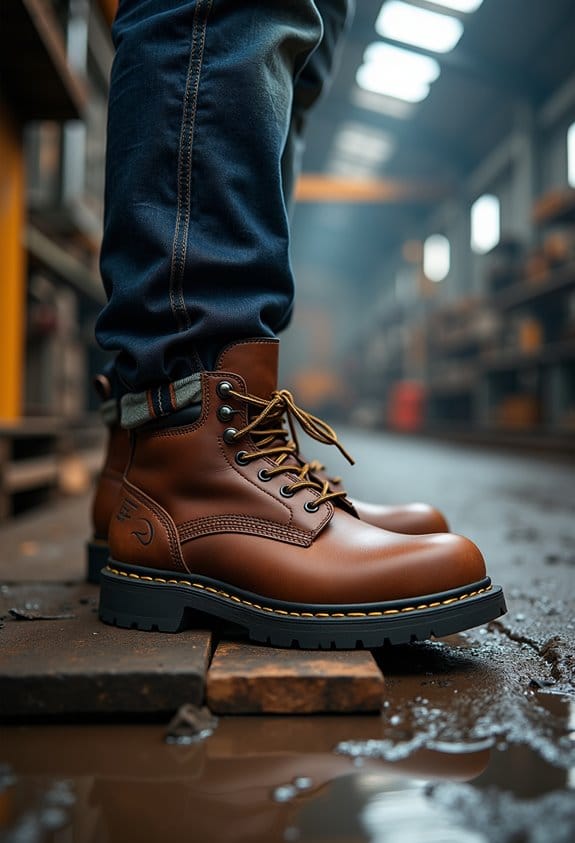
When you need full protection against water, waterproof work boots are designed with specific features to keep feet dry in harsh conditions. What key elements define waterproof safety footwear?
- Materials: Waterproof boots use sealed full-grain leather, GORE-TEX®, or rubber that block water infiltration from heavy rain or snow.
- Linings: These boots contain waterproof linings that stop moisture from entering but allow sweat to escape, ensuring comfort during long wear.
- Sealed Seams: The seams are sealed tightly to prevent water from leaking in through stitching or joins.
- Suitability: They work well for outdoor jobs exposed to standing water, hoses, or severe weather.
- Maintenance: Regular checks on seams and waterproof membranes are needed to keep waterproof effectiveness intact over time.
Additionally, incorporating breathable materials such as Gore-Tex membranes ensures moisture-wicking and comfort by allowing sweat vapor to escape while blocking water.
These features make waterproof work boots reliable for wet, demanding job sites.
Recommended Products

Fleece lined with 200g Thiosulfate insulation

Complete CAT 4 Protection: Stay protected while navigating electrical environments with our Arc Flash Kit, featuring a 3x-large 40 Cal FR bib overall, coat, class 2 rubber voltage gloves, face shield, safety glasses, gear bag, and tools

AUTOMATIC MOVEMENT: Swiss H-10 movement with 80-hour reserve ensures consistent performance. Experience precision that matches both daily tasks and adventures, a testament to Swiss craftsmanship in automatic timekeeping.
Differences in Materials and Construction
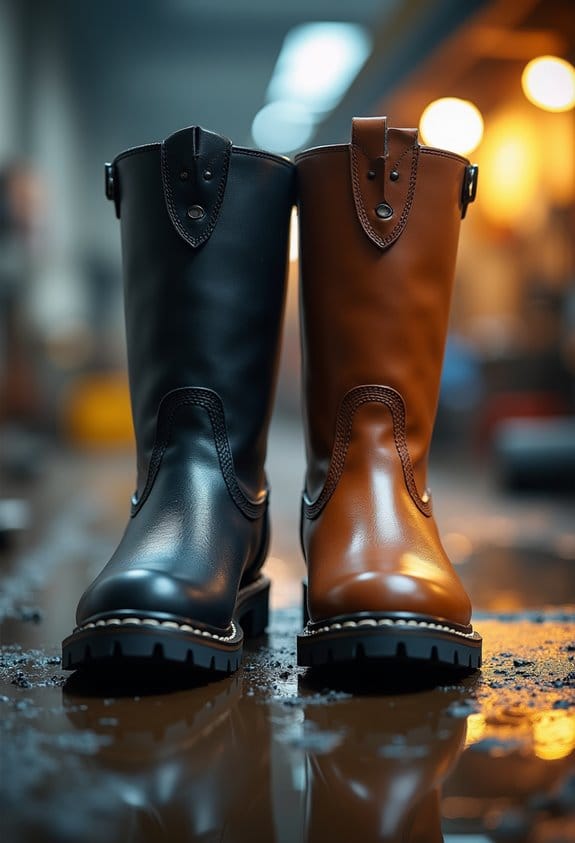
A clear understanding of the differences in materials and construction distinguishes waterproof boots from water-resistant ones. Waterproof boots feature sealed seams and membranes like GORE-TEX®, creating a complete barrier against moisture, even when submerged. Their construction uses methods such as direct attachment, eliminating water entry points. Materials like specialized rubber or polyurethane further enhance waterproof protection. In contrast, water-resistant boots utilize treated leather or nylon blends with durable water-repellent (DWR) coatings to resist light moisture but lack sealed seams, making them vulnerable to prolonged wet conditions. These boots often have unsealed stitching where water can seep in. Both types benefit from maintenance like waterproofing sprays; however, ensuring the integrity of seams and membranes is especially crucial for waterproof boots to maintain their full protective function over time. Additionally, incorporating Gore-Tex lining enhances both waterproofing and breathability, keeping feet dry and comfortable throughout the day.
When to Choose Water-Resistant Boots
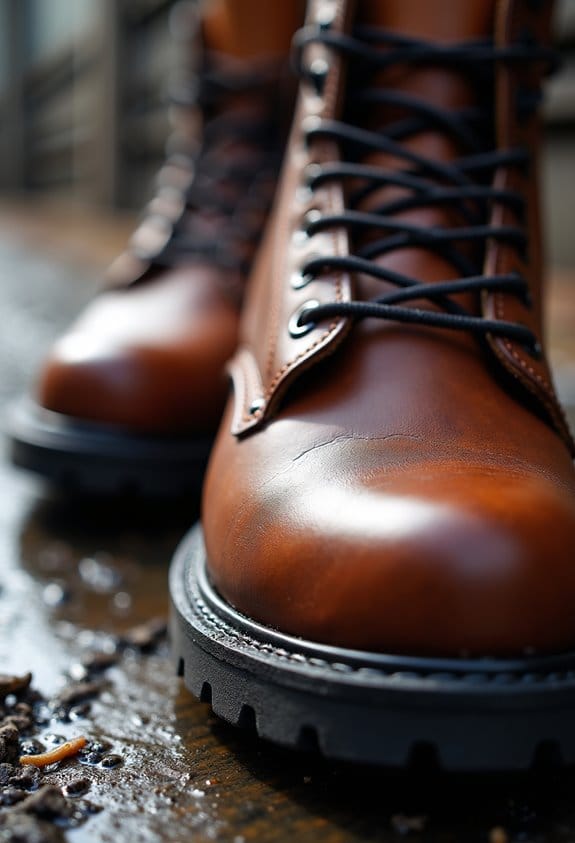
Under what conditions should water-resistant boots be selected for work? Water-resistant safety footwear is best suited for indoor or light outdoor tasks where occasional exposure to moisture occurs without prolonged contact. Consider these points when choosing water-resistant boots:
- Suitable for wet environments involving minor spills, light rain, or damp surfaces.
- Ideal for jobs in retail, waitstaff, or entry-level outdoor roles with limited moisture risks.
- Constructed from treated leather or nylon blends that repel water while allowing breathability.
- Preferred in warmer conditions, as they reduce sweat buildup compared to waterproof boots.
- Require regular cleaning and protective treatments to maintain moisture resistance.
- Not recommended for high-risk environments with standing water or heavy, continuous exposure.
Selecting water-resistant boots helps balance comfort and protection when moisture is present but not overwhelming. However, for demanding conditions, boots with a waterproof GORE-TEX lining offer superior moisture protection and durability.
Recommended Products

Four-gas detector for surveying levels of H2S, oxygen (O2), carbon monoxide (CO), and combustibles in natural and industrial environments, and in other personal safety, training, research

High Quality Device - Digitally controlled operation cycle offers a Progressive mode: progressive peristaltic therapy, Sequential mode: cyclical uniform therapy, Overlay mode: continuous therapy and Drain mode: rehabilitation therapy. An Internal pressure sensor measures your leg circumference and pressure is evenly distributed to anyone, no matter how big or how small people's limbs are.

Premium anti-static polypropylene fiber system dries quickly and wont fade or rot
Ideal Situations for Waterproof Boots
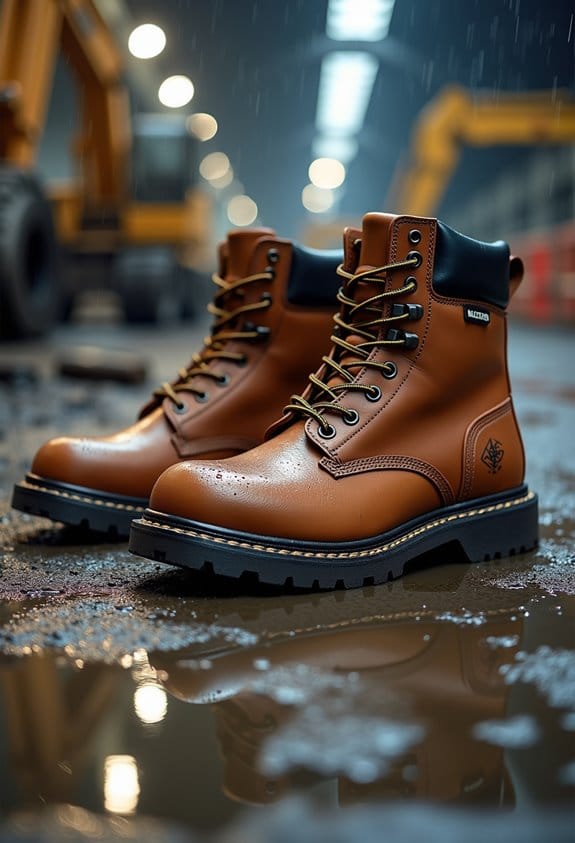
While water-resistant boots suit situations with limited moisture, certain work environments demand footwear that offers complete protection against water. When working outdoors in heavy rain, snow, or on sites with standing water, waterproof boots become essential. You should consider waterproof boots if your job involves:
- Frequent exposure to wet conditions or spills, such as in construction, plumbing, or maintenance.
- Prolonged periods in moisture, which can cause discomfort and increase injury risk.
- Compliance with safety regulations mandating waterproof footwear.
These boots typically feature sealed seams and materials like GORE-TEX® or rubber, preventing water from seeping in. Choosing waterproof boots guarantees your feet stay dry and protected, maintaining safety and comfort during demanding outdoor work conditions. Additionally, many waterproof boots incorporate breathable membranes to allow moisture and heat to escape, enhancing overall foot comfort.
Recommended Products
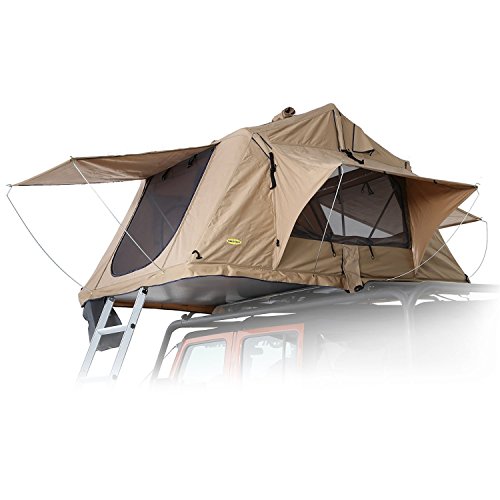
Standard size tent (sleeps 2-3) with high-density 92" x 55" foam double/full mattress and 661 lb. max load


A True Performance Product
Breathability and Comfort Considerations
Because footwear must balance protection with comfort, understanding breathability is key when choosing between waterproof and water-resistant boots. What impacts breathability in these boots? Waterproof boots offer full moisture protection but often limit airflow, which can cause sweaty feet in warm conditions. How do water-resistant boots compare? They typically allow better breathability due to their less restrictive design, making them more comfortable for daily tasks with light moisture exposure. How can comfort be improved regardless of boot type? Wearing moisture-wicking socks helps manage internal moisture from sweat, enhancing comfort. When should you prioritize breathability? If you expect occasional dampness rather than constant wetness, water-resistant boots provide a better balance between breathability and protection. For prolonged wet work, waterproof boots are still recommended despite reduced breathability. Additionally, selecting boots with mesh panels and engineered venting can significantly improve airflow and reduce heat buildup for greater all-day comfort.
Protecting Your Boots With Waterproofing Treatments
If you want to extend the life and performance of your work boots, it is essential to apply waterproofing treatments regularly. What do waterproofing treatments do? They seal vulnerable areas like stitching and welting, stopping water from entering your boots. How often should you apply these treatments? Regularly, especially after exposure to wet conditions. Which types of waterproofing treatments are best? Choose high-quality waxes or sprays designed to penetrate leather and synthetic materials. How do these protect boots? They maintain flexibility while creating a barrier against moisture. What benefits can you expect? Reduced water buildup inside the boots improves comfort and prevents damage. Finally, should you inspect your boots? Yes, combining waterproofing treatments with routine seam and membrane checks greatly enhances waterproof protection overall. Additionally, routine application of waterproofing treatments reinforces moisture resistance and functionality in various work environments.
Recommended Products

Ultimate Tactical Comfort: The Moab 2 Mid Tactical Response Waterproof boasts the same out-of-the-box comfort as the original Moab hiking boot, ensuring an unparalleled level of comfort during tactical operations.

Weight: 13.2oz / 374 g

Common Construction Weaknesses in Work Boots
Extending your boots’ waterproofing through treatments is helpful, but the boots’ design and construction also play an essential role in keeping moisture out. What are common construction weaknesses in waterproof work boots? First, stitching lines can create entry points for water if not properly sealed, allowing moisture to infiltrate inside. Unsealed welting areas are also vulnerable, often causing leaks even when materials claim waterproof protection. Additionally, waterproof linings like GORE-TEX® can lose effectiveness as they wear over time. How can you protect your boots? Regularly inspect stitching and seams for damage or gaps. Maintaining these weak spots through repairs or treatments helps preserve the boot’s waterproof integrity. Understanding construction flaws lets you choose better boots and care for them properly on job sites. Prioritizing boots made with premium waterproof leather can significantly reduce the risk of water intrusion through material failure.
How HexArmor® Enhances Work Boot Performance
When selecting work boots, understanding how HexArmor® enhances performance can help you make a better choice for your job site needs. What key features improve both waterproof protection and safety?
- MACSOLE™ rubber outsoles provide strong grip on slippery surfaces, reducing slip hazards.
- i-PUREnrj™ technology offers shock absorption, lowering foot fatigue during long shifts.
- climazone™ regulates temperature, helping keep feet dry and comfortable in various conditions.
- bionomx™ design supports natural foot movement and reduces strain.
- The waterproof construction keeps feet dry without sacrificing breathability.
Additionally, features like durable materials and strong traction are essential for maintaining stability and safety on wet and slippery surfaces.
Recommended Products

Face NUBS are reinforced with rubber to resist crushing, maintaining high performance and extending product life
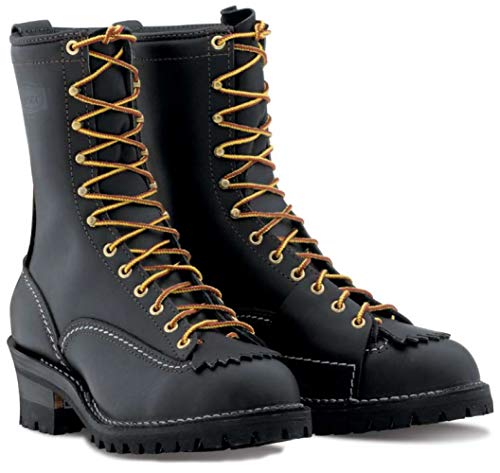
Premium Construction: The ultimate climbing boot worldwide, featuring 10 inches of 7 ounce oiled-leather top and foot for maximum durability and protection

10″ of 7-ounce black oil tanned leather
Balancing Durability, Comfort, and Moisture Protection
Although waterproof and water-resistant work boots both offer protection from moisture, choosing the right option requires balancing durability, comfort, and moisture defense. How do these factors compare?
- Durability: Waterproof boots use sealed seams and strong materials, making them more resilient in harsh, wet environments than water-resistant boots.
- Comfort: Water-resistant boots tend to be lighter and more breathable, providing better comfort in warm or dry conditions, while waterproof boots may trap heat.
- Moisture Protection: Waterproof boots fully block water, suitable for heavy rain or immersion. Water-resistant boots handle light moisture or spills.
Which should you choose? For wet, demanding jobs, prioritize waterproof boots for durability and moisture protection. For less intense conditions, water-resistant boots may offer better comfort without sacrificing basic moisture defense. Boots featuring puncture-proof steel toes can also enhance protection without compromising durability.
Tips for Maintaining Your Work Boots
Proper maintenance of work boots is essential to preserve their protective features and prolong their usability, especially in environments where moisture and wear can quickly degrade materials. How can you maintain your boots to keep them waterproof and effective?
- Regularly inspect for wear, especially seams and areas prone to moisture entry.
- Clean after every use, removing dirt and debris that weaken materials.
- Apply suitable waterproof sprays or waxes to extend lifespan.
- For waterproof boots, check the waterproof membrane’s condition and repair if damaged.
- Air out boots after use to prevent moisture buildup and odors.
- Store boots in cool, dry places away from direct sunlight, which can fade and weaken them.
Following these tips enhances your boots’ durability and maintains their moisture protection over time.
Frequently Asked Questions
What Is Better, Waterproof or Water Resistant Boots?
Waterproof boots, featuring advanced waterproof technology, generally outperform water-resistant options in moisture protection. However, a durability comparison reveals water-resistant boots offer greater breathability and comfort, ideal for less wet environments where prolonged wear is necessary.
Which Type of Safety Footwear Is Ideal for Site Work?
Ironically, safety footwear perfect for site work often combines enhanced durability comparison and strict safety standards, favoring waterproof boots. Despite added breathability challenges, their superior protection against moisture hazards guarantees peak performance and compliance in demanding environments.
What Are the Best Work Boots if You’re on Your Feet All Day?
The best work boots for all-day wear prioritize comfortable cushioning and robust arch support to reduce fatigue. Features like lightweight materials and flexible soles further enhance comfort, ensuring prolonged standing or walking remains manageable and pain-free.
What Is Better, Waterproof or Water Resistance?
Waterproof boots offer superior durability compared to water-resistant ones, fully blocking moisture. However, water-resistant boots excel in comfort factors, especially in warmer conditions, as they allow better breathability and reduce heat buildup during prolonged wear.