As an Amazon Associate, we earn from qualifying purchases. Some links on this site are affiliate links at no extra cost to you. Our recommendations are based on thorough research and editorial judgment.

When Do You Really Need Metatarsal Protection in Work Boots?

You need metatarsal protection in work boots when your job involves risks of heavy objects—typically 30 pounds or more—falling or rolling onto your upper foot. This protection is essential in industries like construction, manufacturing, and warehouses where crushing injuries or fractures may occur. Look for boots that meet ASTM F2413 safety standards and choose between internal or external guards. Consider your comfort, exposure level, and workplace hazards to guarantee proper safety coverage; additional guidance can clarify these factors further.
Key Takeaways
- Metatarsal protection is needed when working with or around objects weighing 30 pounds or more that may fall on or roll over feet.
- OSHA guidelines require metatarsal guards in workplaces with risks of foot injuries from heavy objects or compression hazards.
- Jobs in construction, manufacturing, warehousing, and oil and gas industries often necessitate metatarsal protection due to falling tools and heavy machinery risks.
- Choose metatarsal protection when workplace hazards include potential crushing injuries or dropped heavy equipment impacting foot tops.
- Verify footwear meets ASTM F2413 certification for impact and compression resistance to ensure adequate metatarsal protection.
Understanding Metatarsal Protection in Safety Footwear
Although many safety boots protect the toes, metatarsal protection is specifically designed to shield the top part of your foot, where the metatarsal bones are located, from heavy impacts. Metatarsal protection in work boots guards against injuries caused by falling objects or compression injuries from rolling equipment. This type of safety footwear is essential in environments where objects weighing 30 pounds or more may be dropped or lifted. Metatarsal guards come in internal and external styles, but both aim to prevent fractures and soft tissue damage. To guarantee effective protection, boots with metatarsal guards should comply with ASTM safety standards, confirming they meet required impact resistance levels. Using certified boots reduces injury risk and downtime after accidents, making metatarsal protection critical for hazardous workplaces. Additionally, selecting boots with ASTM F2413 compliance ensures that the footwear meets stringent impact and compression safety requirements for workplace environments.
Types of Metatarsal Guards: Internal Vs External
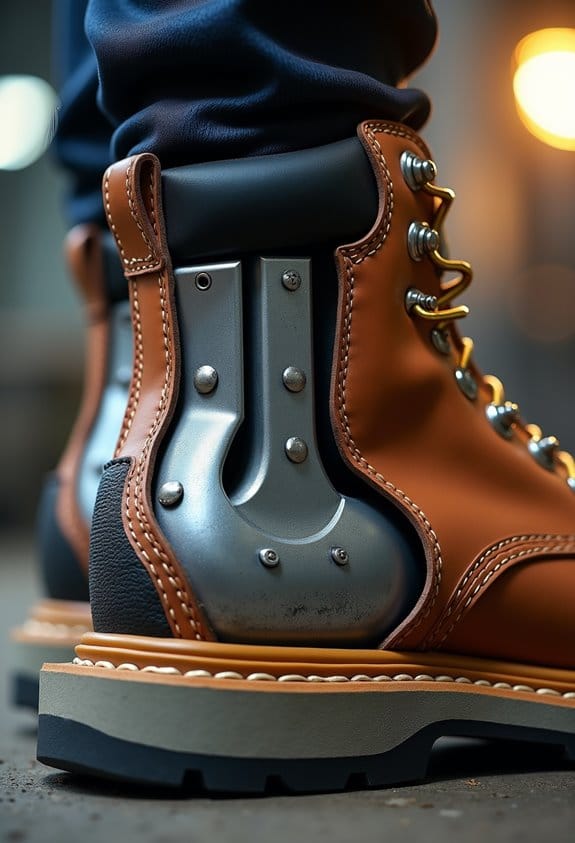
There are two main types of metatarsal guards used in work boots: internal and external. Internal metatarsal guards are built into the boot, made from composite materials that offer lightweight, flexible protection without extra bulk. They are often preferred for their comfort and sleek design, making them suitable for long hours on the job. External metatarsal guards attach outside the boot, providing increased coverage but may be cumbersome and increase tripping hazards. When selecting metatarsal guards, consider your job environment’s specific safety risks and how much protection you need. Prioritize wearing guards that balance protection and comfort to guarantee safety without sacrificing mobility in your work boots. This approach helps meet safety standards while maintaining effective foot protection. Moreover, choosing boots with ASTM F2413-18 certified steel toe protection ensures compliance with recognized safety regulations for impact and compression resistance.
Recommended Products

Replaceable Sole System (SRS): Features the innovative Sole Replacement System for quick and easy sole swaps, including enduro-specific options, ensuring optimal grip and longevity for motocross performance.

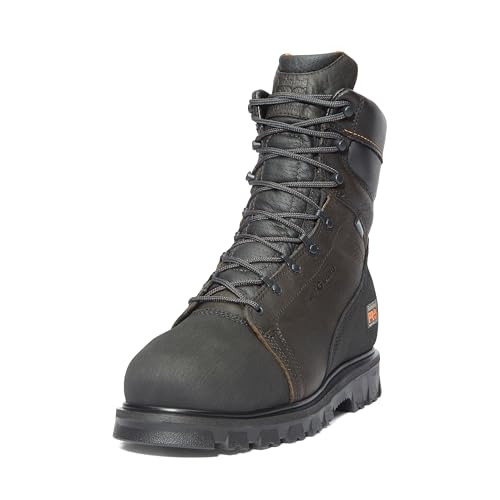
The Union crafted Tailings work boot is built for warmth and protection

Built with a durable full grain leather upper for long-wear performance
Key Industries That Require Metatarsal Protection
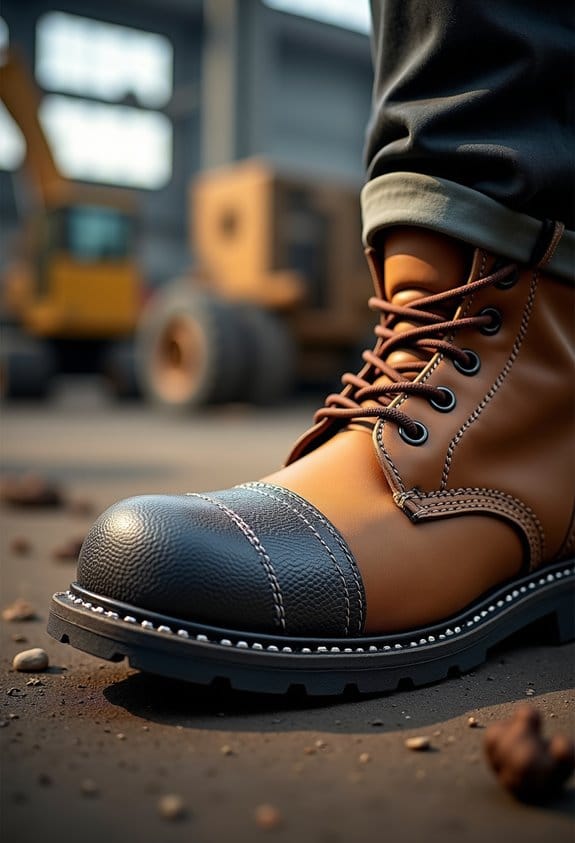
When working in industries with heavy materials and equipment, metatarsal protection becomes essential to prevent serious foot injuries. Which key industries require metatarsal protection? Consider the following:
- Construction industry: Workers face risks from falling tools and materials; metatarsal boots help guard against impact and crushing injuries.
- Manufacturing: Handling heavy machinery and parts increases the chance of foot injuries, making metatarsal safety features vital.
- Warehouse workers: Lifting and stacking heavy goods raises the potential for dropped objects, so metatarsal protection is recommended.
- Oil and gas sector: Drilling and extraction expose workers to heavy equipment hazards and falling debris, necessitating protective met guards.
Additionally, selecting boots with waterproofing benefits helps maintain comfort and durability during extended use in challenging environments.
Recommended Products

1. Replaceable Shin Pads 2. Micro adjustable and replaceable buckle system 3. Adjustable calf system 4. Upper Dual Flex System Hyper Extension Block - Flex 5 System. Boot Leg 6. Anatomical heel cup 7. Replaceable Metatarsal Inserts 8. Toe Area
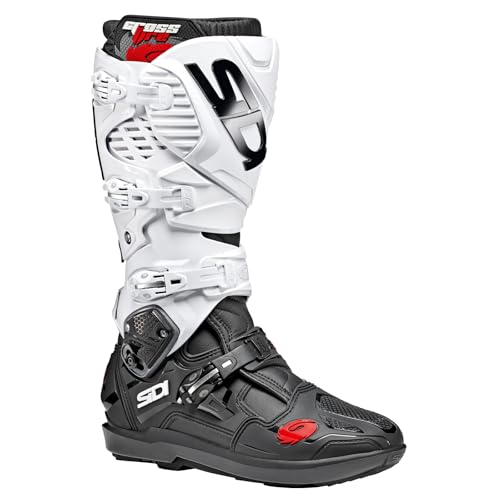
1. Replaceable Shin Pads 2. Micro adjustable and replaceable buckle system 3. Adjustable calf system 4. Upper Dual Flex System Hyper Extension Block - Flex 5 System. Boot Leg 6. Anatomical heel cup 7. Replaceable Metatarsal Inserts 8. Toe Area
Assessing Workplace Hazards That Necessitate Met Guards

Evaluate the specific hazards present in your workplace to determine the necessity of metatarsal guards. Are you routinely exposed to heavy objects that could fall or roll onto feet? Work boots with metatarsal protection are essential in environments where lifting or moving items over 30 pounds occurs. Consider the following workplace hazards when evaluating risk:
- Frequent handling or proximity to falling debris in manufacturing or demolition.
- Areas prone to rolling or crushing injuries, such as construction sites and warehouses.
- Extended standing or walking, which may increase fatigue and foot health issues without proper support.
- Compliance with safety standards that recommend metatarsal guards in high-risk roles.
Choosing boots with shock-absorbent technology can also help alleviate foot fatigue during prolonged standing or walking in hazardous environments.
Impact of Heavy Objects and Crushing Injuries on the Foot

Understanding the risks posed by heavy objects and crushing injuries is essential when selecting appropriate footwear for your workplace. What dangers do heavy objects present? Objects weighing 30 pounds or more can cause severe foot injuries if dropped, while weights of 50 pounds or more increase the risk of crushing injuries, especially in environments with rolling items. How do occupational hazards elevate these risks? Foundries and heavy machinery settings pose higher chances of compression injuries to metatarsal bones due to narrow gaps and moving vehicles. Why is metatarsal protection critical? OSHA notes that dropped objects are a leading cause of foot injuries, making dedicated safety gear crucial. To summarize, effective metatarsal protection in work environments shields your feet from heavy object impact and crushing injuries, reducing occupational hazards considerably. Additionally, choosing boots that meet ASTM F2413 safety compliance ensures reliable impact protection against such injuries.
Comparing Metatarsal Boots With Conventional Steel-Toe Boots
Although both metatarsal boots and conventional steel-toe boots aim to protect workers’ feet, their coverage and design differ markedly, affecting safety and comfort levels. How do these differences influence your choice?
- Coverage: Metatarsal boots protect the entire top of the foot, including metatarsal bones, unlike steel-toe boots that safeguard primarily the toe area.
- Protection Needs: In workplaces with heavy lifting or falling objects, metatarsal boots reduce foot injuries more effectively.
- Design Features: Metatarsal boots often have internal guards offering better comfort and flexibility; external guards can be bulky and increase tripping hazards.
- Safety Evaluation: Review safety certifications carefully, as protection quality varies across both boot types.
For enhanced workplace safety when heavy materials threaten, metatarsal boots offer broader protection than steel-toe boots, though you must balance comfort and guard type. Additionally, choosing footwear with proper arch support can improve overall foot health and reduce fatigue during long hours on the job.
Recommended Products
1. Replaceable Shin Pads 2. Micro adjustable and replaceable buckle system 3. Adjustable calf system 4. Upper Dual Flex System Hyper Extension Block - Flex 5 System. Boot Leg 6. Anatomical heel cup 7. Replaceable Metatarsal Inserts 8. Toe Area
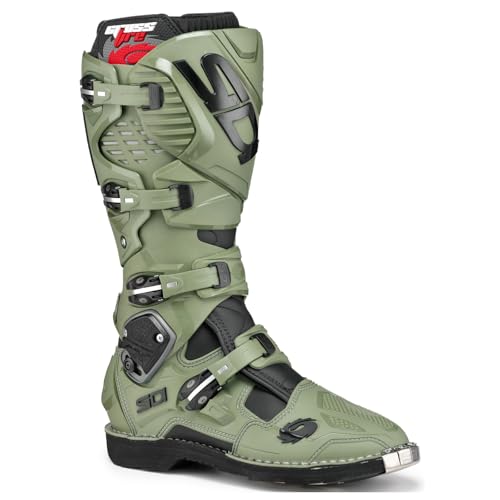
1. Replaceable Shin Pads 2. Micro adjustable and replaceable buckle system 3. Adjustable calf system 4. Upper Dual Flex System Hyper Extension Block - Flex 5 System. Boot Leg 6. Anatomical heel cup 7. Replaceable Metatarsal Inserts 8. Toe Area

WATERPROOF INSULATION to keep your feet warm and dry in winter's harshest conditions
How Metatarsal Guards Enhance Overall Foot Safety
Metatarsal guards extend protection beyond the toe area, covering the mid-foot to shield metatarsal bones from heavy impacts and compression. How do metatarsal guards enhance overall foot safety?
- Provide injury protection by absorbing impacts such as dropping a 50-pound object from 16 inches.
- Meet workplace safety standards required for construction and other hazardous environments.
- Reduce risk of fractures that may lead to long recovery times and lost income.
- Integrate smoothly with work boots, maintaining comfort and flexibility essential for daily tasks.
- Are especially important in construction, manufacturing, and similar industries where foot injuries are common.
- When combined with puncture-resistant materials, metatarsal guards significantly improve overall foot protection against sharp objects and impact hazards.
Features to Look for in Quality Metatarsal Boots
When selecting quality metatarsal boots, several key features confirm both protection and comfort during demanding work tasks. You should look for metatarsal protection that includes internal guards made from composite materials, which provide lightweight flexibility without reducing safety. External guards, typically made of metal or reinforced plastic, offer maximum coverage but can add bulk and a tripping risk. It is important to verify the boots meet ASTM F2413 safety standards. Additionally, toe and heel reinforcement cushions impact and improves fit for long workdays. Waterproof options are valuable for those who work in construction or wet environments, enhancing durability and safety. Choosing boots with advanced safety technology balances effective protection with practical comfort for various job conditions. Many top-quality boots incorporate steel toe safety features to protect against heavy impacts and compression hazards while maintaining comfort.
Recommended Products

DELIVERS STABILITY & SUPPORT: Catalyst VX Work stands for performance, stability, and protection. Equipped with cushioning technology to reduce foot fatigue, it keeps feet comfortable in harsh outdoor work environments, including oil and gas exploration.
Anti-Fatigue Technology: A comfort system designed with shock-absorbing, geometrical technology that returns energy back to the foot to deliver all-day support and comfort.

Built-in internal metatarsal guard for added foot protection
Compliance and Safety Standards for Metatarsal Protection
Guaranteeing compliance with safety standards is a key factor when choosing work boots designed for foot protection. What are the main compliance requirements for metatarsal protection? Employers must follow OSHA guidelines, which require metatarsal guards in workplaces where foot injuries from dropped or rolling objects over 30 pounds are likely. Which safety standards apply? ASTM F2413 certification is critical, as it verifies footwear for impact resistance and compression protection. Why is adherence important? Compliance helps prevent serious foot injuries such as fractures and crush injuries while reducing liability for workplace hazards. How can compliance be guaranteed? Selecting boots with integrated metatarsal protection that meet ASTM F2413 guarantees both safety and comfort in high-risk environments. Overall, understanding and applying these standards protects workers effectively. Additionally, choosing boots with reinforced stitching and durable materials enhances both protection and longevity in demanding work conditions.
The Role of Innovative Technologies in Metatarsal Guards
Advancements in safety footwear design have led to the development of innovative technologies that improve the effectiveness and comfort of guards protecting the upper foot area. How do these advancements benefit metatarsal guards?
- Internal metatarsal guards use advanced composite materials, allowing greater flexibility without compromising impact protection.
- Materials like XRD® adapt by staying soft during regular movement but harden instantly upon sudden impacts, reducing the risk of crushing injuries.
- Many modern metatarsal guards meet or exceed ASTM F2413 standards, guaranteeing reliable safety performance.
- Integrating internal guards into safety footwear prevents bulkiness, enhancing wearer comfort and durability.
- Choosing boots with these technologies helps guarantee long-lasting protection suitable for high-risk environments, combining safety with flexibility for everyday use.
- Additionally, the use of lightweight composite toe protection helps reduce foot fatigue during long hours of wear without sacrificing safety.
Choosing the Right Metatarsal Protection for Your Specific Job
How can someone select the right metatarsal protection for their specific job demands? First, assess if your job requires protection against heavy objects, especially when handling items over 30 pounds if dropped, or 50 pounds if rolled. Next, choose between internal and external metatarsal guards: internal guards offer better fit and comfort, while external guards provide broader coverage. Always check safety ratings like ASTM standards to guarantee compliance. Consider the work environment to determine if waterproofing or insulation is necessary alongside your foot protection. Prioritize fit and comfort by trying on boots, since metatarsal boots often have limited stretch and must be worn for long periods. To summarize, matching protection type, certification, and features with specific job tasks guarantees effective and comfortable metatarsal protection.
Recommended Products

Independent Suspension Network (ISN): Mutli-density outsole with comfort lugs that act independently of each other and adapt to varying worksite conditions, providing an additional layer of cushioning, comfort and stability.

These Union Crafted Copper work boots are built to keep you safe and comfortable no matter the job
Frequently Asked Questions
When Should Metatarsal Guards Be Worn?
Metatarsal guards should be worn when heavy machinery operation or warehouse work demands increase injury risk; incorporating foot safety regulations and worker risk assessment guarantees metatarsal injury prevention, essential for construction site safety, long-term job requirements, and footwear comfort considerations.
Are Metatarsal Guards Required by OSHA?
OSHA safety mandates do not explicitly require metatarsal guard regulations but emphasize foot safety standards through personal protective equipment. Employers must assess workplace hazards, guarantee footwear compliance guidelines, meet impact resistance requirements, and provide employee safety training accordingly.
Are Metatarsal Guards Worth It?
Is risking foot injury worth saving a few dollars? Metatarsal guard benefits include essential foot safety, integrating work boot features that enhance injury prevention strategies. Comfort versus protection and cost effectiveness analysis prove their value across industry specific requirements and boot material comparisons.
Under What Circumstances Should Foot Protection Be Worn?
Foot protection should be worn when worksite hazards involve heavy machinery or materials, especially in construction environments. Occupational safety protocols and workplace regulations mandate protective footwear based on risk assessment to guarantee effective foot injury prevention.