As an Amazon Associate, we earn from qualifying purchases. Some links on this site are affiliate links at no extra cost to you. Our recommendations are based on thorough research and editorial judgment.

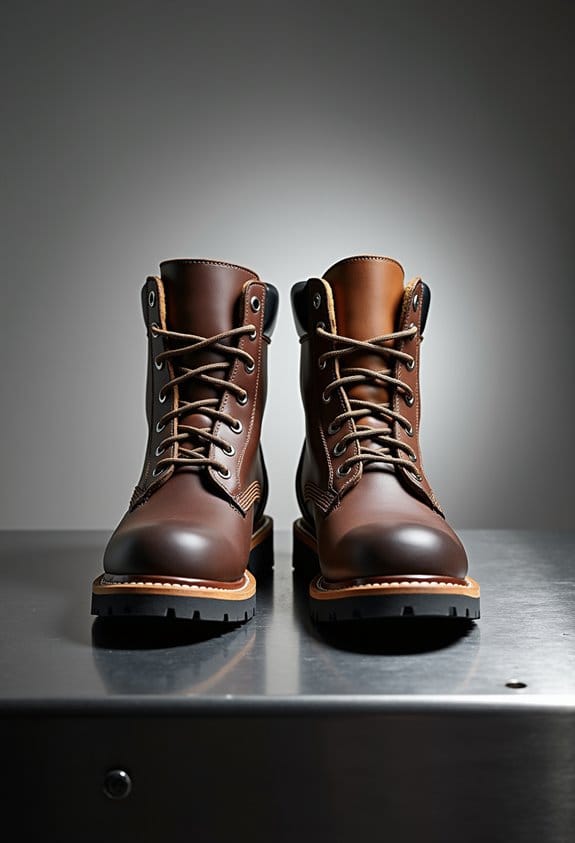
Choosing the Right Width: Regular vs. Wide Work Boots Explained

Choosing the right width between regular and wide work boots depends on your foot’s shape and comfort needs. Regular width fits average feet, while wide boots offer an extra ⅛ inch for broader feet, enhancing stability and reducing pressure points. Measure your foot’s widest part and compare to sizing charts, considering common signs like blisters or numbness indicating a need for wide boots. Materials and classifications (e.g., D, E) also affect fit. Understanding these details helps guarantee proper support and comfort. Further details clarify best practices for your foot type.
Key Takeaways
- Boot width affects comfort and foot health, preventing pain, blisters, and pressure during long work hours.
- Regular width fits average feet, while wide boots add approximately ⅛ inch for broader feet and better toe movement.
- Measure foot width at the widest point and compare to size charts, wearing work socks for accurate fit.
- Wide boots improve stability with broader soles and better arch support, reducing fatigue and injury risks.
- Signs you need wide boots include cramped toes, blisters, numbness, and heel slippage inside boots.
Understanding the Importance of Boot Width
Why does boot width matter when choosing work boots? The width of your boots directly affects how well they fit, especially in the toe box area. A proper fit provides extra room, preventing tightness that can lead to foot pain and discomfort. When boots are too narrow, they may cause pressure points, blisters, or aggravate foot conditions like bunions. Conversely, wider boots offer better comfort by allowing toes to spread and move naturally. Signs indicating you need a wider fit include pressure marks, swelling after long wear, and persistent discomfort. Choosing boots with the correct width maintains proper arch alignment, improving stability and reducing fatigue during extended work hours. Ultimately, prioritizing width guarantees both comfort and safety on the job. Additionally, considering memory foam cushioning can enhance comfort and reduce fatigue in wide width work boots.
Differences Between Regular and Wide Work Boots
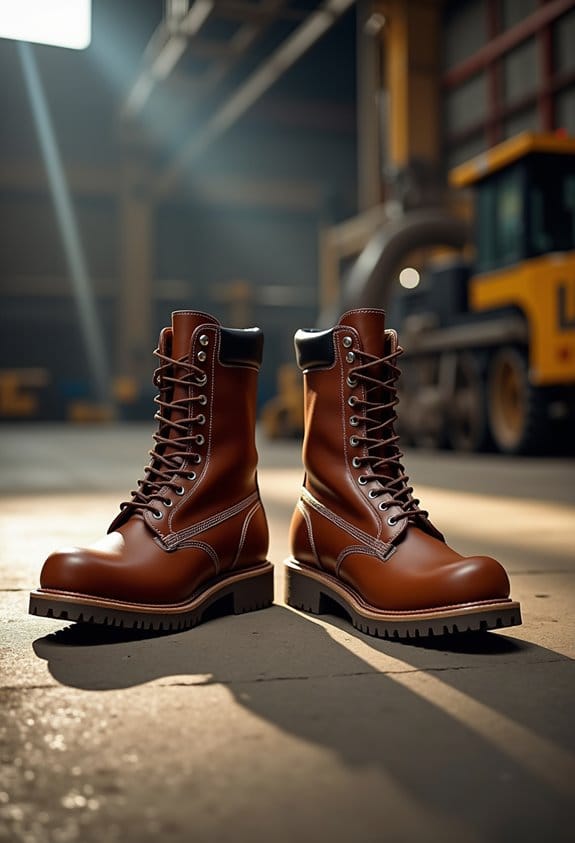
Work boots come in various widths to accommodate different foot shapes, and understanding the distinctions between regular and wide options can help you find the best fit for your needs.
What differentiates regular width from wide work boots?
- Regular width boots suit average-width feet with a standard toe box and forefoot size.
- Wide work boots add about ⅛ inch in width, offering extra space in the toe box and forefoot to avoid pressure points.
- Wide boots have broader midsoles and outsoles, improving stability and weight distribution.
- Enhanced arch support in wide work boots guarantees better alignment and comfort.
- Proper fit in wide boots helps prevent discomfort, foot conditions like bunions, and improves comfort and safety.
Choosing the right width guarantees both comfort and safety on the job. It is also important to consider boots with cushioned insoles and arch support to enhance comfort during long hours of wear.
Recommended Products

Fleece lined with 200g Thiosulfate insulation

✔ GeForce GTX 1660 6GB GDDR5 Graphics Card (Brand May Varies) | 8GB DDR4 3200MHz Gaming Memory with Heat Spreaders | Windows 10 Home 64-bit | AMD High Performance Air Cooler

AMD Ryzen 7 7700 3.8GHz (5.3GHz Turbo Boost) CPU Processor | 1TB NVMe M.2 SSD – Up to 30x Faster Than Traditional HDD | High-Performance Air Cooler
How to Accurately Measure Your Foot Width at Home

After understanding the differences between regular and wide work boots, accurately measuring your foot width at home guarantees you select the proper size. How should you measure foot width effectively?
- Stand on a piece of paper and trace your entire foot to capture its full shape.
- Use a ruler or flexible measuring tape to measure the widest part of the tracing in inches and centimeters.
- Repeat this for both feet and use the larger measurement to account for minor size differences.
- Compare your measurement to a boot width sizing chart; for example, a size 9 men’s standard width is about 4 inches.
- Make certain you allow extra space for comfort, avoiding tight fits.
Proper fit combined with features like removable insoles can significantly improve comfort throughout the day.
Following these steps guarantees accurate measurements, which are essential for selecting the right boot width and maximizing all-day comfort.
Recommended Products

Material: High-quality durable polypropylene fibres, PE material on the surface, environmentally friendly, plastic on the back, with drainage holes, water resistant with great drainage, no need to worry about stagnant water

Premium anti-static polypropylene fiber system dries quickly and wont fade or rot
【Zero Gravity Recline for Weightless Comfort】Experience the weightless comfort of the zero-gravity position, designed to reduce body pressure and enhance circulation. Paired with comfortable soft chenille fabric, this zero gravity recliner chair adds an elegant touch to your living space while providing a supportive and relaxing seating experience.
Signs You May Need Wide Work Boots

How can someone recognize the need for wide work boots before discomfort worsens? Identifying the correct width early can prevent further foot issues. Key signs you may need wide boots include:
- Frequent blisters, foot pain, or cramped toes caused by lack of extra room.
- Toes feeling crushed against the toe box or deep marks left on feet after removal.
- Feet sliding inside boots, indicating improper sizing and insufficient width for stability.
- Numbness or tingling in the toes during wear, suggesting narrow fit restricting circulation.
- Recurring corns or bunions, which often worsen when feet do not have enough space.
If you notice any of these signs, it is important to reconsider your boot sizing to guarantee the correct width that provides sufficient comfort and support. Choosing boots with proper fit and comfort is essential to prevent fatigue and injuries on the job.
Recommended Products

Black Prime Waterproof, Flame, and Cut-Resisting Leather upper

18″ of 7-ounce black oiled leather

A cut-resistant 3 layer aramid lining, making the boots chainsaw proof
Indications for Choosing Narrow or Standard Width Boots
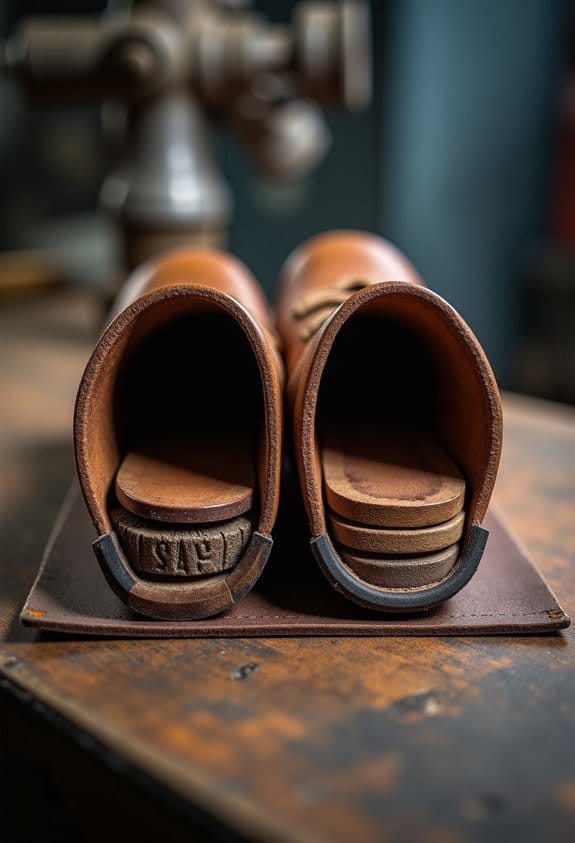
When might someone need narrow or standard width boots instead of wider options? Individuals who experience foot slippage or excessive movement inside their regular shoes may necessitate narrow fit boots for better stability. Signs indicating a need for standard width boots include a comfortable fit without pinching or cramping in the toe box. Standard width for mens typically suits average foot widths around 4 inches across for size 9. Choosing narrow or standard widths helps maintain excellent support, reducing lateral movement and preventing blisters or pain. A proper fit in these boots is also essential for circulation, which can decrease fatigue during prolonged wear. To summarize, look for these key indicators:
- Foot slippage inside footwear
- Comfortable fit in standard sizes
- Absence of pressure points or discomfort
Selecting correctly sized boots guarantees a secure and comfortable fit. Additionally, choosing boots with advanced cushioning and removable sock liners can significantly enhance comfort and reduce fatigue during long shifts, especially in demanding industrial environments, as featured in comfort and support features.
Effects of Incorrect Boot Width on Comfort and Performance
Choosing the correct boot width affects both comfort and performance during work. What happens if boots are too narrow or lack ample room? Narrow boots can cause blisters, cramped toes, and persistent pain, making it difficult to stay comfortably snug throughout a shift. How does the wrong width affect performance? Incorrect boot width may restrict circulation, leading to fatigue, numbness, and discomfort. Heel slippage and poor support and stability also result, increasing the risk of injury and reducing efficient movement. Why is the right width crucial? It provides lateral support, maintains balance on uneven surfaces, and prevents foot conditions from worsening. Choosing boots with the right width guarantees you have enough room for your foot without sacrificing stability, protecting both comfort and your ability to perform tasks effectively. Additionally, shoes with proper arch support help reduce foot fatigue and improve overall comfort during long shifts.
Why Sizing Up Is Not a Substitute for Choosing the Right Width
Why might sizing up boots be an ineffective solution for those needing more room? When you choose larger boots, you increase length but not width, which can cause heel slippage and poor support. This often leads to discomfort and blisters during long periods of wear. Regular boots are designed for standard widths and may not offer enough space or lateral support for wider feet. Instead, selecting extra wide or properly fitted boots guarantees your foot maintains natural alignment and stability. Here are key points when choosing the right width for men’s boots:
- Sizing up increases length, not width
- Improper fit causes excessive foot movement
- Extra wide boots provide better support for wider feet
- Proper width distributes weight evenly, reducing hotspots and fatigue
Choosing width correctly improves comfort and foot health over time. It is also important to consider boots with ergonomic arch support to enhance prolonged standing and walking comfort.
Boot Fit Considerations for Demanding Work Environments
Although durability and material matter, the fit of your work boots plays a critical role in ensuring comfort and safety in demanding environments like mining or construction. What are key boot fit considerations for demanding work environments?
- Why choose wide-fit work boots? They provide necessary lateral support, enhance stability, and reduce the risk of injury on uneven terrain.
- How does boot sizing affect comfort? Sizing up in regular boots fails to increase width, causing heel slippage and instability.
- What signs suggest a poor fit? Foot pain, blisters, and cramped toe space indicate narrow boots, which can hinder circulation and performance.
For best safety and comfort, select boots tailored to your foot shape, prioritizing toe space and lateral support essential for long work shifts. Considering adjustable closures for a customized fit can further improve comfort and minimize pressure points.
Recommended Products

R/W speed up to 7,400/6,800MB/s for PC/laptop

Desktop Power, Mini Footprint - 12th Gen Intel i7-12700T (12-core, up to 4.7GHz) with DDR4 RAM delivers workstation-class performance in a 6.97" compact design that fits anywhere; whisper-quiet operation perfect for any environment

3 Steel Van Shelving Units: 59"High x 45"Long x 16"Deep to fit 2015-2025 Ford Transit Medium & High Roof Vans. Safety Partition is NOT included.
How Materials and Usage Affect Boot Fit Over Time
The durability of work boots depends greatly on their materials and how often they are used, which directly affects their fit over time. How does boot size change with use?
- Materials such as full-grain leather tend to mold to your foot shape, improving overall fit, while synthetic materials often retain form but may stretch unevenly.
- With regular wear, boots can stretch, possibly causing fit issues if you initially chose an incorrect width.
- Synthetic materials might loosen, leading to a need for additional room or causing discomfort due to reduced support.
- Environmental factors like moisture and temperature also impact material flexibility and fit.
- Regularly monitoring your boots for discomfort or numbness can alert you to fit changes early, helping maintain proper fit and avoid long-term issues.
- Considering the waterproofing features of your boots is also important, as waterproof membranes and sealed seams can affect material stiffness and shape retention over time.
Selecting Boots Designed Specifically for Wider Feet
Selecting boots designed specifically for wider feet involves recognizing the unique needs of broader foot shapes and guaranteeing adequate space in critical areas of the boot. What makes wide boots different? They offer extra space in the toe box and forefoot, labeled as E, EE, or EEE to indicate width. When should you choose wide boots? If you notice blisters, cramped toes, or foot pain in regular sizes, wider boots may provide a more comfortable fit. How can you find the right fit? Professional measuring helps determine the exact width needed to guarantee secure, comfortable boots. What features support wide feet? Many brands design wide boots with a snug midfoot fit but extra room for toes, reducing foot-related issues and improving stability on uneven surfaces during long work shifts. Additionally, selecting boots with gusset construction allows for expansion around wider calves, enhancing overall comfort for those with broader feet.
Recommended Products

Motorcycle-Ready Design: 11-inch pull-on design built for motorcycle enthusiasts seeking reliable performance and protection.

Black, Lace to Toe, 16" #100 Vibram Sole, Rolled-Leather top facing
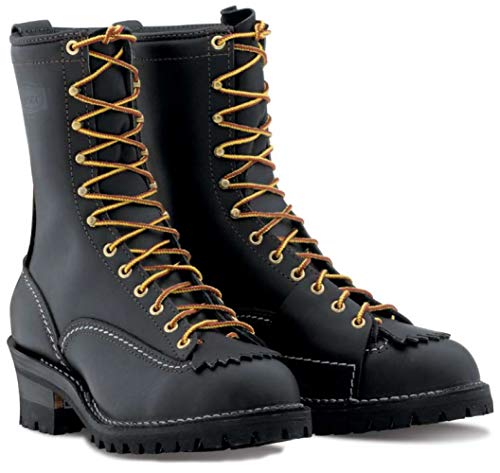
Wesco Highliner 10" Spur Climbing Lace-Up Boots – Oiled Leather, Lug Sole, Black USA-Made, Size 13 D
Premium Construction: The ultimate climbing boot worldwide, featuring 10 inches of 7 ounce oiled-leather top and foot for maximum durability and protection
Men’s and Women’s Boot Width Classifications Explained
Boot width classifications help determine the best fit for men’s and women’s work boots by addressing differences in foot shape and comfort needs. What are common boot widths for men and women?
- Men’s boot widths include B (narrow), D (regular), E (wide), EE (extra wide), and EEE (extra extra wide), with D representing average width.
- Women’s boot widths are primarily B (regular) and C (wide), where B fits average width feet and C suits those seeking more comfort.
How do regular and wide boot widths differ?
- Wide boots provide about ⅛ inch more space, easing pressure and discomfort.
- Wide sizes often feature broader midsoles and outsoles.
- Brands mark wide boots with W or EE for easy identification.
Understanding these classifications helps you choose boots that balance comfort and fit based on your foot width.
Tips for Ensuring a Secure and Comfortable Fit
Accurately measuring your foot width at its widest points helps confirm whether a regular or wide boot will provide a secure fit. How can you guarantee a comfortable fit in your boots?
- Compare your foot width to a sizing chart, noting if regular or wide boots suit you better.
- Wear the socks you typically use at work when trying boots on, to replicate actual conditions.
- Check for enough space in the toe area; cramped toes indicate a narrow fit, while excessive space suggests a wide fit.
- Walk and perform movements to test if the fit feels secure without causing blisters or excessive movement.
- Choose boots labeled wide (W or EE) if you need more lateral support to avoid pinching or restricted circulation.
These steps help achieve a comfortable, secure fit tailored to your foot’s width.
Frequently Asked Questions
How Do I Know if I Need a Wide or Regular Boot?
Determining the need for a wide or regular boot involves evaluating foot measurements, personal comfort, and foot shape. Proper shoe fitting guarantees adequate arch support, reduces circulation issues, accommodates foot swelling, and prevents discomfort during wear.
What Is the Difference Between Wide and Regular Work Boots?
What distinguishes wide from regular boots in boot sizing? Wide models accommodate broader foot anatomy by offering enhanced fit adjustments and comfort factor, using varied shoe materials. Brand differences and workplace safety demands also influence the best selection.
What’s a Wider Boot, D or EE?
An EE boot is wider than a D, offering enhanced footwear fit, greater toe room, and improved comfort levels. Sizing charts help determine proper arch support, while material options and brand variations influence overall suitability for various foot shapes.
How Much Wider Is a Wide Shoe Compared to a Regular Shoe?
A wide shoe measurements gently surpass regular shoe sizing by approximately ⅛ inch, reflecting boot width standards. This subtle increase supports comfort fit boots, acknowledging foot shape analysis and emphasizing width fitting tips to highlight shoe width importance effectively.