As an Amazon Associate, we earn from qualifying purchases. Some links on this site are affiliate links at no extra cost to you. Our recommendations are based on thorough research and editorial judgment.
Common Foot Issues Among Construction Workers and How Footwear Can Help

Common foot issues among construction workers include plantar fasciitis, bunions, foot fatigue, and tendonitis due to prolonged standing, repetitive movements, and hard surfaces. Footwear with cushioned insoles, good arch support, protective toe caps, and a proper fit helps reduce strain and prevent injuries. Regularly replacing worn shoes and choosing waterproof options can further protect foot health. Incorporating these features minimizes discomfort and enhances safety. Explore additional strategies to better maintain foot wellness on-site.
Key Takeaways
- Construction workers commonly face foot pain from plantar fasciitis, bunions, and foot fatigue due to prolonged standing and hard surfaces.
- Proper footwear with cushioned insoles and good arch support reduces discomfort and prevents foot strain and injuries.
- Shoes lacking support or proper fit worsen foot problems and increase the risk of chronic pain and injury.
- Hard walking surfaces require boots with shock absorption, reinforced toe caps, and adequate cushioning to minimize impact-related foot issues.
- Regularly replacing worn-out footwear and consulting a podiatrist for persistent pain helps maintain foot health and comfort.
Common Foot Problems Faced by Construction Workers
Although the demanding work environment contributes to various foot problems among construction workers, prevention often begins with awareness of common issues and proper footwear choices. What are the common foot problems? Foot pain in the arch, ball, or heel is frequent, often linked to plantar fasciitis, bunions, and general foot fatigue. How can you reduce these concerns? Choosing proper footwear with cushioned insoles and good arch support is vital. Why is this important? Shoes lacking these features increase discomfort and worsen foot health. What should you look for? Work boots that offer both protective qualities and comfort help minimize foot pain. Additionally, regularly replacing worn-out footwear guarantees continued support, mitigating risks associated with prolonged pressure and strain in a physically demanding environment. Selecting boots with certified arch support and cushioned insoles can significantly enhance comfort and reduce fatigue throughout long shifts.
Impact of Prolonged Standing on Foot Health
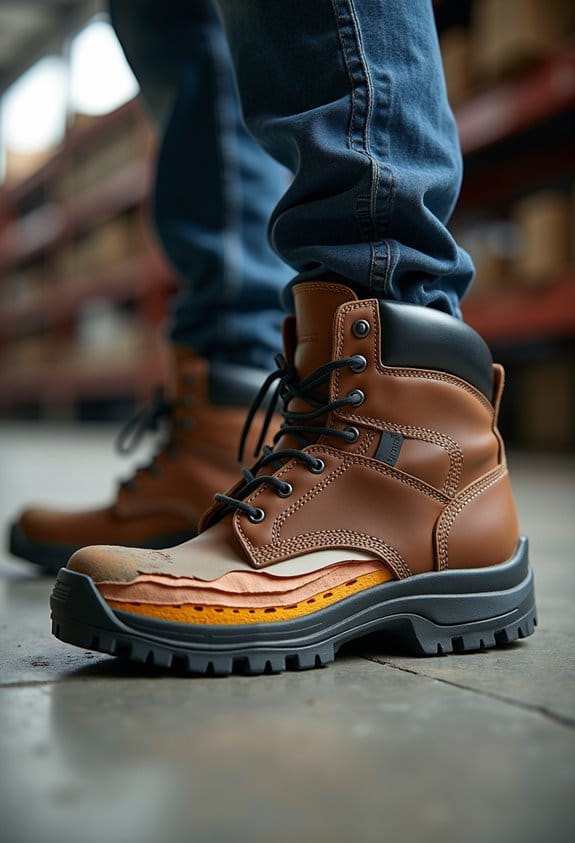
When workers spend eight hours or more standing, the joints and ligaments in their feet undergo continuous compression and strain, which can lead to common issues like plantar fasciitis. How does prolonged standing affect foot health? It can cause foot fatigue, inflammation, and pain, especially after resting. What foot problems arise? Chronic discomfort frequently results from the repetitive impact on hard surfaces. How can footwear help? Supportive footwear with proper arch support reduces stress on joints. Are custom orthotics beneficial? Yes, they provide tailored support and help alleviate strain. What else can help reduce damage? Regular movement variation and ergonomic aids, such as anti-fatigue mats, lessen foot fatigue. Understanding these factors encourages proactive steps to maintain foot health during extended standing periods. Additionally, choosing boots made with premium leather and cushioned insoles can significantly improve durability and comfort for workers on their feet all day.
Role of Inadequate Footwear in Foot Pain

Foot pain among construction workers frequently results from wearing inadequate footwear that fails to support the foot properly during long hours on hard surfaces. Why does inadequate footwear cause foot pain? Shoes lacking proper fit, cushioning and support increase pressure on feet, leading to chronic pain and discomfort. What common problems arise? Bunions, plantar fasciitis, and other chronic conditions develop when shoes do not provide enough arch support or protection. How do foot injuries relate to footwear? Inadequate footwear often misses protective features like steel toe caps, raising injury risk from falling objects. What can you do to reduce pain? Choose footwear that fits well, offers cushioning and support, and replace worn-out shoes regularly to prevent chronic pain and minimize foot injuries. Additionally, wearing boots with slip-resistant soles can enhance stability and reduce foot fatigue on slippery or uneven surfaces.
Effects of Repetitive Movements on Feet
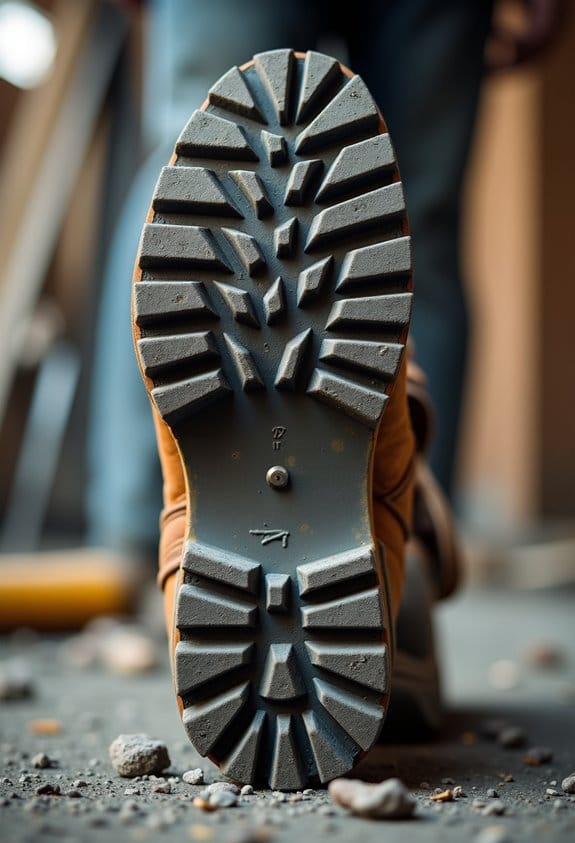
In many workplaces, repetitive movements such as operating foot pedals or frequently pivoting can place significant strain on the feet. How do these repetitive movements affect foot health? They often cause foot pain and contribute to various foot conditions, including tendonitis and stress fractures. Why is proper fit in work boots important? Ill-fitting boots may worsen strain, especially when lifting heavy objects or standing for long periods. What can you do to minimize these effects?
- Select work boots designed to support your specific movement patterns.
- Use orthotics or inserts that provide extra cushioning and stability.
- Verify the footwear fits well to reduce undue pressure.
- Choosing boots with ergonomic designs and cushioning can support the foot arch and improve comfort during prolonged wear.
Hazards of Hard Walking Surfaces in Construction

Repetitive movements can increase foot strain, but the surfaces you walk on also greatly affect your foot health. Why are hard surfaces hazardous for construction workers’ feet?
- Hard surfaces like concrete provide little shock absorption, causing foot pain and conditions such as metatarsalgia.
- Prolonged exposure to these surfaces leads to cumulative trauma, worsening issues like plantar fasciitis.
- Continuous impact on joints raises the risk of chronic discomfort.
How can footwear help?
- Footwear with adequate cushioning lessens the impact from hard surfaces.
- A proper fit and arch support improve stability and reduce strain.
- Shock-absorbing insoles and reinforced toe caps protect feet from injury.
Choosing footwear that addresses these factors is essential for minimizing foot pain caused by walking on hard surfaces, especially when combined with shock resistance technology that protects feet from impact injuries.
Importance of Proper Footwear Selection
Why does selecting the right footwear matter so much in construction environments? Proper footwear selection is essential to protect construction workers from foot injuries caused by heavy objects and sharp materials. Choosing shoes that fit well and provide cushioning helps reduce strain on feet, preventing common issues such as plantar fasciitis. Additionally, footwear with slip-resistant soles improves safety by preventing slips and falls on various surfaces. Construction workers should also consider:
- Shoes that offer adequate arch support to maintain comfort during long work hours
- Regularly replacing worn-out footwear, ideally every 300-500 miles, to maintain protection
- Investing in occupational shoes designed for specific job demands to avoid chronic pain
Moreover, selecting footwear with non-slip traction significantly enhances stability on variable terrains common at construction sites.
Features to Look for in Safety Footwear
What essential features should you consider when choosing safety footwear for construction work? Key factors include:
- Proper fit: Shoes should offer enough room for toe movement while providing firm arch support to protect your foot and ankle.
- Slip-resistant soles: These prevent falls on wet or oily surfaces, reducing accident risk.
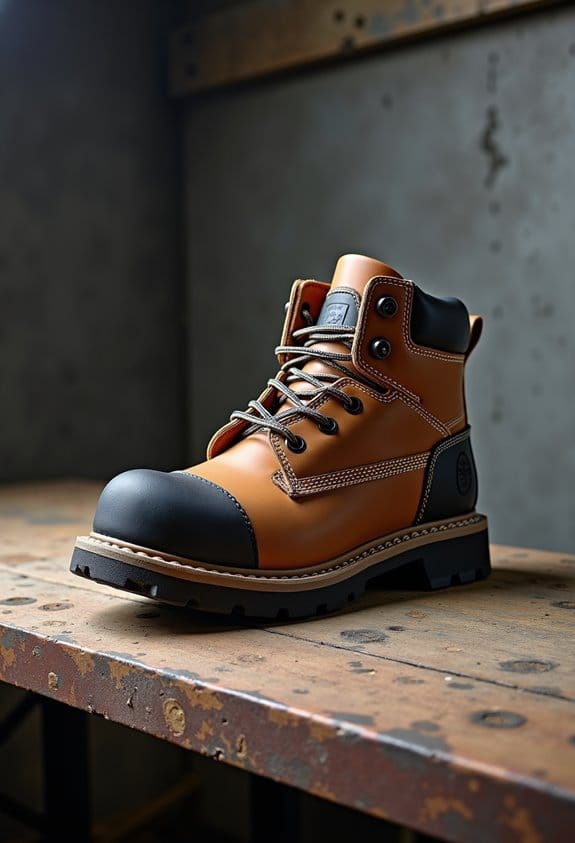
- Reinforced toe caps: Safety footwear must have sturdy toe protection against falling or heavy objects common on construction sites.
- Cushioned insoles: Look for shock-absorbing insoles to reduce fatigue during long hours standing or walking.
- Durability and quality materials: Footwear should meet industry safety standards, ensuring long-lasting support and protection.
Additionally, boots that comply with ASTM F2413-18 standards provide verified impact and compression resistance, essential for minimizing injury risks on job sites.
Choosing comfortable shoes with these features supports foot health and enhances safety in demanding work environments, helping prevent common construction-related foot injuries.
Preventive Measures to Protect Construction Feet
Besides selecting safety footwear with appropriate features, consistently following preventive measures plays an essential role in protecting feet on construction sites. What actions help prevent common foot problems? First, wearing shoes with a proper fit guarantees support and reduces injury risk. Regularly replacing worn-out shoes maintains cushioning needed for comfort. How can workers address specific issues? Podiatrists provide custom orthotics and develop a treatment plan tailored to individual needs. What workplace changes assist foot health? Using anti-fatigue mats lessens pressure from prolonged standing on hard surfaces. Additionally, routine foot assessments and hygiene help detect problems early, promoting long-term well-being. By integrating these measures, construction workers can markedly reduce foot injuries and discomfort, preserving foot function throughout their demanding workdays. It is also crucial to ensure footwear meets ASTM safety standards to provide proper protection against impacts and compression.
Foot Care Tips for Construction Workers
Several important foot care tips can help construction workers maintain healthy and comfortable feet throughout demanding workdays. What is the role of the proper fit in foot health? Ensuring the right shoes fit both feet correctly prevents painful foot conditions caused by uneven pressure or friction. How often should footwear be replaced? Replacing shoes every 300-500 miles or six months maintains cushioning and support, which is key to boosting job performance. What common causes of foot pain can footwear address? Choosing protective shoes with reinforced toe caps and slip-resistant soles minimizes injuries and supports foot stability. Are there additional measures to improve foot comfort? Incorporating custom orthotics for arch support, practicing foot exercises to enhance flexibility, and maintaining good hygiene contribute greatly to overall foot health. Prioritizing footwear with waterproofing benefits is essential to keep feet dry and comfortable in challenging work environments.
When to Consult a Podiatrist for Foot Issues
When should you see a podiatrist regarding foot issues? Knowing when to consult a podiatrist is vital for maintaining foot health, especially in construction workers. Consider consulting a podiatrist if you experience:
- Persistent foot pain that interferes with daily tasks
- Foot injuries sustained on the job requiring proper healing
- Signs of deformities like bunions caused by improper footwear
- Numbness, tingling, or significant discomfort after long shifts
Regular foot examinations are advised to detect early strains from standing on hard surfaces. A podiatrist can provide personalized treatment plans to alleviate symptoms and prevent chronic problems. Addressing these issues early through professional guidance helps maintain overall foot health and supports your ability to work effectively while minimizing long-term complications. Being proactive about foot care guarantees both comfort and function in demanding work environments. Wearing properly fitted boots that offer foot and ankle support can significantly reduce the risk of many common foot problems among construction workers.
Frequently Asked Questions
Can Insoles Be Customized for Different Foot Arch Types?
Insoles can be customized for different foot arch types by incorporating appropriate arch support. A professional assessment guarantees a custom fit using specific material types that balance comfort, durability requirements, and effectively reduce foot pain.
How Often Should Construction Workers Replace Their Work Boots?
Construction workers should replace their work boots every 6 to 12 months, depending on boot lifespan, wear indicators, and comfort features. Adhering to safety regulations, monitoring foot health, and following maintenance tips guarantee maximum protection and durability.
Are There Specific Brands Recommended for Construction Footwear?
Certain construction footwear brands stand out for safety shoe features, durable material options, and high traction soles. They often provide comfort fit guides and budget friendly choices, balancing protection and affordability to meet diverse worker needs effectively.
Can Orthotic Inserts Be Used Inside Steel-Toe Boots?
Orthotic inserts can be used inside steel-toe boots if they guarantee proper boot compatibility and shoe sizing. They provide orthotic support, enhance foot alignment, allow comfort adjustments, and contribute to injury prevention during extended wear.
How Does Weather Affect Choice of Construction Footwear?
Weather conditions and seasonal changes considerably influence footwear choices, as temperature extremes and moisture management impact comfort and durability. Appropriate footwear adapts to terrain types, reducing foot fatigue and ensuring protection against environmental challenges on construction sites.