As an Amazon Associate, we earn from qualifying purchases. Some links on this site are affiliate links at no extra cost to you. Our recommendations are based on thorough research and editorial judgment.

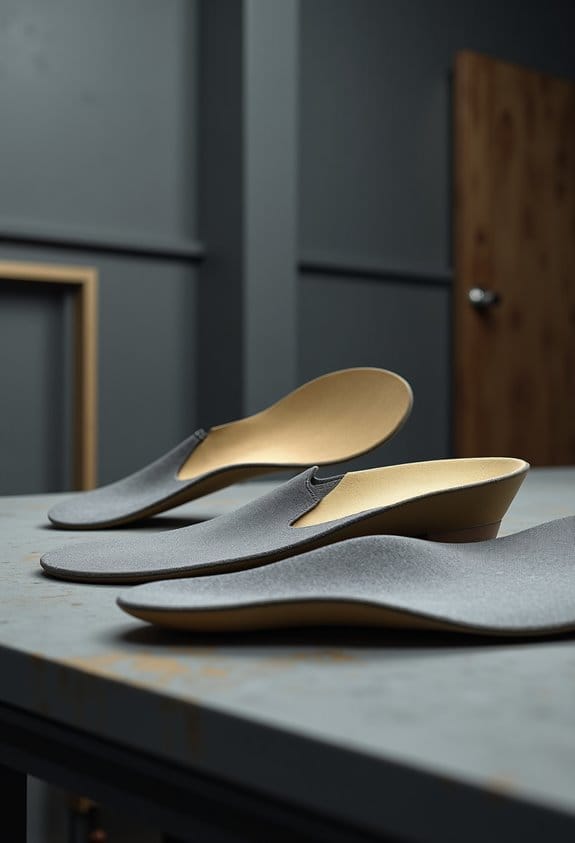
How Insoles Can Extend the Life of Work Boots and Reduce Fatigue

Insoles extend work boot life by cushioning impacts, reducing internal wear, and maintaining foot alignment. They provide essential arch support and deep heel cups that stabilize the foot, lowering fatigue and preventing common conditions like plantar fasciitis. Insoles made from shock-absorbing materials protect boots from breakdown caused by constant pressure. Moisture-wicking properties also keep feet dry, minimizing odor and blisters. Proper insoles improve comfort and durability, ensuring boots last longer. Explore how to select and maintain the best insoles for your needs.
Key Takeaways
- Insoles provide shock absorption, reducing impact on feet and decreasing overall fatigue during prolonged standing or walking.
- Proper arch support in insoles prevents foot pain, promoting correct foot and body alignment that reduces strain on knees and lower back.
- Deep heel cups stabilize the heel, minimizing excessive foot motion that can cause discomfort and premature boot wear.
- Moisture-wicking insoles keep feet dry, preventing blisters and maintaining comfort, which extends both insole and boot durability.
- Regularly replacing and cleaning insoles maintains their cushioning and support, protecting boots’ interior and prolonging their lifespan.
The Hidden Costs of Work Boot Fatigue
Work boot fatigue affects many workers who stand for long hours on hard surfaces like concrete. What causes this fatigue? Prolonged standing on hard surfaces leads to high-impact forces on your feet, knees, and lower back. How does this impact your foot health? Without proper arch support and shock absorption, fatigue builds up as your work boots fail to reduce pressure on key areas like the heel and forefoot. What problems can arise? Over time, you risk developing chronic foot conditions, which decrease comfort and productivity. How can insoles help? Quality insoles provide essential arch support, improve shock absorption, and evenly distribute pressure, reducing fatigue during long shifts. Additionally, many work boots feature EVA or polyurethane insoles that enhance cushioning and reduce foot fatigue. To sum up:
- Standing on hard surfaces causes significant fatigue
- Work boots lacking support worsen this fatigue
- Insoles can reduce pressure and protect foot health
How Proper Insoles Improve Foot and Body Alignment

Several key benefits come from using proper insoles that support the arches of your feet, which help maintain even weight distribution and improve your overall body alignment. How do proper insoles achieve this?
- Targeted arch support stabilizes the foot, promoting correct foot alignment.
- A deep heel cup secures your heel, reducing excessive foot motion.
- Both features help reduce fatigue, especially during prolonged standing or walking.
Why are these features important? Misalignment caused by improper foot motion can strain knees, hips, and the lower back. Custom insoles manage issues like overpronation and supination, which improves joint alignment. By supporting proper foot mechanics, insoles reduce stress on the body and enhance posture. This protects against injuries and extends the durability of work boots by ensuring even wear. Quality insoles often incorporate shock-absorbing cushioning to relieve pressure and enhance comfort during long work shifts.
Common Foot Conditions Related to Work Boots

Foot conditions can develop from prolonged use of boots that lack proper support, fit, or cushioning, leading to several common issues. What are typical foot conditions caused by work boots?
- Plantar fasciitis results from inflammation of the plantar fascia, often causing heel pain due to insufficient arch support.
- Heel spurs, bony growths beneath the heel, form from excessive pressure and poor cushioning.
- Foot fatigue frequently occurs when work boots fail to provide adequate shock absorption and support.
- Bunions may worsen with boots that do not fit properly.
- Haglund’s deformity arises from chronic friction caused by rigid or tight footwear.
Understanding these conditions highlights the importance of selecting work boots designed to reduce foot strain and discomfort, especially those with anti-fatigue technology that can minimize foot strain during extended wear.
Features to Look for in Work Boot Insoles

Five key features considerably enhance the effectiveness of work boot insoles, making them essential for both comfort and durability. When choosing insoles for work boots, consider the following:
- Shock absorption: Materials that cushion impacts reduce fatigue during long hours in work.
- Arch support: Proper support evenly distributes weight, preventing foot pain and conditions like plantar fasciitis.
- Heel cups: Deep cups stabilize your foot, limiting excessive movement and promoting alignment.
- Moisture-wicking properties: These keep feet dry, lowering risks of blisters and discomfort.
- Durability: High-quality insoles retain shape and support over time, extending boot life.
Additionally, the right insoles can alleviate joint stress and pain in the knees and hips by promoting proper posture and shock absorption.
Selecting insoles with these features helps maintain foot health and reduces fatigue, allowing you to work more comfortably and effectively.
Impact of Hard Surfaces on Foot Health

How do hard surfaces like concrete affect the health of your feet during long work hours? Hard surfaces transmit significant impact forces that increase pressure on your feet, leading to discomfort and fatigue. Prolonged exposure can cause foot health problems such as plantar fasciitis and heel pain. Workers frequently report foot and knee pain when standing or walking on concrete floors for extended periods. The repeated pressure and shock contribute to strain on muscles and joints, worsening fatigue.
To protect yourself, consider these points:
- Use insoles with proper cushioning to absorb impact and reduce pressure.
- Confirm arch support is present to evenly distribute weight and prevent overuse injuries.
- Regularly check for early signs of foot pain to prevent chronic conditions. Proper insole use mitigates the negative impact of hard surfaces on foot health.
- Additionally, selecting boots with cushioned arch support can significantly enhance comfort and reduce fatigue.
Materials That Enhance Insole Durability and Comfort
Material selection plays a critical role in extending the durability and comfort of insoles used in work boots. What materials make high-quality insoles effective? Durable options like TPU maintain shape under stress, preventing premature wear. EVA offers excellent shock absorption and cushioning, protecting feet during long hours. How do insoles manage moisture and pressure? Moisture-wicking textiles keep feet dry, reducing damage caused by sweat. Gel pads provide targeted cushioning, guaranteeing even pressure distribution in high-impact areas. What support features improve comfort and durability? Combining static support, which holds the foot steady, with dynamic support, which adapts to foot movement, helps minimize strain and enhances longevity. Incorporating insoles with molded footbeds further promotes proper foot alignment and reduces fatigue during extended wear. Selecting insoles with these material qualities guarantees both comfort and extended boot life in demanding work environments.
The Role of Shock Absorption in Reducing Fatigue
Shock absorption plays an essential role in reducing fatigue for individuals who spend long hours standing or walking on hard surfaces such as concrete. How do insoles with shock absorption help?
- Insoles provide cushioning that absorbs impact forces, reducing strain on feet and joints.
- This cushioning increases comfort during prolonged standing on concrete, minimizing exhaustion and discomfort.
- Effective shock-absorbing insoles reduce tibial shock, which helps prevent overuse injuries related to repetitive impact.
- By protecting the inner materials of work boots from excessive wear, insoles help prolong the life of the boots.
- Reduced fatigue can lead to better productivity and overall foot health during physically demanding tasks.
Many insoles incorporate PU cushioning and GEL inserts to enhance shock absorption and extend both comfort and the structural life of work boots.
Custom vs. Stock Insoles: What Works Best
When evaluating insoles for work boots, it is important to distinguish between custom and stock options, as their support and durability vary considerably.
What are the benefits of custom insoles?
- They match your unique support needs and foot shape.
- Custom insoles improve pressure distribution and alignment.
- They can reduce foot fatigue and alleviate plantar fasciitis symptoms.
- High-quality custom insoles protect work boots’ inner lining, extending boot life.
How do stock insoles compare?
- Stock insoles often lack targeted arch and heel support.
- They may offer initial comfort but usually wear out quickly.
- Stock insoles provide less effective pressure distribution.
- They are generally less suitable for demanding work environments.
Additionally, choosing insoles with materials that offer enhanced cushioned insoles comfort can further reduce fatigue during long work hours.
Matching Insoles to Specific Work Environments
Choosing the right insole depends largely on the specific demands of your work environment, as different conditions require unique support features. How can you match work boot insoles to your setting to reduce fatigue and prolong the life of boots?
- In heavy-duty work environments, choose insoles with shock-absorbing materials and deep heel cups to absorb impact and increase stability on hard surfaces.
- For roles requiring constant movement, select cushioning insoles that lessen pressure on feet, helping to reduce fatigue.
- If standing still for long periods, opt for insoles with targeted arch and heel support to maintain comfort.
- Consider foot shape: people with flat feet need stable support, while high arches benefit from elevated cushioning.
Matching insoles properly enhances durability and keeps boots comfortable in any workplace. Additionally, selecting insoles compatible with Goodyear Welt construction can further extend the life of your boots by supporting repairability.
Preventing Long-Term Injuries With Quality Insoles
Proper insoles not only improve comfort during work but also play an essential role in preventing long-term injuries by supporting foot health. How do insoles help when wearing work boots for long periods? Insoles can help distribute body weight evenly, reducing the strain on feet, knees, and hips. What common issues can they address? They reduce the risk of plantar fasciitis and heel spurs by providing extra cushioning and targeted arch support. How do they protect the entire body? Quality insoles prevent misalignment, which can cause knee, hip, and back pain over time. Features like deep heel cups stabilize the foot, stopping excessive motion that leads to chronic problems. Using insoles designed for long-term wear therefore protects foot health and reduces fatigue. Additionally, insoles work best when paired with boots that provide proper foot and ankle support, enhancing overall stability and comfort.
Tips for Maintaining Insoles and Extending Boot Life
Although insoles are designed to improve comfort and support, their maintenance is essential for extending both their usefulness and the overall life of work boots. How can you properly maintain insoles and prolong boot life?
- Regularly replacing insoles every 6 to 12 months prevents cushioning deterioration and supports boot functionality.
- Cleaning insoles with mild soap and water removes dirt and moisture, effectively preventing odor buildup.
- Storing work boots in a cool, dry place helps maintain durability by avoiding material warping.
- Using orthotic insoles designed for work environments reduces internal boot wear, which prolongs boot life.
- Rotating multiple pairs of work boots allows insoles to decompress fully between uses, preserving their cushioning qualities.
Following these tips guarantees you maintain both insoles and boots, extending their durability and overall lifespan while reducing fatigue.
Frequently Asked Questions
Are Insoles Worth It for Work Boots?
A stitch in time saves nine: insoles are worth it for work boots due to comfort improvement, arch support, foot alignment, shock absorption, pressure relief, pain reduction, moisture control, and custom fit, enhancing overall foot health.
How to Extend the Life of Work Boots?
Extending work boots’ life involves consistent boot care through cleaning techniques, moisture control, and proper storage. Selecting materials with ideal fit, monitoring wear patterns, and adhering to maintenance routines guarantees durability and prolonged performance.
Do Insoles Extend the Life of Shoes?
Insoles contribute to shoe maintenance tips by enhancing comfort, providing arch support, and improving foot health. These factors boost durability, making insoles a valuable fitting solution and footwear investment that ultimately extend the lifespan of shoes.
How Long Do Insoles Last in Work Boots?
Insole durability typically graces work boots between six months to a year, influenced by material types and support features. Regular replacement frequency maintains comfort levels, moisture control, health benefits, and cost effectiveness, ensuring peak performance throughout their resilience span.