As an Amazon Associate, we earn from qualifying purchases. Some links on this site are affiliate links at no extra cost to you. Our recommendations are based on thorough research and editorial judgment.
Compression Socks and Circulation Benefits for Standing Jobs

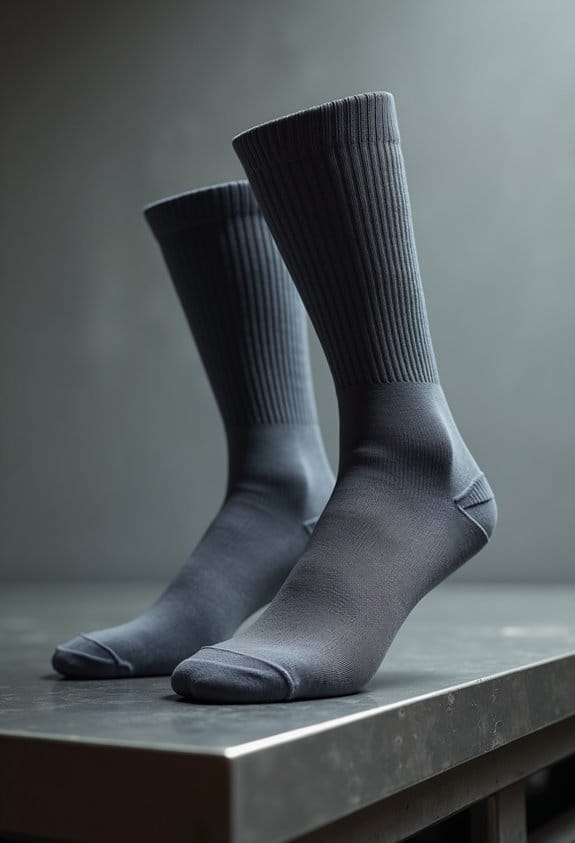
Compression socks improve leg circulation for standing jobs by applying graduated pressure, strongest at the ankle and decreasing upward, which supports veins and enhances blood flow. They reduce swelling and prevent fluid pooling, helping avoid discomfort and varicose veins. Socks also decrease muscle fatigue by stabilizing muscles and promoting faster recovery. Choose medical-grade socks with appropriate compression levels and follow care guidelines for best results. Exploring further reveals more about ideal use and benefits for different professions.
Key Takeaways
- Compression socks apply graduated pressure to improve blood circulation and reduce leg swelling during prolonged standing.
- They prevent blood pooling and varicose veins by supporting venous function for effective blood flow.
- Wearing compression socks alleviates leg fatigue and muscle soreness linked to standing jobs.
- Medical-grade compression (20-30 mmHg) enhances vein health and lowers the risk of circulatory complications.
- Regular use combined with ergonomic footwear maximizes comfort and reduces foot and leg discomfort.
How Compression Socks Improve Leg Circulation
When you wear compression socks, they apply graduated pressure that is strongest at the ankle and gradually lessens toward the upper leg. How do compression socks improve circulation? They help blood flow more effectively by supporting the veins and enhancing venous function, which assists the return of blood to the heart. This pressure also helps reduce swelling in the legs by preventing blood from pooling. Why are these benefits important for standing jobs? People who spend long hours on their feet often experience leg fatigue and discomfort due to poor circulation. Compression socks support leg muscles during these long hours, helping prevent symptoms like heaviness and soreness. Using graduated compression is key, as it maximizes blood flow and promotes overall leg health, reducing complications associated with poor circulation. In addition, wearing footwear with proper shock-absorbing midsoles can further enhance comfort and reduce fatigue during prolonged standing.
Recommended Products

15-20 mmHg Moderate Compression: Provides graduated compression support that gradually decreases up the leg to aid comfort and circulation

All-Day Support: With 15-20 mmHg of True Graduated Compression, Comrad Recycled Cotton Knee-High Compression Socks offer all-day comfort. These compression socks for men and women promote circulation and feature SmartSilver Odor Protection. Includes 3 pairs in Galaxy, Rose, and Stargazer. 60% Recycled Cotton / 32% Nylon / 5% Elastane/ 3% Poly

THIGH HIGH COMPRESSION: Sigvaris Essential Cotton compression thigh highs are a comfortable way to protect the feet and are ideal for travel and everyday wear. This incredibly comfortable design helps promote leg health.
Preventing Leg Swelling and Discomfort With Compression

Compression socks play an essential role in preventing leg swelling and discomfort for individuals who spend extended periods standing. How do compression socks help with leg swelling and discomfort? They apply graduated compression, offering the greatest pressure at the ankles and gradually decreasing upward, which helps promote blood flow. Why is this important for standing jobs? Prolonged standing can cause fluid to pool in the lower legs, leading to leg swelling and discomfort. What benefits does improved blood circulation provide? It reduces swelling, helps prevent varicose veins, and minimizes muscle fatigue associated with long hours on your feet. How should you use compression socks to maximize these benefits? Wear them regularly during standing jobs to maintain healthy circulation and alleviate discomfort throughout your shift. Additionally, choosing proper footwear with features such as ergonomic designs can further reduce foot fatigue and improve overall comfort during long shifts.
Recommended Products
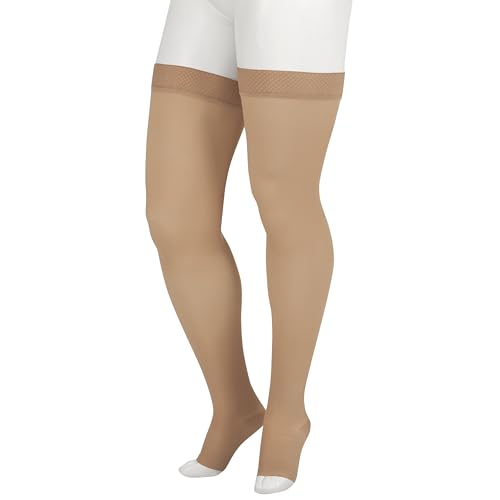
LIFESTYLE: Does poor circulation hold you back from enjoying activities like biking or working in the garden? Juzo’s medical compression garments are designed to help manage symptoms such as tired, achy legs, swelling, and spider or varicose veins—so you can stay comfortable, active, and keep moving.

All-Day Support: With 15-20 mmHg of True Graduated Compression, Comrad Nylon Knee-High Compression Socks offer all-day comfort. These compression socks for men and women promote circulation and help prevent sock odor with SmartSilver technology. Includes 3 pairs in Black/Rose/White. 91% Nylon / 9% Spandex.

Firm 20–30 mmHg Graduated Compression for All-Day Leg Support: Enjoy advanced 20–30 mmHg graduated compression built into this thigh-high style—ideal for women with long workdays, frequent travel, or standing/sitting for extended periods. Helps maintain leg circulation and delivers gentle, dependable support.
Reducing Muscle Fatigue and Soreness in Standing Jobs

Although standing for long periods can cause significant leg muscle fatigue and soreness, using compression socks offers a practical solution to this issue. How do compression socks reduce muscle fatigue in standing jobs?
- Compression socks apply graduated compression, which enhances blood flow and lowers muscle strain.
- Improved circulation helps prevent the build-up of lactic acid, a key factor in muscle soreness.
- The supportive design stabilizes muscles, reducing vibrations that contribute to fatigue.
- This combination promotes quicker recovery and increases endurance during long shifts.
- Additionally, selecting socks made from Moisture-wicking materials enhances comfort by keeping feet dry during extended wear.
Recommended Products

SHEERNESS AND SUPPORT: Featuring a sheer fabric with an elegant satin finish and a lightweight design. These garments provide medical compression therapy to manage fatigued legs, while ensuring comfort

OPAQUE PANTYHOSE: Sigvaris Style Soft Opaque compression pantyhose are a fashionable and soft compression style ideal for professional and everyday wear. This hosiery option helps promote leg health and pain relief from a range of symptoms.

OPAQUE PANTYHOSE: Sigvaris Style Soft Opaque compression pantyhose are a fashionable and soft compression style ideal for professional and everyday wear. This hosiery option helps promote leg health and pain relief from a range of symptoms.
Role of Compression Socks in Varicose Vein Prevention
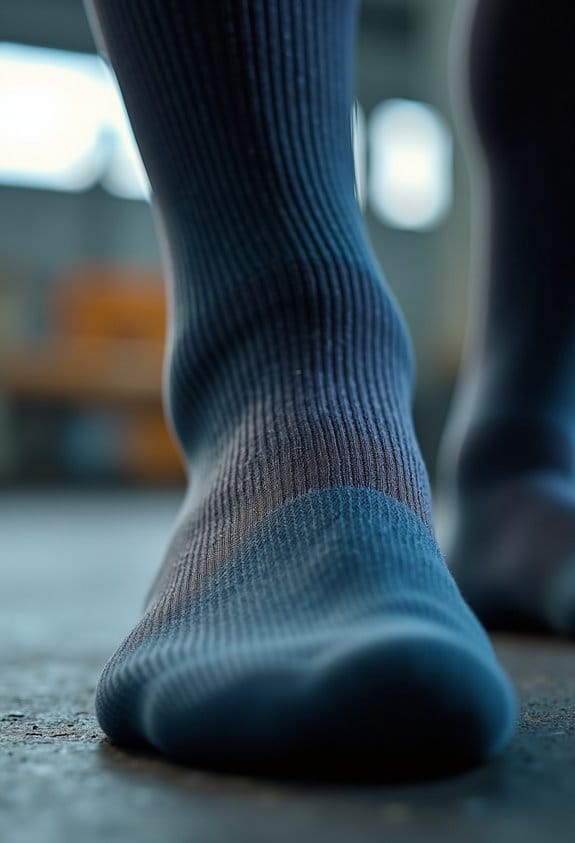
The prevention of varicose veins relies heavily on improving leg circulation, especially for individuals in professions that require long periods of standing. How do compression socks help prevent varicose veins?
- They apply graduated pressure that promotes healthy blood flow and venous circulation back to the heart.
- This reduces blood pooling and swelling, which are key contributors to varicose vein formation and chronic venous insufficiency.
- Medical-grade compression socks, with pressure levels of 20-30 mmHg, effectively lower the risk of developing varicose veins in standing jobs.
- Consistent use can also alleviate aching and discomfort caused by poor circulation.
- Additionally, choosing appropriate compression gear that offers slip resistance and durability can enhance safety and comfort during long shifts, complementing circulation benefits.
To protect your legs during long work hours, wearing compression socks is a practical strategy to improve circulation and prevent varicose veins before they progress.
Choosing the Right Compression Socks for Your Work Environment

Selecting appropriate compression socks for a standing job involves several key factors that directly impact their effectiveness and comfort throughout the workday. How can you choose the right pair?
- What pressure level suits standing jobs? Moderate compression (20-30 mmHg) helps reduce leg fatigue and swelling.
- Which design works best? Knee-high designs target lower legs effectively without extra bulk.
- What materials should you prefer? Moisture-wicking fabrics like nylon or merino wool keep feet dry and comfortable.
- How important is the proper fit? Measuring your legs and following size charts guarantees ideal circulation and comfort.
- Are stylish designs available? Yes, many brands offer options that match workplace dress codes while supporting leg health.
- Additionally, choosing footwear with slip-resistant soles can enhance safety and complement the benefits of compression socks during long standing shifts.
Recommended Products

THE SIGNATURE SLIPPER: House slipper or cozy slip-on? It’s hard to tell with the shearling-lined Ku‘i. Built with your comfort in mind, this leisure look is made to go from the couch to coffee run to surf check. The ultra-puffy shearling and modernized sole offer maximum comfort that’s sturdy enough to take on daily excursions.

THIS MEN’S SHOE IS FOR: The Glycerin StealthFit 20 is for runners who want a close-to-foot fit and extreme softness in every step — so they can get lost in the comfortable ride and run distraction-free.

SHEERNESS AND SUPPORT: Featuring a sheer fabric with an elegant satin finish and a lightweight design. These garments provide medical compression therapy to manage fatigued legs, while ensuring comfort.
Best Practices for Wearing and Caring for Compression Socks
When you begin wearing compression socks, it is best to put them on first thing in the morning before any leg swelling occurs, because they work most effectively on legs that are least swollen. How can you improve your circulation and care for these socks?
- Choose the right compression by consulting medical advice to determine the appropriate size and compression level, ranging from mild to firm.
- For easier wearing compression socks, try bunching them or using cornstarch.
- After use, wash the socks like regular socks but avoid harsh detergents.
- Always air drying preserves the elasticity and effectiveness the socks offer.
- If discomfort arises, consult a healthcare provider to verify proper fit.
Additionally, selecting gear with proper fit and support is essential to maximize comfort and reduce fatigue during long periods of standing.
Following these best practices helps maintain comfort and supports the circulation benefits compression socks provide.
Recommended Products
Protect your skis and outerwear and stay organized with two padded, cinch-top ski sleeves

[Premium Anti-Fatigue Floor Mat Cushion]: Designed for all-day comfort, this anti fatigue mat reduces pressure on your feet, legs, and back. Ideal as a standing mat for work, it provides the support you need during long hours on hard floors
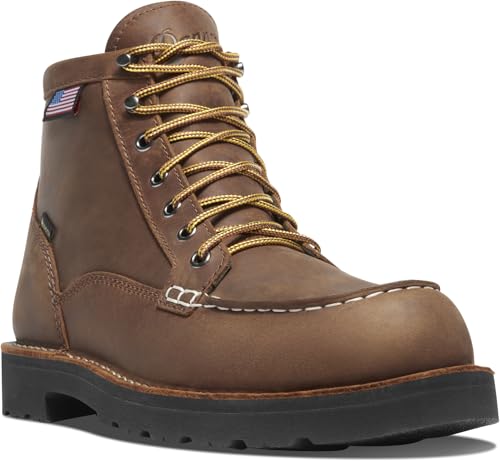
FULL-GRAIN LEATHER boots, oiled and water-resistant, these classic moc toe boots for men are rigorously tested for strength and durability, designed to mold perfectly to your foot
Specific Benefits for Professionals in Various Standing Occupations
After understanding how to wear and care for compression socks properly, it is important to explore how these benefits apply to professionals who spend long hours standing. How do compression socks help in standing jobs?
- Healthcare workers: Compression socks improve circulation and reduce leg fatigue, enabling longer shifts with less muscle soreness.
- Hospitality staff: They enhance blood flow by increasing oxygen-rich blood to the legs, helping prevent varicose veins and chronic venous issues.
- Retail employees: Compression socks provide muscle support and reduce swelling, minimizing tired and achy legs during work hours.
- Construction workers: Knee-high compression socks specifically reduce foot and leg swelling caused by heavy footwear and physical strain.
Additionally, wearing properly cushioned and supportive footwear with slip-resistant soles can further enhance safety and comfort during prolonged standing shifts.
Frequently Asked Questions
Are Compression Socks Good for People Who Stand All Day?
A nurse who wore compression socks reported improved blood flow, reduced foot fatigue, swelling reduction, and enhanced comfort levels. This led to better mobility, pain relief, improved leg health, and boosted workplace productivity and job performance.
Are Compression Socks Good for Standing Jobs?
Compression socks enhance blood flow, reduce leg swelling, and provide ergonomic support, improving comfort and decreasing fatigue. These health benefits contribute to better job performance and workplace productivity, making various sock styles ideal for daily wear in standing jobs.
Should I Wear Compression Socks if I Work on My Feet?
Wearing compression socks can improve blood flow and reduce foot swelling, enhancing comfort and job performance. Selecting proper sizing and breathable material, monitoring usage duration, and considering health advice alongside personal experiences optimizes compression benefits effectively.
Do Compression Socks Improve Circulation in Your Feet?
Like a gentle river guiding water downstream, compression socks enhance circulation improvement in the feet. Proper compression level, sock material, and fit reduce leg fatigue, boost blood flow, support foot comfort, promote health benefits, and improve job performance during daily wear.