As an Amazon Associate, we earn from qualifying purchases. Some links on this site are affiliate links at no extra cost to you. Our recommendations are based on thorough research and editorial judgment.


Common Foot Problems in Restaurant and Hospital Workers Linked to Footwear

Common foot problems in restaurant and hospital workers often result from prolonged standing and inappropriate footwear. You may experience plantar fasciitis, corns, calluses, bunions, and fungal infections due to poor arch support, tight fit, and damp conditions. Shoes lacking cushioning or slip resistance increase pain and injury risk. Proper footwear with arch support, cushioning, and breathability reduces these issues. You can also perform specific stretches and exercises to relieve discomfort. Explore further to understand prevention and care methods.
Key Takeaways
- Prolonged standing in these workers often causes plantar fasciitis due to inflammatory stress worsened by inadequate arch support in shoes.
- Ill-fitting footwear leads to bunions, corns, calluses, and increases risks of ingrown toenails and ankle sprains in fast-paced environments.
- Damp and non-breathable shoes elevate fungal infections, especially in humid restaurant and hospital settings, increasing skin irritation risk.
- Shoes lacking cushioning and anti-fatigue technology contribute to chronic foot fatigue, pain, and decreased job satisfaction among staff.
- Slip-resistant shoes without proper arch support and cushioning raise discomfort and foot condition risks despite preventing slips and falls.
Impact of Prolonged Standing on Foot Health
How does standing for long periods affect foot health? Prolonged standing increases pressure on the foot, often causing pain and fatigue. Healthcare and restaurant workers who stand for 8-12 hours face risks of conditions like plantar fasciitis and metatarsalgia. Constant standing on hard surfaces compresses joints and strains ligaments, leading to inflammation and discomfort, especially after resting. Key points include:
- Increased foot pain from tissue inflammation and joint stress
- Fatigue due to sustained weight-bearing without rest
- Development of chronic conditions if unsupported
To mitigate these effects, proper footwear with adequate support is essential. Using ergonomic shoes and incorporating foot care routines can reduce discomfort and prevent long-term damage. Employers and workers should prioritize these measures to maintain foot health during long standing shifts. Choosing shoes with contoured footbed support can help maintain proper foot alignment and reduce strain.
Types of Footwear and Their Effects

Footwear plays a significant role in managing the strain caused by prolonged standing, as it directly affects foot comfort and health during long shifts. What types of footwear best support foot health in occupational use? Shoes with adequate arch support help reduce the risk of plantar fasciitis and other foot conditions common in restaurant and hospital workers. How does cushioning impact foot discomfort? Proper cushioning and shock absorption minimize pressure on feet, preventing metatarsalgia and chronic pain from hard surfaces. What features improve footwear effectiveness? Footwear designed for occupational use often includes anti-fatigue technology to reduce tiredness during extended periods on your feet. Conversely, non-slip shoes essential for safety may lack these benefits, increasing foot discomfort. Choosing the right footwear with balanced support and comfort is key to maintaining foot health during long work hours. Additionally, selecting shoes with slip-resistant outsoles can significantly reduce the risk of workplace accidents while maintaining comfort.
Recommended Products
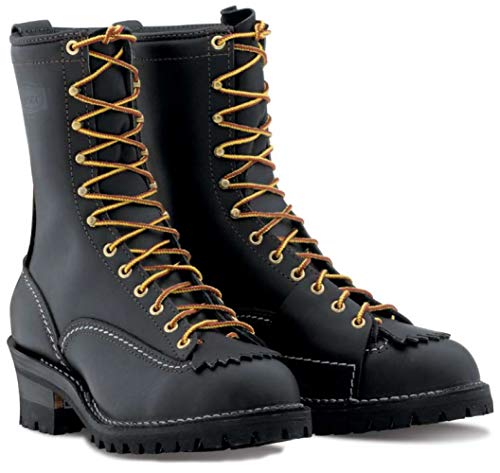
Wesco Highliner 10" Spur Climbing Lace-Up Boots – Oiled Leather, Lug Sole, Black USA-Made, Size 13 D
Premium Construction: The ultimate climbing boot worldwide, featuring 10 inches of 7 ounce oiled-leather top and foot for maximum durability and protection

EXTREME FULL-GRAIN LEATHER DURABILITY - Built with 2.8mm premium full-grain leather, these boots feature a one-piece vamp construction with no tongue seams, delivering superior abrasion resistance, enhanced waterproofing performance, and long-lasting durability in harsh, high-altitude and rugged terrain conditions
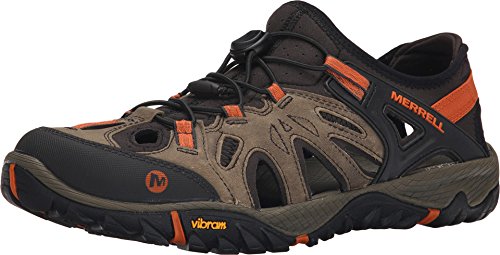
Bungee-lace water shoe featuring waxy waterproof leather and neoprene stretch collar for easy on and off
Common Foot Conditions in Restaurant Workers

A range of foot conditions frequently affect restaurant workers due to the nature of their job, which involves long hours of standing and walking on hard surfaces. What common foot conditions do restaurant workers face? Plantar fasciitis, caused by inflammation in the foot’s arch, is frequent due to prolonged standing and ill-fitting shoes. How do footwear choices impact foot health? Shoes lacking proper arch support and cushioning increase stress, leading to bunions, calluses, and corns. Which footwear features are recommended? Ideal footwear should include slip-resistant shoes with ample arch support and cushioning to reduce injury risks caused by slippery floors and repeated impact. What other concerns exist? Tight or damp shoes increase susceptibility to fungal infections, highlighting the importance of proper foot hygiene and breathable footwear in protecting foot health. Furthermore, selecting footwear with direct-attach construction enhances cushioning and minimizes footwear separation, which is crucial for prolonged comfort and durability in demanding work environments.
Foot Problems Frequently Seen in Hospital Staff

Restaurant workers share some foot health challenges with hospital staff, but the latter face distinct issues due to their unique work environment and physical demands. What foot problems do hospital staff commonly experience related to footwear and work conditions?
- Prolonged standing and walking during long shifts contribute to plantar fasciitis and Achilles tendinitis.
- Ill-fitting shoes often cause blisters, corns, calluses, and increase foot fatigue and discomfort.
- Repetitive movements like pivoting and pedal use strain foot muscles, leading to stress injuries.
- Exposure to damp environments raises risks of skin irritation and fungal infections.
- Hard flooring combined with job demands encourages chronic foot conditions that affect employee health.
How can understanding these problems help? Recognizing these issues promotes better footwear choices and supports overall foot health in hospital staff. Selecting shoes with strong slip resistance and proper arch support can significantly reduce the risk of injury and discomfort.
Risk Factors Related to Poor Shoe Fit

Several key factors related to poor shoe fit considerably increase the risk of common foot problems among individuals who spend long hours standing or moving. What risks do ill-fitting shoes pose? They cause excessive pressure, leading to bunions, corns, and calluses. How does arch support affect foot health? Poor arch support worsens plantar fasciitis, particularly in demanding jobs. What about tight shoes? Narrow footwear raises the chance of ingrown toenails, which may become painful. Can improper fit cause instability? Yes, it increases risks of ankle sprains in fast-paced environments. How does lack of cushioning affect workers? It contributes to chronic fatigue and discomfort, reducing job satisfaction. What should you focus on? Ensuring proper fit minimizes these risks, supporting foot health and workplace performance. Choosing footwear with proper arch support and cushioning can significantly reduce foot fatigue and related injuries.
Recommended Products


Role of Footwear Support and Cushioning
Footwear support and cushioning play essential roles in preventing foot pain and injury, especially for those who spend long hours standing in demanding settings like healthcare or hospitality. What features should proper footwear have? Key components include:
- Arch support to distribute pressure evenly across the foot.
- Shock-absorbing insoles that reduce impact and lower risks of plantar fasciitis.
- Slip-resistant soles to prevent falls on slippery floors common in these workplaces.
Why is maintenance important? Over time, cushioning and support wear down, so it is important to replace worn-out shoes regularly to avoid worsening foot problems or chronic pain. Can additional help be used? Customized orthotics provide specialized support tailored to individual foot mechanics, enhancing comfort and pressure relief during long shifts. Additionally, choosing footwear with breathability and moisture control helps reduce sweat buildup and risks of fungal infections during extended wear.
Recommended Products

DURABLE full-grain leather boots tested six different ways for strength, made in America and triple-stitched for longevity
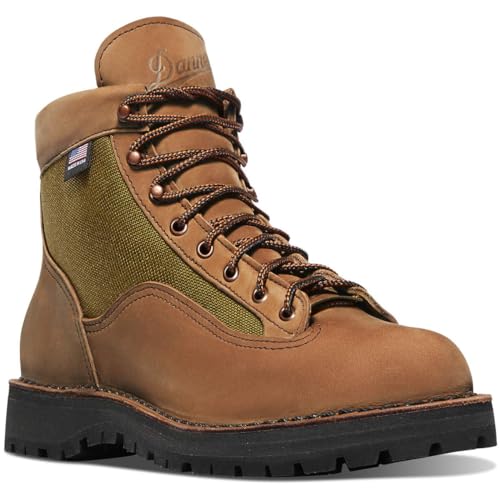
DURABLE men’s hiking boots crafted from a combination of premium full-grain leather and abrasion-resistant 1000 Denier nylon

DURABLE men’s hiking boots crafted from a single piece of full-grain leather tested six ways for strength
Preventive Foot Care Practices for Workers
A variety of preventive foot care practices are essential for workers who spend long hours standing or walking in demanding environments like hospitals and restaurants. What type of footwear supports foot health? Proper footwear with cushioned insoles, heel support, and good arch structure helps prevent plantar fasciitis and other foot problems. Why choose slip-resistant shoes? These reduce falls, a common hazard on slippery floors. How can you relieve muscle tension? Incorporate foot exercises into daily routines to boost circulation and reduce stiffness. Should you seek professional advice? Consulting a podiatrist for personalized shoe recommendations guarantees preventive foot care is tailored to your needs. Additionally, allowing feet to breathe by going barefoot occasionally limits fungal infections linked to prolonged damp footwear use. Selecting shoes with durable slip-resistant outsoles can further enhance safety and comfort during long shifts.
Recommended Products

Enhanced Workplace Safety - Our anti fatigue matting with a pebbled embossed design, creates an anti slip surface for dry applications where maintaining traction is crucial

DURABLE CONSTRUCTION—The dock box is made with a UV stable rotomolded polyethylene construction that will stand up to the harsh marine elements. Double walled lids for added strength although it is not recommended for sitting or standing on the lids

Upper: Heinen terracare Nubuck Leather
Exercises to Alleviate Foot Pain
In addition to selecting proper footwear, incorporating targeted exercises can help relieve foot pain caused by long periods of standing or walking. What specific exercises can alleviate discomfort in your feet? First, try toe curls and calf stretches to enhance flexibility and reduce stiffness. Rolling your foot on a tennis ball promotes blood flow and eases muscle tension quickly. Why is stretching important after shifts? Daily stretches, especially for the Achilles tendon, prevent tightness resulting from restrictive footwear. How often should you perform these exercises? Taking short breaks during work to stretch your feet can minimize chronic pain risks. Incorporating yoga can also improve overall body and foot flexibility, which supports comfort during prolonged standing. Combined with proper footwear, these exercises help maintain foot health and reduce pain effectively. Additionally, choosing shoes with memory foam cushioning enhances comfort and supports recovery after long hours on your feet.
Recommended Products

TOP-GRAIN LEATHER: Weilianda home theater seating is designed to provide the ultimate level of comfort and convenience for your movie and gaming experience. Made with top grain leather, this recliner chair is not only stylish but also incredibly durable and comfortable. The high-quality leather is soft to the touch and is easy to clean, ensuring that your seating will look great for years to come.

BUNDLE INCLUDES - GhostBed Signature 12" Hybrid mattress and custom adjustable power base

TOP Grain Leather: Weilianda home theater seating is designed to provide the ultimate level of comfort and convenience for your movie and gaming experience. Made with top grain leather, this recliner chair is not only stylish but also incredibly durable and comfortable. The high-quality leather is soft to the touch and is easy to clean, ensuring that your seating will look great for years to come.
When to Consult a Podiatrist
When should you seek professional help for foot issues? Consult a podiatrist if you experience persistent foot pain, especially during standing or walking for long periods. Pay attention to signs of bunions, corns, or calluses caused by ill-fitting footwear, which require proper treatment and expert advice on footwear choices. You should also see a podiatrist if you notice ingrown toenails or fungal infections, conditions common in restaurant and hospital workers. Additionally, seek care after an ankle sprain or any serious foot injury sustained in slippery conditions to guarantee correct recovery. Regular examinations help prevent chronic foot problems related to prolonged standing. Early consultation supports peak foot health, maintains comfort in demanding work environments, and reduces risks of worsening foot conditions. Choosing shoes with slip-resistant features can also help prevent injuries and chronic pain related to workplace hazards.
Frequently Asked Questions
What Are the Common Foot Problems for Servers?
Though often overlooked, servers routinely experience foot pain from plantar fasciitis, heel spurs, and bunion formation. Poor shoe fitting and inadequate arch support lead to metatarsal stress, blisters, ingrown toenails, and chronic foot fatigue in demanding shifts.
What Are the Common Foot Problems for Chefs?
Chefs often experience foot pain, heel discomfort, and plantar fasciitis due to prolonged standing. Orthotic support, arch support, compression socks, proper shoe materials, workplace ergonomics, and daily foot care are essential to alleviate foot fatigue effectively.
What Type of Shoes Should Be Worn When Working in the Foodservice Industry?
In the garden of bustling kitchens, slip-resistant shoes bloom with cushioned soles and comfortable insoles. Lightweight designs embrace arch support, breathable materials, waterproof options, and professional appearance. Style versatility and trusted brand recommendations complete this essential ensemble.
What Is the Most Common Foot Injury in the Workplace?
The most common foot injury in the workplace is plantar fasciitis, often accompanied by symptoms such as bruised heels, bunion pain, calluses formation, corns development, neuroma issues, stress fractures, flat feet complications, Achilles tendonitis, and occasional sprained ankles.