As an Amazon Associate, we earn from qualifying purchases. Some links on this site are affiliate links at no extra cost to you. Our recommendations are based on thorough research and editorial judgment.

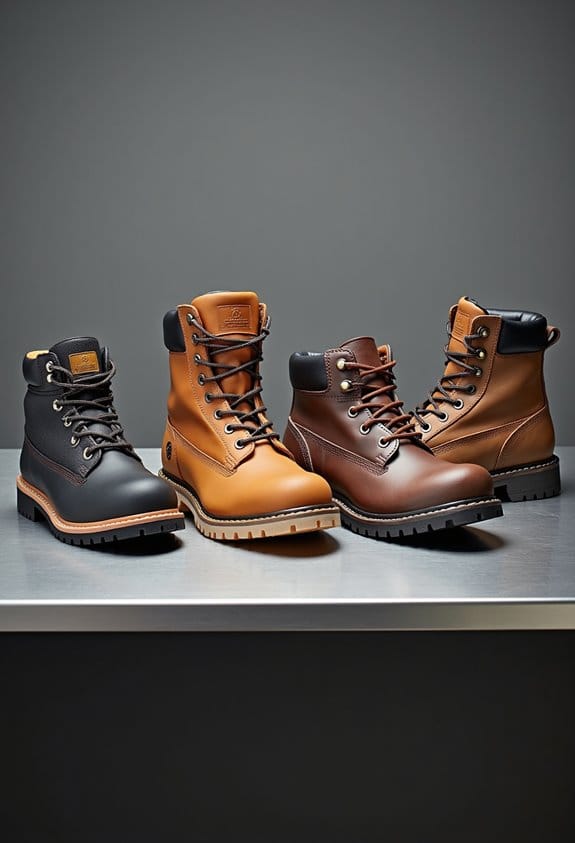
How Climate and Geography Influence Occupational Footwear Preferences

Climate and geography shape occupational footwear by determining key material and design choices. For example, tropical climates require breathable fabrics like bamboo and mesh for airflow and moisture control. Cold regions need insulation such as Thinsulate and waterproof membranes like Gore-Tex to keep feet warm and dry. Rugged terrains demand deep tread soles for traction, while humid areas benefit from moisture-wicking linings. Understanding these factors helps you select footwear that balances safety, comfort, and style for your specific environment. More details follow on adapting footwear to your work setting.
Key Takeaways
- Footwear materials vary by climate, using breathable fibers in tropical areas and insulated, waterproof layers in cold or snowy regions.
- Slip-resistant soles and deep treads are preferred in wet, icy, or rugged terrains for occupational safety.
- Moisture-wicking linings and breathable fabrics enhance comfort in humid workplaces by preventing sweat accumulation.
- Urban professionals favor versatile, stylish footwear with advanced waterproof technology suitable for variable metropolitan climates.
- Geographic-specific designs balance climate adaptation, protection, and aesthetic appeal to meet diverse occupational demands.
The Impact of Tropical Climates on Footwear Materials
How do tropical climates influence the choice of materials in occupational footwear? In hot, humid environments, breathable materials are essential to reduce moisture retention and increase comfort. When selecting footwear, consider these factors:
- Use raw materials like natural fibers—cotton and bamboo—for their airflow and sweat-wicking properties, supporting sustainable practices.
- Choose synthetic materials such as mesh or lightweight plastics, which dry quickly and offer durability despite frequent moisture exposure.
- Opt for non-slip soles made from rubber or similar compounds to improve grip on wet, slippery surfaces, enhancing safety.
- Select vibrant colors and patterns reflecting local culture and improving visibility under bright sunlight.
Additionally, incorporating slip-resistant rubber outsoles with deep tread lugs can significantly enhance safety on wet surfaces, which is critical in tropical work environments.
These material choices balance comfort, safety, and environmental responsibility, making them well-suited to occupational footwear in tropical climates.
Footwear Adaptations for Cold and Snowy Regions

While tropical climates demand breathable and moisture-wicking footwear materials, cold and snowy regions require specialized adaptations to maintain warmth, dryness, and safety. What features define effective boots in these harsh environments?
- Insulation materials like Thinsulate retain heat, while waterproof membranes such as Gore-Tex prevent moisture infiltration.
- Deep tread patterns improve traction on ice and snow, essential for safe working conditions in construction or outdoor labor.
- Steel or composite toe caps provide protection against impacts and heavy objects, meeting safety standards.
- Breathable, moisture-wicking linings avoid sweat buildup, keeping feet dry during long hours in freezing temperatures.
- Compatibility with thermal socks further enhances insulation and comfort.
Selecting boots with slip-resistant outsoles and durable waterproof fabrics ensures enhanced safety and longevity in extreme winter work conditions.
Designing Shoes for Rugged and Uneven Terrains

Because rugged and uneven terrains present constant challenges to foot stability and protection, footwear designed for these conditions incorporates several critical features. What materials are best for rugged footwear? Durable leather is often used for its water resistance and abrasion protection. What sole designs improve grip? Specialized traction soles provide stability on slippery or rocky surfaces, reducing slip risks. How do these shoes protect your feet? Reinforced toe caps guard against impacts, while cushioning insoles add comfort during long wear. Is breathability important? Yes, lightweight, breathable linings help manage moisture and temperature to maintain foot health. How is flexibility balanced with support? Brands combine flexibility and stiffness to allow movement while ensuring stability on rough ground. Additionally, features such as steel toe protection and slip-resistant outsoles are critical safety components to mitigate workplace injuries in demanding environments.
Balancing Comfort and Safety in Humid Environments

Footwear selection in humid environments requires balancing comfort with safety to prevent discomfort and injury during long work shifts. What materials provide comfort in such climates? Lightweight, breathable options like premium leather or mesh fabrics allow air circulation and reduce moisture buildup. How do these designs maintain dryness? Moisture-wicking linings help keep feet dry and comfortable despite sweating. What safety features are critical? Slip-resistant soles reduce the risk of falls on wet surfaces, while protection elements like steel toe caps and electrical hazard resistance are essential in hazardous workplaces. Additionally, wearing bamboo socks improves temperature regulation and moisture control, further enhancing comfort. Combining these features guarantees footwear meets occupational demands, offering both comfort and necessary protection in humid conditions. It is also important to verify that boots meet recognized safety certifications to ensure adequate protection and performance.
Regional Styles Influenced by Urban and Rural Settings
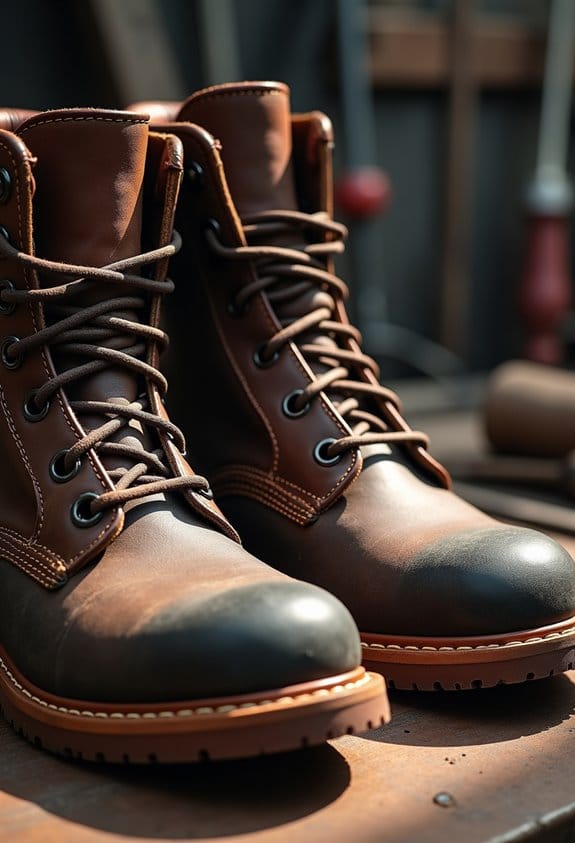
As regional environments and lifestyles vary, urban and rural settings strongly influence occupational footwear styles across the United States. How do these differences shape footwear choices? Consider these regional distinctions:
- East Coast urban areas favor versatile footwear like polished loafers and sleek ankle boots, suitable for work and social events.
- Southern regions prefer breathable, comfortable options such as cowboy boots and sandals, balancing practicality with warmth.
- The Midwest emphasizes durable, affordable footwear like sturdy hiking boots and classic sneakers, serving changing outdoor needs.
- West Coast casual chic incorporates sustainable sneakers and trendy slip-ons, inspired by surf and skate culture.
Brands blend urban influence with rural heritage, creating styles that meet cultural preferences and environmental demands. Understanding these variations helps you select footwear that supports occupational needs while respecting regional identities. For colder climates and demanding terrain, integrating insulated tactical boots with advanced insulation and waterproofing ensures both warmth and durability in occupational footwear.
How Seasonal Weather Variations Affect Footwear Choices
When seasonal weather conditions vary greatly, individuals must select footwear that adapts to changing environments to maintain comfort and safety. How do seasonal weather variations influence footwear choices? Key considerations include:
- Material: In warm climates, breathable sandals are preferred; in cold, insulated, waterproof boots are essential.
- Environmental factors: Footwear must handle humidity, temperature shifts, and precipitation to suit seasonal demands.
- Versatility: Areas with extreme seasons require durable, all-weather designs to guarantee protection year-round.
- Regional examples: The South favors lightweight sandals and cowboy boots, while the Midwest opts for hiking boots and snow-ready footwear.
- Safety features: Work boots often include slip resistance and thermal insulation tailored to specific seasonal challenges.
Additionally, composite toe protection is an important feature in occupational boots to provide safety without added weight, enhancing usability in various climates.
Innovations in Footwear for Diverse Occupational Needs
Numerous innovations have transformed work boots to better meet the diverse needs across various occupations, blending comfort, safety, and sustainability. What key advancements define modern occupational footwear? First, materials now include light, breathable fabrics with moisture-wicking linings and temperature regulation, ensuring comfort in varying climates. Second, safety features such as slip-resistant soles and electrical hazard protection reduce workplace risks. Third, sustainable practices are integral, with manufacturers using recycled and biodegradable materials to minimize environmental impact. How do these changes affect functionality? They create versatile, durable boots suitable for different jobs and weather. Additionally, athletic footwear technologies influence design, making boots that support foot movement while maintaining protection. Multifunctional styles also allow smooth shifts from work to leisure, meeting the needs of urban professionals seeking practicality without sacrificing appearance. A critical advancement also involves the use of specialized waterproof membranes that block water ingress while allowing sweat vapor to escape, enhancing both protection and breathability.
Frequently Asked Questions
What Is the First Factor You Must Consider When Selecting the Proper Footwear for Your Job?
The first factor to evaluate when selecting proper footwear is the specific job requirements, ensuring appropriate foot protection. This includes assessing environmental hazards and safety standards to match footwear features with the demands and risks of the workplace.
What Are the Challenges of the Footwear Industry?
The footwear industry faces challenges including material sustainability concerns, extensive environmental impact, and complex supply chain issues. Additionally, poor labor conditions and pollution from tannery operations further complicate efforts toward ethical, eco-friendly production practices.
What Footwear Is Best for Hot Weather?
In the desert dance of heat, footwear crafted from breathable materials acts as a refuge, channeling moisture management like a river through arid land, ensuring feet remain cool, dry, and steady amid relentless warmth and shifting sands.
How Do Shoes Affect the Environment?
Shoes substantially affect the environment through extensive water use, greenhouse gas emissions, and landfill waste. Utilizing sustainable materials and innovative recycling programs can reduce this environmental impact, promoting a more eco-friendly footwear industry.