As an Amazon Associate, we earn from qualifying purchases. Some links on this site are affiliate links at no extra cost to you. Our recommendations are based on thorough research and editorial judgment.


Standing All Day vs. Walking All Day: Different Footwear Needs

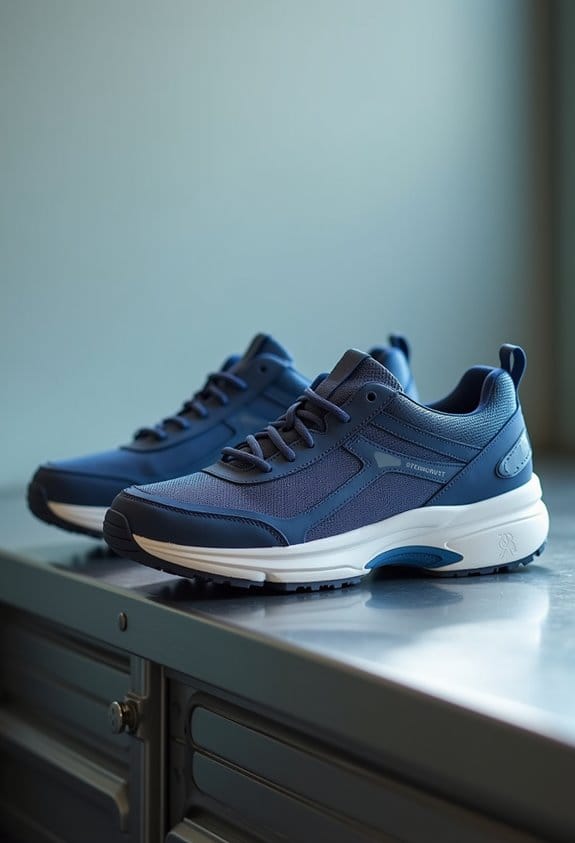
When choosing footwear for standing all day, look for shoes with excellent cushioning, strong arch support, roomy toe boxes, and slip-resistant soles to reduce fatigue and increase stability. Walking shoes prioritize flexibility, high shock absorption, breathability, and lighter materials to support natural foot movement and joint protection during long walks. Both types need durable construction and proper fit for safety and comfort. Understanding these differences helps you select the right shoe for your needs, with more insights available on key features and fitting tips.
Key Takeaways
- Standing shoes prioritize cushioning, arch support, and slip-resistant soles to reduce fatigue and enhance stability during prolonged standing.
- Walking shoes emphasize flexibility, shock absorption, and lightweight materials to support dynamic movements and efficient foot roll.
- Proper arch support and roomy toe boxes are essential in standing shoes to prevent discomfort from swelling and maintain foot alignment.
- Walking shoes require high shock absorption and breathability to protect joints and regulate temperature during extended motion.
- Durable outsoles with stable heel construction ensure safety and prolonged comfort tailored to either standing or walking activities.
Understanding the Differences Between Standing and Walking Shoes
When choosing footwear for long periods of standing compared to walking, it is important to understand the distinct design priorities that affect comfort and support. What makes proper footwear for standing all day different from walking all day? Standing shoes focus on cushioning and arch support to reduce foot fatigue caused by prolonged pressure. They often have a wider base and slip-resistant outsole to enhance stability and prevent falls in demanding environments. In contrast, walking shoes emphasize flexibility and shock absorption to support dynamic foot movements. They feature lighter, breathable materials and designs that facilitate natural foot roll. For example, standing shoes like the Hoka Bondi 9 provide maximum cushioning and stability, while walking shoes such as the ASICS Gel Kayano 32 balance cushioning with responsiveness for forward motion. Understanding these differences guides you to choose footwear that matches your activity. Additionally, slip-resistant outsoles with deep tread patterns are crucial for safety and stability in standing footwear used in slippery environments.
Key Features of Shoes for Prolonged Standing

Although shoes for standing all day share some similarities with other footwear, their key features target prolonged comfort and support under constant pressure. What should you look for in shoes designed for this purpose?
- Good arch support and effective arch support keep your feet properly aligned, reducing fatigue and discomfort.
- High shock absorption, with cushioning designed to absorb impact, lessens strain on joints during long periods of standing.
- A roomy toe box prevents pinching and accommodates natural swelling over the day, enhancing comfort for all-day wear.
- Slip-resistant outsoles, ideally with a friction coefficient of at least 0.45, offer safety on various surfaces.
- Stable heel construction supports balance and reduces foot collapse.
Choosing footwear with these features helps minimize foot fatigue and discomfort during extended standing hours. Additionally, boots with shock-absorbing soles can improve comfort by reducing the impact transmitted to your feet.
Recommended Products

The Crossfire 3 TA is for those riders who prefer the feel of a sewn on sole vs. the more firm SR version.

The ASICS Novablast 5 is a shoe designed for medium-weight runners. Both the technologies and materials with which they have been designed guarantee excellent cushioning and safety, without neglecting stability.
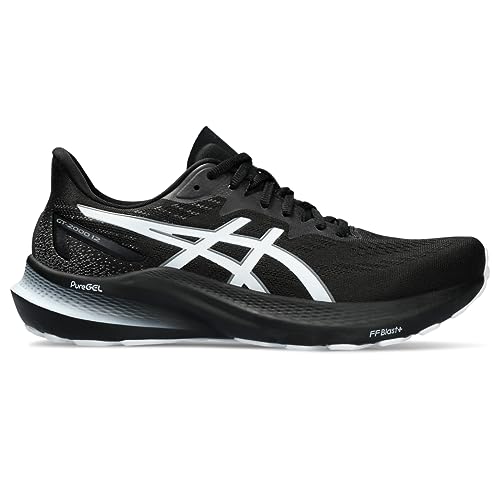
Jacquard mesh upper: Offers a supportive and comfortable kickstand
Essential Characteristics of Shoes for Extended Walking
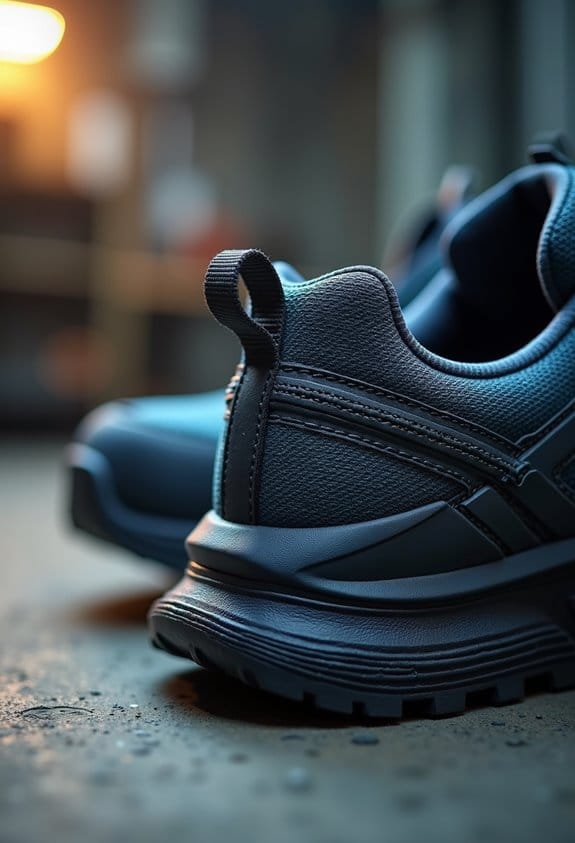
Selecting shoes for extended walking requires attention to specific features that protect your feet from impact and provide lasting comfort over long distances. What should you look for? First, prioritize high shock absorption, especially in the heel, with ratings above 110 SA to reduce joint stress. Next, consider cushioning softness; choose softer midsoles—ideally under 20 HA—for improved comfort on hard surfaces. How important is stability? A wide platform, such as a 116.9 mm base seen in models like the Hoka Clifton 10, offers excellent support and stability to maintain balance. Additionally, breathability guarantees airflow to prevent overheating, while flexibility scoring around 14.7N allows natural foot movement. Combining these attributes delivers optimized comfort for walking, contributing to a healthier, pain-free stride. It is also essential to ensure proper fit and support through features like cushioned insoles and arch support for extended wearability.
Recommended Products

Lace-up hiking boot featuring D-ring eyelets and speed-lacing hardware

Polypropylene fiber system dries quickly and is suitable for indoor or outdoor use
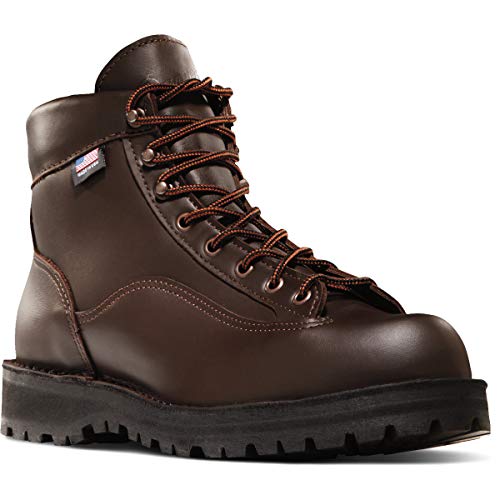
GORE-TEX waterproof breathable lining.
The Role of Cushioning in Standing vs. Walking Footwear

Understanding the role of cushioning in standing versus walking footwear is essential for choosing the right shoes that match your activity needs. How does cushioning differ for standing versus walking footwear?
- For standing, cushioning focuses on comfort through shock absorption, reducing strain from constant pressure. Soft midsoles rated 20 HA or less provide maximum comfort by absorbing impact and preventing fatigue.
- For walking, cushioning balances shock absorption and responsiveness to support forward movement. Shock absorption scores above 110 help protect against impact while allowing flexibility.
- Standing footwear, such as the STAND+ AntiGrav series, emphasizes long-lasting cushioned support for static positions.
- Walking shoes require cushioning that aids energy return and movement efficiency while maintaining proper shock absorption.
Choosing footwear with appropriate cushioning helps guarantee effective support tailored to either standing or walking activities. Incorporating shock-absorbing soles also enhances stability and reduces fatigue for prolonged tasks.
Recommended Products

EXCLUSIVE WARRANTY: Experience unmatched assurance with our unique warranty, a rare offering in the massage chair industry. This covers all mechanical and electrical components, ensuring your investment is protected for a long time relaxation and comfort.

sku=36768103-6

Sturdy Frame Construction: To ensure sturdiness, we use fully welded metal frame, which not only increases the thickness of the frame but also raises the chair's load-bearing capacity to 400lbs. Surface wrapped with PE rattan specially designed for outdoor use, which not prone to rust & easier to maintain.
Importance of Stability and Support for All-Day Wear

Stability and support are essential for maintaining foot health and comfort during all-day wear, especially when standing or walking for extended periods. Why are stability and support important? They prevent foot collapse and reduce injury risks by ensuring proper foot alignment. How can you identify shoes with good stability and support? Look for features like a wide platform, stable heel, and midfoot support, similar to the ASICS Gel Kayano 32. What role does arch support play? Adequate arch support, as found in the Hoka Clifton 10, helps distribute pressure evenly and reduces muscle fatigue. Why is cushioning necessary? Cushioning, measured in shock absorption scores like the New Balance Fresh Foam X More v6’s SC score of 152, enhances comfort. A roomy toe box also promotes foot health by allowing natural toe movement and accommodating swelling. Additionally, footwear with shock-absorbing foam midsoles can lessen joint impact, further enhancing comfort during prolonged use.
Recommended Products


ECCO rich two-tone yak leather, made in our own tanneries, offers a smooth, yet durable finish
How Foot Conditions Influence Shoe Selection
Different foot conditions require specialized shoe features to guarantee comfort and prevent further issues during standing or walking. How do you choose the right footwear based on foot conditions? Consider these guidelines:
- Flat feet need shoes with strong arch support and stability, such as the ASICS Gel Kayano 32.
- If plantar fasciitis affects you, prioritize shock absorption like that found in New Balance Fresh Foam X More v6.
- For high arches, search for extra cushioning and flexibility; Hoka Clifton 10 provides both with high shock absorption.
- Foot deformities like bunions require roomy toe boxes and soft materials, exemplified by Birkenstock Boston Clogs.
- Wide or narrow foot shapes call for brands offering extended sizes, such as New Balance’s wide options.
Shoe selection based on these criteria enhances comfort for all-day wear and respects individual foot shape. In cold or wet environments, choosing footwear with effective insulation and waterproofing is essential to keep feet warm and dry, preventing discomfort and injury.
Evaluating Flexibility Needs for Standing and Walking Shoes
How does flexibility affect the performance of shoes designed for standing versus walking? When you need footwear for standing and walking, consider these points:
- Standing shoes usually feature a rigid construction. This provides stability and reduces fatigue by offering proper arch support and cushioning.
- Walking shoes require more flexibility to allow natural foot motion, which improves shock absorption and energy return during each step.
- A stiffer midsole suits standing footwear better as it supports foot health over long periods without much movement.
- Flexible midsoles in walking shoes pass bend tests, supporting smooth changes and reducing strain.
- Shoes designed for standing focus on cushioning and stability, while walking models often include rocker soles for efficient foot movement.
Choosing based on these flexibility needs helps maintain foot health and increases comfort in your daily activities. It is also important to consider slip-resistant technology to ensure safety while standing or walking in various work environments.
The Impact of Breathability and Temperature Control
A critical factor in footwear comfort during standing or walking is breathability, which helps regulate temperature and moisture inside the shoe. Why is breathability important? Without proper airflow, heat buildup occurs, causing your feet to become hot and sweaty. This discomfort can compromise foot health by increasing the risk of blisters and fungal infections, especially during prolonged standing or walking. How can temperature control improve performance? Shoes with good breathability reduce sweat, keeping your feet cooler and less fatigued, which promotes better focus on long shifts. What should you consider when choosing footwear? Select shoes with higher breathability ratings, as models with low ratings (like 2/5) tend to trap heat and lower comfort. Prioritizing ventilation supports both comfort and overall foot health during extended wear. Additionally, choosing boots with waterproofing features helps maintain foot dryness and comfort in wet conditions.
Durability Considerations for Long-Term Use
Durability plays an essential role when selecting footwear for standing or walking throughout the day. What factors contribute to durability in shoes designed for long hours? First, high-quality materials are necessary to resist wear and tear on abrasive surfaces. Next, cushioning that absorbs shock is critical for maintaining comfort and support over time. How does reliable traction affect durability? Shoes with durable soles provide consistent grip, enhancing safety while extending the footwear’s lifespan. Why is ongoing assessment important? Regularly checking cushioning prevents unnoticed breakdowns that can reduce support. Finally, shoes built for supportive walking combine robust construction with cushioning to withstand pressure throughout long hours. Selecting durable footwear from reputable brands reduces replacement frequency and maintains foot health during extended daily use. Additionally, proper maintenance including regular cleaning and conditioning is vital to preserving the waterproof performance and lifespan of durable footwear.
Specialty Shoes for Work Environments
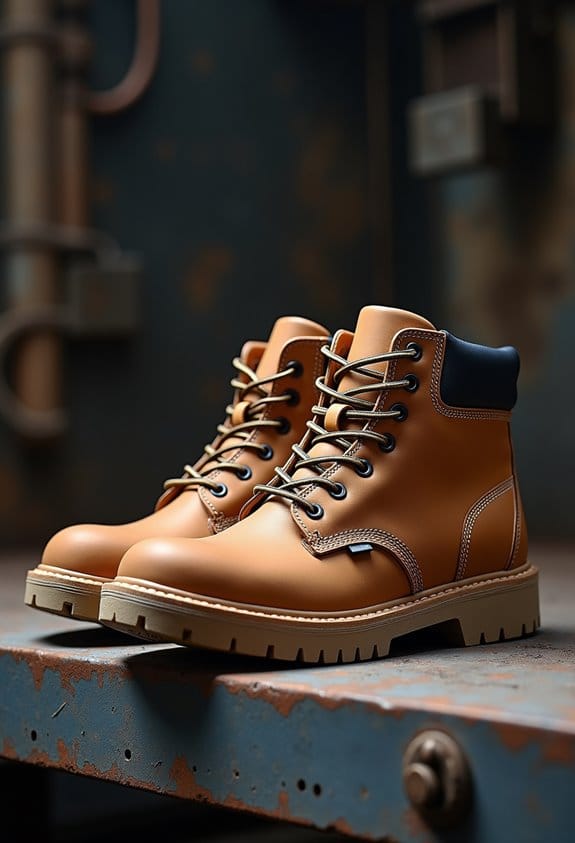
When selecting footwear for work environments that require standing or walking for long periods, specific features must be considered to meet the demands of the job. What makes good work shoes suitable for all-day wear? They include slip-resistant outsoles to reduce falls and durable materials for long-lasting use. Why is arch support important? It maintains proper foot alignment, reducing fatigue during extended shifts. How does cushioning help? A cushioned footbed with a foam midsole absorbs shocks, easing strain on hard surfaces. What about comfort? Shoes with a roomy toe box accommodate swelling, preventing pain. To summarize, comfortable work shoes combine arch support, cushioning, and durability to guarantee feet stay protected and comfortable while standing or walking throughout the day. Additionally, footwear designed with reinforced, slip-resistant soles ensures safety and durability in rugged work environments.
Recommended Products

2 top straps with buckles and instep buckle with nickel plated hardware

Motorcycle-Ready Design: 11-inch pull-on design built for motorcycle enthusiasts seeking reliable performance and protection.
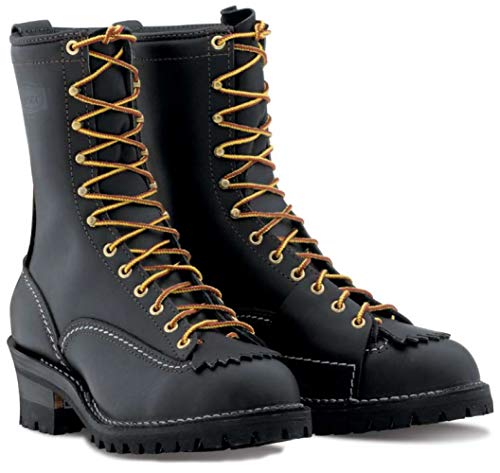
Wesco Highliner 10" Spur Climbing Lace-Up Boots – Oiled Leather, Lug Sole, Black USA-Made, Size 13 D
Premium Construction: The ultimate climbing boot worldwide, featuring 10 inches of 7 ounce oiled-leather top and foot for maximum durability and protection
Tips for Choosing the Perfect Fit for Standing and Walking
Although finding the perfect fit for standing and walking footwear can be challenging, focusing on key features assures comfort and foot health during extended use. What should you consider when selecting shoes?
- Cushioning and arch support are essential for standing; shoes like the STAND+ AntiGrav1 reduce foot strain by absorbing shock.
- For walking, prioritize high shock absorption and stability, as seen in the Hoka Clifton 10, which also offers a wide base.
- How do you ascertain proper fit? Choose footwear with a spacious toe box to accommodate swelling and maintain comfort.
- What about safety? Check for durability and slip resistance, ideally with friction coefficients of at least 0.45, to prevent accidents during standing.
- Finally, consider breathability to avoid heat buildup, especially for walking shoes used long-term.
Frequently Asked Questions
What Are the Best Shoes to Wear for Standing and Walking All Day?
The best shoes for standing and walking all day combine comfortable footwear, arch support, varied cushioning types, moderate heel height, lightweight materials, and shoe breathability to promote ideal foot health and reduce fatigue during extended activity periods.
How Often Should You Replace Your Shoes if You Stand All Day?
A factory worker replaced shoes every eight months after noticing foot pain. Regularly monitoring shoe lifespan, cushioning technology, arch support, insoles impact, and ensuring proper fitting with shoe rotation sustains foot health during prolonged standing shifts.
Is Wearing a Different Pair of Shoes Every Day Bad for Your Feet?
Wearing different shoes daily offers shoe rotation benefits, enhancing footwear durability and pressure distribution effects. This daily shoe variety supports injury prevention strategies, improves foot health impact, and emphasizes arch support importance, preventing strain from prolonged use of one pair.
Which Type of Shoes Are Recommended to Reduce the Fatigue From Standing All Day?
A nurse chose arch support shoes with advanced cushioning technology and durable insoles importance, optimizing heel height considerations and breathability factors. This improved weight distribution minimized fatigue, illustrating how material durability enhances comfort during prolonged standing.