As an Amazon Associate, we earn from qualifying purchases. Some links on this site are affiliate links at no extra cost to you. Our recommendations are based on thorough research and editorial judgment.


Using Lacing Techniques to Improve Fit and Reduce Pressure Points

Using lacing techniques to improve fit and reduce pressure points helps accommodate different foot shapes and comfort needs. For example, volume lacing eases top-of-foot pressure for high arches, while forefoot volume lacing relieves tightness in wider feet or bunions. Heel lock lacing prevents slippage by securing the heel, and midfoot locks stabilize narrow feet. Skipping eyelets can widen tight areas. Combining these methods creates a customized fit that improves support and reduces discomfort. Explore further for detailed lacing patterns tailored to specific concerns.
Key Takeaways
- Volume lacing creates extra space to reduce pressure, ideal for high arches or wide forefeet.
- Lock lacing secures the heel firmly, preventing slippage and enhancing stability.
- Skipping eyelets widens the toe box, alleviating pressure on the top of the foot.
- Midfoot lock lacing prevents foot sliding and improves overall shoe support.
- Combining lacing techniques customizes fit and relieves pressure points specific to foot shape and activity.
Customized Lacing Strategies for Different Foot Shapes
When considering different foot shapes, customized lacing strategies can greatly improve shoe fit and comfort. How can lacing reduce pressure points for various feet?
- High arches benefit from volume lacing, which adjusts lace tension to ease instep pressure.
- A wider forefoot or bunions are accommodated with forefoot volume lacing, using vertical lace runs to allow extra room.
- Lock lacing secures the heel, minimizing slippage and increasing stability during movement.
- For narrow feet, midfoot lock lacing prevents foot sliding and reduces toenail trauma risk.
Why combine lacing techniques? Doing so creates personalized adjustments tailored to your foot shape, improving overall fit, reducing pressure points, and enhancing comfort. Proper lacing techniques are essential tools to optimize shoe performance for differing foot anatomies. Additionally, incorporating footwear with an EVA midsole can further alleviate pressure points by providing superior cushioning and flexibility during movement.
Techniques for Alleviating Pressure on the Top of the Foot
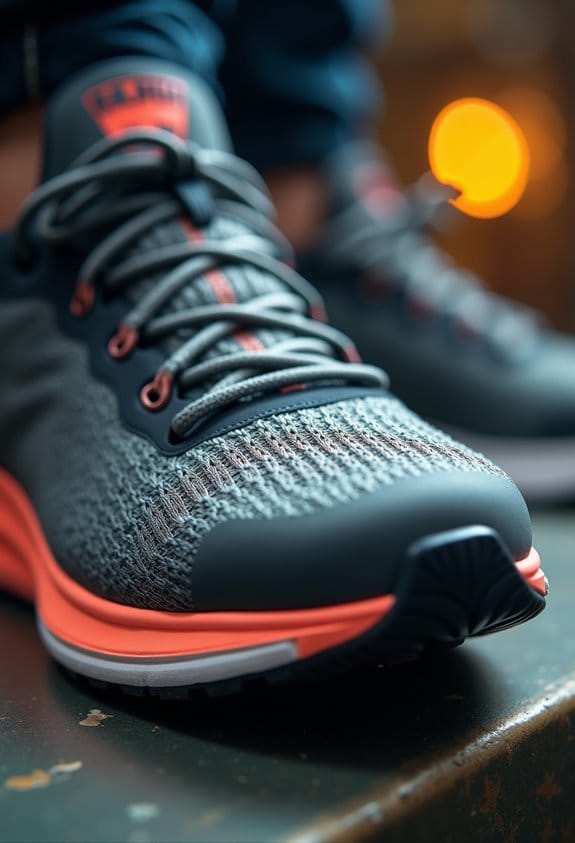
Customized lacing strategies for different foot shapes often focus on improving fit by adjusting tension and volume. How can you use shoe lacing techniques to reduce pressure on the top of the foot? Consider these methods:
- Use volume lacing to create more space inside the shoe, easing pressure for high arches or wider feet.
- Apply parallel patterns like Lydiard lacing to spread lace tension evenly, preventing tight spots on the instep.
- Thread laces vertically where discomfort occurs, maintaining snugness around the heel and toes.
- Incorporate single diagonal threading to lift the shoe’s front, reducing friction and pressure on sensitive toes.
- Skip eyelets strategically to widen the toe box and relieve top-of-foot pressure.
These techniques help you improve shoe comfort while preserving support. Additionally, selecting shoes with cushioned insoles and memory foam cushioning can further alleviate pressure points and enhance overall comfort during extended use.
Recommended Products

ATS technology provides ergonomic support whether you're on your feet or in the saddle

10″ of 7-ounce black oil tanned leather

The La Canadienne Jack boots are knee-high suede boots featuring a square toe silhouette, comfortable block heels, an interior zippered side closure, and an elastic insert on the side. Their City Dry technology features waterproof Italian suede and a
Solutions for Wide Forefoot Discomfort
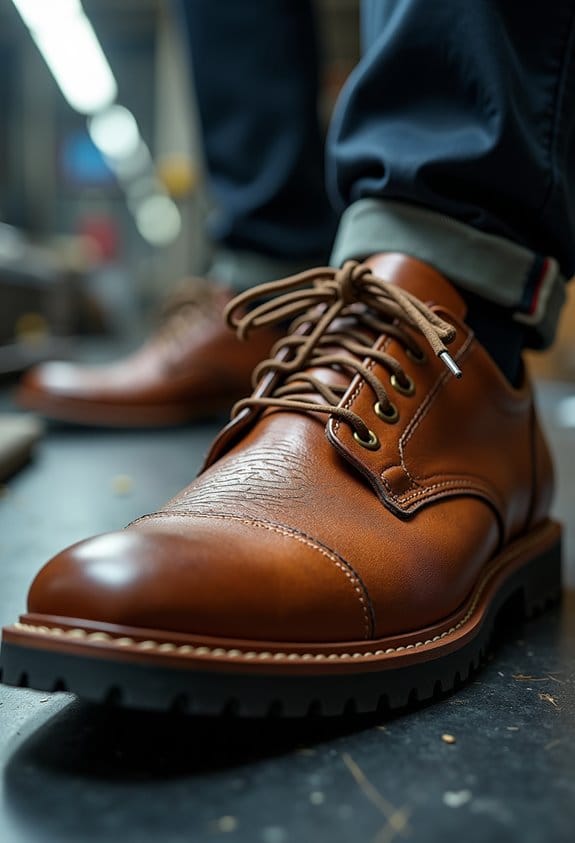
Although wide forefoot discomfort can make wearing shoes difficult, specific lacing methods offer effective solutions to relieve pressure and improve fit. What lacing technique helps with a wide foot and forefoot pressure? Forefoot Volume Lacing reduces tightness by stringing laces vertically near the forefoot, avoiding tight crossings in this area. How does this technique ease discomfort? It creates more space, minimizing pressure on sensitive areas like bunions or neuromas. What are its benefits? Pressure is evenly distributed across the forefoot, which helps prevent painful hotspots and reduces break-in time. How can you secure the shoe without adding pressure? Maintaining vertical lacing near the forefoot while cross-lacing at the top stabilizes the fit yet allows free toe movement. This method improves comfort for wider feet effectively. Additionally, boots designed with neoprene uppers provide flexibility and an adaptive fit that complements this lacing technique.
Recommended Products
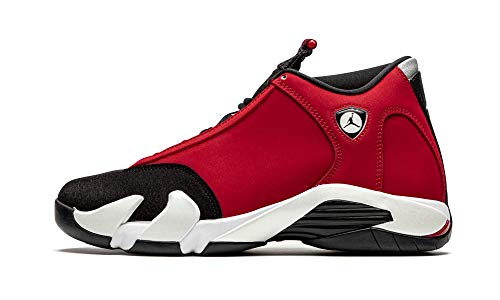
Leather offers durability and structure.


Now, fifty years later, Alpinestars is synonymous with quality, protection, technology and style
Methods to Prevent Heel Slippage and Enhance Stability
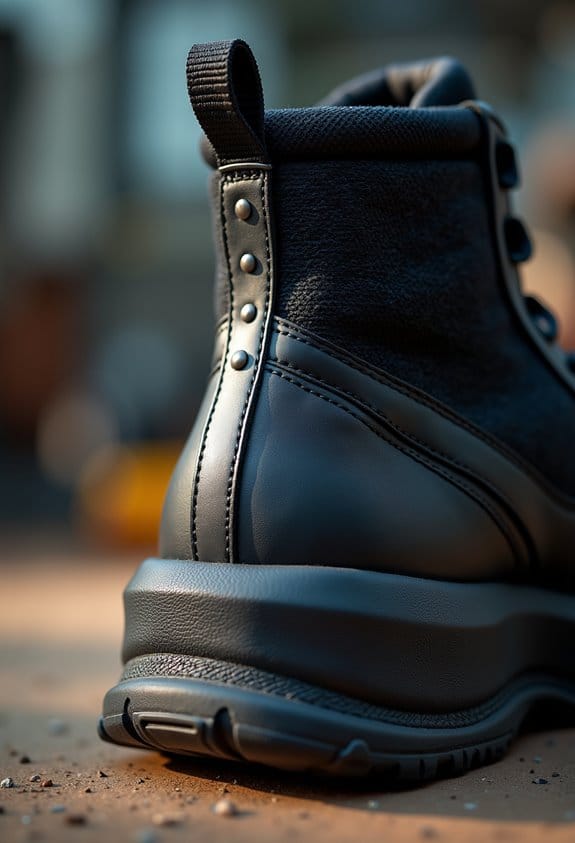
Why does heel slippage occur, and how can it be prevented to enhance shoe stability? Heel slippage happens when the foot lifts inside the shoe during movement, causing discomfort and reducing support. To prevent this, using a heel lock technique is effective. This method involves creating loops with laces on the top two eyelets, then threading the laces through these loops to secure the heel firmly. The heel lock reduces pressure by distributing tension evenly, which also lowers the risk of blisters. Additionally, securing the midfoot with specialized lacing helps stabilize the foot further, preventing it from sliding forward. By applying these lacing methods, you improve balance, enhance overall shoe fit, and keep your heel in place, promoting stability and comfort during activities. Choosing shoes with arch support and cushioning can further reduce foot fatigue and improve stability throughout the day.
Recommended Products

Waterproof GORE-TEX lining

SPLIT LEATHER boots impregnated with polyurethane and paired with 900 Denier polyester to create an exceptionally durable and abrasion-resistant upper

Suitable for: mountaineering, trekking, high tour
Combining Lacing Patterns for Optimal Fit and Support
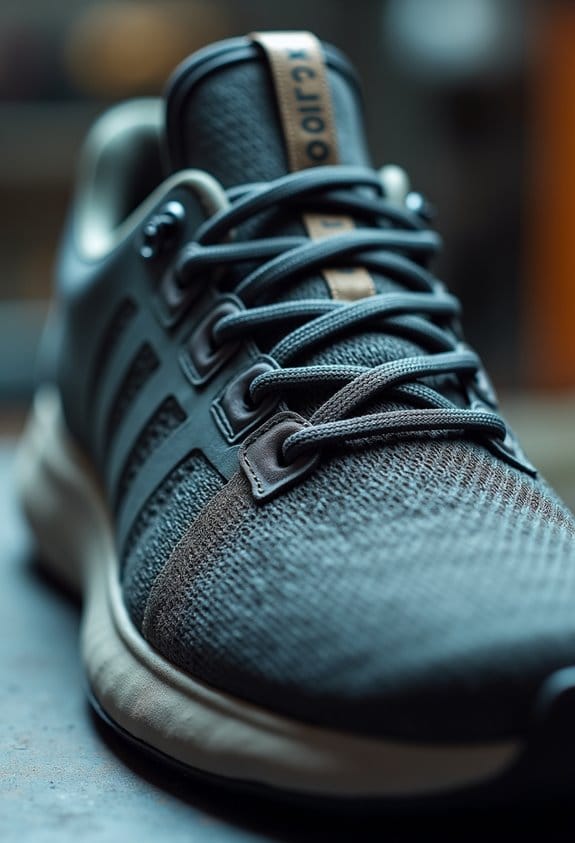
Building on techniques like the heel lock and midfoot securing laces, combining multiple lacing patterns can further improve fit and support for different parts of the foot. How can you use a lacing combination efficiently?
- What lacing patterns should you combine? Lock lacing for heel stability pairs well with midfoot lock lacing to secure the instep.
- How does this affect shoe comfort? It enhances overall fit, reduces slippage, and improves support during movement.
- Can additional adjustments help? Yes, incorporating forefoot volume lacing creates space for wider feet, while skipping eyelets relieves pressure on sensitive areas.
- Why experiment with combinations? Personalized lacing configurations address unique foot shapes and activities, especially during sports requiring fast lateral movements.
Using a lacing combination properly helps lock your foot securely inside the shoe, reducing discomfort and enhancing foot stability. Additionally, selecting lacing patterns that complement the boot’s arch support features can significantly reduce foot fatigue during extended wear.
Recommended Products

Super thick 6 ounce oil tanned leather uppers are contoured to fit your leg precisely.

Super thick 6 ounce oil tanned leather uppers are contoured to fit your leg precisely.

Alpinestars exclusive F1-derived thin rubber compound sole for improved sensitivity with the pedals and optimum levels of grip.
Expert Recommendations From Podiatrists on Proper Lacing
Expert recommendations from podiatrists highlight specific lacing techniques tailored to individual foot shapes and needs, improving comfort and reducing pressure points effectively. Which lacing methods are best for your foot type? Consider these expert tips:
- High Arch: Use Volume Lacing to lower pressure on the top of the shoe, redistributing force evenly across your foot.
- Forefoot Pain or Bunions: Try Forefoot Volume Lacing to widen the shoe and reduce discomfort in sensitive areas.
- Athletes or Orthotic Users: Lock Lacing minimizes heel slippage and enhances foot stability during movement.
- Narrow Feet: Midfoot Lock Lacing prevents forward slipping and lowers toenail injury risk.
Combining these techniques can customize fit and comfort, addressing your foot’s unique needs while reducing pressure points effectively. Additionally, using boots with shock mitigation systems can further reduce foot impact and fatigue during extended wear.
Frequently Asked Questions
What Are the Uses of the Lacing Method?
Despite common struggles with shoe discomfort, lacing alternatives offer a custom fit that enhances athletic performance. By adjusting tension and pressure points, these methods transform ordinary footwear into personalized tools, balancing stability and flexibility for varied foot shapes and activities.
How to Lace Shoes to Relieve Pressure?
To relieve pressure, one should adjust lacing for comfort by targeting foot anatomy specifics like high arches or bunions. Techniques such as volume lacing or parallel lacing allow pain relief through customized tension and improved fit.
What Is the Shoelace Technique?
Shoelace technique stems from shoelace history, shaping stability. Selecting strong, stretchable lacing materials supports superior snugness, boosting athletic performance. Strategic sequences secure shoes, showcasing simple solutions strengthening support, smoothing strides, and swiftly separating slippage during sports.
What Is the 2 1 3 Method of Lacing?
The 2 1 3 method of lacing involves normal threading through the first two eyelets, skipping the middle, then crisscrossing the last set. Its benefits, advantages, and applications include enhanced comfort, reduced pressure, and adaptability for various foot shapes.