As an Amazon Associate, we earn from qualifying purchases. Some links on this site are affiliate links at no extra cost to you. Our recommendations are based on thorough research and editorial judgment.

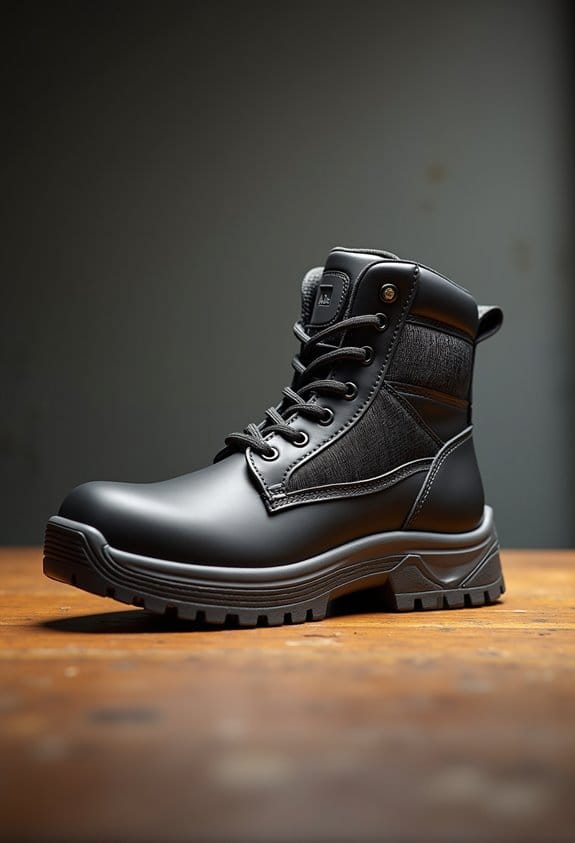
How Occupational Footwear Contributes to Overall Workplace Safety Culture

Occupational footwear supports workplace safety culture by preventing injuries and ensuring compliance with OSHA standards. Key features include steel toe caps for impact absorption, puncture-resistant soles to block sharp objects, and slip-resistant outsoles for better traction. Ergonomic designs reduce fatigue and improve comfort, enhancing employee productivity. Additionally, chemical-resistant materials guard against hazardous spills. These elements not only protect workers but also promote a proactive safety mindset. Explore further to understand how safety footwear benefits organizations financially and culturally.
Key Takeaways
- Occupational footwear reduces injuries by protecting against physical hazards like impacts, punctures, slips, and chemical exposure, reinforcing safety compliance.
- Proper footwear promotes a safety-first mindset, encouraging employees to prioritize workplace safety practices consistently.
- Wearing approved safety shoes helps organizations adhere to OSHA regulations, strengthening legal compliance and risk management efforts.
- Comfortable and ergonomic footwear improves employee morale and productivity, fostering a positive safety culture and reducing downtime.
- Training on footwear importance raises awareness, empowering employees to take proactive safety measures and support a safer workplace environment.
The Role of Safety Shoes in Injury Prevention
Because workplace foot injuries can cause serious harm and lost productivity, understanding the protective features of safety shoes is essential. What key elements make safety footwear effective in injury prevention?
- Steel or composite toe caps absorb impacts, reducing foot injuries from falling objects, especially on construction sites.
- Puncture-resistant soles guard against sharp debris like nails, preventing puncture wounds common in industrial settings.
- Slip-resistant outsoles enhance traction on wet or oily surfaces, helping to avoid slips and falls.
- Chemical-resistant materials protect against harmful substances, reducing risks of chemical burns.
Additionally, features like waterproof membranes not only keep feet dry but also maintain comfort by allowing breathability, which is crucial for long shifts in rugged environments and promotes overall worker wellbeing through moisture management techniques.
Recommended Products

NFPA 1951, NFPA 1971, NFPA 1977, NFPA 1990(1992), ASTM F2413 & CAN/CSA-Z195 certified

NFPA 1971, NFPA 1990(1992), ASTM F2413 & CAN/CSA-Z195 certified

NFPA 1971, NFPA 1990(1992), ASTM F2413 & CAN/CSA-Z195 certified
Enhancing Employee Comfort and Reducing Fatigue

When employees spend extended hours standing or walking, the right occupational footwear becomes essential to reduce fatigue and improve comfort. How does proper footwear enhance employee comfort and workplace safety?
- Ergonomic design with arch support helps maintain proper posture, reducing strain on feet and lower back.
- Shock-absorbing midsoles decrease impact, minimizing fatigue and promoting injury prevention.
- Comfortable footwear reduces downtime by preventing chronic foot issues, supporting consistent productivity.
- Improved employee comfort leads to higher job satisfaction and motivation.
- High-quality safety footwear tailored to specific work demands enhances overall workplace safety culture.
- Additionally, features like Memory Foam cushioning provide responsive support that adapts to foot shape for prolonged comfort during long work hours.
Protection Against Physical Hazards
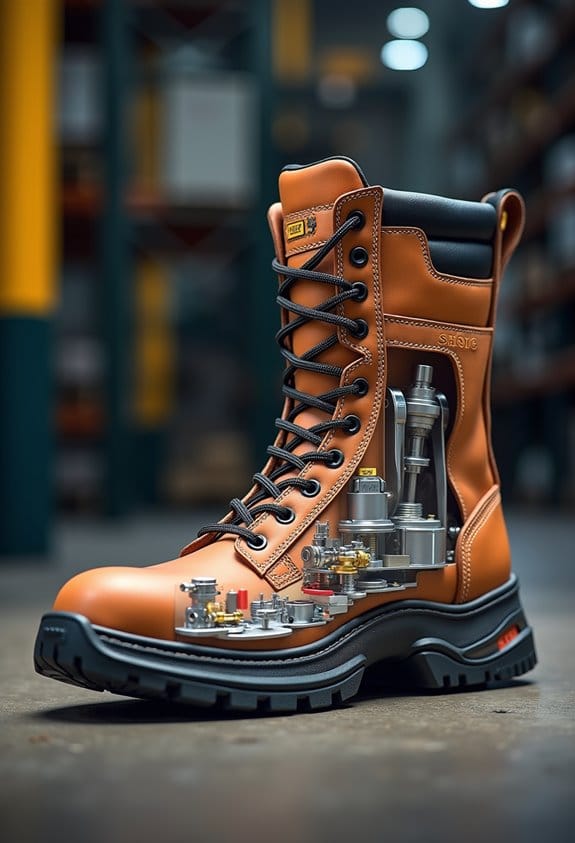
Occupational footwear plays a critical role in protecting workers from various physical hazards commonly encountered in many industries. How does protective footwear reduce injuries? It uses multiple features:
- Steel toe caps absorb impacts from heavy objects, meeting OSHA safety regulations.
- Puncture-resistant soles, often made with Kevlar, prevent injuries from sharp debris like nails and glass.
- Slip-resistant soles enhance traction on slick surfaces, reducing fall risks in workplaces such as healthcare and food service.
- Chemical-resistant materials shield feet from burns caused by chemical spills, supporting workplace safety.
Why comply with OSHA? Following safety regulations guarantees your footwear reduces risk effectively, reinforcing a culture of safety. Choosing the right protective footwear safeguards workers from physical hazards, aligning with workplace safety goals. Additionally, features like cushioned insoles and slip-resistant outsoles contribute significantly to reducing fatigue and preventing slip-related injuries.
Recommended Products

Upper Material: Idro-Perwanger Roughout leather (3mm), PU, steel toe insert
NFPA 1971, NFPA 1990(1992), ASTM F2413 & CAN/CSA-Z195 certified

10" tall leather uppers made from 2.8 mm full grain leather feature double and triple stitching throughout for added durability
Guarding Against Chemical and Electrical Risks

Although workplaces vary widely, many environments expose workers to chemical and electrical hazards requiring specialized protective footwear. What features does safety footwear include to guard against these risks?
- Chemical resistance: Materials resist corrosive substances, preventing burns and injuries.
- Electrical hazards: Insulating soles reduce shock risk in high-voltage areas.
- Protective toe: Shields against impacts and sharp objects.
- Puncture-resistant midsoles: Made from Kevlar or similar, they block sharp objects that can compromise protection.
- Slip-resistant outsoles: Improve traction on surfaces exposed to spills.
Why is this important? OSHA mandates safety footwear in hazardous areas to uphold workplace safety and compliance. By choosing shoes with these features, you reduce injury risks from chemicals, shocks, and punctures while supporting a safer work environment. It is also essential to select boots that meet ANSI standards for electrical protection to ensure effective safety against electrical hazards.
Recommended Products
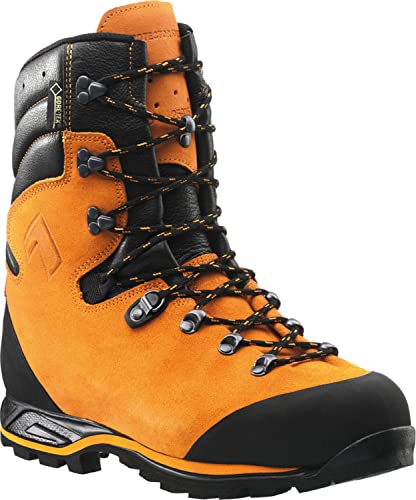
Enhanced Chainsaw Safety: Our boots are equipped with European Class 2 cut protection for chainsaw speeds up to 24m/s. Crafted from tough European bullhide leather and reinforced with a layer of cut-resistant material, they ensure durability and offer you vital seconds to react in case of unexpected chainsaw contact.
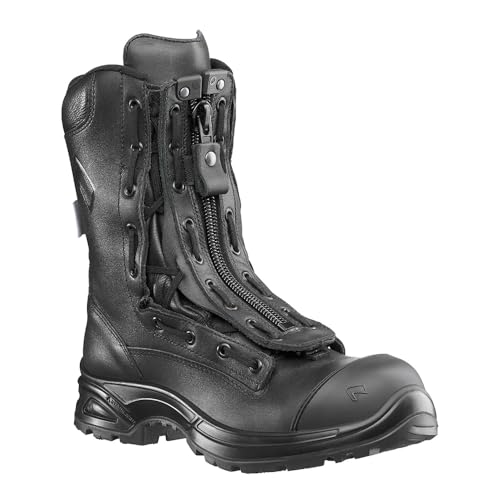
Quad-Certified for EMS, Wildland, USAR, and HAZMAT

Reliable Cut Protection: The Airpower XR200 boots offer solid defense against chainsaw cuts, meeting European Class 1 standards. These boots are all about keeping you safe, meeting top ASTM F2413 & CAN/CSA Z195 standards for toe and sole protection.
Importance of Slip Resistance in Occupational Footwear

Slip resistance stands as a key factor in workplace safety, particularly because slips, trips, and falls make up about 27% of all injuries on the job. Why is slip resistance essential in occupational footwear?
- Slip-resistant shoes reduce fall risks by providing high-traction outsoles that grip wet or greasy surfaces better than standard footwear.
- These outsoles often feature deep treads or proprietary technology that boosts traction by up to 50%.
- Proper slip resistance decreases slip-related accidents, protecting employee safety and adhering to safety protocols.
- By minimizing slips, fatigue reduction occurs, as workers expend less effort stabilizing themselves, further lowering injury chances.
- Fewer workplace injuries mean higher productivity, since less time is lost due to falls or recovery.
- Selecting footwear with certified safety features such as ASTM or electrical hazard protection further enhances protection across various work environments.
Implementing slip-resistant occupational footwear enhances overall workplace safety and strengthens safety culture.
Recommended Products

For light to heavy shoe-traffic areas

Certified Protection: The Ultra Signal Red boots are ASTM F2413 & CAN/CSA Z195 certified for toe, puncture, and electrical hazards up to 18kv. These boots are ready for anything, from wildland firefighting to working near electrical threats. These boots are ready for anything.

Louisville Ladder 8-Foot Fiberglass Twin Front Step Ladder, 300-Pound Load Capacity, Type IA, FM1508
STURDY AND STRONG: With its 300-Pound capacity, elegant design and smooth finish, you won’t find a more durable, reliable twin step ladder.
OSHA Standards for Safety Footwear Compliance
Protective footwear plays a critical role in minimizing foot injuries in hazardous work environments, and OSHA sets clear standards to assure its effectiveness. What are the key OSHA standards for safety footwear compliance? Employers must conduct a risk assessment to identify workplace hazards and choose footwear meeting ASTM F2413-18 requirements, which include impact resistance and compression protection. How can employers assure compliance? They have the responsibility to provide appropriate personal protective equipment and maintain it through regular inspections to detect damage or wear. What are the consequences of non-compliance? Failure to meet OSHA safety regulations may result in penalties, higher liability, and increased injury risks. Following these guidelines supports a safer work environment by aligning hazard control with OSHA standards for occupational footwear. Additionally, selecting boots with advanced features such as removable full-cushioned footbeds can enhance worker comfort and reduce fatigue during long shifts.
Financial Benefits of Investing in Quality Safety Shoes
Once employers understand OSHA standards and the importance of compliant safety footwear, evaluating the financial advantages of investing in quality shoes becomes relevant. How can quality safety shoes provide financial benefits in your workplace?
- Reduce injury-related costs by lowering medical expenses and insurance claims linked to workplace injuries.
- Guarantee compliance with OSHA regulations, minimizing legal risks and liability expenses.
- Decrease replacement frequency thanks to durable materials, saving long-term footwear costs.
- Enhance employee morale and productivity, which boosts overall workplace efficiency.
- Improve employee retention, cutting costs from hiring and training due to fewer injuries or dissatisfaction.
- Utilizing footwear with features like premium leather and reinforced guards also enhances durability and comfort, further extending the lifespan of the safety shoes.
Recommended Products

MEGApod TAN07 Features: The tripod is made from aluminum material, hence extremely lightweight and portable so it can be easily set-up by just one person without the use of tools and also easily transported from one work area to another, Includes safety chain and safety shoes that incorporate a rubber sole for flat surfaces and spiked edges for slippery surfaces to help prevent slippage or movement when in use, Includes 2 auxiliary eye bolts to accommodate winch and/or 3-way for easy overhead anchorage, Inner and outer adjustment can be achieved by sliding telescope legs

400 LB USER CAPACITY - KStrong Self-Retracting Lifelines are OSHA rated for use up to 400 lbs (ANSI Rated up to 310 lbs) total weight, including clothes, tools, shoes, etc. It is important to ensure that all the components in the system are rated to a capacity which is appropriate to the application.

KIT INCLUDES: 12 cal/cm² Arc Rating, HRC 2, FR coat with bib overall, Class 0 Rubber Voltage Gloves, 10" Leather Glove Protectors, Glove Bag, Hard Hat with Arc Flash Faceshield & Chin Cup, Safety Glasses, Faceshield Bag, Gear Bag. Offering convenient protection in 1 bag!
Promoting a Strong Safety Culture Through Proper Footwear
Although workplace safety involves multiple factors, footwear plays an essential role in promoting a strong safety culture within organizations. How can proper safety footwear help prevent injuries and improve workplace safety? Consider these points:
- Shoes with slip resistance and puncture protection reduce risks from common hazards.
- Compliance with OSHA standards requires appropriate footwear in certain environments, supporting a safe work setting.
- Quality footwear features enhance employee comfort and productivity, directly impacting morale.
- Safety footwear designed for high-risk areas minimizes slips, trips, and falls, leading causes of injuries.
- Training employees on footwear importance increases adherence to safety practices and strengthens overall safety culture.
- Selecting boots with waterproof materials and breathable membranes helps maintain foot health by controlling moisture and temperature.
Frequently Asked Questions
How Often Should Occupational Footwear Be Replaced?
Replacement frequency depends on wear indicators, manufacturer guidelines, and employee guidelines. It varies with workplace hazards, seasonal changes, and industry standards. Regular assessment guarantees foot health, safety compliance, and balances budget considerations effectively.
Can Safety Shoes Cause Foot Problems if Not Fitted Properly?
Approximately 60% of workers report fit issues with safety shoes. Improper arch support, inadequate toe protection, and insufficient width adjustments can cause heel pain, foot fatigue, and compromise impact resistance, increasing injury risk despite workplace hazards and cushioning types.
Are There Eco-Friendly Options for Occupational Footwear?
Eco-friendly occupational footwear utilizes sustainable materials, biodegradable options, and recycled components. Brand comparisons reveal variations in certification standards and cost effectiveness. Consumer awareness and workplace policies increasingly emphasize environmental impact and life cycle considerations.
How to Clean and Maintain Safety Shoes Effectively?
Like morning dew on leather, shoe cleaning and maintenance tips include regular stain removal, odor control, and proper storage to uphold material care. Cleaning frequency and occasional professional services bolster longevity, ensuring safety standards remain uncompromised.
Do All Job Roles Require the Same Type of Safety Footwear?
Not all job roles require the same safety footwear; job role differences dictate varied foot protection needs. Safety regulations and industry standards consider workplace hazards, impact resistance, slip resistance, comfort levels, environmental conditions, and employee guidelines to guarantee proper selection.