As an Amazon Associate, we earn from qualifying purchases. Some links on this site are affiliate links at no extra cost to you. Our recommendations are based on thorough research and editorial judgment.

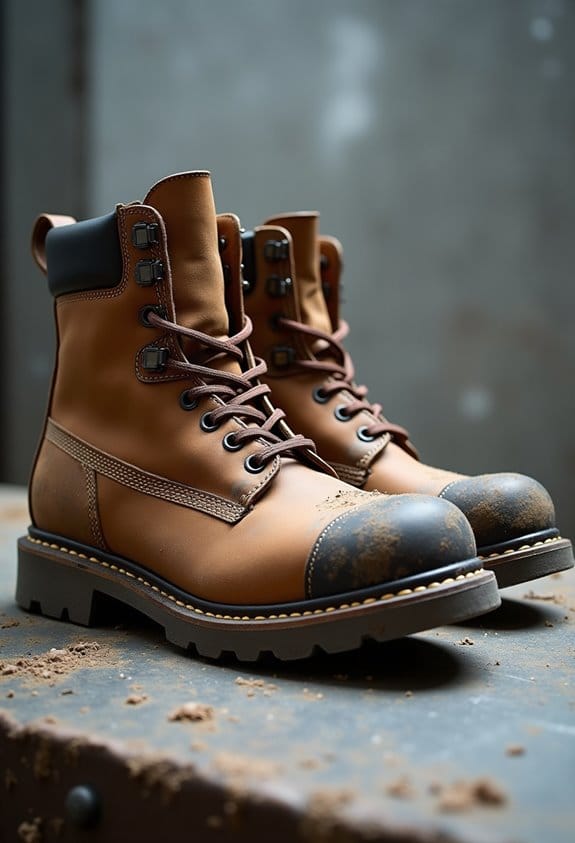
Cleaning Mud, Concrete, and Chemicals Off Work Boot Uppers Safely

To clean mud, concrete, and chemicals off work boot uppers safely, first remove laces and insoles. Use a soft brush to dry off loose mud. Choose cleaners compatible with your boot material: mild detergent for synthetics, specialized leather cleaner for leather, and suede cleaner for nubuck. Avoid harsh chemicals that can damage fabrics. Gently scrub affected areas, rinse thoroughly, and air dry away from direct heat. Finally, condition and waterproof the boots to protect materials. Further guidance helps maintain your boots’ durability and appearance.
Key Takeaways
- Remove excess mud and concrete gently with a soft brush before applying any cleaning solutions.
- Use mild detergent or specialized cleaners suited to the boot’s material to avoid damage from harsh chemicals.
- Avoid soaking boots; instead, wipe thoroughly with a damp microfiber cloth to prevent water damage.
- Wear protective gloves to shield skin from chemical irritants during cleaning.
- Air dry boots in a ventilated area away from direct heat to prevent material cracking or warping.
Assessing the Condition of Your Work Boots
How can you determine if your work boots are still safe and effective for use? First, regularly cleaning your boots helps reveal any hidden issues. When you inspect your boots, look for signs of damage such as cracking in the uppers or material breakdown caused by exposure to moisture and harsh elements. Check stitching and seams for fraying or separation that may weaken their structure. Also, observe the accumulation of debris like mud or concrete, which can reduce flexibility and traction. Proper maintenance includes thorough assessments after working in challenging conditions, enabling early detection of wear or damage. By following these steps, you guarantee your boots remain functional and safe, reducing risks associated with worn or compromised footwear in hazardous environments. Additionally, ensuring your boots provide proper support and stability is essential to prevent injuries and maintain safety on the job.
Preparing Your Cleaning Supplies and Workspace

Before beginning the cleaning process, it is important to prepare your supplies and workspace to guarantee safety and efficiency. First, gather essential tools: a soft-bristled brush, mild detergent, microfiber cloth, and a bucket of water. Organize these within arm’s reach to avoid interruptions. Next, choose a well-ventilated cleaning workspace, such as a garage or outdoor area, where spilled mud or chemicals will not cause damage. Ascertain the area is free from obstacles to allow safe movement. Finally, put on protective gloves to shield your skin from irritants in mud, concrete, or cleaning agents. By preparing your cleaning workspace and supplies this way, you create an effective, safe environment that supports a smooth and thorough cleaning process of your work boot uppers. Additionally, selecting boots made from durable oil-tanned leather can make cleaning easier and extend their lifespan.
Recommended Products

KEEP FLOORS CLEAN – FORZA Boot Scrubber Cleaner Brushes efficiently remove excess mud, sand, grass & snow from all shoes, including soccer and football cleats, work boots, golf shoes & more. Our range of boot cleaners is the perfect option for sports clubs, leisure centers & schools.

Important Note: The AU size is stamped on the bottom of the boots, not the US size. Made of Premium Water-Resistant Leather, the Blundstone Original 500 Series boots feature stout brown premium water-resistant leather that provides excellent protection against the elements.

Waterproof pig suede leather upper
Removing Laces and Insoles for Thorough Cleaning
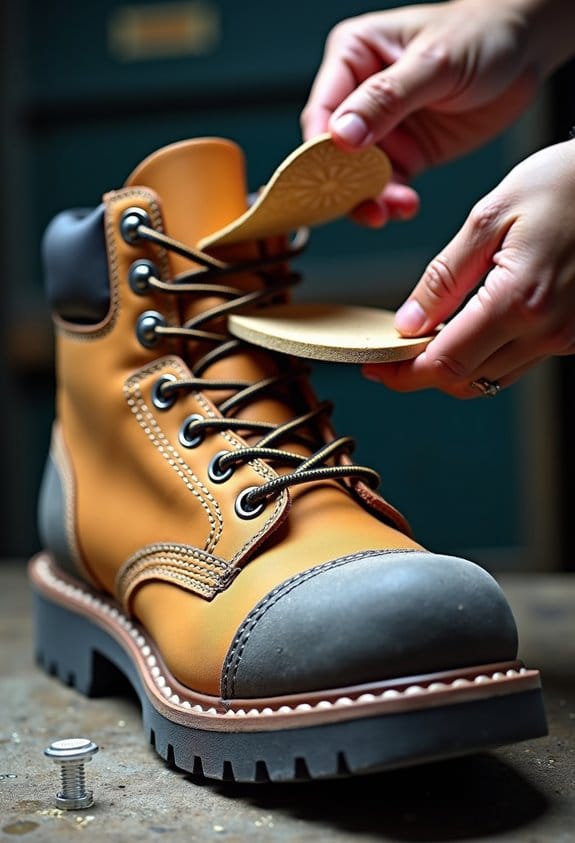
Start the cleaning process by carefully removing the laces and insoles from your work boots to confirm all surfaces can be accessed thoroughly. Why remove the laces and insoles? Removing the laces prevents dirt buildup and allows for cleaning laces separately using a mild soap solution, which preserves their longevity. How should you clean insoles? Insole cleaning involves a gentle scrub to remove sweat and dirt, followed by drying completely to avoid odor and bacteria growth. Why is this step important? This thorough cleaning exposes areas often prone to mud and chemical residue, protecting boot materials from damage. What must you do after cleaning? Always verify the laces and insoles dry completely before reassembling to prevent moisture-related issues, such as mold or unpleasant smells inside the boots. To ensure the longevity of your boots in harsh conditions, maintaining their durability and chemical resistance through regular care is essential.
Dry Brushing to Eliminate Loose Mud and Debris
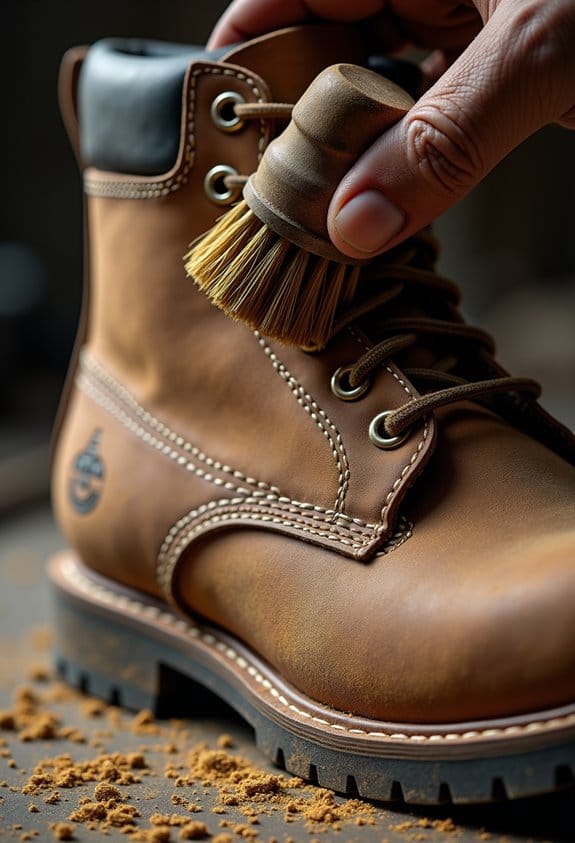
Removing loose mud and debris from work boot uppers is essential to maintain their condition and prepare them for deeper cleaning. How can you effectively perform dry brushing to eliminate this buildup? Begin with a stiff-bristled brush to loosen and remove dirt, focusing on seams and crevices where debris collects. Brush in a consistent direction to avoid damaging the boot material and to expose hidden areas requiring attention. What steps guarantee the process is efficient? Clean the brush regularly to prevent transferring dirt back onto the boots. For stubborn dried mud, use firm brushing combined with gentle friction to maintain the appearance without scratching. Why is thorough cleaning important before other treatments? It promotes boot material longevity by preserving integrity and reducing wear during subsequent cleaning steps. Ensuring the boots remain waterproof after cleaning is crucial to maintain waterproof membranes that protect feet in harsh conditions.
Selecting the Appropriate Cleaner for Your Boot Material

Choosing the right cleaner for your work boot uppers depends largely on the material construction, as using an improper cleaner can damage the surface or reduce durability. How do you select the appropriate cleaner for your boot material?
- For leather boots, use a specialized leather cleaner that maintains natural oils, avoiding harsh chemicals that cause cracking.
- Suede or nubuck requires a suede cleaning solution; water may stain and ruin the texture.
- Synthetic or waterproof boots respond well to mild soap and water, but make sure the soap is free from harsh chemicals to protect the waterproof membrane.
- Always test cleaners on a small, hidden area before full application.
- For stubborn dirt, employ a firm brush with the suitable cleaner.
Once cleaned, you can gently wipe clean to avoid harming the uppers.
– Regular care, including removing dirt with a soft brush and conditioning leather, helps maintain waterproofing features and extend boot lifespan.
Recommended Products

ADVANCED FAUX LEATHER RESTORATION – TriNova’s Faux Leather Cleaner & Conditioner offers the best way to restore and protect all of your synthetic leather goods. Your faux leather can look and feel as luxurious as the real thing, so it deserves proper care and maintenance, which is easy to provide with this two-in-one product.

LEATHER'S BEST FRIEND: Protect your leather investments for a lifetime. Snowshoe Leather Conditioner is ideal for everything from rugged work gear to fine home furnishings. If it's leather, Snowshoe keeps it soft, pliable, supple, and conditioned for years to come.
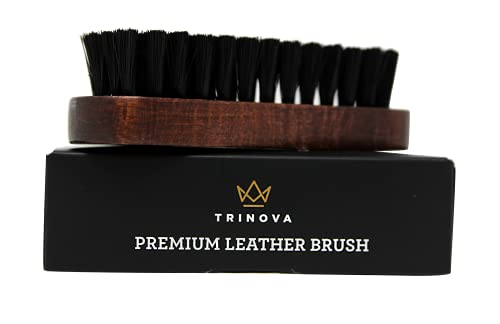
✅ DEEP CLEAN - Soft bristles get inside seams, creases, and other hard to reach areas to make sure no dirt or grime is left behind
Applying Cleaner With a Damp Brush to Uppers
Applying cleaner with a damp brush guarantees a controlled and effective way to lift dirt from work boot uppers without saturating the material. How should you apply the cleaner? First, make sure you use a cleaner suited for your boot’s upper material, such as leather cleaner for leather boots or mild soap for synthetics. Dip a damp brush into the cleaner and create a gentle lather. Then, apply the cleaner using circular motions, starting from the top and moving downward to break up mud, concrete, and chemicals. Remember to rinse the brush frequently to avoid spreading dirt back onto the surface. Why is avoiding saturating important? Excess moisture can damage the upper material. After cleaning, always let the boots air dry naturally in a well-ventilated area, away from direct heat sources. For prolonged use and safety, it is also important to maintain the boots’ protective features like durable construction to ensure they continue providing both safety and comfort.
Techniques for Handling Concrete Residue Safely
Concrete residue on work boot uppers requires prompt attention, as dried concrete becomes much harder to remove and can damage the material. How should you handle concrete residue safely? First, use a firm-bristled brush for cleaning, focusing carefully on seams and crevices where residue often builds up. If the residue resists, apply a cloth soaked in warm, soapy water; this softens concrete without harming the boots. Avoid harsh chemicals or acidic cleaners because they can strip protective coatings or degrade the material. After scrubbing, be sure to rinse the boots thoroughly with clean water to remove any soap and debris. Finally, let the boots air dry completely before storing them. Following these steps preserves your boots’ appearance and extends their lifespan while maintaining safety during cleaning. For long-term care, using waterproof and breathable materials can also help protect your boots from damage caused by substances like concrete residue.
Recommended Products

Designed for heavy-duty boot cleaning and now you can use it anywhere with the portable steel base attached. In just a few swipes through the boot brushes, you can remove all sorts of gunk and mud from any type of footwear.
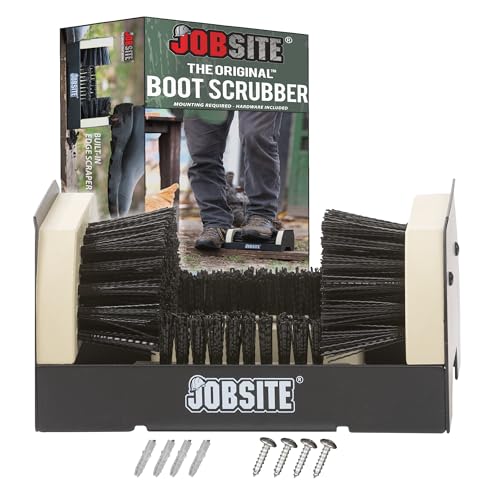
Keep Floors Clean: Heavy-duty boot scraper brush cleans and removes mud, sand, dirt, dust, snow, grass, burs, goatheads, sandburs, and more

Material: Made of durable heavy duty cast iron material with vintage design and rustic finish, this doormat is built to last and can withstand outdoor conditions.
Cleaning Chemical Stains Without Damaging Materials
Chemical stains on work boots can vary greatly, and how you clean them depends largely on the material of the boot upper. How should one approach cleaning chemical stains?
- Identify boot material first (leather, suede, synthetic).
- For leather, apply a specialized leather cleaner using a soft cloth gently to avoid oversaturation and cracking.
- Synthetic or rubber boots require mild soap and water, combined with a soft-bristled brush for scrubbing without damaging surfaces.
- Tough stains may need pretreatment with a stain remover suitable for the material; always follow proper use instructions on the product label.
- Avoid harsh chemicals to protect the boot’s surface integrity and prevent discoloration.
- Regular cleaning and inspection help maintain the material durability and chemical resistance of your boots over time.
Recommended Products

Easy to Use: Simply place the PediFix ShoeZap inside your shoes, turn it on, and let it sanitize your footwear effortlessly. It completes the cycle in just 15 minutes and turns off automatically.

Ultimate Leather Care Kit - Our popular Fine Leather Prescription is the definitive solution for automotive leather maintenance. This comprehensive kit provides everything needed to clean, condition, and protect your vehicle's leather, ensuring it remains pristine and luxurious.

CONDITIONS AND RESTORES: The refined water-based formula is blended with Vitamin E and Aloe extracts to moisturize leather pieces to restore a soft, supple feel; leather is skin, and if neglected, it can crack, burn, fade, and discolor
Wiping Down and Drying Your Boots Properly
Gently wiping down your work boot uppers helps remove dirt, mud, and residue without causing damage. How should you clean them properly? Use a soft brush or damp cloth to gently remove debris, avoiding harsh scrubbing that might harm the materials. When needed, mix mild soap with water, applying it sparingly to avoid soaking the uppers. After cleaning, wipe away any soap residue thoroughly with a damp cloth to prevent buildup. Once clean, allow your boots to air dry naturally in a well-ventilated area; avoid direct heat sources that can crack or warp materials. Proper drying preserves your boots’ protective properties, maintaining their strength and durability. Remember, this step is essential before conditioning the leather or other materials to restore moisture and flexibility later. Regular cleaning and conditioning can extend the waterproof performance and longevity of your boots, ensuring reliable protection in wet or humid environments.
Conditioning and Protecting Boot Materials Post-Cleaning
Proper maintenance after cleaning is essential for preserving the durability and performance of work boot uppers. How can you condition and protect your boots effectively? Follow these key steps:
- Apply a leather conditioner or waterproofing spray suited to your boot material to restore moisture and prevent damage.
- Use conditioning products regularly to maintain the leather’s natural flexibility, reducing the risk of cracks and extending boot life.
- Select conditioners and protectors compatible with your boots to avoid deterioration or damage caused by inappropriate products.
- Apply treatments in a well-ventilated area, allowing full absorption to protect against dust, contaminants, and environmental wear.
- Waterproofing sprays create a protective barrier that repels water and stains, simplifying future cleaning and keeping uppers looking new.
Additionally, using conditioners that complement your boot’s full-grain leather construction can greatly enhance durability and comfort over time.
Proper conditioning is a critical maintenance step after cleaning that helps protect and extend your boots’ usability.
Recommended Products

Important Note: The AU size is stamped on the bottom of the boots, not the US size. Made with premium water-resistant saddle brown leather, these boots offer durable, timeless style with a versatile look for casual or rugged wear.


SUSTAINABILITY: Leather is sourced Leather Working Group (LWG)-certified tanneries; Tanned in the most environmentally way possible and is treated with PFC-free chemicals
Storing Boots to Prevent Future Damage
When storing work boots, choosing the right environment is essential to prevent damage and extend their lifespan. Where should you store work boots? Always choose a cool dry place that prevents moisture buildup, which can cause mold and material breakdown. How do you avoid damage from light and heat? Keep boots away from direct sunlight and heat sources to maintain their shape and avoid cracks in leather or synthetic materials. What extra steps protect your boots? Use boot bags or dust covers to shield them from dust and debris during storage. How to prevent odors and structural issues? Guarantee good ventilation in the storage area to reduce moisture and odors. Consider boot shapers to maintain their form and prevent creasing when not in use.
Frequently Asked Questions
How to Clean Mud off Work Boots?
Mud removal techniques involve allowing partial drying, followed by soft brushing and damp cloth wiping. Proper scrubbing methods with mild soap enhance stain removal. Boot cleaning solutions and protective coatings support outdoor gear maintenance and footwear care essentials.
How to Remove Dried Concrete From Work Boots?
Concrete removal techniques involve softening residues with warm water, followed by gentle scraping using effective cleaning methods. Boot care guidelines emphasize conditioning leather, surface preparation tips, maintenance routines, and applying protective coatings alongside DIY cleaning solutions for ideal results.
What Does Spraying WD-40 on Boots Do?
Like a gentle rain shielding fragile petals, spraying WD-40 on boots enhances boot waterproofing techniques and surface protection methods, acting as a versatile footwear cleaning product that supports boot care essentials and boot longevity strategies through smart shoe maintenance tips.
How to Clean Mud off Rubber Boots?
To clean mud off rubber boots, use soft brushes and mild, eco-friendly cleaners as best cleaning solutions. Employ proper drying techniques, follow rubber boot maintenance routines, and preventive measures to guarantee seasonal care and long-lasting cleaning equipment tips.