As an Amazon Associate, we earn from qualifying purchases. Some links on this site are affiliate links at no extra cost to you. Our recommendations are based on thorough research and editorial judgment.


How to Store Work and Tactical Boots Between Seasons

To store work and tactical boots between seasons, first clean off dirt and moisture, then allow them to dry completely at room temperature. Condition leather boots to maintain flexibility and insert boot trees or rolled paper to preserve shape. Store boots in a cool, dry, and well-ventilated area, away from direct sunlight and humidity. Use upright racks or breathable containers for airflow and protection. This process prevents damage and extends boot life. Following these steps prepares you with essential storage knowledge.
Key Takeaways
- Clean tactical and work boots with specialized cleaners to remove dirt and moisture before storage.
- Air dry boots thoroughly at room temperature to prevent mildew and material damage.
- Condition leather parts to maintain flexibility and prevent cracking during off-season storage.
- Store boots in a cool, dry, ventilated area away from direct sunlight and extreme temperatures.
- Use boot trees or rolled paper to maintain shape and avoid creasing while stored upright or in breathable containers.
Why Proper Boot Storage Matters
Why is proper boot storage important for maintaining your footwear? Proper boot storage helps extend lifespan by reducing wear and tear caused by creasing, misshapen leather, or mildew growth. Keeping your boots stored correctly guarantees they remain in good condition and retain their shape over time. This organized storage prevents damage and clutter, making it easier to find and protect your boots for future use. A smart move involves understanding and applying suitable storage techniques, like storing boots upright or using boot trees. These steps help maintain structural integrity and appearance. Ultimately, by practicing proper boot storage, you preserve the long-term value and reliability of your boots, minimizing replacement costs and keeping them ready for use season after season. Additionally, using waterproofing treatments before storage can help maintain the boot’s moisture resistance and durability over time.
Selecting the Best Storage Location
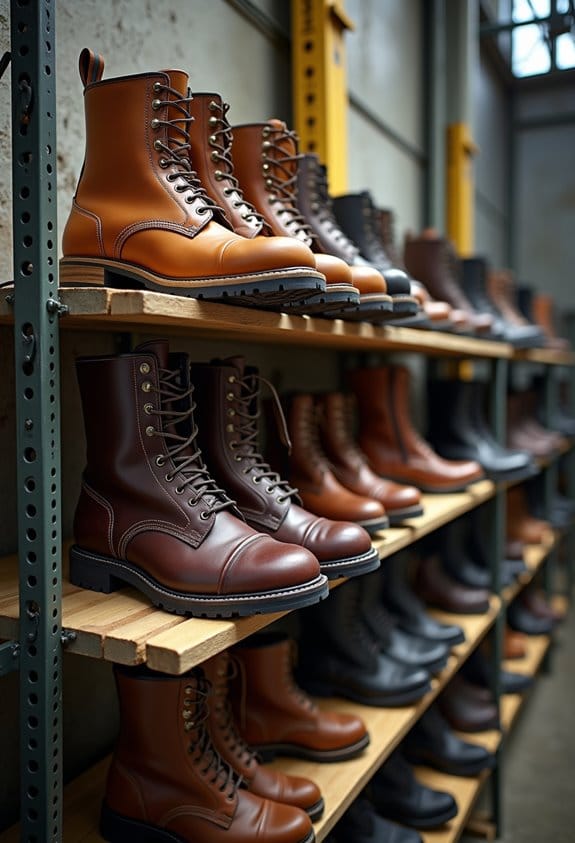
Proper storage involves more than just keeping boots upright or using boot trees; selecting an appropriate location for storing footwear plays a significant role in maintaining their condition over time. Where should you store your boots? Choose a cool, dry, and well-ventilated area to prevent moisture buildup and mildew growth. Avoid spots with extreme temperatures or high humidity, as these can cause leather to become misshapen and materials to fade. Why avoid direct sunlight? Prolonged exposure may dry out leather and alter color. How can you guarantee good air circulation? Use breathable storage options like fabric shoe bags or open shelving to minimize dust and allow airflow. Overall, maintaining stable temperature and moisture levels in a space with controlled air movement protects boots during storage and extends their usable life. Additionally, ensuring your boots are clean and dry before storage can prevent damage to durable materials such as leather and synthetic blends.
Recommended Products

The Mamba III is the best in class all Aluminum-Bodied Hard Side Roof Top Tent with more standard included options. The Mamba III has a Set Up and Put Away time of less than a minute. For Set Up: Unlock two latches, pull down your ladder and insert 2 window rods. Reverse the process for Put Away.

The Overland Vehicle Systems Bushveld II Hard Shell Roof Top Tent is a 4-Season cantilever designed Roof Top Tent. The Bushveld Name is based on a sub-tropical woodland ecoregion of Southern Africa. The Overland Vehicle Systems Bushveld Hard II Shell Roof Top Tent has one of the largest sleeping areas on the market today; 84” x 64”.

Slimline & Lightweight: At only 160.9 lb, the Hotham, shedding 8% off its predecessor’s weight, not only improves fuel efficiency but also makes handling easier, redefining what it means to travel light! With its slimline design, it packs down to a mere 5.43 in, 45% slimmer than its predecessor, it’s built for garage or undercover parking, while minimizing wind noise for a smoother drive.
Preparing Your Boots for Storage
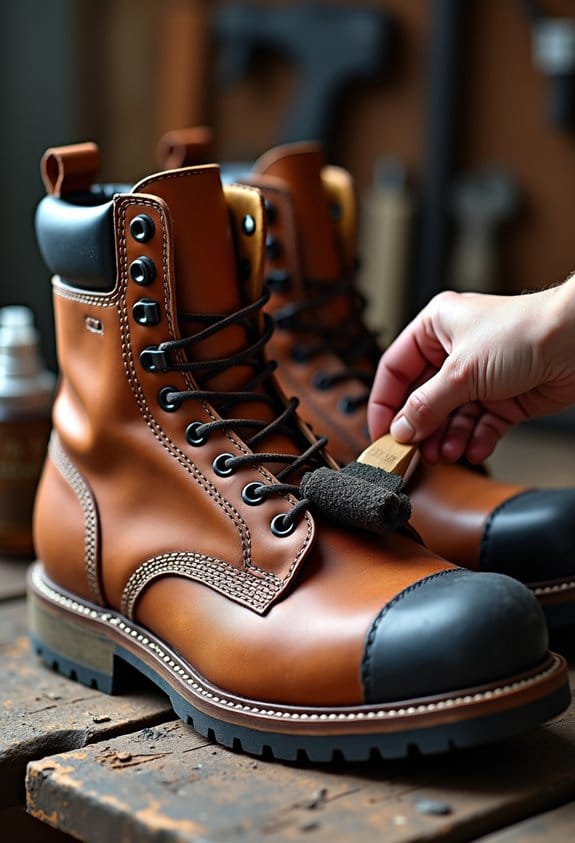
Start by thoroughly cleaning your boots to remove dirt, mud, and moisture that can lead to mold and material damage over time. After cleaning, allow your boots to air dry completely at room temperature, avoiding direct heat sources that may cause material cracking. Next, apply a leather conditioner to maintain the boot’s suppleness and prevent drying out during storage. To help your boots keep their shape, insert rolled paper or use boot trees inside them, which also prevents creases. When you store boots, choose a cool, dry, and well-ventilated area. Proper ventilation reduces moisture buildup, essential for protecting delicate materials like leather. Additionally, selecting work boots with durable construction can enhance their longevity during storage and regular use. By following these steps, you will protect your boots from damage, ensuring they remain in good condition between seasons.
Recommended Products

100% LEATHER UPPER, these uncompromising motorcycle boots were inspired by Civil War cavalry and represent American craftsmanship at its best

FULL-GRAIN LEATHER boots tested nine ways for strength and durability, made in America and triple-stitched for longevity

ANTIQUED PULL-UP LEATHER for women’s knee-high boots that wear easy right out of the box
Cleaning Techniques for Different Boot Materials
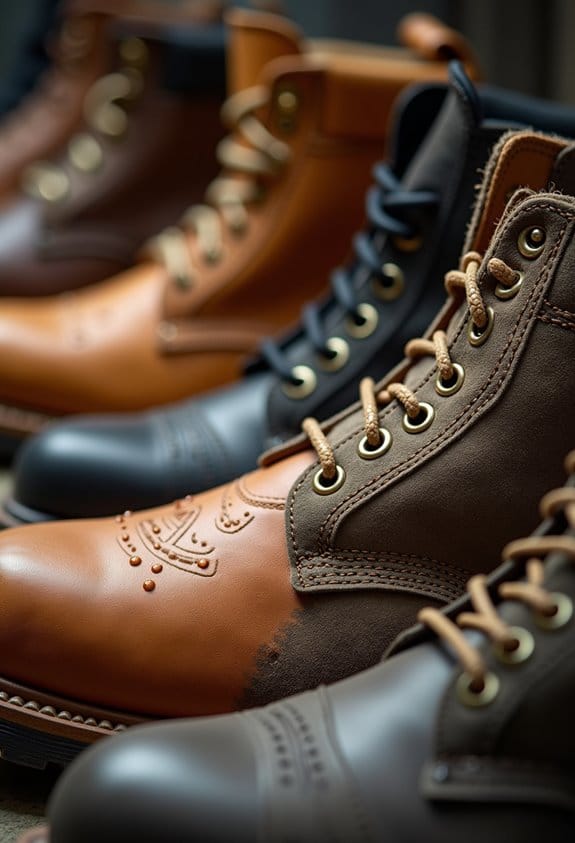
After preparing your boots for storage, attention should be given to the appropriate cleaning methods for each type of boot material. What cleaning techniques work best for leather boots? They can be wiped with a damp cloth to remove dirt, then conditioned to prevent cracking. How should suede boots be cleaned? Use a soft brush to lift dirt gently and apply a suede protector spray to repel stains. Are rubber boots different? Yes, wet cleaning with warm soapy water and a soft brush effectively removes debris before thorough drying. What about tactical boots with waterproof materials? Cleaners designed for waterproof gear protect breathability without harsh chemicals. Finally, canvas boots are cleaned with mild soap and water, then air-dried away from heat. Each method preserves the material’s integrity during storage. Additionally, selecting boots with non-porous surfaces can simplify cleaning and improve long-term durability.
Recommended Products

KEEP FLOORS CLEAN – FORZA Boot Scrubber Cleaner Brushes efficiently remove excess mud, sand, grass & snow from all shoes, including soccer and football cleats, work boots, golf shoes & more. Our range of boot cleaners is the perfect option for sports clubs, leisure centers & schools.
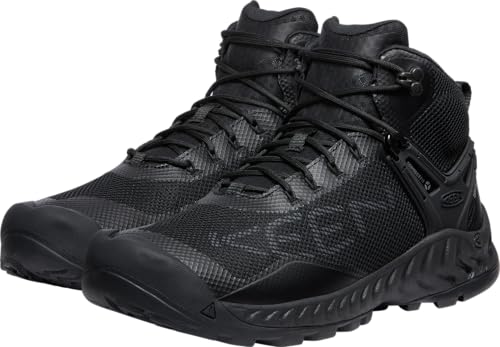
WATERPROOF & MATERIAL: KEEN.DRY waterproof breathable membrane keeps your feet dry in wet terrains; Environmentally preferred DWR; Performance mesh with durable overlays in key wear zones; Breathable mesh lining
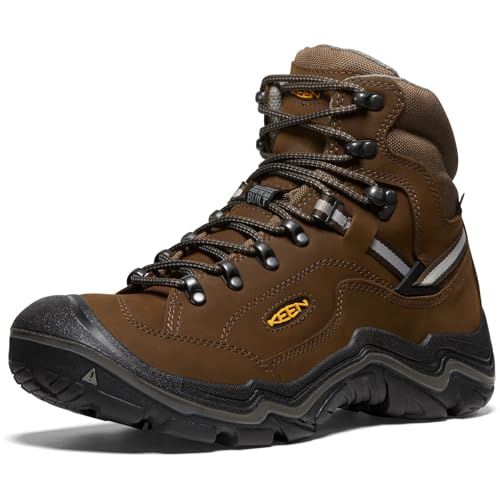
WATERPROOF: The KEEN.DRY waterproof breathable membrane keeps feet dry and comfortable all day long by allowing vapor out without letting water in
Choosing the Right Storage Solutions
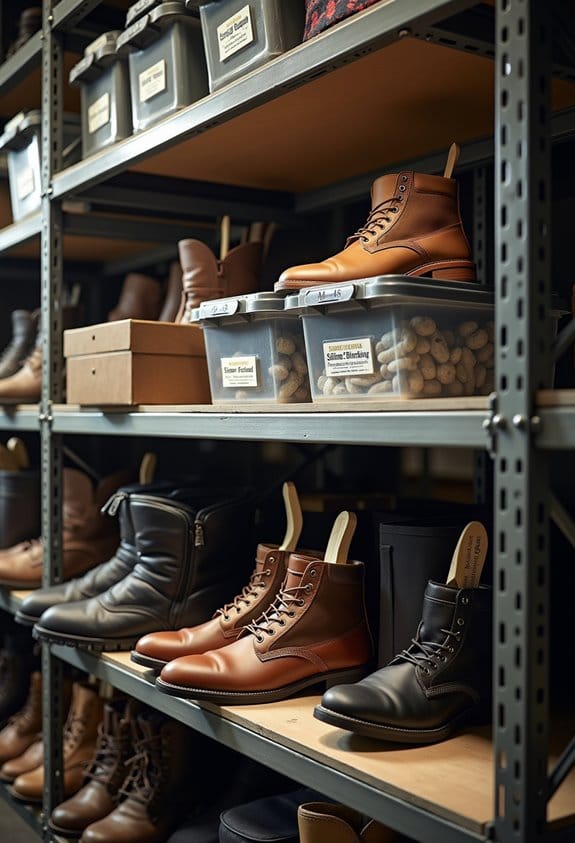
When choosing the right storage solutions for boots, it is essential to take into account both space efficiency and the preservation of the boots’ shape and material. How can you effectively store work and tactical boots while keeping their quality intact?
- Use boot storage options like upright boot racks to avoid misshaping and overcrowding.
- Under-bed storage made from breathable materials helps keep your winter footwear dry and reduces mold risk.
- Entryway organizers manage various boot heights, making your life easier by reducing clutter and improving accessibility.
- Boot storage trays protect floors and keep boots in place, preventing sliding and scuffs.
- Clear display boxes shield footwear from dust while allowing easy visibility.
To maintain your boots in good condition, always store boots in a cool, dry place and avoid direct sunlight or heat sources. Regular maintenance like cleaning and conditioning leather before storage is crucial to preserve waterproofing and durability.
Recommended Products

【Space-Saving Vertical Pull-Out Design】 Maximize your closet or cabinet storage with this innovative vertical Pull Out shoe rack organizer. Featuring a smooth telescopic slide-out mechanism, the pull-out shoe rack provides easy, full access to your entire collection while staying discreetly hidden—perfect for reducing clutter in tight spaces such as under-stair areas or wardrobe cabinets

1.Pull-out design makes it easier to take.The staggered stacking design increases the storage capacity by 1.8 times

【Premium Quality】Tykacna shoe organizer is made of high-quality PP+PS material, which is strong, durable and environmentally friendly. The thickened folding support frame provides strong load-bearing capacity, is safe and reliable, and allows you to easily store and organize your shoes and other items
Maintaining Boot Shape and Protecting Leather
Properly selected storage solutions set the foundation for preserving your boots’ condition, but maintaining their shape and protecting the leather during storage requires additional steps. How can you maintain boot shape and protect leather effectively? Use boot trees, rolled-up newspaper, or pool noodles to fill shafts, keeping boots upright and preventing slouching or creases. Why apply leather conditioner before storage? It keeps leather supple and helps prevent cracking due to drying. What about moisture and sunlight? Store boots in breathable fabrics like cotton pillowcases, allowing the leather to breathe and avoid moisture buildup. Guarantee storage is cool and dry, away from direct sunlight to prevent fading and preserve leather integrity. Would vertical storage help? Yes, it supports shape and air circulation simultaneously.
Recommended Products

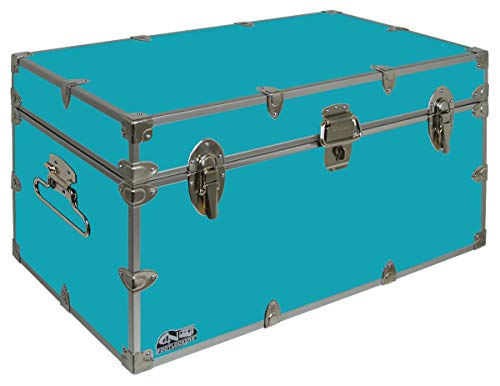
King Trunk W/ Lock Key:Material: High Quality ABS Plastic;Color: Vivid Black ( painted);Size: 20" Long x 13.7" Deep x 25.7" Wide.

Seasonal Care Tips for Tactical and Work Boots
Although tactical and work boots are built for durability, they still require careful seasonal care to remain in good condition over time. How should you prepare your boots for storage?
- Clean boots thoroughly to remove dirt and moisture, preventing mold and damage.
- Apply a leather conditioner to maintain suppleness and avoid cracking.
- Use breathable storage options like fabric shoe bags or original boxes to protect boots from dust and moisture.
- Store boots upright, inserting shoe trees or rolled paper inside to maintain their shape and prevent creasing.
- Inspect boots regularly during storage to monitor their condition and catch any wear or damage early.
- Maintaining material durability by using leather and synthetic combinations will help preserve your boots’ structure and extend their lifespan during storage.
Frequently Asked Questions
How to Store Boots Out of Season?
Proper storage of boots involves cleaning techniques to remove dirt, using breathable storage containers, controlling moisture, organizing boots by type, considering temperature impact, preventing insects, caring for materials, and implementing seasonal rotation to maintain their condition.
How to Preserve Combat Boots?
Preserving combat boots involves consistent cleaning techniques, applying waterproofing methods, and leather conditioning. Incorporating odor removal, sole protection, and lace management into maintenance routines supports durability. Ideal storage solutions help maintain structure and extend boot lifespan effectively.
How to Winterize Work Boots?
Winterizing work boots involves key boot maintenance tips such as thorough cleaning techniques, leather conditioning, and weatherproofing methods. Proper seasonal care includes moisture control, sole preservation, and effective storage solutions to guarantee durability and protection during cold conditions.
How to Properly Store Winter Boots?
Winter boots deserve a gentle slumber. Proper boot cleaning, moisture control, temperature regulation, and airflow circulation preserve longevity. Sole protection, lace management, and breathable storage containers are essential maintenance tips, ensuring boots awaken ready for future adventures.