As an Amazon Associate, we earn from qualifying purchases. Some links on this site are affiliate links at no extra cost to you. Our recommendations are based on thorough research and editorial judgment.


Side‑Zip vs. Traditional Lace Tactical Boots: Pros and Cons

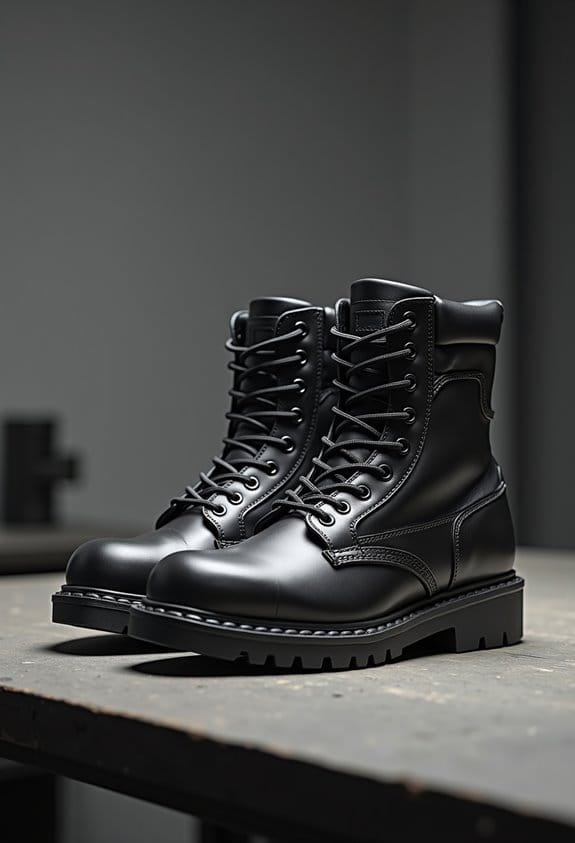
Side-zip tactical boots save time, offering quick on-and-off access with padded leather to reduce discomfort and increased durability from less heel wear. Their zippers are designed for strong ankle support and often include laces for fit adjustment. Traditional lace-up boots provide customizable fit, better weatherproofing, and enhanced traction but take longer to fasten and may cause pressure points. Both types have unique strengths; understanding these differences helps you select the best boot for your needs and activities.
Key Takeaways
- Side-zip boots offer faster donning and doffing, saving about 20 seconds per boot compared to lace-up models.
- Traditional lace-up boots provide a customizable fit that reduces foot movement and blister risk during extended wear.
- Side-zip models use advanced zipper technology for improved durability and reduced heel wear versus laces.
- Lace-up boots generally have better weatherproofing and enhanced ankle and toe protection features.
- Side-zip boots may prioritize quick access and comfort, while lace-ups excel in adjustable fit and traction security.
Advantages of Side-Zip Tactical Boots
While both side-zip and traditional lace tactical boots serve protective purposes, side-zip models offer distinct advantages for users who need speed and convenience. What makes side zippers beneficial in tactical boots?
- Quick and easy donning and doffing saves about 20 seconds per boot, vital in emergencies.
- Comfortable work boots include padded leather behind the zipper, enhancing comfort without sacrificing accessibility.
- Side zippers reduce heel wear from frequent removals, extending the footwear’s lifespan.
- Modern safety footwear with improved zipper technology minimizes malfunction risks.
- Customizable fit remains possible since many side-zip tactical boots still incorporate laces or adjustable features.
What are the pros and cons? Side-zip boots emphasize rapid use and long-term comfort compared to traditional lace-up designs, making them practical for those needing efficiency. Additionally, many side-zip designs include breathable materials that promote airflow and foot comfort during extended wear.
Common Concerns and Misconceptions About Side-Zip Boots

Although side-zip tactical boots offer clear advantages in speed and convenience, several common concerns and misconceptions still influence user opinions. What are these misunderstandings about side-zip boots?
- Do zippers cause ankle discomfort? Quality zippers in side-zip boots are designed to protect the ankle from abrasion, maintaining a comfort fit.
- Are zippers less durable? Modern zipper technology guarantees longevity that often exceeds the boot’s sole lifespan.
- Is ankle protection compromised? Reputable brands include safety features that keep strong structural support intact.
- Are quick-donning abilities reliable in work environments? Many users report that side-zip boots save significant time in emergencies, around 20 seconds per boot.
Additionally, choosing boots with the right fit and size options can further enhance comfort and performance while preventing restricted circulation.
Understanding these points can clarify doubts about side-zip boots and their performance in demanding settings.
User Experience and Feedback on Side-Zip Boots

Because side-zip tactical boots have gone through significant design improvements, many users now report greater convenience and comfort during use. What benefits do side-zip boots offer?
- Ease of use: Side-zip boots allow quick on-and-off, ideal for fast changes.
- Comfort: Modern designs reduce zipper rubbing on the ankle, enhancing wearability.
- Durable construction: Zipper failures are rare, with durability often surpassing sole wear issues.
- Waterproofing: Improved sealing keeps feet dry in various environments.
What limitations remain? Some users prefer lace-up boots for their customizable fit, which they find essential during extended wear. Overall, side-zip boots balance convenience and durability well, though those needing precise support may lean toward lace-up options. Additionally, incorporating slip-resistant outsoles can significantly enhance safety and stability in demanding conditions.
Benefits of Traditional Lace-Up Tactical Boots
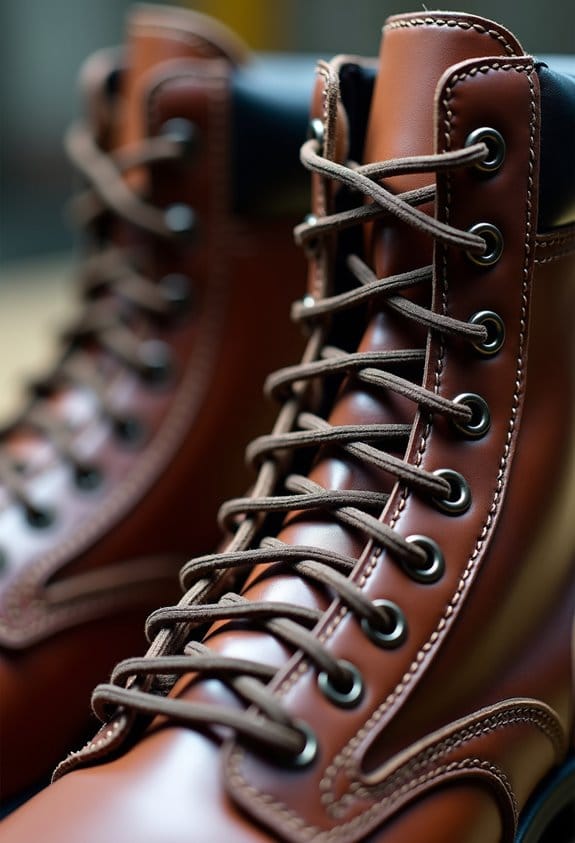
Side-zip tactical boots offer quick convenience and decent durability, but traditional lace-up boots remain preferred for many users because of their customizable fit and enhanced support. What benefits do traditional lace-up tactical boots provide?
- Customizable fit through adjustable laces allows for precise tightening or loosening to suit different foot shapes and activities.
- Secure fit minimizes internal movement, which helps reduce the risk of blisters during long wear.
- Superior weatherproofing guarantees a tighter seal against water and debris, making them suitable for harsh outdoor conditions.
- Advanced safety features, like reinforced toe caps and ankle protection, provide added security in demanding environments.
- Laces can be easily replaced, enhancing boot durability and lifespan compared to zipper alternatives.
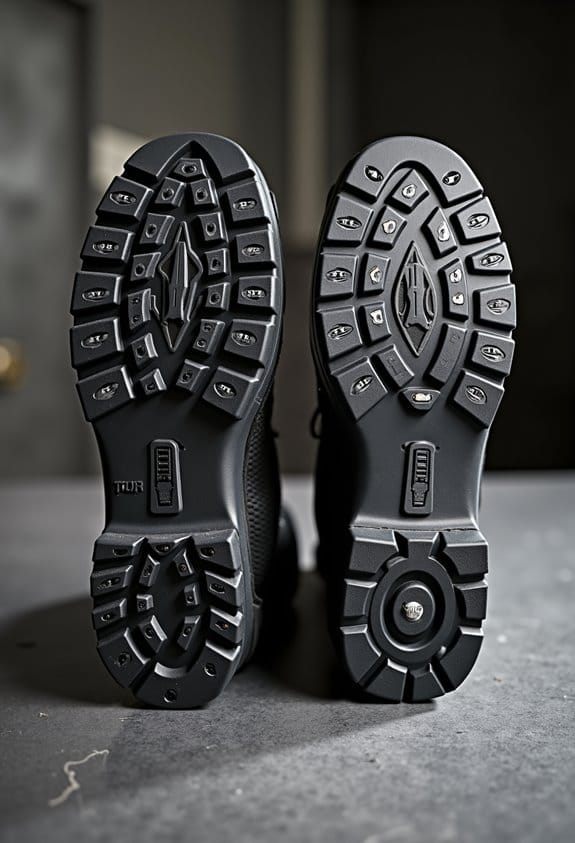
- Additionally, traditional boots often feature aggressive lug patterns on their soles, offering enhanced traction on diverse terrains.
Challenges and Limitations of Lace-Up Boots

When considering traditional lace-up tactical boots, it is important to recognize several challenges and limitations that may affect their practicality. What are the main concerns with laced boots?
- Lace-up boots provide a customized fit by allowing you to adjust the fit precisely, yet this can cause uneven pressure and reduce overall comfortable fit during long use.
- The time to fasten and unfasten these boots reduces quick access utility, which may delay deployment in urgent situations.
- Loose or untied laces present potential tripping hazards during vigorous activities.
- Maintaining laces can be cumbersome since they may fray, break, or wear out, requiring frequent replacement.
Choosing Between Side-Zip and Lace-Up Tactical Boots
How can one decide between side-zip and traditional lace-up tactical boots for various situations? Consider these points:
- Side-zip boots offer fast convenience, allowing quick on and off, ideal for emergencies or rapid gear changes.
- Lace-up boots provide a snug fit and better ankle support, suited for long-term wear and rigorous activities.
- Traditional lace-up boots tend to be more durable because laces can be replaced easily, while zippers risk breaking or jamming.
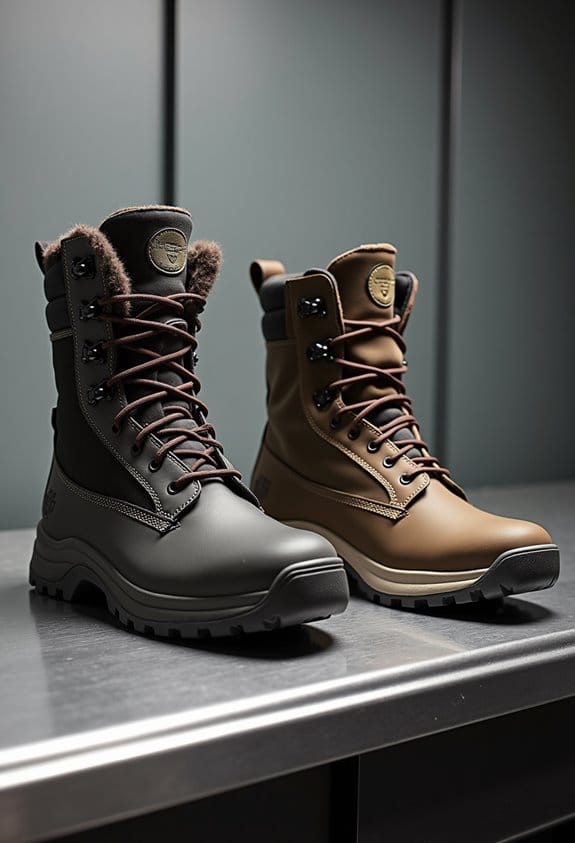
- If specific needs require both speed and adjustability, hybrid boots with zippers and laces combine benefits.
- Assess your typical activities: side-zip for rapid access, lace-up for secure fit and lasting use.
- Choose boots that balance convenience, fit, and durability based on your operational demands and personal comfort preferences.
- Additionally, consider the impact of boot height and weight on mobility and ankle support, as these factors significantly influence comfort and performance during extended use, as seen in models like Under Armour’s mid-height tactical boots.
Frequently Asked Questions
Which Boots Are Better, Lace or Laceless?
Lace boots excel in lace durability, ankle support, and comfort levels, though heavier and slower in speed lacing. Side-zip boots offer zipper convenience, quicker wear, varied style choices, but often higher price differences and lighter weight.
Are Boots With Zippers Better?
Boots with zipper convenience offer fast access and varied style options but may sacrifice lace durability and ankle support. Weather resistance and weight considerations differ, making user preference key in choosing between zippers or traditional laces.
Are Side Zip Boots Allowed in the Army?
Side zip boots are allowed under army regulations if meeting standards. They offer side zip advantages like rapid wear, complement tactical gear, and support boot performance. Soldier preferences, deployment considerations, footwear comfort, and boot maintenance also influence usage.
Are Laceless Work Boots Good?
Laceless boots revolutionize footwear, boasting unmatched laceless boot advantages like swift ease of use and enhanced safety features. However, durability comparison analysis and performance impact assessments reveal potential laceless boot disadvantages, necessitating comfort factors consideration alongside style preferences exploration.