As an Amazon Associate, we earn from qualifying purchases. Some links on this site are affiliate links at no extra cost to you. Our recommendations are based on thorough research and editorial judgment.

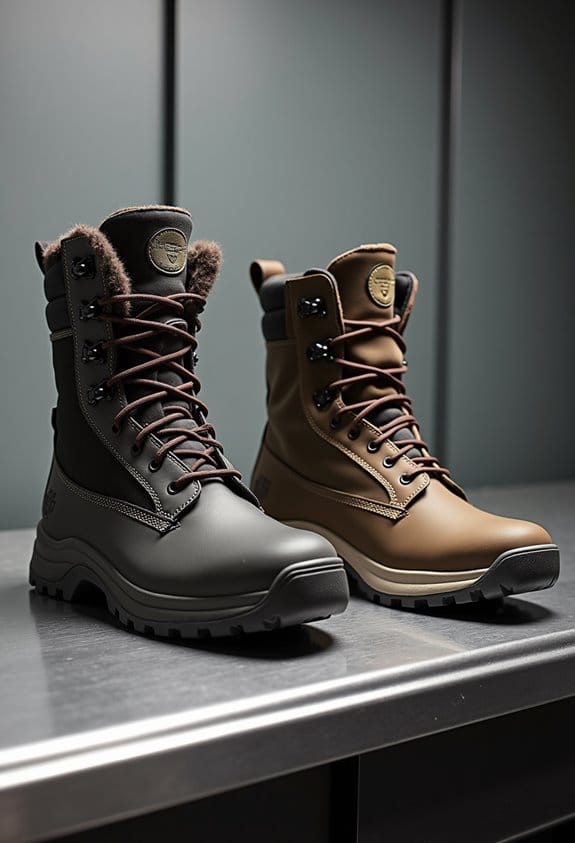
Insulated vs. Non‑Insulated Tactical Boots for Cold‑Weather Missions

Insulated tactical boots trap heat to keep feet warm in freezing conditions, using materials like Thinsulate and sealed seams to prevent moisture entry. Non-insulated boots offer better breathability and flexibility, ideal for active missions and milder cold, often including waterproof membranes like GORE-TEX for moisture protection. Choosing depends on your mission’s intensity and weather, balancing warmth with comfort and dryness. Understanding these features helps optimize your gear for cold-weather tasks.
Key Takeaways
- Insulated boots retain heat with materials like Thinsulate, ideal for freezing or static cold-weather missions.
- Non-insulated boots offer superior breathability and moisture management during active tasks in milder cold conditions.
- Waterproof membranes, such as GORE-TEX, are essential in both boot types to keep feet dry and maintain insulation efficiency.
- Proper fit and sealed seams in insulated boots prevent water intrusion and optimize warmth retention.
- Activity type and environment dictate boot choice: insulated for static cold, non-insulated for mobility and variable temperatures.
The Role of Insulation in Tactical Boots
Insulation plays an essential role in the performance of tactical boots used in cold weather. What does insulation do? It helps maintain warmth by trapping heat around your feet, greatly reducing the risk of frostbite in frigid environments. Insulated boots generally feature layers such as Thinsulate, ranging from 200 to 1,000 grams, adapted for different cold-weather conditions. How does insulation affect comfort? It improves foot comfort by regulating moisture through moisture-wicking materials, preventing sweat buildup that can reduce warmth and performance. What should you consider when choosing insulated tactical boots? Make sure they provide adequate breathability to avoid overheating, fit properly to sustain insulation effectiveness even when wet, and suit your activity level to balance warmth and mobility. These features collectively support sustained foot warmth and enhanced tactical performance in cold missions. Additionally, selecting boots with sealed seams is important to prevent water intrusion and maintain insulation efficiency in harsh weather.
Advantages of Non-Insulated Boots for Active Use
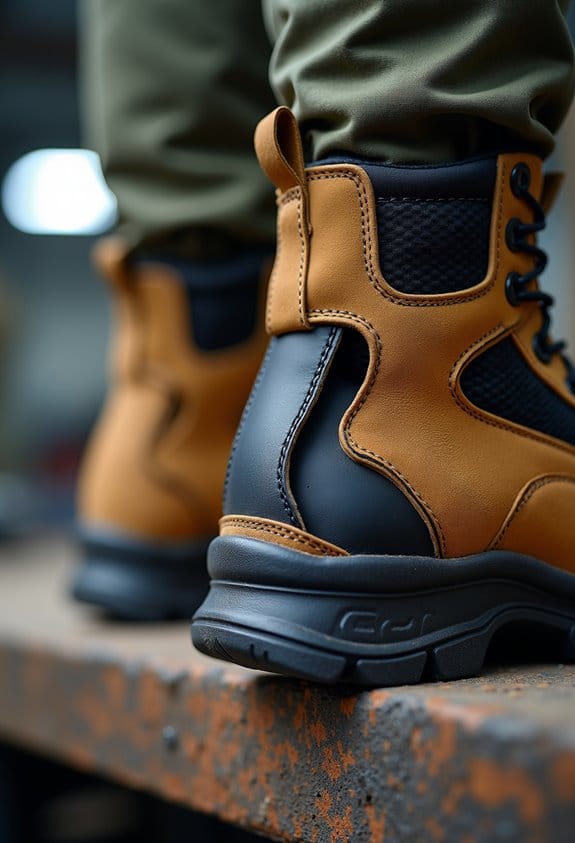
Frequently chosen for their breathability and flexibility, non-insulated tactical boots provide several benefits during active use in cold weather. What advantages do non-insulated boots offer compared to insulated boots? Consider the following:
- Breathability: Non-insulated boots allow air circulation, helping prevent overheating during intense physical activity.
- Moisture-wicking properties: When paired with proper socks, these boots help keep feet dry by managing sweat.
- Foot temperature management: They adapt well to changing conditions, supporting comfort without added bulk.
- Mobility: Lighter and more flexible than insulated boots, they enhance agility for tactical missions.
- Waterproof technologies: Many non-insulated boots include membranes like GORE-TEX, which protect from moisture while preserving breathability.
- Custom sock layering: The absence of insulation allows wearing thicker socks, giving temperature control tailored to activity levels.
Additionally, the use of boots with lightweight design features can significantly reduce foot fatigue and improve overall comfort during prolonged missions.
These features make non-insulated boots an effective choice for dynamic outdoor environments requiring both protection and mobility.
Weather Considerations for Boot Selection

Several factors should be considered when selecting tactical boots for cold-weather conditions, as the right choice depends on temperature extremes, weather patterns, and physical activity levels. How do insulation levels affect boot choice? Insulated boots, with insulation ranging from 200 to 1,000 grams, help keep your feet warm in freezing conditions. When might non-insulated boots be better? They offer breathability and better foot temperature management during intense movements or milder cold weather conditions. What role do waterproof technologies play? Boots equipped with waterproof features keep feet dry in rain or heavy snow, essential regardless of insulation levels. How should you use weather forecasts? Assess upcoming weather conditions to decide if insulated boots or non-insulated boots will best maintain warmth and dryness, thereby ensuring comfort and safety in cold weather missions. Additionally, choosing boots with waterproof membranes enhances warmth retention by keeping moisture out and preventing heat loss.
Balancing Comfort and Performance in Cold Conditions

When selecting tactical boots for cold weather, it is essential to balance comfort with performance to guarantee both warmth and mobility during missions. What features support this balance?
- Insulated boots provide superior insulation with materials like Thinsulate, making them ideal for harsh winter conditions.
- Non-insulated boots offer greater breathability, which helps regulate temperature during active use and prevents overheating from sweat.
- Waterproofing technology such as GORE-TEX plays an important role in keeping your feet dry, enhancing both comfort and safety.
- Comfort features like padded collars and moisture-wicking linings improve suitability for prolonged wear in boots designed for winter.
- Additionally, choosing boots with waterproof materials and sealed seams ensures enhanced protection and durability in wet, cold environments.
How do you secure both safety and performance? Choose boots that maintain warmth without sacrificing breathability or waterproofing, allowing for effective movement and foot health in cold weather.
Recommendations Based on Activity Type and Environment

Because activity type and environment greatly influence footwear needs, selecting the right tactical boots requires evaluating both factors carefully. When do insulated boots outperform non-insulated boots? Choose insulated boots for cold weather missions involving static tasks or temperatures drop below freezing. These boots provide warmth and comfort, preventing foot fatigue from prolonged exposure. How do non-insulated boots fit into colder environments? They excel during active missions, such as hiking or patrolling, by offering better moisture management and mobility, which improves performance. What if the environment is variable? Alternating between insulated and non-insulated boots depending on activity level and weather conditions optimizes comfort and reduces overheating risks. Ultimately, balancing insulation with flexibility makes sure tactical boots meet specific mission demands efficiently and safely. Additionally, selecting boots with breathable materials enhances comfort by regulating temperature and minimizing moisture buildup during extended wear.
Frequently Asked Questions
At What Temperature Do I Need Insulated Boots?
Insulated boots are needed below 20°F for cold weather protection. Temperature ratings, insulation materials, and waterproof features guarantee comfort levels, while sizing considerations, foot mobility, maintenance tips, breathability options, and boot weight influence overall performance.
Are Tactical Boots Good for Winter?
Tactical boot performance excels in winter weather challenges, with 1,000-gram insulation materials providing warmth and moisture-wicking properties. Sole grip importance, ankle support needs, and boot weight impact balance comfort versus warmth, prioritizing functionality over style.
What Does the US Military USe for Extreme Cold Weather Boots?
The US military employs extreme cold weather boots adhering to strict military boot specifications, featuring advanced thermal insulation technology, waterproof materials, fabric durability standards, varied boot height options, effective traction performance, temperature regulation systems, precise sizing and fit, plus routine maintenance and care.
What Is the Best Extreme Cold Weather Boot?
The best extreme cold weather boots balance high boot insulation, warmth retention, superior materials quality, and moisture control. They offer durability, reliable temperature ratings, enhanced foot protection, comfort factors, and tactical performance suited for severe cold environments.