As an Amazon Associate, we earn from qualifying purchases. Some links on this site are affiliate links at no extra cost to you. Our recommendations are based on thorough research and editorial judgment.


Temperature Differences: Steel‑Toe vs. Composite‑Toe in Hot and Cold Conditions

Steel-toe boots conduct heat and cold directly, increasing foot discomfort in extreme temperatures, which can distract you from hazards. Composite-toe boots, made from materials like Kevlar and fiberglass, provide insulation that helps keep your feet warmer in cold weather and cooler in heat. Their lightweight, non-conductive design also reduces fatigue and improves comfort during long shifts. When selecting footwear, consider how temperature affects comfort and protection to choose the best option for your work environment. Further details explain these differences.
Key Takeaways
- Steel toe boots conduct heat and cold efficiently, increasing foot discomfort in extreme temperatures.
- Composite toe boots use insulating materials like Kevlar and fiberglass, reducing heat transfer to the feet.
- Composite toes maintain cooler feet in hot environments and warmer feet in cold conditions.
- Lightweight composite boots reduce foot fatigue and improve comfort during long work hours.
- Steel toes may cause distraction due to discomfort, while composite toes enhance thermal comfort and safety.
Heat Conductivity of Steel Toe Boots
Although steel toe boots are widely used for their strong protective qualities, their high heat conductivity presents distinct challenges in hot environments. What causes this discomfort? The steel toe material efficiently transfers heat from external surfaces directly to your feet. How can this impact you at work? Increased temperature inside your footwear may lead to significant discomfort during hot conditions. What alternatives are available? Composite toe boots, which do not conduct heat, offer better comfort in such settings. How does comfort affect safety? Discomfort can distract you from recognizing workplace hazards effectively. What should be considered when choosing footwear? You must balance protection needs with comfort, especially when working in high-temperature environments. Understanding these factors helps in selecting the most suitable safety footwear for your needs. Additionally, evaluating moisture management features like breathable waterproof membranes and moisture-wicking linings can further enhance comfort and reduce foot fatigue.
Recommended Products

Built-in internal metatarsal guard for added foot protection

Lighter weight with cool comfort in warmer temperatures, our unlined leather boots will mold perfectly to your foot.

CARBON SAFETY TOE - Maximum safety and lightweight design. Built with slip resistant outsole for stability and traction in outdoor and indoor work environments
Insulation Benefits of Composite Toe Boots

Because composite toe boots use non-metal materials such as Kevlar and fiberglass, they provide superior insulation compared to steel toe boots, which conduct heat and cold more readily. How do these insulating properties benefit you?
- In cold environments, composite toe boots maintain foot warmth by reducing heat conduction, unlike steel toe boots that may feel very cold.
- The thermal insulation in composite materials enhances comfort levels during long hours, especially in low temperature conditions.
- Composite toe boots are lightweight, decreasing foot fatigue and improving mobility when wearing safety footwear.
- They also work well in temperature conditions where heat conduction from metal parts could pose risks.
Additionally, many composite toe models incorporate waterproof membranes to keep feet dry and comfortable in wet conditions.
Recommended Products

10 inch tall 2.8mm thick full grain leather uppers

NFPA 1971, NFPA 1990(1992), ASTM F2413 & CAN/CSA-Z195 certified

10" tall leather uppers made from 2.8 mm full grain leather feature double and triple stitching throughout for added durability
Impact of Cold Weather on Footwear Comfort

When temperatures drop, the materials used in your footwear play an essential role in comfort and protection. How do steel toe boots compare to composite toe boots in cold weather? Steel toe boots conduct cold temperatures, which increases foot fatigue and discomfort for wearers. In contrast, composite toe boots consist of non-conductive materials like Kevlar and fiberglass that provide better insulation, maintaining warmth in frigid conditions. What benefits do composite toe boots offer in outdoor work settings? They reduce the risk of frostbite by limiting cold transfer to the feet and enhance overall comfort due to their lightweight and insulating properties. For those working outdoors in cold environments, choosing boots with suitable insulation considerably improves foot comfort and safety during extended exposure to low temperatures. Additionally, boots featuring Thinsulate insulation offer thermal resistance specifically designed to maintain warmth in cold environments.
Recommended Products

Composite toe is ASTM F2413-11 M I/75 C/75 EH rated
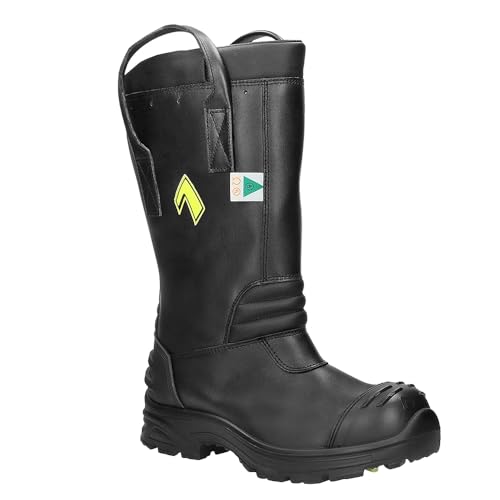
Certified to NFPA 1971, NFPA 1990 (1992), ASTM F2413 & CAN/CSA-Z195
Choosing Boots for Seasonal Work Environments
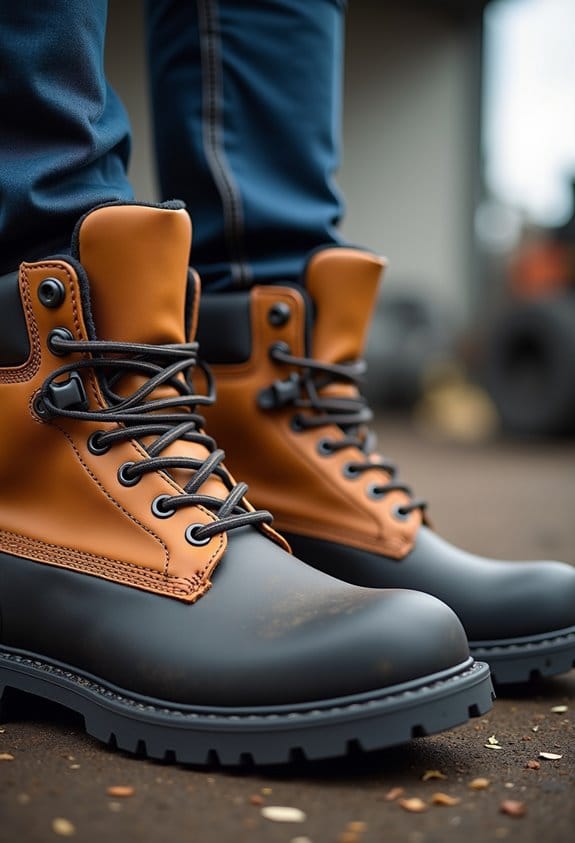
Since seasonal work often involves exposure to widely varying temperatures, selecting the right boots becomes critical to maintaining foot comfort and safety. Which toe type works best for temperature extremes?
- Steel toe boots provide strong foot protection but can conduct heat in hot conditions and feel cold in cold environments.
- Composite toe boots offer better insulation and use non-conductive materials, keeping feet cooler in hot weather and warmer when it’s cold.
- Comfort during long workdays improves with lighter composite toe boots, which reduce fatigue across changing seasonal conditions.
- For seasonal work, consider the specific hazards and temperature extremes you face; composite toe boots generally deliver better overall comfort and insulation.
Choosing the right toe style balances safety and comfort, ensuring effective foot protection regardless of weather. Additionally, selecting boots with temperature regulation features can further enhance comfort in both hot and cold environments.
Recommended Products
10" tall leather uppers made from 2.8 mm full grain leather feature double and triple stitching throughout for added durability
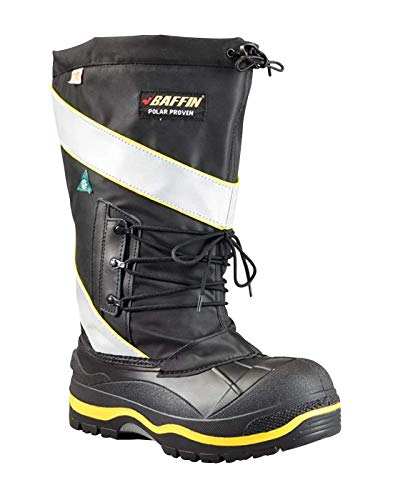
BAFFIN POLAMP02 Miner Boot,15,EE,Black,Composite,PR

BAFFIN 7157-0238-001 8" Work Boot,7,EE,Black,Composite,PR
Material Technology Influencing Temperature Regulation
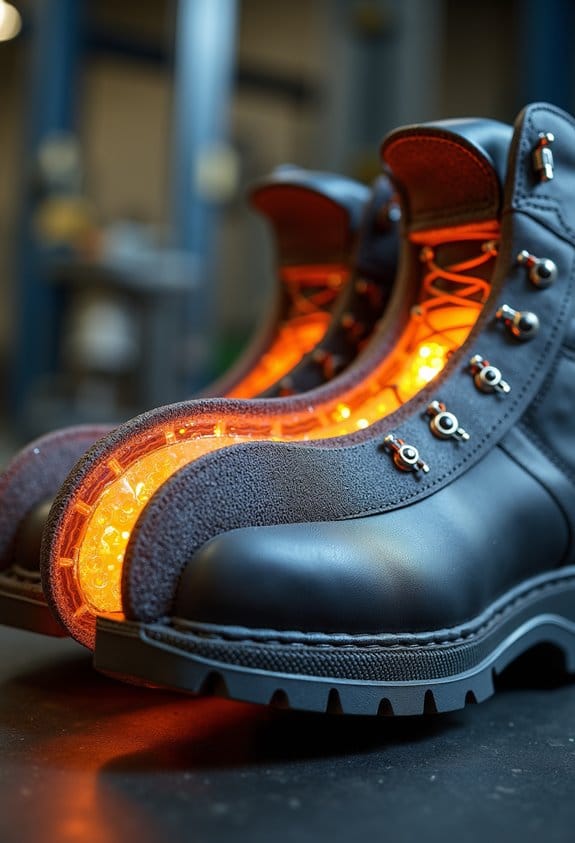
Understanding how different materials affect temperature regulation in boots helps improve comfort and safety across various work conditions. What materials influence temperature regulation in steel toe and composite toe boots? Steel toe boots conduct heat and cold, making them feel colder in winter and hotter in summer, which can reduce wearer comfort. In contrast, composite toe boots use insulating materials like Kevlar and fiberglass to regulate temperature and maintain warmth in cold climates. How do these materials impact safety? Composite toes have non-conductive properties, offering better protection in environments with electrical hazards. What about comfort in extreme conditions? Composite toe boots provide enhanced comfort due to their lightweight design and superior insulation, making them preferable in both hot and cold settings. Additionally, selecting boots with breathable materials aids in managing moisture and heat buildup for improved temperature regulation. Understanding these material technologies helps you choose the right boot for your needs.
Recommended Products

STEEL TOE boots protect your feet on the job with a steel shank for support and stability

STEEL TOE boots protect your feet on the job with a steel shank for support and stability

Thorogood 9" Round Toe Waterproof Work Boots for Men with a Non-Safety Toe, Stud Horse - 10.5 X-Wide
Stud Horse American Full-grain Leather; Waterproof
Frequently Asked Questions
Is Composite Toe Warmer Than Steel Toe?
Like a cozy blanket, composite toe warmth surpasses steel’s chill by offering superior composite insulation effectiveness and temperature retention capabilities while balancing toe protection benefits, material flexibility advantages, and comfort level differences, despite steel durability comparison and heat conduction rates.
Does Composite Toe Get Cold in the Winter?
Composite toe boots do not get cold in winter due to superior insulation properties and low thermal conductivity. Material differences enhance heat retention and weather resistance, improving comfort level and foot protection, critical for functionality factors in various industry applications.
Does HVAC Need Steel Toe?
Like a fortress guarding a gate, steel toe boots meet HVAC safety standards by offering superior toe protection and footwear durability. Their heat resistance suits varied jobsite conditions, balancing comfort levels, work environment needs, training requirements, and employee preferences.
Does OSHA Allow Composite Toe?
OSHA permits composite toe footwear as long as it meets safety certifications equivalent to steel toe standards. Occupational safety regulations emphasize workplace safety through protective footwear, recognizing various safety footwear types and toe protection benefits based on material comparisons and industry requirements.


