As an Amazon Associate, we earn from qualifying purchases. Some links on this site are affiliate links at no extra cost to you. Our recommendations are based on thorough research and editorial judgment.


Comparing Durability of Steel, Composite, and Alloy Toe Caps Over Time

When comparing steel, composite, and alloy toe caps over time, consider these points: Steel offers high durability and impact resistance but rusts in moisture, causing eventual replacement. Composite caps resist rust and electricity but may wear faster under heavy impact. Alloy caps balance weight and strength, resist rust, yet dent under extreme pressure. Your choice depends on work conditions like humidity and electrical hazards. For a detailed understanding of each material’s benefits and drawbacks, explore further insights.
Key Takeaways
- Steel toe caps offer the highest durability but are prone to rust and corrosion in moist environments over time.
- Composite toe caps resist rust and corrosion, maintaining durability in humid conditions but may wear faster under harsh impacts.
- Alloy toe caps resist rust better than steel but can dent or crack under extreme pressure, affecting long-term durability.
- Environmental exposure, such as moisture and temperature extremes, significantly impacts the lifespan of all toe cap materials differently.
- Regular maintenance is essential, especially for steel and alloy toes, to preserve impact resistance and compliance with safety standards.
Understanding Safety Toe Caps
You may be interested

1 Best Drilling Rig Boots for 2026 That Combine Safety & Comfort
October 11, 2024

Safety toe caps play an essential role in protecting your feet from injuries caused by impact and compression in hazardous work environments. What types of safety toe caps are available? There are three main kinds:
- Steel toe: Known for superior impact resistance and high durability, it can withstand heavy impacts and compression but is heavier than others.
- Composite toe: Made from non-metal materials such as Kevlar and carbon fiber, it is lighter, offers good impact resistance, and resists corrosion and electricity.
- Alloy toe: Approximately 30% lighter than steel, it provides solid impact protection but may be less durable under extreme pressure.
How do these compare in durability and impact resistance? Steel toes offer the most durability, composite toes balance weight and protection, and alloy toes provide lighter yet strong protection. Understanding these differences helps you select the best safety toe cap for your job. Additionally, choosing boots with electrical hazard protection can be critical depending on your work environment.
Materials Used in Steel Toe Caps

Steel toe caps are primarily made from high-carbon steel, a material chosen for its strength and ability to protect feet from heavy impacts and compression injuries. What materials make steel toe caps durable? High-carbon steel provides excellent impact resistance, allowing these caps to meet ASTM F2413-24 safety standards, withstanding up to 75 pounds of impact and 2,500 pounds of compression. How does the material affect performance? The steel is shaped into a quarter hollow ball design embedded in the boot’s sole, enhancing protection. However, steel toe caps have susceptibility to rust and corrosion when exposed to moisture, which may weaken their integrity. Also, their weight can increase foot fatigue during prolonged use, especially in demanding environments. Understanding these materials helps you choose the right safety footwear for your needs. Many steel toe boots also incorporate shock absorption technology in the midsoles to reduce fatigue and improve comfort during long shifts.
Composition and Construction of Composite Toe Caps

Although composite toe caps differ from traditional metal caps, they offer strong protection using advanced non-metallic materials such as carbon fiber, fiberglass, and Kevlar. What makes composite toe caps effective? They provide impact protection by absorbing and distributing force like steel, ensuring durability and safety over time. How do these materials benefit you? Composite toe caps deliver lightweight protection, reducing fatigue during long work shifts, and do not rust or conduct electricity. What should you consider? Their thickness often makes them bulkier, which can affect comfort and fit in footwear. Why choose composite toe caps? They are metal detector friendly and suitable for electrical and temperature-sensitive environments. These features make composite toe caps a practical choice for those prioritizing safety and lightweight durability in demanding work conditions. Additionally, it is important to confirm that composite toe boots meet ASTM F2413 standards to guarantee adequate impact and compression resistance.
Characteristics of Alloy Toe Caps

Alloy toe caps combine metals such as aluminum and titanium to create a protective barrier that balances strength and weight. What are key characteristics of alloy toe caps?
- They are about 30% lighter than traditional steel toe caps, which aids comfort during long wear.
- Alloy toe caps offer comparable impact and compression resistance to steel, meeting safety standards for up to 75 pounds of impact and 2,500 pounds of compression.
- Unlike steel, alloy caps do not rust, enhancing their durability in wet conditions.
- However, alloy caps may be more prone to dents or cracks under extreme pressure compared to steel.
- When considering job requirements, alloy toe caps provide a mid-range option between heavier steel and lighter composite materials, balancing cost and protection effectively.
- Additionally, alloy toe caps are often integrated into boots with features such as removable cushioned footbeds and moisture-wicking linings to enhance overall comfort and safety.
Impact Resistance Comparison

When choosing toe caps for protective footwear, understanding their impact resistance capabilities is essential for workplace safety. How do steel toe caps compare to composite toe caps in this regard? Steel toe caps withstand up to 75 pounds of impact force and 2,500 pounds of compression, making them highly durable. Composite toe caps offer comparable impact resistance by absorbing collision energy without bending or breaking. What about alloy toe caps? They provide similar protection to steel but weigh about 30% less, offering comfort during extended use. Are these types compliant with regulations? All three toe cap types are designed to meet ASTM F2413-24 standards for safety footwear, ensuring reliable durability and impact resistance across various environments, although long-term corrosion risk differs. Additionally, many protective shoes with these toe caps incorporate electrical hazard protection to enhance safety in energized work environments.
Recommended Products

Timberland PRO 24/7 Comfort System: A unique comfort system that meets the most rigorous worksite demands- 24 hours a day, 7 days a week- the Timberland PRO 24/7 comfort suspension system technology helped reduce foot fatigue, supports the arch and cushions every step

Steel Toe Protection – Solid steel cap meets ASTM F2413-05 & ANSI Z41 PT91 Class 75 standards for impact and compression resistance.
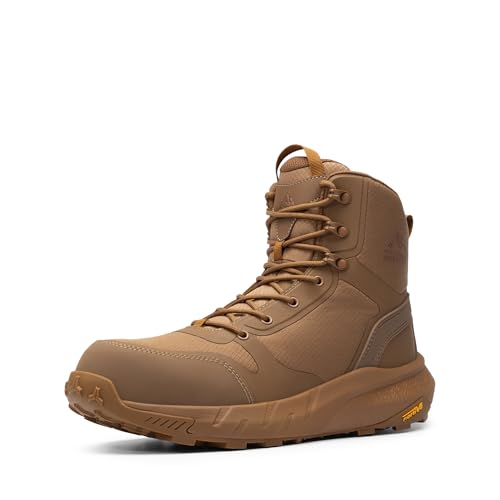
Safe & Protective: Meeting ASTM F2413-24 I/75 standards for impact resistance and ASTM F2413-24 EH standards for electrical hazard resistance, these nano composite toe boots for men feature a corrosion-resistant nano toe cap that protects toes from falling objects and electrical risks. Without heat and cold transmission, these nano toe boots are ideal for work in extreme weather conditions.
Wear and Tear in Harsh Conditions
Because workplace conditions vary greatly, understanding how different toe caps endure wear and tear is essential when selecting protective footwear. How do steel, composite, and alloy toes perform in harsh conditions?
- Steel toes offer high durability and strong protection but can rust and corrode when exposed to moisture, reducing their longevity.
- Composite toes resist rust and corrosion, making them suitable for wet environments, though they may wear faster under extreme impacts.
- Alloy toes balance durability and resistance to rust while being lighter, but they can dent or crack under excessive force.
- Composite and alloy materials better maintain protection against thermal stress, resisting wear caused by extreme temperatures.
- Choosing footwear with reinforced toe protection enhances durability and safety in demanding kitchen environments.
Recommended Products

Solid safety composite toe cap provides ultra protection against impact and compression hazards; It's been tested it can withstand up to 2500 pounds of vertical pressure and 75 pounds of vertical instant shock
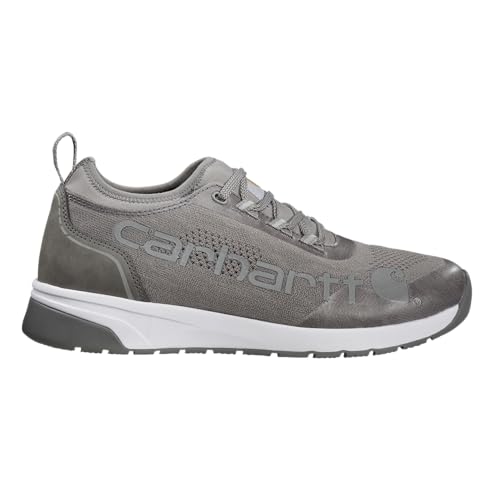
Lightweight knit upper with reflective safety details and abrasion-resistant heel and toe

Safety Composite Toe Cap: ASTM F2413-18 safety certification. Solid composite toe provides ultra protection against impact and compression hazards. It’s been tested it can withstand up to 2500 pounds of vertical pressure and 75 pounds of vertical instant shock. Allowing you to work risk free and bring out your better at work.
Weight and Comfort Over Time
How does the weight of different toe cap materials impact comfort during extended wear? Weight plays a significant role in overall comfort and fatigue when wearing protective footwear for long periods. Consider these points:
- Steel toe caps are heavier, which can increase foot fatigue and reduce comfort during extended use.
- Composite toe boots weigh 30-50% less than steel options, substantially improving comfort and reducing fatigue risks.
- Alloy toe caps offer about a 30% weight reduction compared to steel, balancing protection and comfort effectively.
- Lightweight composite and alloy toe caps distribute weight more evenly, which supports mobility and lessens discomfort.
- Over time, composite toe boots maintain their lighter weight without corrosion issues that might affect steel comfort.
Both New Balance Mens Composite Toe Speedware Shoes and LUPWEE Steel Toe Safety Work Shoes highlight the benefit of lightweight composite toe designs in reducing fatigue during long work hours.
Selecting a toe cap material with lower weight contributes to sustained comfort and less fatigue in demanding work environments.
Recommended Products

Anti-Fatigue Technology: A comfort system designed with shock-absorbing, geometrical technology that returns energy back to the foot to deliver all-day support and comfort.

COMPOSITE TOE SHOES FOR MEN: New Balance Cremorne Men's Mid Safety Shoes is the perfect choice for workers looking for a comfortable safety shoe with a cool, athletic design

Lightweight Composite Toe: These mid-height work shoes for men offer strong metal-free impact protection (ASTM F2413-24 certified). Weighing just 17.64oz (US #10), it prevents heavy boot fatigue. Note: Durable metal eyelets ensure secure lacing but will trigger sensitive metal detectors at checkpoints
Corrosion and Rust Factors
Although many protective toe caps offer strong impact resistance, their ability to withstand corrosion varies greatly by material type, which affects long-term durability and safety. What causes rust and corrosion in toe caps? Steel toe caps are prone to rust because of their iron content, especially in damp environments, which can weaken protection over time. How do composite toe caps perform? Composite toe caps, made from non-metallic materials like Kevlar, resist corrosion and rust completely, maintaining durability in wet conditions. What about alloy toe caps? Alloy toe caps, containing metals such as aluminum and titanium, resist rust but can suffer dents that reduce durability. How is maintenance handled? Steel toe caps require regular cleaning to prevent rust, while composite and alloy toe caps usually need less upkeep to preserve their integrity. Additionally, the integration of waterproof materials like rubber and neoprene in boot construction helps protect the overall durability of the toe cap by minimizing exposure to moisture.
Electrical Hazard Protection Longevity
What factors determine the longevity of electrical hazard protection in toe caps? Several aspects influence how long this protection lasts, including material conductivity, exposure to impact, and environmental conditions. Composite toe work boots provide superior electrical hazard protection because they do not conduct electricity and resist corrosion, ensuring consistent durability over time. In contrast, steel toe caps conduct electricity, which poses safety risks and can degrade as rust forms, reducing their effective protection. Similarly, alloy toe caps conduct electricity and may wear down under heavy impact, compromising their electrical hazard protection. To maintain safety, choose composite toe caps for longer-lasting insulation, especially in environments with frequent electrical risks. These materials sustain electrical protection better, while steel and alloy options may require more frequent replacement due to declining durability and safety concerns. Additionally, it is important to regularly inspect and maintain shoes to ensure compliance with ASTM standards and optimal electrical hazard protection.
Cost Versus Durability Analysis
When evaluating the cost versus durability of toe caps, a careful balance between initial investment and long-term performance is essential. What should you consider when comparing steel, composite, and alloy toe caps?
- Steel toe caps offer the highest durability but can rust, potentially increasing replacement costs despite lower initial cost.
- Composite toe caps, though initially more expensive, resist corrosion and electrical hazards, reducing maintenance expenses over time.
- Alloy toe caps provide a middle ground with strong impact resistance at about 30% lighter weight than steel, often making them a cost-effective option.
How does this affect your choice? Consider both upfront cost and expected lifespan to select toe caps that suit your specific work conditions and budget. Also, keep in mind that steel toe boots provide strong protection against heavy impacts and meet ASTM safety standards, which is crucial for hazardous work environments.
Recommended Products

Timberland PRO 24/7 Comfort System: A unique comfort system that meets the most rigorous worksite demands- 24 hours a day, 7 days a week- the Timberland PRO 24/7 comfort suspension system technology helped reduce foot fatigue, supports the arch and cushions every step.

Breathable leather upper

Durable & Protection: These NORTIV 8 work boots feature a leather and fabric uppe for durability and wear-resistance. Steel toe cap meets ASTM 2413-18 standard, puncture resistant midsole,high boots design provide full protection and ankle support.
Environmental Factors Affecting Durability
After evaluating cost and durability, it is important to understand how environmental factors influence toe cap performance. How do these factors affect different materials?
- Steel toe caps are very strong but can corrode and rust when exposed to moisture, which reduces their durability in wet conditions.
- Composite toe caps do not corrode or rust, making them ideal in humid or corrosive environments, thereby preserving their durability longer.
- Alloy toe caps, while lighter and strong, can also corrode in extreme conditions, which may shorten their lifespan compared to composite options.
- Temperature extremes impact composite toes by providing better insulation, which can protect against damage and improve comfort over time.
Considering these environmental factors helps assess how each toe type maintains durability under specific workplace conditions.
Choosing the Best Toe Cap for Your Work Environment
Since each work environment presents unique challenges, selecting the right toe cap requires careful evaluation of its protective features and material properties. What factors should you consider?
- For high-impact jobs with heavy objects, steel toe caps offer superior durability and maximum protective capabilities.
- If your work environment is wet or humid, composite toe caps resist rust and corrosion better than metal options.
- To reduce weight without sacrificing protection, alloy toe caps provide a good balance, being about 30% lighter than steel while maintaining durability.
- When electrical safety is a priority, composite toe caps are ideal due to their non-conductive nature.
- Finally, consider how wear varies by setting: steel toes may corrode faster outdoors, while composite toes could wear quicker under extreme impact.
Match materials to your environment to guarantee both safety and long-term durability.
Recommended Products

Composite Toe ASTM F2413-11 M I/75 C/75 EH
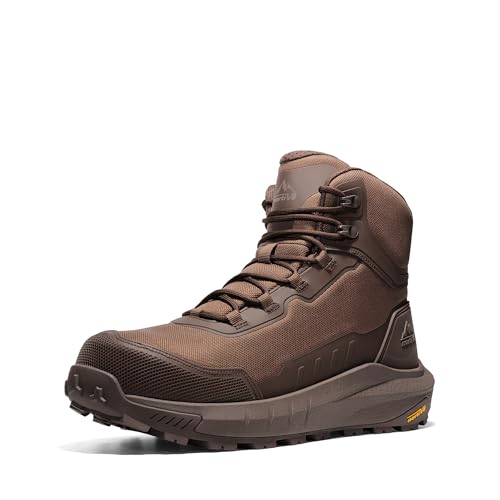
Lightweight and Comfortable: Each boot only weighs approx. 22.5 oz (based on size 9), these men's industrial and construction boots feature a thick E-TPU midsole that offers high energy return and long-lasting durability, reducing foot fatigue during prolonged standing or walking.

Safe & Protective: Meeting ASTM F2413-24 I/75 standards for impact resistance and ASTM F2413-24 EH standards for electrical hazard resistance, these nano composite toe boots for men feature a corrosion-resistant nano toe cap that protects toes from falling objects and electrical risks. Without heat and cold transmission, these nano toe boots are ideal for work in extreme weather conditions.
Frequently Asked Questions
Are Composite Toe Caps as Good as Steel?
Composite toe caps meet compliance standards offering comparable impact protection to steel, with superior user comfort due to lighter weight. They provide better thermal resistance and cost effectiveness, making them a viable alternative without sacrificing durability or safety.
Which Type of Toe Cap Is the Strongest?
In a construction site case, steel toe caps proved strongest due to superior impact resistance despite higher weight and heat conductivity. Composite offers better comfort and flexibility with lower cost; alloy balances weight and durability in comparison.
Is Alloy Toe Better Than Steel Toe?
Alloy advantages include lighter weight and rust resistance, enhancing comfort levels compared to steel. However, steel disadvantages involve corrosion and weight. Alloy offers comparable impact resistance but may cost more, making steel preferable for maximum durability requirements.
How Long Do Steel Toe Cap Boots Last?
Steel toe cap boots typically last 6 months to several years, with boot longevity factors hinging on material wear resistance, comfort over time, maintenance requirements, and usage environment impact—balancing cost effectiveness analysis for ideal replacement timing.


