As an Amazon Associate, we earn from qualifying purchases. Some links on this site are affiliate links at no extra cost to you. Our recommendations are based on thorough research and editorial judgment.


Future Trends in Occupational Footwear Design and Worker Health

Future trends in occupational footwear design focus on lightweight materials like carbon fiber and composites to reduce foot strain. Ergonomic features such as anti-fatigue footbeds and flexible soles improve comfort during long shifts. Increased attention to women’s foot shapes enhances fit and support. Smart technologies track health metrics and detect hazards, improving safety. Sustainable materials and ethical manufacturing lower environmental impact. These innovations collectively reduce workplace injuries and boost productivity. Explore further to understand specific industry applications and advanced customization options.
Key Takeaways
- Integration of smart sensors in footwear will monitor worker health metrics and detect environmental hazards in real-time.
- Sustainable manufacturing using recycled materials and ethical labor practices is increasingly prioritized in occupational footwear production.
- Ergonomic designs with anti-fatigue footbeds and flexible soles enhance comfort and reduce worker fatigue during long shifts.
- Tailored safety footwear designs for women improve fit, support, and injury prevention specific to female foot shapes.
- Lightweight, breathable materials combined with slip-resistant outsoles improve safety, comfort, and productivity in various work environments.
Increased Use of Lightweight Materials in Occupational Footwear
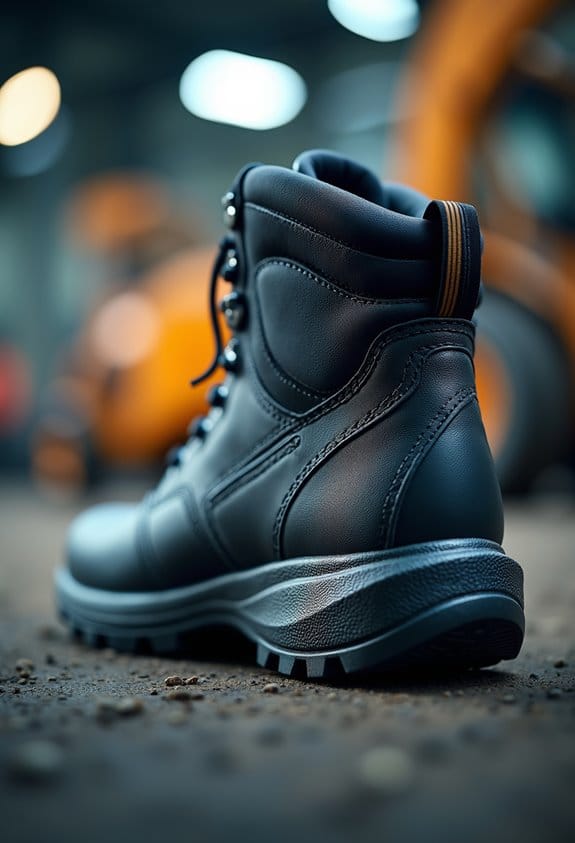
Although traditional work boots provide essential protection, their heavy weight can increase fatigue and reduce mobility for workers. Why are lightweight materials important in occupational footwear? They reduce the overall load on your feet, helping to prevent strain during long shifts. What types of materials are used? Carbon fiber, thermoplastics, and composites are common choices that maintain durability while cutting weight. How does this affect protective footwear? These materials allow work boots to remain strong without sacrificing comfort. What benefits does breathability for comfort bring? Improved air circulation lowers heat and moisture buildup, making the boots more comfortable and reducing fatigue. To conclude, the increased use of lightweight materials in work boots optimizes protection and promotes better worker health through enhanced mobility and comfort. Additionally, features like cushioned midsoles and breathable fabrics contribute significantly to reducing foot fatigue during long workdays.
Enhancing Comfort Through Athletic Styling
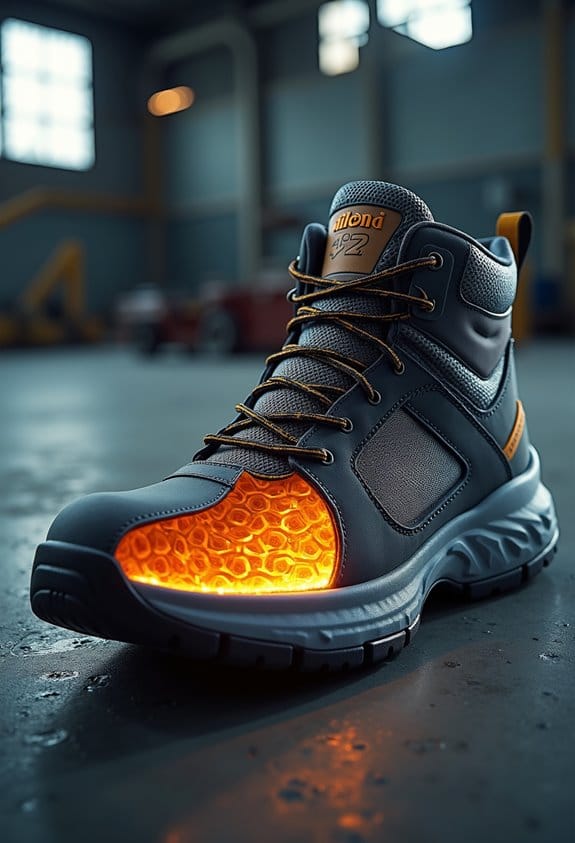
Building on the use of lightweight materials, athletic styling in safety footwear enhances comfort and functionality with new design elements. What features drive this enhancement? Key components include:
- Anti-fatigue footbeds that reduce stress during long shifts.
- Flexible soles accommodating natural foot movement.
- Innovative materials such as strong mesh for durability and moisture-wicking linings for breathability.
How do these features affect worker health and safety? By improving comfort and reducing fatigue, athletic styling encourages consistent use of safety footwear. This better adherence to protective protocols lowers injury risks. Additionally, lighter, sport-inspired designs lessen physical strain, which supports overall worker productivity. You should consider these attributes when selecting occupational footwear to balance protection with comfort effectively. Integrating athletic styling with innovative materials consequently represents a forward step in promoting both health and safety in the workplace. Employing moisture-wicking materials and ventilation channels further enhances breathability and reduces dampness, contributing to foot health during extended wear.
Tailoring Safety Footwear Fit for Women
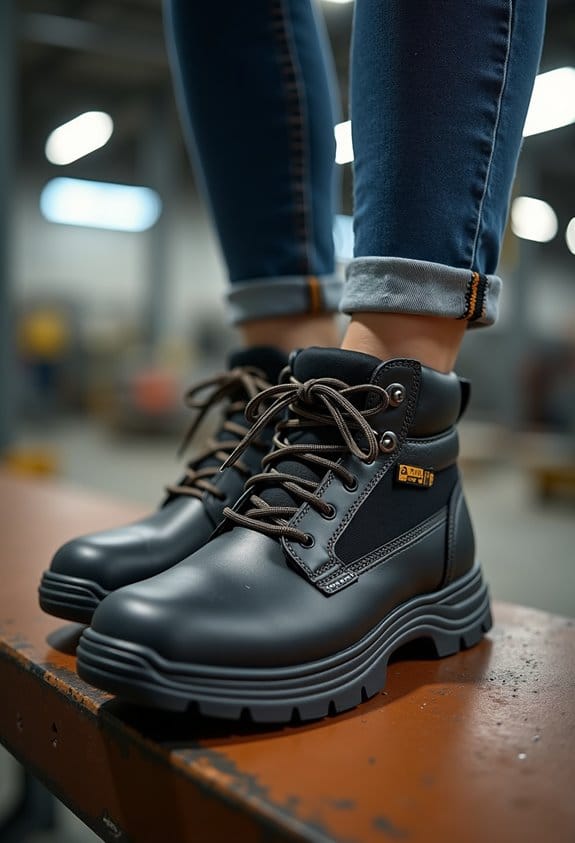
As more women enter trades, the demand for occupational footwear that fits their unique anatomical needs has become increasingly important. What are key safety footwear trends addressing this? Manufacturers now expand size ranges and design shoes that reflect women’s foot shape differences. Why focus on proper fit? It enhances comfort and protection, reducing injury risks and fatigue during work. How do you select appropriate footwear? Consider these guidelines:
- Verify size availability catering to women in the trades.
- Look for designs prioritizing foot arch support and narrower heel cups.
- Read consumer feedback from female workers to identify effective models.
- Choose footwear material and padding that maximize comfort and safety.
Following these steps aligns with evolving safety footwear trends aimed at supporting female workers’ health and productivity. Additionally, selecting shoes with certified compliance with international safety standards ensures reliable protection in diverse work environments.
Integration of Smart and Connected Technologies
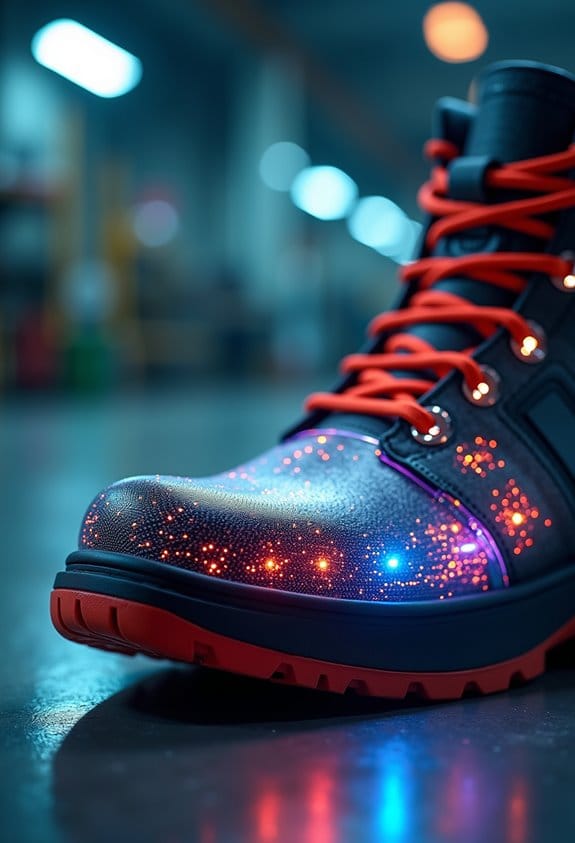
When exploring new advancements in occupational footwear, understanding the integration of smart and connected technologies is essential for improving worker safety and health. How does smart technology enhance safety footwear? It incorporates sensors that track health metrics such as footsteps and geolocation, giving you better awareness of worker activity. What environmental risks can these boots detect? They monitor hazardous elements like toxic gases and radiation, improving wearer protection. How is data managed? Bluetooth connectivity enables real-time data analysis through mobile apps, allowing remote safety monitoring. Additionally, some smart boots detect falls automatically, ensuring prompt assistance. By combining these features, the integration of smart technology in safety footwear supports proactive health monitoring and quick responses to incidents, making workplaces safer and more efficient. Moreover, combining waterproof membranes with smart technology enhances durability and comfort while protecting workers in harsh environments.
Sustainable Manufacturing and Eco-Friendly Practices
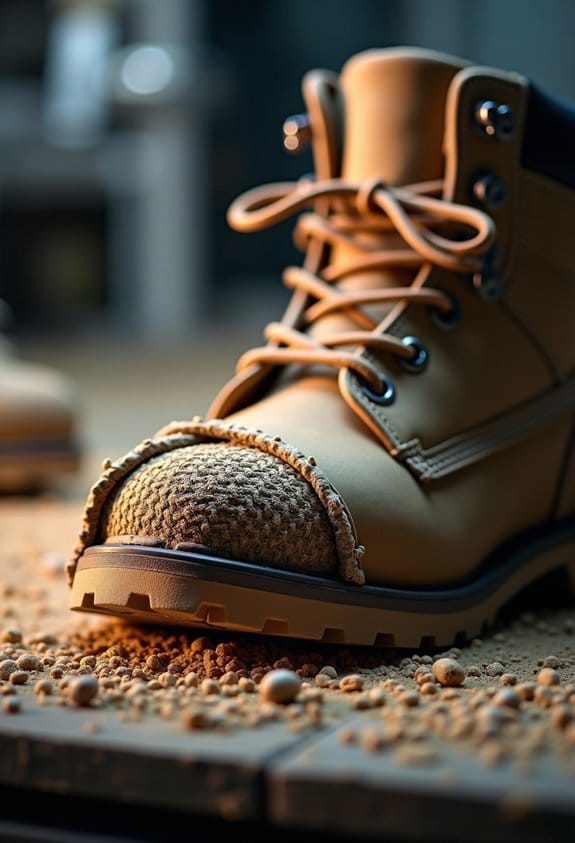
Smart safety footwear offers innovative solutions for worker health, but the footwear industry is also focusing on reducing environmental impact through sustainable manufacturing and eco-friendly practices. What defines sustainable manufacturing in occupational footwear? It involves using eco-friendly materials like recycled PET from plastic bottles for insoles and low-impact substances that reduce harm during production. How do ethical labor practices fit in? Manufacturers guarantee fair working conditions throughout their supply chains, responding to consumer demands for responsibility. What role do recycling programs play? These initiatives help decrease waste by reclaiming materials from old footwear for reuse. By implementing these strategies, brands not only reduce environmental footprints but also meet increasing expectations for eco-conscious products, benefiting both workers and the planet. Additionally, sourcing materials such as high-quality synthetic materials enhances both durability and ethical standards in footwear production.
Advances in Slip-Resistance and Outsole Technology
Although worker safety depends on many factors, advances in slip-resistance and outsole technology play a critical role in preventing injuries. What makes slip-resistant outsoles effective? They feature specific tread patterns that increase surface contact, enhancing traction on slippery surfaces. How do materials improve safety? Advanced compounds quickly disperse liquids like water or oil, reducing slip risks in industrial settings. Why is comfort important in footwear? Ergonomic designs promote stability and reduce fatigue during long shifts. What standards guarantee reliability? Rigorous testing aligns slip-resistant footwear with safety regulations and industry benchmarks. How does this impact workplace safety? Growing demand for innovative outsoles reflects a proactive approach to injury prevention. By understanding these key aspects, you can better evaluate and select footwear that prioritizes safety and performance. Additionally, integrating comfort technologies such as Air-Cooled Memory Foam can significantly enhance worker wellbeing during extended hours on the job.
Material Innovations Driving Durability and Protection
Material innovations in occupational footwear combine strength, comfort, and safety to meet demanding work conditions. What key material innovations enhance footwear durability and protection? Lightweight composites, such as carbon fiber and advanced thermoplastics, increase durability in high-abrasion areas while reducing wearer fatigue. How do non-metallic alternatives improve safety? Non-metallic alternatives like carbon toes deliver effective impact protection with less weight than traditional steel toes, enhancing comfort and mobility. What other materials contribute to durability and protection? Slip-resistant and oil-resistant compounds in outsoles improve traction, lowering accident risks in hazardous environments. Additionally, breathable mesh and textiles allow moisture-wicking and temperature regulation, reducing foot ailments. To sum up, adopting lightweight composites and non-metallic alternatives creates footwear that balances durability, protection, and comfort, helping workers stay safe and productive throughout demanding shifts. Compliance with ASTM F2413 safety standards ensures these materials meet rigorous protection requirements for impact and compression resistance.
Ergonomic Design and Its Impact on Worker Health
Ergonomic design in safety footwear focuses on improving comfort and support to protect workers during extended shifts. What is ergonomic design’s role in worker health? It enhances comfort and reduces foot fatigue, helping workers stay productive and injury-free. How does protective footwear achieve this? Key features include: • Anti-fatigue footbeds that absorb shock and lessen strain • Flexible soles that allow natural foot movement • Proper fit to avoid pressure points These elements combined reduce risks like strains and sprains, common in improper footwear. Why prioritize comfort? Studies show workers with ergonomic footwear report less discomfort and higher morale. For those selecting safety shoes, understanding ergonomic design can guide choices that support long-term musculoskeletal health and guarantee better performance on the job. Additionally, using insoles with memory foam cushioning can further enhance foot comfort and reduce muscle fatigue during long work hours.
Customization and Industry-Specific Footwear Solutions
Building on the importance of ergonomic design, customization in safety footwear addresses the specific demands of different industries, enhancing both protection and comfort. What drives customization in occupational footwear? Footwear manufacturers create protective solutions tailored to industry needs, such as reinforced toes for construction workers and puncture-resistant soles for manufacturing environments. How can customization improve health outcomes? It offers adjustable fit technologies and personalized cushioning that accommodate individual foot shapes and reduce strain. Why is industry-specific footwear important for worker health? Customized footwear supports long-term comfort and helps prevent musculoskeletal issues. What future trends should you expect? Manufacturers are integrating smart technology into protective footwear to monitor movements and health metrics, further boosting workplace safety. Additionally, features like chemical resistance and slip-resistant soles are increasingly critical for specific work environments such as food processing, ensuring both safety and durability. By focusing on these aspects, customization guarantees footwear meets both functional and health-related requirements efficiently.
The Role of Safety Footwear in Reducing Workplace Injuries
While many safety measures contribute to injury prevention, safety footwear plays a critical role in reducing workplace injuries by protecting feet from various hazards. What hazards does safety footwear protect against? Protective footwear offers impact protection, slip resistance, and electrical hazard defense essential in industrial settings. Why is proper safety footwear selection crucial? Inadequate footwear accounts for a significant percentage of foot injuries. How do modern designs help? Advances include lightweight materials and ergonomic features that decrease fatigue and injury risk. What standards govern its use? OSHA mandates appropriate safety footwear to guarantee worker health and compliance. Finally, how does investing in quality safety footwear benefit you? It lowers injury rates, enhancing productivity and overall well-being. Consider prioritizing safety footwear in your workplace safety strategy. Moreover, features such as ASTM F2413-18 certification ensure reliable impact and compression protection, which is vital for mining and industrial boots.
Frequently Asked Questions
How Often Should Occupational Footwear Be Replaced for Optimal Safety?
Occupational footwear replacement frequency typically ranges from 6 to 12 months, depending on usage and wear. Adherence to safety regulations, periodic impact assessment, and compliance with testing standards guarantee maximum protection and worker safety.
Are There Specific Footwear Standards for Different Industries?
Yes, specific footwear standards exist for various industries to address safety regulations and industry requirements. These standards guarantee footwear compliance by mitigating risks associated with specific hazards unique to each work environment.
Can Occupational Footwear Help Prevent Foot-Related Chronic Conditions?
Like a well-built bridge bearing heavy loads, occupational footwear with ergonomic features, arch support, impact resistance, and moisture management can prevent foot-related chronic conditions by distributing pressure evenly, minimizing strain, and reducing injury risks in demanding work environments.
How Do Temperature Changes Affect Occupational Footwear Performance?
Temperature changes impact occupational footwear performance by challenging thermal insulation and breathability factors, which affect moisture management. Ineffective regulation can reduce comfort levels, leading to increased fatigue and risk of foot-related issues among workers.
What Maintenance Practices Extend the Lifespan of Safety Footwear?
Proper cleaning techniques, timely repair strategies, ideal storage conditions, and attentive material care greatly extend safety footwear lifespan. Despite beliefs that frequent cleaning may degrade materials, evidence supports that appropriate maintenance preserves functionality and durability effectively over time.


