As an Amazon Associate, we earn from qualifying purchases. Some links on this site are affiliate links at no extra cost to you. Our recommendations are based on thorough research and editorial judgment.

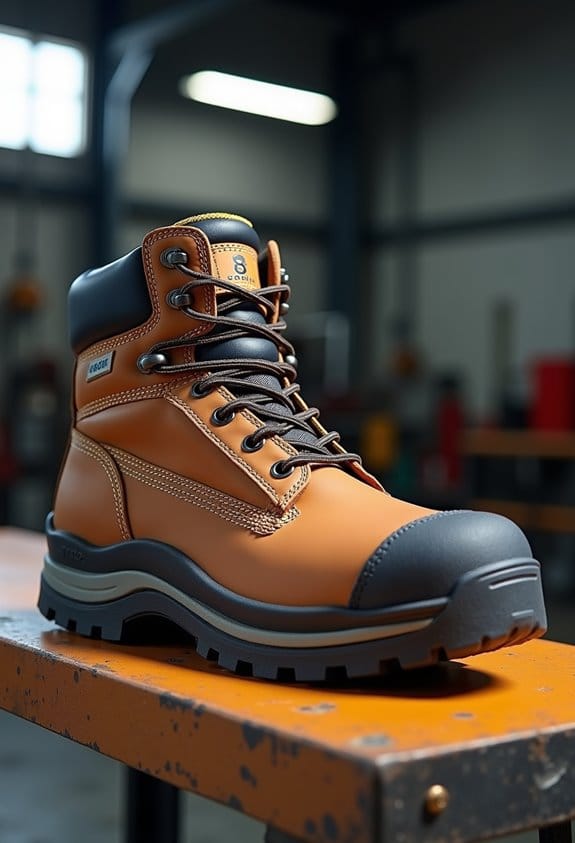
Can Aluminum Toe Boots Be a Middle Ground Between Steel and Composite?

Aluminum toe boots serve as a middle ground between steel and composite options by offering a 30% weight reduction compared to steel toes while providing similar impact protection up to 75 pounds of force. They conduct heat less than steel, enhancing comfort, and typically cost less than composites. Ideal for industries like construction and manufacturing, they combine durability, moderate thermal insulation, and affordability. For deeper insights into durability, comfort, and workplace suitability, explore further details on aluminum toe boots.
Key Takeaways
- Aluminum toe boots offer about 30% weight reduction compared to steel, providing a lighter alternative without sacrificing impact protection.
- They conduct heat less than steel toes, improving thermal comfort but more than composite toes.
- Aluminum toe boots are generally more affordable than composite boots, making them cost-effective for many workplaces.
- While less durable than steel, aluminum resists denting better than steel under moderate impacts but less than composites.
- Aluminum toe boots meet ASTM safety standards, balancing protection, comfort, and weight between steel and composite options.
Overview of Aluminum Toe Boots
Aluminum toe boots offer a lighter alternative to traditional steel toe boots, reducing overall weight by up to 30% while maintaining similar safety standards. What makes aluminum toe boots stand out? They provide lightweight impact protection by resisting up to 75 pounds of force from an 18-inch drop, which guarantees reliable safety in many work settings. How durable are these boots? While aluminum toe caps are durable enough for typical use, they may dent or crack under extreme impact, making them less suited for very heavy-duty jobs. What other benefits do they offer? Aluminum conducts heat less than steel, keeping feet cooler during long wear. To conclude, aluminum toe boots balance lightweight comfort, effective protection, and reasonable durability for many users. However, like steel toe shoes, aluminum toe boots should comply with international safety standards to ensure adequate protection on the job.
Comparison of Aluminum and Steel Toe Caps

How do aluminum and steel toe caps compare in terms of weight, comfort, and protection? Both types meet safety standards and provide reliable impact and compression resistance for protective footwear. Consider these pros and cons:
- Weight: Aluminum toe caps are up to 30% lighter than steel toe caps, offering lightweight comfort that reduces fatigue during long wear.
- Comfort: Aluminum conducts less heat than steel, keeping feet cooler in warm environments.
- Durability: Steel toe caps are more durable and less prone to denting or cracking under extreme pressure.
- Bulkiness: Steel toe caps are heavier and bulkier, which may decrease comfort over time.
Aluminum toe caps strike a balance between comfort and protection but might be less durable. Steel toe caps provide robust protection at the cost of increased weight. Additionally, choosing toe caps that comply with ASTM F2413 safety compliance ensures adequate impact and compression resistance essential for workplace safety.
Recommended Products

A cut-resistant 3 layer aramid lining, making the boots chainsaw proof

Perfect Fit: Direct fit for 2019-2025 Ram 1500 Crew Cab (Exc 2019-2024 1500 Classic)
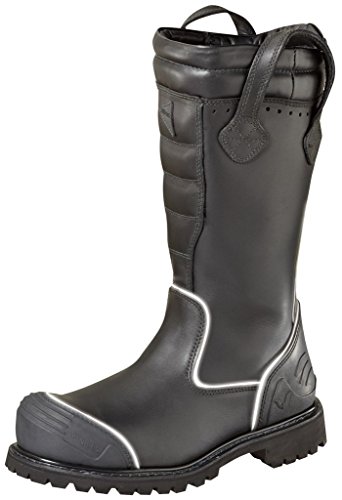
Flexible L-Protection Puncture-Resisting Insole Material Shaft Vapor Exhaust Vents Super Reinforced Leather Pull Straps Flexible Goodyear Storm Welt Construction 3M Scotchlite Reflective Material - High Visibility Piping
Comparison of Aluminum and Composite Toe Caps

When selecting protective footwear, understanding the differences between aluminum and composite toe caps is essential for balancing weight, comfort, and safety. What are the main differences between these types of toe caps?
- Aluminum toe caps offer protection against impact similar to steel, handling up to 75 pounds of force, while reducing boot weight by up to 30%.
- Composite toe caps provide greater weight reduction, up to 50%, using materials like carbon fiber and fiberglass.
- Aluminum toe caps conduct heat less than steel but more than composite caps, affecting foot temperature in certain work environments.
- Composite toe caps do not trigger metal detectors, making them ideal for security-sensitive workplaces.
- Aluminum is generally more cost-effective, though composite toe caps tend to resist denting and cracking better.
Choosing between aluminum and composite safety toe requires weighing protection, weight reduction, and work environment needs. Proper fit and cushioning, such as DuraShocks SR cushioning, remain essential regardless of toe cap choice to ensure all-day comfort and foot health.
Recommended Products

10" tall leather uppers made from 2.8 mm full grain leather feature double and triple stitching throughout for added durability


Skate boots are not like your average shoe. For maximum control, your boots need to fit like a second skin. That is why Bont boot sizing is NOT the same as your US shoe size or other skate brand sizing. Please refer to the chart for the approximate size conversion of foot length in mm to Bont size
Weight Differences Among Steel, Aluminum, and Composite Toes

Weight differences among steel, aluminum, and composite toe caps significantly impact comfort and safety for workers who wear protective boots over long periods. How do these differences affect your choice? Consider these key points:
- Steel toe caps are the heaviest, adding bulk and potential foot fatigue, but provide strong protection.
- Aluminum toe caps reduce weight by up to 30% compared to steel, balancing protection with lighter feel.
- Composite toe caps offer the lightest option, cutting boot weight by up to 50%, and still meet protection standards.
- All toe caps withstand up to 75 pounds of force, but aluminum toe caps give sufficient protection at a lower weight than steel.
Additionally, choosing boots with cushioned insoles and lightweight materials can help mitigate fatigue during long shifts while maintaining essential impact protection standards.
Recommended Products
Fit: Outstanding comfort with first-class fit even for wide feet

Summit’s roomiest climber ever

VORTEX DIRECT STRONG SQUARE TUBE FRAME
Thermal Insulation Properties of Aluminum Toe Caps

Although aluminum toe caps provide lighter protection compared to steel, they offer notable thermal insulation benefits that affect foot comfort in different environments. What are the thermal insulation properties of aluminum toe caps? Unlike steel toe caps, aluminum toes conduct heat less effectively, helping keep feet cooler in hot conditions. They also reduce cold transmission better than steel, though some cold may still be felt in extreme temperatures. How does this affect safety footwear? Aluminum toes balance lightweight protection with improved thermal comfort, making them suitable for varied working conditions with extreme temperatures. However, dents and cracks from pressure can reduce insulation over time. To summarize, aluminum toe caps provide a compromise between steel toe durability and better thermal regulation in safety footwear. Additionally, selecting boots with breathable materials enhances overall foot comfort by minimizing moisture and blisters in demanding work environments.
Impact and Compression Resistance of Aluminum Toe Caps
Since aluminum toe caps are designed to protect against workplace hazards, understanding their impact and compression resistance is important for selecting appropriate safety footwear. How do aluminum toe caps compare to steel toe caps in safety?
- Aluminum toe caps provide impact and compression protection similar to steel, withstanding up to 75 pounds of force from 18 inches.
- They are lighter than steel, reducing weight by approximately 30%, which can improve wearability.
- While offering protection as steel in many cases, aluminum toe caps can be less durable than steel because they may dent or crack under extreme pressure.
- Aluminum also offers unique safety features, such as lower heat conduction.
When choosing footwear, consider these differences in durability and protection to balance safety and comfort efficiently.
– Additionally, selecting boots that meet ASTM safety standards ensures the level of impact and compression protection necessary for industrial work.
Comfort and Fatigue Considerations in Aluminum Toe Boots
Several factors influence comfort and fatigue levels when wearing aluminum toe boots during long work shifts. How does aluminum toe design impact these aspects?
- Lightweight: Aluminum toe caps reduce boot weight by up to 30% compared to steel, decreasing fatigue by lessening the effort needed for movement.
- Thermal insulation: Aluminum provides better heat resistance than steel, keeping feet cooler and improving overall comfort in warm conditions.
- Impact protection: Aluminum offers similar impact protection as steel, ensuring safety without adding excessive weight.
- Fatigue reduction: The combined lightweight design and thermal benefits reduce foot and leg fatigue during extended wear.
- Trade-offs: While aluminum toes enhance comfort, their vulnerability to dents under extreme pressure may affect long-term safety.
Choosing aluminum toe boots offers a balance between comfort, fatigue management, and protection in many work environments. Additionally, combining these boots with ample arch support can further enhance all-day comfort and reduce foot fatigue.
Cost Analysis of Aluminum Toe Boots Versus Other Materials
Understanding comfort and fatigue benefits of aluminum toe boots provides a foundation for evaluating their cost effectiveness compared to steel and composite options. How does the cost of aluminum toe boots compare?
- Aluminum toe boots generally offer an economical middle ground, priced between steel toe and composite toe footwear.
- They deliver similar impact protection as steel toe boots, but with significant weight savings of around 30%.
- Compared to composite toe boots, aluminum options are often more affordable while maintaining good protection.
- Aluminum toes tend to be less durable than steel and may wear faster, yet they reduce heat conduction, improving long-term comfort.
- Many aluminum toe boots also feature cushioned EVA midsoles to enhance comfort during extended wear.
For users prioritizing balance between cost, protection, and weight, aluminum toe boots present a practical choice that combines economical pricing with adequate safety features.
Recommended Products

System MTN and APX Complete Men's Snowboard Package : Featuring System's MTN snowboard designed to float in powder, power through trees and still handle park laps for day, this thing is a powerhouse. Then we added Systems APX bindings, a leightweight performance driven binding that will excel your riding. Finally we added System's comfort focused APX boots to build a complete snowboard package that can take you anywhere on the mountain!

The Timeless is a snowboard guaranteed to live up to it's name! Built around the strongest core System has, the 3D Core with Edgelock is full tip to tail poplar with high density stringers running just outside the center of the board as well as down each rail, easily driving and holding your edge in to any snow conditions! Then an artisan grade heartwood stringer is set in the center of the board creating explosive power and response from the park to big mountain carves!
Workplace Environments Ideal for Aluminum Toe Boots
A variety of workplace environments benefit from the unique features of aluminum toe boots, especially where lightweight footwear and reliable protection are essential. What kinds of workplace environments are ideal for aluminum toe boots? Consider these factors:
- Lightweight nature reduces fatigue in settings requiring long hours of standing or walking.
- Protection against impacts and compressions matches that of steel toe boots.
- Thermal insulation properties keep feet comfortable in both hot and cold conditions.
- Non-conductive material provides safety in electrical work environments.
- Durability resists denting and cracking under moderate pressure from heavy equipment.
Which workplace environments fit these characteristics? Manufacturing, construction, logistics, and electrical-related tasks benefit most from aluminum toe boots due to these combined features. Choosing aluminum toe boots in these environments balances safety, comfort, and functional performance effectively. Additionally, incorporating boots with ergonomic design and breathable lining can reduce fatigue and enhance comfort during long shifts in demanding industries.
Common Industries Using Aluminum Toe Safety Footwear
Workplace environments that benefit from aluminum toe boots often overlap with industries emphasizing safety and comfort when working near heavy equipment or machinery. Which industries commonly use aluminum toe safety footwear? Key sectors include:
- Manufacturing and construction, where lighter weight aluminum toe boots offer a flexible alternative to steel and composite toe safety toes, meeting OSHA regulations.
- Automotive, valuing the balance of impact resistance and ease of movement around heavy machinery.
- Logistics and warehousing, where reduced foot fatigue is essential during long periods of standing or walking.
- Food processing and service industries, benefiting from aluminum toes passing through metal detectors without detection.
Additionally, many aluminum toe boots incorporate shock-absorbing soles to reduce joint and muscle strain, enhancing comfort during extended wear in these demanding environments.
Compliance With Safety Standards for Aluminum Toe Caps
Compliance with established safety standards is essential when selecting aluminum toe caps for protective footwear. How do aluminum toes compare with steel toes regarding safety? Aluminum toe caps must meet ASTM standards, such as ASTM F2413, to guarantee proper resistance to impact and compression forces. What should you consider about the toe cap type? Aluminum toes offer a lighter alternative to steel toes, reducing boot weight while maintaining required protection. Are aluminum toe caps as durable as steel? Although compliant, aluminum caps may dent or crack under extreme pressures, making them less durable than steel. Why adhere to safety standards? Following safety standards assures that your aluminum toe boots provide reliable foot protection within allowed performance criteria, balancing weight reduction and essential safety in various work environments.
Factors to Consider When Choosing Aluminum Toe Boots
When selecting aluminum toe boots, several important factors should guide your decision to secure both safety and comfort on the job. What should you consider?
- Aluminum toe caps provide lightweight protection, reducing boot weight by up to 30% compared to steel, enhancing comfort during extended wear.
- Check that toe caps meet recognized safety standards like ASTM to ascertain adequate impact and compression resistance.
- Durability is key; aluminum toe caps may dent or crack under extreme pressure, so evaluate if your work environment subjects boots to heavy impacts.
- Consider affordability, as aluminum options generally cost less than composites while offering similar protection without metal detector issues.
- Also, assess comfort factors such as breathability, since aluminum conducts heat less than steel, keeping feet cooler in warm conditions.
Balancing these factors will help you choose boots suited for your specific needs.
Recommended Products

Advanced microfiber and TPU construction ensures superior durability and abrasion resistance.

Advanced microfiber and TPU construction ensures superior durability and abrasion resistance.

Advanced microfiber and TPU construction ensures superior durability and abrasion resistance.
Frequently Asked Questions
Will Aluminum Toe Boots Set off a Metal Detector?
Aluminum toe boots, symbolizing a balance between strength and lightness, may trigger metal detection depending on sensitivity. They meet safety standards, offering reliable toe protection with favorable weight comparison and comfort levels, aligning with varying industry preferences in footwear materials.
Is Aluminum Toe Stronger Than Steel Toe?
The aluminum toe vs steel comparison reveals steel offers greater durability and impact resistance, while aluminum excels in weight comparison analysis and thermal conductivity effects, enhancing comfort. Price point comparison varies; durability assessment differences favor steel in extreme conditions.
Does Composite Toe Meet Steel Toe Requirements?
Composite toes can meet steel toe safety requirements when certified, offering benefits like lighter weight and non-metallic properties. Compared to aluminum toe options, composite toes balance durability and weight, aligning with footwear regulations and various toe protection options.
Are Aluminum Toe Shoes OSHA Approved?
Aluminum toe shoes are OSHA approved if they meet industry standards, providing safety regulations compliance. Their aluminum toe benefits include lightweight footwear, enhanced comfort levels, and durability comparisons favoring workplace safety without compromising protection.


