As an Amazon Associate, we earn from qualifying purchases. Some links on this site are affiliate links at no extra cost to you. Our recommendations are based on thorough research and editorial judgment.

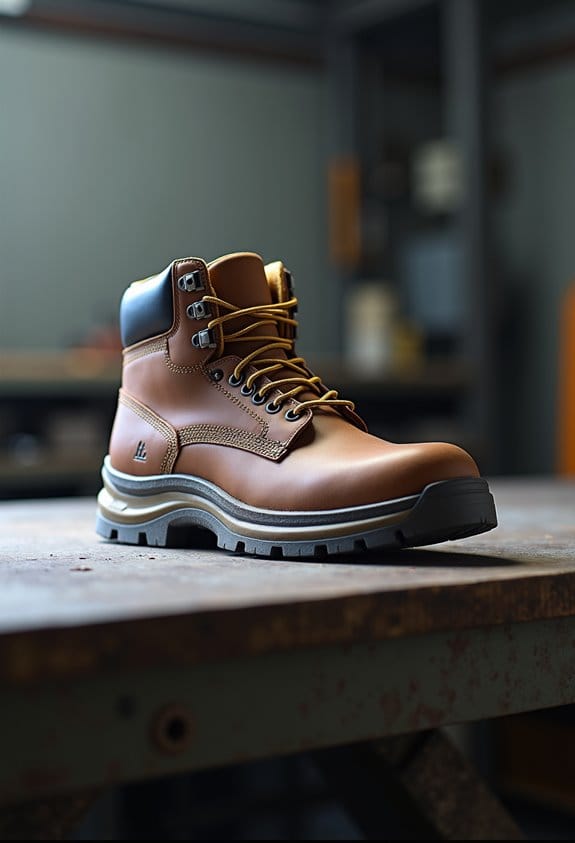
Impact and Compression Ratings: What They Mean for Toe Protection

Impact and compression ratings indicate how much force safety toe caps can endure to protect feet from workplace hazards. Impact ratings, measured in foot-pounds (e.g., I/75), show resistance to falling objects. Compression ratings, such as C/50 or C/75, reflect the pressure needed to crush toe caps. These ratings follow ASTM F2413 standards and influence footwear performance, comfort, and durability. Choosing boots with proper ratings helps prevent injuries. Continuing ahead reveals more about testing, materials, and maintenance.
Key Takeaways
- Impact ratings measure toe caps’ resistance to falling objects, with ASTM F2413 minimum set at 75 foot-pounds (I/75) for safety.
- Compression ratings indicate how much force toe caps can withstand before crushing, commonly C/50 (2,500 lbf) or C/75 (3,750 lbf).
- ASTM F2413 standards ensure toe protection meets reliable impact and compression resistance, minimizing foot injury risks in hazardous workplaces.
- Steel toe caps typically provide superior impact and compression protection compared to composite or aluminum alternatives.
- Understanding and verifying impact and compression ratings helps select appropriate work boots tailored to specific workplace safety needs.
Understanding Impact Ratings in Safety Footwear
When considering safety footwear, understanding impact ratings is critical to selecting proper toe protection for hazardous environments. What are impact ratings? They measure how well safety toe caps resist force from falling objects, protecting your feet against workplace hazards. The ASTM F2413 standard requires safety footwear to meet a minimum impact resistance of 75 foot-pounds (I/75), ensuring high foot safety. How do testing methods work? Manufacturers simulate impact forces to verify compliance with these ratings. Why does this matter on construction sites? Footwear with inadequate impact ratings increases injury risk in high-risk areas. What materials offer the best protection? Steel safety toe caps generally provide superior impact resistance compared to other materials. Remember, choosing footwear with appropriate impact ratings is essential for reliable toe protection and safe work conditions. Additionally, incorporating features like puncture-resistant soles enhances overall foot safety in hazardous work environments.
Recommended Products

10 inch tall 2.8mm thick full grain leather uppers

Meets ASTM Safety Standards: This leather non-metallic safety toe work boot with HRO designed rubber outsole is slip, impact, compression, and electrical hazard resistant to meet ASTM F2413-18, M/I/C, EH and ASTM F3445-21, SR safety standards. HRO soles are heat resistant to melting at a minimum of 475º Fahrenheit.
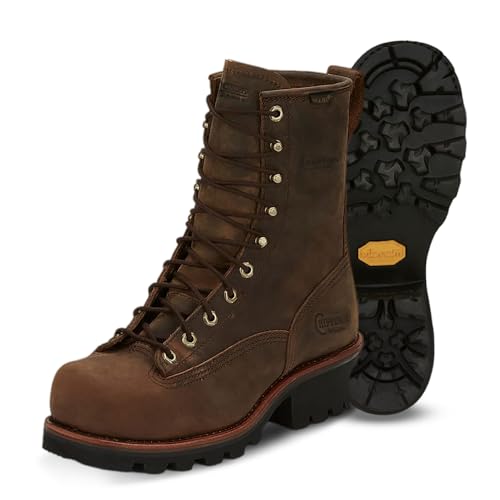
Rugged Waterproof Durability: The Chippewa Paladin Logger Work Boots feature full-grain leather construction with a waterproof design, ensuring resilience in wet conditions. Tailored for men's industrial & construction boots, they exemplify dependability in challenging environments
Explanation of Compression Ratings for Toe Protection
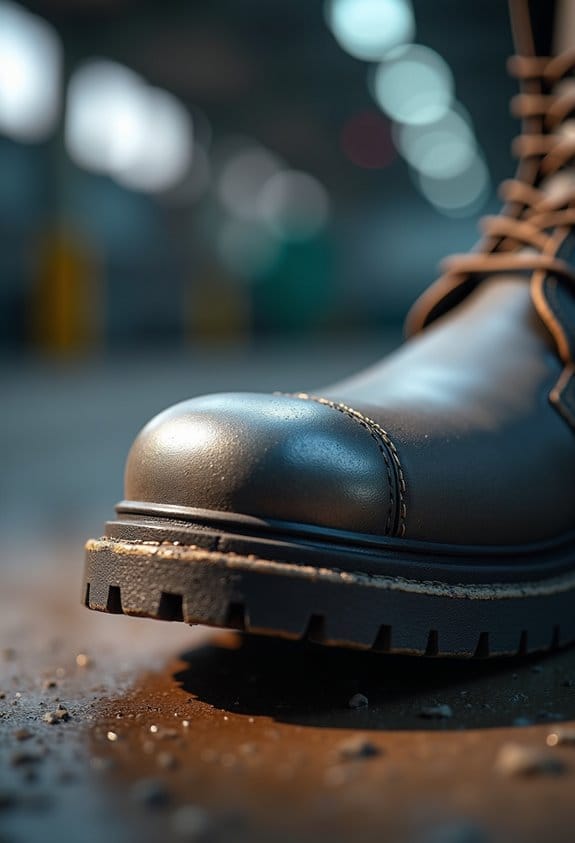
Although impact ratings focus on how safety toe caps resist falling objects, compression ratings measure the amount of force these caps can withstand before being crushed. What do compression ratings mean for toe protection? They specify the compression resistance of safety footwear according to the ASTM F2413 standard, guaranteeing protective footwear can withstand crushing forces from heavy objects. Common compression ratings include:
- C/50, which resists up to 2,500 lbf
- C/75, which resists up to 3,750 lbf
Why is this important? Choosing footwear that meets or exceeds C/75 improves worker safety in high-risk environments. How can you identify compliant footwear? Check the labels for ASTM F2413 standards and confirmed compression ratings. This helps assure your protective footwear provides reliable protection against crushing injuries. For enhanced safety, it is also critical to consider additional features like puncture-resistant plates and ASTM-compliant shock absorption to reduce fatigue during prolonged use.
Testing Standards Behind Impact and Compression Ratings

Understanding the testing standards behind impact and compression ratings helps clarify how safety footwear is evaluated for toe protection. What are the key testing procedures?
- Impact ratings, like I/75, measure the force a toe cap resists from falling objects, according to ASTM standards.
- Compression ratings, such as C/75, test how much pressure the toe cap withstands, often up to 2,500 pounds.
- Testing involves placing steel toe caps or composite toe caps in machines that simulate workplace hazards.
- Both toe cap types undergo independent laboratory tests to confirm compliance with ASTM F2413 standards.
- ASTM standards update regularly to stay aligned with evolving worksite risks and material technology.
How does this affect your foot protection? Knowing these rigorous tests helps you choose safety footwear rated to meet real-world impact and compression demands. Additionally, selecting boots that meet ASTM F2413 safety compliance ensures reliable protection and industry-recognized quality.
Recommended Products
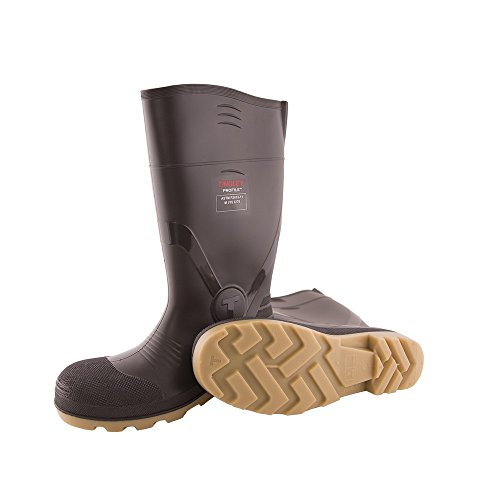
Waterproof: yes

NFPA 1951, NFPA 1971, NFPA 1977, NFPA 1990(1992), ASTM F2413 & CAN/CSA-Z195 certified

NFPA 1971, NFPA 1990(1992), ASTM F2413 & CAN/CSA-Z195 certified
How Ratings Affect Footwear Performance at Work
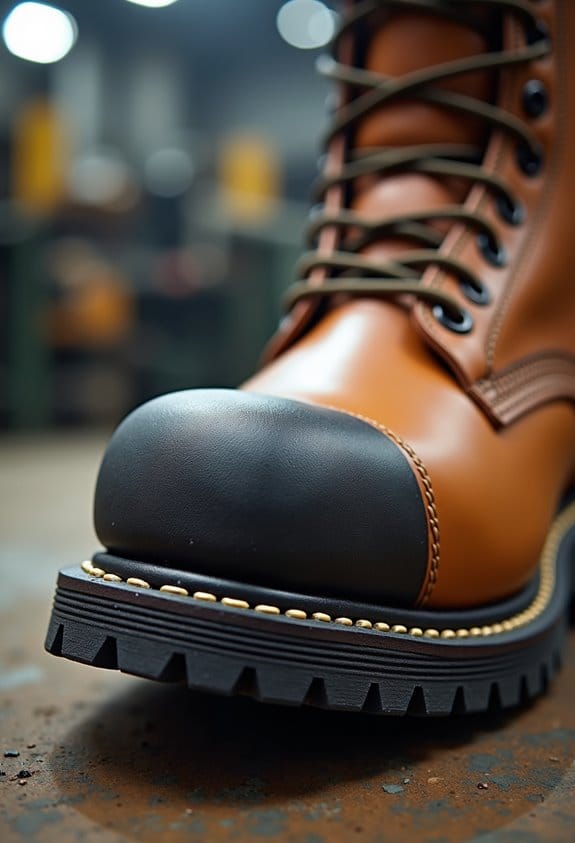
Since impact and compression ratings directly measure the strength of protective toe caps, they play an essential role in how safety footwear performs on the job. How do these ratings affect footwear performance?
- Impact ratings (I/75 or higher) indicate protection against falling objects, critical in construction and manufacturing settings.
- Compression ratings (C/75 or more) guarantee toe caps endure heavy, steady forces without collapsing.
- Meeting ASTM F2413 standards guarantees footwear provides adequate toe protection for worker safety.
- Selecting safety footwear without proper ratings increases risks of foot injuries from heavy tools or materials.
- Employers rely on these ratings and independent testing to maintain workplace safety and compliance.
- Additionally, compliance with ASTM F2413 ensures features such as reinforced steel toe caps designed to withstand heavy impacts and compression hazards are present.
Recommended Products

NFPA 1971, NFPA 1990(1992), ASTM F2413 & CAN/CSA-Z195 certified

10" tall leather uppers made from 2.8 mm full grain leather feature double and triple stitching throughout for added durability

Chainsaw Cut Protection: Get the highest level of safety for your feet with European Class 2 cut protection. Durable European bullhide leather and an extra layer of cut-resistant material provide both long-lasting wear and extra time to react in case of unexpected chainsaw contact.
Common Materials Used in Protective Toe Caps

The performance of safety footwear depends not only on impact and compression ratings but also on the materials used in protective toe caps. What are the common materials used in protective toe caps?
- Steel toe caps provide high impact resistance and compression resistance, typically meeting ASTM F2413 and EN ISO 20345 safety requirements, ideal for heavy-duty foot protection.
- Composite toe caps, made from Kevlar, carbon fiber, or plastic, are lighter, provide thermal insulation, and are suited for environments with electrical hazards or metal restrictions.
- Aluminum toe caps balance weight and protection, offering adequate impact resistance comparable to steel but with less weight.
How do these materials meet worker needs? Each material guarantees toe caps withstand forces workers face, aligning with safety standards to protect feet effectively in various work conditions. Additionally, choosing toe caps with reinforced protection can enhance durability and comfort during prolonged wear.
Recommended Products

Upper Material: Idro-Perwanger Roughout leather (3mm), PU, steel toe insert

Made for adventure, exploration, and hard work
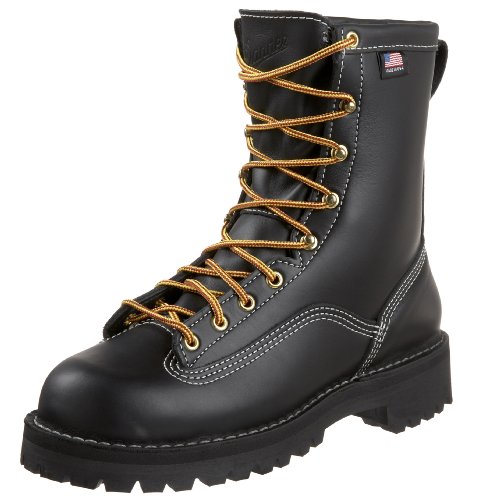
Danner's famous stitch down construction
Choosing the Right Rating for Your Work Environment
How does one select the appropriate toe protection rating for different work environments? Choosing the right safety toe work boots depends on understanding the specific hazards you face. Consider these points:
- Impact ratings such as I/75 indicate the boots protect against falling objects by withstanding a 75-pound impact.
- Compression ratings like C/75 show the toe can endure 2,500 pounds of pressure, essential near heavy machinery.
- For high-risk settings like construction or warehouses with falling or rolling objects, I/75 and C/75 ratings provide adequate protection.
- Lower ratings (I/50, C/50) may suit less dangerous work environments but offer less coverage.
- Evaluate your work environment carefully, prioritize needed footwear safety features, and select boots that meet or exceed these impact and compression standards for reliable protection.
- Additionally, ensuring compliance with ASTM safety standards helps guarantee that boots provide the necessary protection and durability for demanding conditions.
Recommended Products

FULL-GRAIN LEATHER boots tested nine ways for strength and durability, made in America and triple-stitched for longevity
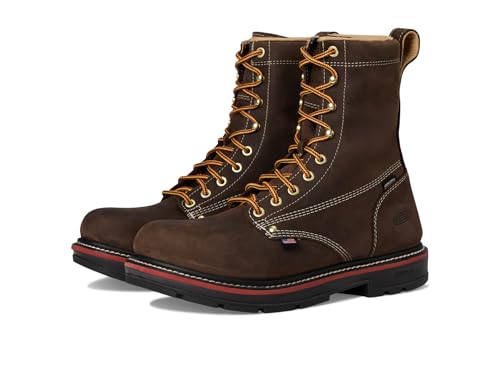
Traditions evolve with this 8" American Built waterproof style, featuring an ultra-comfortable fit, premium leather from LWG-certified tanneries, 90 heel for grip, and air-infused midsole support. Weighing 1 lb 12.6 oz / 812 g (per boot) the Liberty

FULL-GRAIN LEATHER boots tested nine ways for strength and durability, made in America and triple-stitched for longevity
Maintaining and Inspecting Protective Footwear for Safety
Maintaining and inspecting protective footwear guarantees it continues to provide necessary safety in hazardous work environments. Why is maintenance important? Without proper care, safety features like toe caps might fail. How should you inspect protective footwear?
- Inspect for wear on soles or uppers that reduce slip resistance.
- Check toe caps for damage or deformation impacting impact rating and compression rating.
- Clean footwear following manufacturer guidelines to prevent material degradation.
- Replace footwear showing significant wear or passed functional lifespan to meet safety standards.
- Encourage workers to report any issues promptly to prioritize inspection and replacement.
What role does replacement play? Regular replacement guarantees protective footwear continues to offer reliable safety. Consistent maintenance and inspection safeguard worker protection against workplace hazards effectively. Choosing boots with high-quality stitching and durable materials also enhances long-term safety and performance.
Frequently Asked Questions
What Is the Safety Toe Rating?
The safety toe rating defines compliance testing procedures ensuring footwear durability and impact resistance features meet toe protection standards. It encompasses safety toe types, materials, and ergonomic design benefits, enhancing consumer safety awareness against workplace hazards through established footwear certifications.
What Are the Different Impact Ratings in F2413?
Contrasting vulnerability with protection, ASTM F2413 impact ratings span from I/50 to I/75, reflecting varying impact resistance levels. Safety toe construction undergoes rigorous footwear testing methods, including weight distribution analysis, material durability assessments, and toe box design to meet industrial footwear requirements and workplace safety regulations.
What Are S1, S2, and S3 Safety Shoes?
S1 safety shoes offer slip resistant soles and comfort technology, S2 safety shoes add waterproof safety features, while S3 safety shoes enhance protection for industrial applications, all meeting footwear design standards with breathable materials, ensuring work environment suitability.
What Is the Impact Rating of Safety Shoes?
The impact rating of safety shoes defines toe cap materials’ impact resistance features per safety shoe standards, ensuring footwear durability against workplace hazards. Compliance with ANSI guidelines, comfort and fit, industry requirements, employee safety training, and shoe maintenance tips enhances overall protection.


