As an Amazon Associate, we earn from qualifying purchases. Some links on this site are affiliate links at no extra cost to you. Our recommendations are based on thorough research and editorial judgment.
How Occupational Footwear Differs From Regular Athletic or Casual Shoes

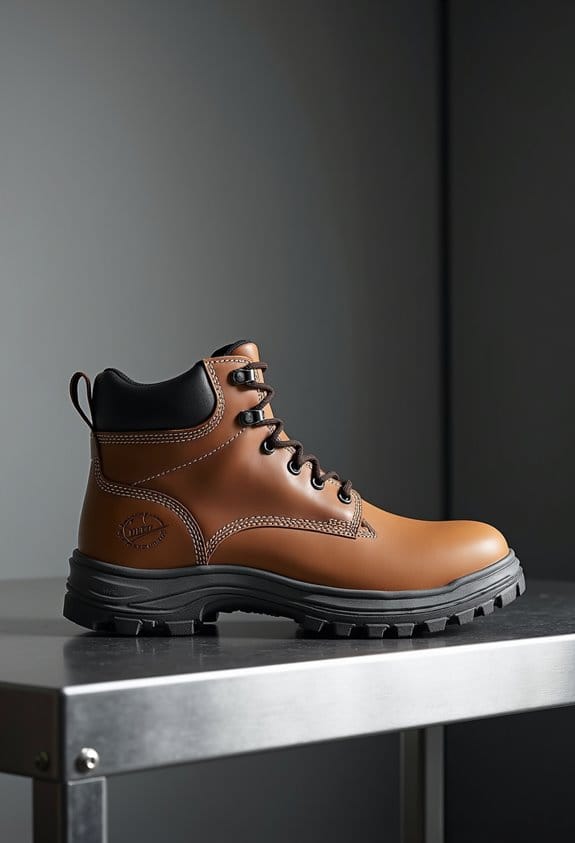
Occupational footwear differs from regular athletic or casual shoes by offering essential safety features like steel or composite toe caps and puncture-resistant soles to protect your feet from heavy impacts and sharp objects. They use specialized slip-resistant outsoles and durable materials designed for hazardous environments. These shoes prioritize ergonomic support, moisture resistance, and workplace stability over style. Investing in appropriate footwear enhances your safety and comfort. To explore more details on materials, comfort, and industry-specific needs, consider further information on this topic.
Key Takeaways
- Occupational footwear features safety toes and puncture-resistant soles, unlike regular athletic or casual shoes.
- They use reinforced, abrasion-resistant materials for durability in hazardous work environments.
- Specialized slip-resistant soles enhance traction on slippery and uneven surfaces.
- Ergonomic designs with cushioned insoles provide superior support for long hours on feet.
- Many models include waterproof, moisture-wicking membranes for added comfort and protection.
Key Safety Features in Occupational Footwear
Although regular shoes provide general comfort and style, occupational footwear incorporates specific safety features to protect workers in hazardous environments. What key safety features distinguish safety shoes from regular footwear? First, many have steel or composite toes that offer protection against heavy impacts or compression. Second, puncture-resistant soles prevent sharp objects on the ground from causing injuries. Third, slip-resistant soles reduce accidents by improving grip on slippery surfaces. How do safety shoes meet workplace demands? They comply with strict safety standards designed for hazardous environments, ensuring adequate protection against common risks. Additionally, some models protect against electrical hazards and chemical exposure. These features collectively provide essential protection, making occupational footwear critical for those facing workplace hazards unlike casual or athletic shoes. Furthermore, advanced occupational boots often include insulation ratings that help retain body heat and reduce fatigue in cold environments, enhancing worker safety and comfort.
Recommended Products

NFPA 1951, NFPA 1971, NFPA 1977, NFPA 1990(1992), ASTM F2413 & CAN/CSA-Z195 certified

NFPA 1971, NFPA 1990(1992), ASTM F2413 & CAN/CSA-Z195 certified

NFPA 1971, NFPA 1990(1992), ASTM F2413 & CAN/CSA-Z195 certified
Slip Resistance and Outsole Technology

Slip resistance is a critical feature in occupational footwear, designed to prevent falls and improve worker safety on slippery surfaces. What makes slip-resistant shoes different?
- Outsoles feature advanced soft rubber compounds that improve traction and grip by conforming to floor surfaces.
- Tread patterns are engineered to increase secure contact areas, reducing slip risk in hazardous environments.
- Compared to regular shoes, these materials maximize friction for better performance on slick floors.
- Many slip-resistant shoes carry certifications confirming their effectiveness in conditions with grease or spills, common in kitchens and healthcare.
- Design considerations also include flexible materials and ergonomic shapes, which enhance both comfort and stability, helping reduce fatigue during long shifts.
- Some industrial work boots feature specialized rubber lug outsoles that provide extra traction on various worksite surfaces for improved stability.
Recommended Products
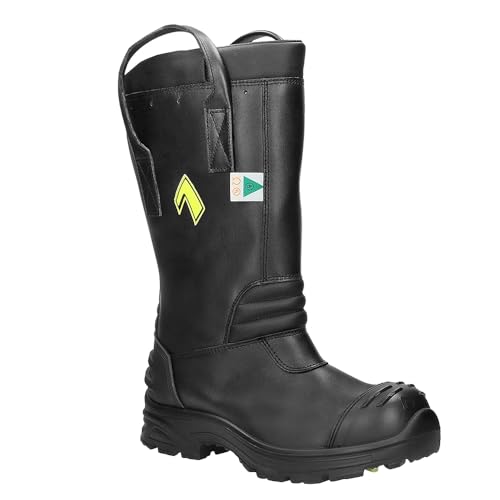
Certified to NFPA 1971, NFPA 1990 (1992), ASTM F2413 & CAN/CSA-Z195
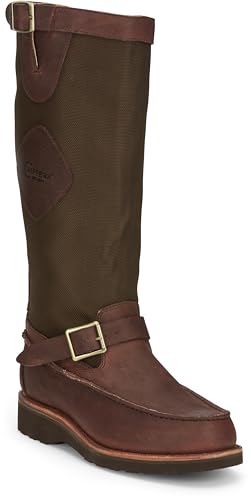
Rugged Durability: The Chippewa Cutter Snake Boot embodies craftsmanship with superior durability, designed for professionals facing the toughest conditions. These snake boots for men withstand countless adventures, providing dependable protection in challenging environments

DURABLE CONSTRUCTION with waterproof GORE-TEX for ultimate protection in wet conditions
Protective Elements for Hazardous Environments

After understanding how slip-resistant outsoles enhance stability on slippery surfaces, it is essential to evaluate the protective elements that safeguard feet in hazardous environments. What protective elements does safety footwear designed for hazardous work environments include?
- Steel or composite toe caps protect against impact and compression injuries.
- Puncture-resistant soles shield feet from sharp objects on the ground.
- Electrical hazard protection reduces risks of electric shocks.
- Compliance with ISO standards guarantees footwear meets strict safety criteria.
How do these features reduce workplace injuries? They provide vital barriers against common dangers such as heavy falling objects, sharp tools, and electrical hazards. Unlike regular athletic or casual shoes, occupational footwear integrates these protective elements to maintain worker safety and meet regulatory requirements, which are significant in many demanding job sites. Additionally, features like the triple-bar steel shank offer enhanced stability and reduce foot fatigue on rough and slippery terrain.
Recommended Products
Certified to NFPA 1971, NFPA 1990 (1992), ASTM F2413 & CAN/CSA-Z195

A perfect balance of stability, flexibility, weight and longevity in chainsaw footwear, these boots run small so consider ordering a half size up
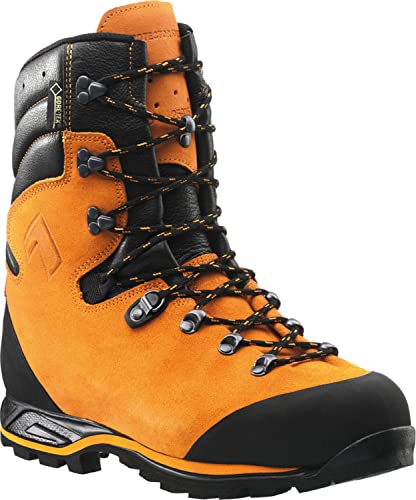
Enhanced Chainsaw Safety: Our boots are equipped with European Class 2 cut protection for chainsaw speeds up to 24m/s. Crafted from tough European bullhide leather and reinforced with a layer of cut-resistant material, they ensure durability and offer you vital seconds to react in case of unexpected chainsaw contact.
Durability and Material Construction Differences

Durability is a key factor that sets occupational footwear apart from regular shoes, especially when considering the materials and construction used for each. How do these differences manifest?
- Occupational footwear, such as slip-resistant shoes, relies on reinforced materials and robust manufacturing to meet strict safety standards.
- These shoes feature outsoles made from soft rubber or synthetic compounds, enhancing abrasion resistance and improving grip on slippery surfaces.
- Advanced tread patterns in slip-resistant shoes increase traction, unlike casual shoes that often have harder rubber soles with basic tread designs.
- Regular athletic or casual shoes prioritize style and comfort, lacking the durability required for harsh work environments.
- Occupational footwear is designed to withstand moisture and abrasion over time, extending the lifespan in demanding conditions.
- Additionally, many work boots incorporate waterproof membranes that block external moisture while allowing breathability, crucial for comfort during long shifts in wet environments.
Recommended Products


18″ of 7-ounce black oiled leather

11-inch pull-on design built for motorcycle enthusiasts
Comfort and Support in Occupational Vs Casual Shoes

Although casual shoes often emphasize style and short-term comfort, occupational footwear is specifically engineered to deliver long-lasting comfort and support during extended periods of standing or walking. How does comfort differ in these shoes?
- Ergonomic designs and cushioned insoles in occupational footwear provide arch support, reducing foot fatigue over long shifts.
- Casual shoes may prioritize appearance, lacking these supportive features.
- Occupational footwear integrates safety features like slip-resistant soles, which also contribute to comfort on slick surfaces.
- Materials in occupational shoes focus on durability and moisture-wicking, keeping feet dry and comfortable.
- Casual shoes often lack moisture control and the robust construction needed for demanding environments.
- Additionally, many occupational boots feature removable insoles to accommodate custom orthotics, enhancing personalized support and comfort throughout the workday.
Specialized Design for Workplace Stability
Multiple design elements work together in occupational footwear to enhance workplace stability, helping reduce slips and falls on slick or uneven surfaces. What specialized design features make safety shoes effective?
- Outsoles: Made from soft rubber or synthetic materials, they increase floor contact for better grip and stability.
- Slip-resistant ratings: Guarantee shoes meet safety standards necessary for hazardous workplaces.
- Ergonomic features: Include arch support and cushioned insoles to reduce fatigue during long hours.
- Reinforced materials: Provide durability to withstand demanding job conditions and protect against foot injuries.
How does this differ from regular athletic or casual shoes? Regular shoes typically lack slip-resistant ratings, durable construction, and ergonomic elements tailored for workplace stability. Occupational footwear prioritizes these aspects to promote safety and reduce injury risks. Additionally, the inclusion of waterproof membranes in many occupational boots keeps feet dry and comfortable in wet conditions.
Cost Implications and Investment Value
Workplace stability provided by occupational footwear often serves as the basis for considering cost implications and investment value. Why invest in safety shoes over regular athletic shoes? Slip-resistant footwear typically costs more upfront but offers long-term value by reducing workplace injury expenses. How does protective footwear benefit workplace environments financially? It prevents accidents that cause costly medical bills and lost work hours. What are the key factors impacting cost implications? Durability, specialized features, and company subsidies all influence overall expenses. How can this help your business or personal safety? Investing in quality safety shoes enhances job performance and lowers injury risks, making it a sound financial decision. To conclude, the investment value of occupational footwear outweighs initial costs by promoting safety and productivity. Additionally, selecting footwear with ASTM F2413-rated safety toes ensures compliance with recognized safety standards, further safeguarding employees and reducing liability.
Target Industries and User Profiles
Occupational footwear serves specific safety needs across various industries, differing markedly from regular shoes in design and purpose. Which industries require safety shoes with particular features? Here are examples:
- Construction and manufacturing workers need footwear with protection such as steel toe caps to guard against heavy machinery hazards.
- Healthcare professionals benefit from ergonomic support and slip-resistant footwear, essential for long shifts on hard floors.
- Food service and restaurant staff rely on slip-resistant footwear to prevent falls on slick surfaces.
- Retail and logistics personnel use work sneakers offering moderate protection tailored to workplace safety risks.
How do these shoes address specific needs? They combine protection, stability, and comfort to meet the demands of each job. As a result, understanding your industry’s risks helps select occupational footwear that enhances safety and supports your performance during long shifts. Additionally, many occupational shoes include electrical hazard protection to reduce shock risks in environments where electrical safety is a concern.
Selecting the Right Footwear for Your Job Needs
Choosing the right footwear begins with understanding the hazards present in your work environment and matching those risks with appropriate protective features. How do you select the best safety shoes for your job? Consider these steps:
- Identify specific job hazards like slippery floors or sharp objects.
- Look for work footwear with certified slip-resistance ratings and slip-resistant features to prevent falls.
- Evaluate protective features such as water resistance and durable materials.
- Prioritize comfort and support through ergonomic designs and cushioned insoles, especially if standing long hours.
- Balance safety with appearance, noting that casual shoes often lack essential protection.
- Additionally, considering moisture-wicking properties can help keep feet dry and comfortable during extended outdoor activities.
Recommended Products

[ Commercial Grade & 5 Years Service ] Super bright 400W led parking lot light with 60,000Lm, 5000K daylight white, TYPEⅢ beam angle, no glare, no strobe light, best area coverage for outdoor area lighting. 5-year replacement service for any defects or quality issues

Enhanced Workplace Safety - Our anti fatigue matting designed with a diamond textured surface creates an anti slip surface for dry applications where maintaining traction is crucial

10x Stronger Than Steel, Zero Shrinkage: Military-grade 100% solids epoxy bonds permanently to concrete, resisting cracks, peeling, and hot tire pickup - no more stains or tire marks ruining your garage.
Frequently Asked Questions
How Are Orthopedic Shoes Different From Regular Shoes?
Orthopedic shoes differ through advanced foot support technologies, specialized insoles vs. padding, tailored arch support types, and custom orthopedic solutions, offering mobility enhancement shoes and footwear for conditions. Heel height significance also contributes to orthopedic shoe benefits.
What Is an Occupational Shoe?
Occupational shoes, meeting specific design specifications and durability standards, incorporate slip resistance, arch support, and material selection tailored for workplace requirements. They prioritize injury prevention and comfort features, enhancing safety and support during prolonged work activities.
What Is the Difference Between Normal Shoes and Safety Shoes?
Safety shoes incorporate safety features like steel toe protection, slip resistance, and meet durability standards required for work environments. They balance comfort levels while addressing industry requirements, distinguishing them markedly from normal shoes lacking such specialized protective elements.
What Is the Difference Between Normal Shoes and Sports Shoes?
Normal shoes like casual loafers, dress shoes, slip-on footwear, fashion sneakers, and lightweight sandals prioritize style and comfort. In contrast, sports shoes—running shoes, high top trainers, hiking boots—focus on support, performance, and specialized functionality.


