As an Amazon Associate, we earn from qualifying purchases. Some links on this site are affiliate links at no extra cost to you. Our recommendations are based on thorough research and editorial judgment.


Footwear Considerations for Apprentices Entering Construction for the First Time

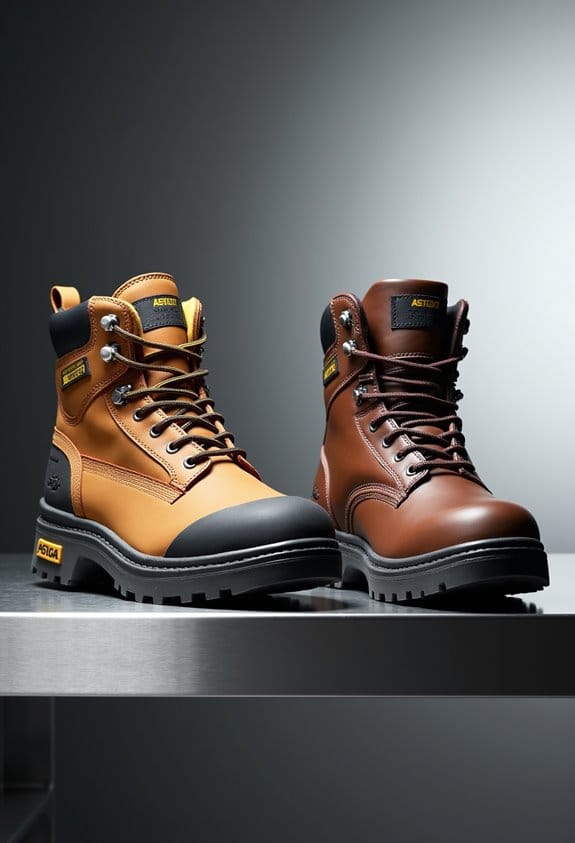
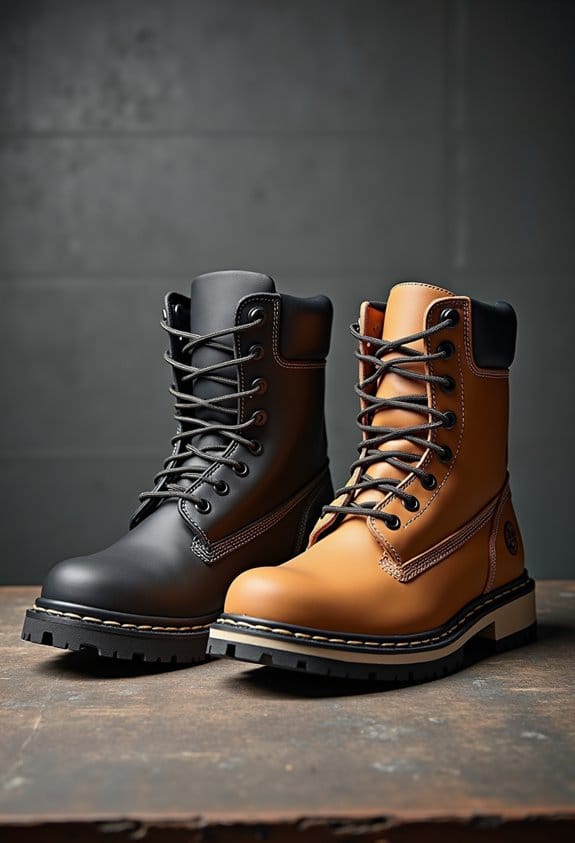
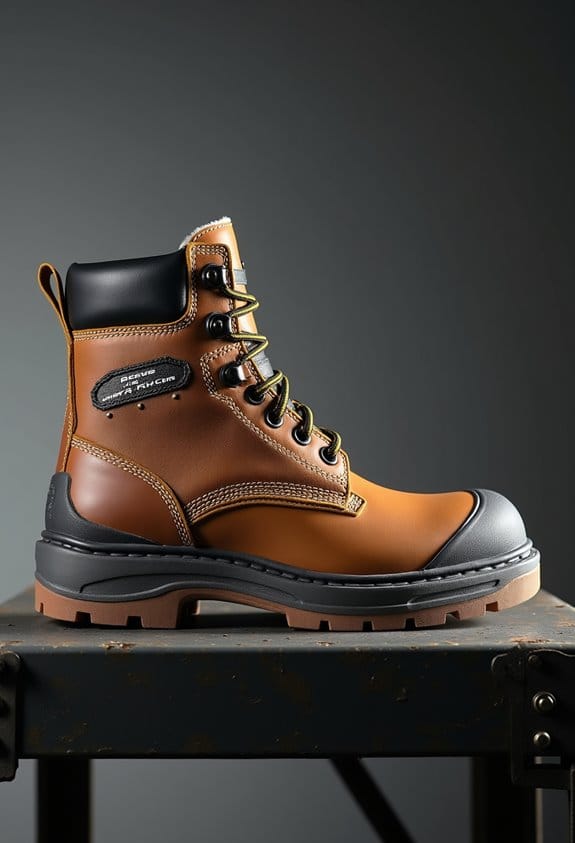
Apprentices entering construction should select quality work boots with steel or composite toe caps to protect from falling and sharp objects. Boots need slip-resistant soles to prevent falls and water-resistant materials to keep feet dry. Proper fit means about 1cm space at the toes and trying boots with work socks in the afternoon. Breaking in boots gradually increases comfort, and accessories like moisture-wicking socks and supportive insoles reduce fatigue. Understanding these basics helps improve safety and comfort on-site, with further details available to explore.
Key Takeaways
- Choose work boots with steel or composite toe caps to protect against heavy, falling objects and punctures on site.
- Ensure boots have slip-resistant soles for traction on uneven or slippery construction surfaces.
- Select a snug boot fit with about a 1cm toe gap, trying boots in the afternoon with work socks for accuracy.
- Prioritize waterproof and breathable materials to keep feet dry, comfortable, and reduce foot-related health issues.
- Break in new boots gradually over 1-2 weeks while using proper socks and monitor for any discomfort or hot spots.
Why Quality Work Boots Matter for New Apprentices
Quality work boots frequently play an essential role in the safety and efficiency of new apprentices entering the construction industry. Why should you choose quality work boots? First, they provide critical foot safety features, such as steel toe caps and slip-resistant soles, which protect against common site injuries. Second, comfort matters; well-fitted boots reduce fatigue and foot pain during long shifts, helping you focus on tasks. Third, quality work boots often offer strong ankle support and stability, preventing sprains and back pain. Finally, investing in durable boots from trusted brands guarantees long-term use and fewer replacements, saving money over time. Additionally, prioritizing boots with waterproofing benefits ensures feet stay dry and comfortable, even in challenging environmental conditions. In conclusion, selecting quality work boots improves comfort and foot safety, which are essential for new apprentices adapting to demanding construction environments.
Understanding Common Construction Site Hazards

Because construction sites pose numerous risks to workers’ feet, understanding common hazards is essential for apprentices preparing to work safely. What hazards should you expect?
- Falling objects can cause severe injuries, requiring proper footwear with strong toe protection.
- Heavy machinery poses crushing risks, so soles must resist impact and compression.
- Sharp debris can puncture skin, making steel-capped or reinforced boots necessary to prevent wounds.
- Uneven surfaces increase slips, trips, and falls; slip-resistant soles provide essential traction.
- Exposure to extreme temperatures and chemicals demands footwear made from durable, resistant materials to maintain safety and comfort.
Recognizing these dangers is critical in selecting proper footwear that supports safety on construction sites and helps apprentices avoid serious foot injuries. Additionally, choosing boots with waterproof materials ensures feet stay dry and comfortable throughout demanding work shifts.
Essential Safety Features in Work Boots

After learning about the hazards present on construction sites, it is important to recognize the specific features that work boots must have to protect your feet. What should safety boots include to guarantee maximum protection?
- Steel toe caps shield toes from heavy, falling objects that could cause serious injuries.
- Slip-resistant soles help prevent slips and falls, which are among the leading causes of workplace accidents.
- Water-resistant materials like high-quality leather or TPU maintain dryness and durability during outdoor work.
- Anti-static features reduce risks of electrocution and explosions, especially in environments with flammable materials.
- Ankle support, such as high-cut designs and padded collars, stabilizes your feet on uneven surfaces, lowering the chance of sprains.
Additionally, boots that meet ASTM F2413 safety compliance ensure reliable protection against impact and compression risks on the job.
Recommended Products

Motorcycle-Ready Design: 11-inch pull-on design built for motorcycle enthusiasts seeking reliable performance and protection.

NFPA 1951, NFPA 1971, NFPA 1977, NFPA 1990(1992), ASTM F2413 & CAN/CSA-Z195 certified
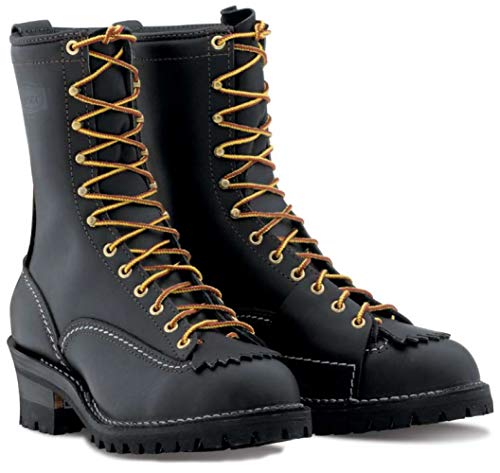
Premium Construction: The ultimate climbing boot worldwide, featuring 10 inches of 7 ounce oiled-leather top and foot for maximum durability and protection
How to Choose the Right Size and Fit

Selecting the correct size and fit for work boots is essential to guarantee comfort and safety throughout long workdays. How should you choose the proper footwear size and fit? First, aim for a snug fit with about a 1cm gap at the toe to allow movement without excessive slipping. Why try boots on with your work socks? This helps evaluate true fit and comfort. When is the best time to try on boots? Visit retailers in the afternoon when feet may slightly swell, providing an accurate fitting scenario. What signs indicate poor fit? Look for slipping, pinching, or heel rubbing during walking tests. Finally, consider stores offering half sizes and different fastening styles to tailor the fit precisely to your needs. Additionally, choosing boots with cushioned insoles can significantly reduce foot fatigue during long hours on hard surfaces.
Differences Between Steel and Composite Toe Caps
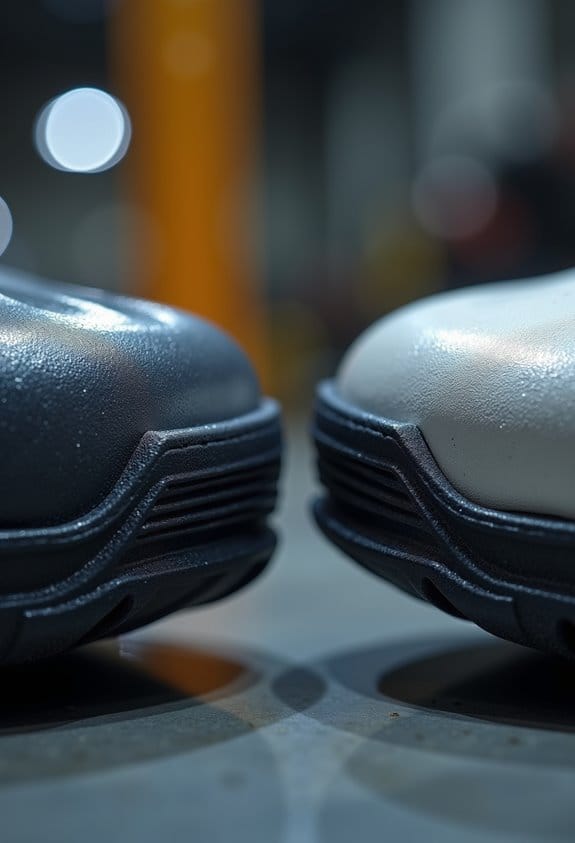
Work boots often feature either steel or composite toe caps, each designed to protect your feet from injury but differing in materials, weight, and performance. What are the main differences between steel toe caps and composite toe caps?
- Steel toe caps are metal, offering strong protection against heavy impacts, often rated up to 200 joules, making them ideal for risky construction sites.
- Composite toe caps use non-metal materials like Kevlar or carbon fiber, making them lighter and suitable for workers passing through metal detectors.
- Composite caps provide better thermal insulation as they do not conduct heat or cold, which is useful in extreme temperatures.
- Both types meet safety standards such as EN ISO 20345, but comfort and job needs often guide your choice between these two options.
- Additionally, steel toe boots commonly feature reinforced toes and other safety features to maximize protection on demanding job sites.
Recommended Products

Perfect Fit: Direct fit for 2020-2025 Silverado Sierra 2500 3500 Crew Cab 6'5" Bed

✅ PERFECT FIT: Direct fit for 2009-2018 Ram 1500 2019-2024 Ram 1500 Classic 2010-2025 Ram 2500 3500 Crew Cab (Exc Cab Chassis with Def Tanks)
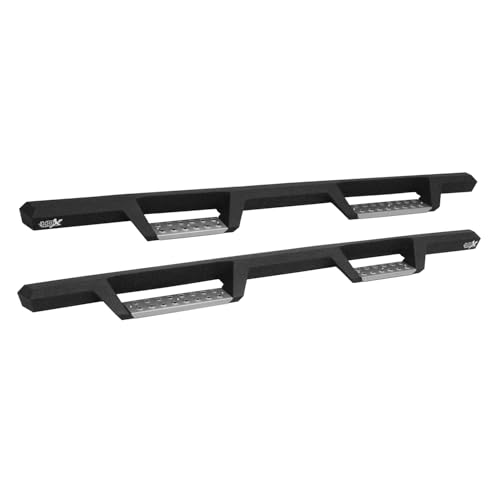
✅ PERFECT FIT: Direct fit for 2020-2025 Gladiator
Importance of Slip-Resistant Soles
Slip-resistant soles are a key feature that greatly improves safety for apprentices working on construction sites. Why are slip-resistant soles important in footwear? They reduce the risk of slips and falls, which are among the most common causes of workplace injuries. How effective is slip-resistant footwear? Research indicates it can cut fall-related injuries nearly in half, enhancing worker safety considerably. What should you look for in slip-resistant soles? Certified soles with an SRC rating offer proven grip on wet and uneven surfaces. How does this benefit apprentices? Using footwear with high-quality slip-resistant technology improves stability and confidence during work tasks. To conclude, investing in proper footwear with reliable slip-resistant soles is essential for apprentices to maintain safety and prevent accidents on construction sites. Additionally, considering shoes with reinforced toe caps and durable outsoles can provide extra protection against common construction site hazards.
Recommended Products

Wide Cutting Area: This snow blower features a 60" cutting width and a 27" cutting height, making it ideal for clearing deep snow drifts and heavy snowbanks.

3 Wattage Adjustable: The 320 watt parking lot lights come with 3 wattage options (320W/256W/192W in 1 fixture). Just slide the switch of parking lot pole light to select your desired wattage during installation for different brightness that suits your needs

Reinforced 1/8 in. steel construction — handles heavy loads without flexing.
Ankle Support and Its Role in Injury Prevention
Although many factors influence safety on construction sites, ankle support in boots plays a critical role in preventing injuries, especially for apprentices. Why is ankle support important? It helps stabilize the joint, reducing sprain risks on uneven terrain, which is common in the construction industry. How does it aid injury prevention? High-cut boots distribute body weight evenly, improving balance and reducing fatigue during physically demanding tasks. What features should you look for in boots? Choose designs that extend above the ankle and provide firm, yet comfortable support. Who benefits most from this feature? Apprentices, due to their inexperience, rely heavily on reliable ankle support to maintain stability and safety. Incorporating proper ankle support in your footwear is essential for injury prevention and improved performance on the job. Additionally, selecting boots with reinforced heels and toes enhances overall durability and protection while supporting ankle stability.
Waterproof and Weather-Resistant Boot Options
Ankle support contributes markedly to preventing injuries, but footwear must also protect against environmental hazards to maintain foot health during construction tasks. Why choose waterproof boots? Waterproof boots prevent wet feet, reducing blisters and fungal infections common on construction sites. What materials guarantee water resistance? Select boots made of water-resistant leather or synthetic fabrics with sealed seams for effective moisture protection and durability. How do boots stay comfortable? Many waterproof boots have breathable membranes that let moisture escape, preventing overheating during long hours. What safety features help on slippery surfaces? Slip-resistant soles on waterproof boots provide traction on wet and muddy ground. How does investing in quality waterproof boots benefit you? Good boots improve productivity and lower foot-related health problems, supporting apprentices throughout their construction careers. Additionally, features like ContourWelt technology enhance comfort and flexibility, crucial for demanding work environments.
Recommended Products

Fleece lined with 200g Thiosulfate insulation

A True Performance Product
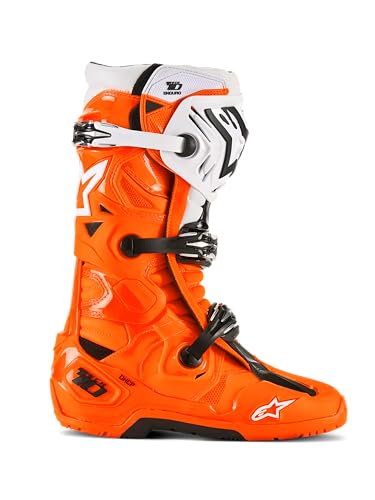
Enduro spec dual compound sole integrated with a multi-density foot base delivers exceptional grip, durability and precise shift control.
Breaking in Your First Pair of Work Boots
Breaking in a new pair of work boots is a crucial step for securing comfort and preventing foot injuries such as blisters. How should you approach breaking in your work boots? First, wear your boots for short periods daily, gradually increasing wear time over one to two weeks as the material softens. What else improves comfort during breaking in? Use the socks you plan to wear on the job to better assess fit and feel. Which signs indicate issues? Watch for pinching or hot spots, as these areas need more time to adjust. How should you monitor fit? Regularly check your boots, verifying approximately a 1cm toe gap remains for natural foot movement. Following these steps guarantees your boots provide ideal comfort on the job. Additionally, choosing boots with proper arch support and cushioning can significantly enhance comfort during the break-in period and beyond.
Recommended Accessories for Enhanced Comfort
When aiming to enhance comfort and support throughout long workdays, selecting the right accessories for work boots becomes essential. What are the recommended accessories for enhanced comfort? First, moisture-wicking socks made from bamboo keep feet dry and comfortable by reducing sweat buildup. Second, Steel Blue Ortho Rebound® insoles offer advanced arch support, which decreases foot fatigue during extended wear. Third, quality laces guarantee a secure fit without excessive tightness, preventing foot sliding and discomfort inside the boot. Additionally, gel inserts can address specific podiatric needs like pronation, improving both fit and function. How do these accessories impact foot health? Proper use of these items maintains better foot alignment, reduces pressure points, and supports natural movement, allowing apprentices to remain comfortable and focused on their work. Including boots with cushioned insoles and breathable linings further enhances comfort by reducing foot fatigue during long shifts.
Recommended Products

【3-ZONE CORE SUPPORT FOR SPINAL ALIGNMENT】Life Balance’s 14-inch king size hybrid mattress uses advanced 3-zone pocket springs to support shoulders, lumbar, and hips with different responses—helping maintain spinal alignment and easing back pressure for truly restorative sleep.

【Zoned Support for Back Pain Relief】 Experience hotel-style plush comfort every night with this 14-inch luxury hybrid mattress. Soft comfort layers cradle your body, while the 3-zone pocket spring system ensures targeted support and healthy spinal alignment. The Life Balance Plush Hybrid Mattress reduces pressure on shoulders, hips, and back, adapting to your body’s curves for balanced support and back pain relief.
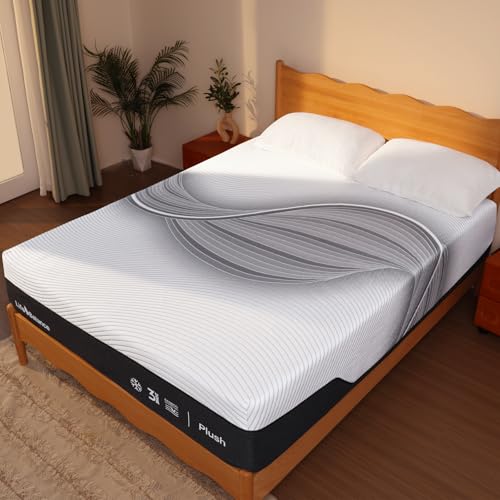
【Advanced Cooling Technology】Elite Support mattress combines cool-to-the-touch knit fabric, cooling gel foam, and breathable layers work together to dissipate heat, enhance airflow, and maintain a refreshingly cool sleep surface- perfect for hot sleepers, infused with bamboo charcoal help resist odors and maintain a cleaner sleep environment-for a cooler healthier sleep experience
Maintaining and Inspecting Your Work Boots
Maintaining and inspecting your work boots regularly guarantees they continue to provide the necessary protection and comfort throughout your workday. Why is inspecting important? It identifies issues like tread loss, cuts, or cracks in the sole and upper material that reduce safety. How should you clean them? Use appropriate methods such as leather conditioner for leather boots or water-resistant treatments for synthetics to extend their lifespan. What about insoles? Replace worn-out insoles to preserve support and comfort, considering types with better arch support. How do laces impact fit? Frayed laces should be replaced, and eyelets checked to verify they hold securely. Finally, why follow manufacturer instructions? They provide specific maintenance routines and replacement guidelines that optimize durability and safety for your work boots.
Tips for Adapting to Working Long Hours on Your Feet
Although standing for long hours is common in construction work, adapting effectively requires a combination of proper footwear, regular care, and body awareness. What types of footwear best support long hours? High-quality work boots with ample cushioning and arch support reduce fatigue, while a snug fit with a 1cm toe gap prevents blisters and heel rubbing. How can comfort be maintained throughout the day? Moisture-wicking socks, such as bamboo boot socks, keep feet dry and comfortable. What habits help manage foot strain? Taking regular stretch breaks and performing mobility tests relieve discomfort and maintain flexibility. Can additional products improve endurance? Supportive insoles like Steel Blue Ortho Rebound® cushion impact and boost comfort during extended shifts on demanding job sites.
Frequently Asked Questions
What Are the OSHA Rules for Footwear?
OSHA protective footwear regulations require steel or composite toe caps, slip resistant soles, and electrical hazard protection to guarantee foot injury prevention. Employers must enforce proper fit and maintenance to comply and protect workers effectively.
What Are the Proper Shoes Required to Wear in the Construction Trade?
Proper shoes required in the construction trade must feature steel toe protection to prevent injury, exhibit slip resistance for stability on various surfaces, and be made from waterproof materials to guarantee foot comfort and safety in wet conditions.
What Is the First Factor You Must Consider When Selecting the Proper Footwear for Your Job?
Ignoring safety standards in favor of flashy boots might seem tempting, yet the first factor is the comfort level combined with traction design and waterproof features, ensuring protection meets practical demands rather than mere aesthetics or trends.
What Is the Most Important Consideration When Safety Footwear?
The most important consideration when safety footwear is ensuring compliance with durability standards while maintaining an ideal comfort level to prevent fatigue. Additionally, meeting traction requirements is essential to minimize slip hazards in various work environments.