As an Amazon Associate, we earn from qualifying purchases. Some links on this site are affiliate links at no extra cost to you. Our recommendations are based on thorough research and editorial judgment.

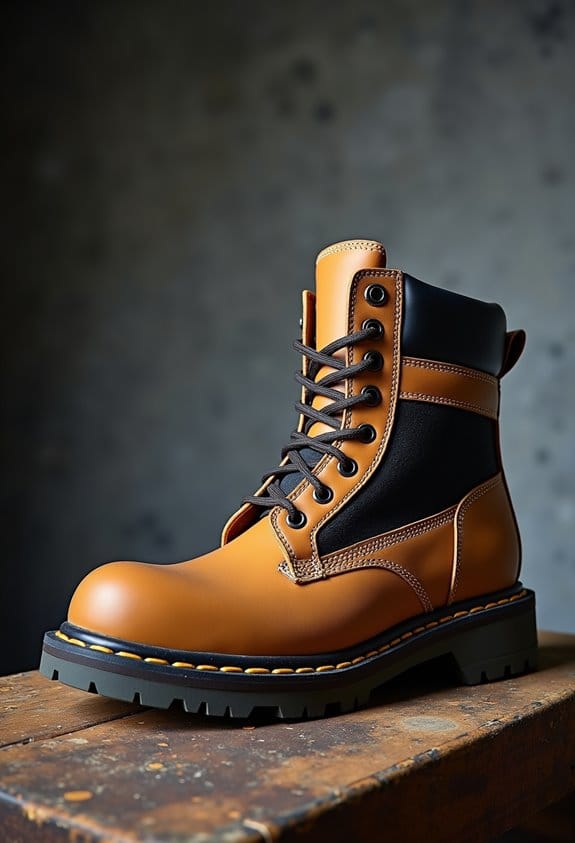
Daily Maintenance Habits to Make Safety Boots Last Longer

Daily maintenance habits to make safety boots last longer include airing boots after each use by loosening laces and removing insoles to prevent moisture buildup. Clean boots daily using a brush and mild soap to remove dirt and grime. Apply leather conditioner regularly to maintain flexibility and protect materials. Store boots in cool, dry places away from direct heat. Wear moisture-wicking socks daily and routinely inspect boots for wear or damage. Proper care also involves replacing insoles when needed. Following these steps guarantees durability and comfort, with further details available to optimize boot lifespan.
Key Takeaways
- Air out and dry boots thoroughly after each use by loosening laces and removing insoles to prevent moisture buildup and odor.
- Clean boots daily by brushing off dirt and wiping with a damp cloth and mild soap to prevent grime buildup and material weakening.
- Apply leather conditioner regularly to maintain boot suppleness and prevent cracking, ideally every few months or with seasonal use.
- Inspect boots routinely for damage, replace insoles every 3 to 6 months to ensure comfort and avoid foot fatigue.
- Wear moisture-wicking socks daily and change them regularly to keep feet dry, reducing moisture and extending boot lifespan.
Air Out Boots After Each Use
Begin by airing out your safety boots after each use to prevent moisture buildup caused by sweat or wet conditions. Why is this important? Moisture buildup inside boots can lead to odor and material deterioration, compromising their structural integrity. How should you air out boots effectively? First, loosen the laces to improve ventilation. Then, place the boots in a well-ventilated area to allow them to dry thoroughly, reducing mold and mildew risks. What benefit does this practice offer? Consistent airing out not only keeps boots dry but also helps maintain their breathability. Overall, this maintenance habit is essential to prolong lifespan and prevent excessive wear caused by dampness. Additionally, using boots with breathable materials enhances drying efficiency and comfort. By following these steps regularly, your boots will perform better and last longer.
Remove Dirt and Debris Daily

Daily removal of dirt and debris from safety boots is essential for maintaining their durability and appearance. Why should you remove dirt and debris daily? Accumulated residue, especially from chemicals or job materials, can weaken the boot material and cause premature wear. How can you perform effective daily maintenance? Use a boot brush to clear loose dirt after each use, and wipe with a damp cloth and mild soap when necessary. What benefits does this cleaning routine provide? Regularly cleaning boots prevents grime buildup and helps extend their lifespan by up to 40%. What tools support proper care? Keeping compact cleaning supplies handy allows prompt response to dirt exposure. Following this simple daily routine guarantees your safety boots stay in good condition over the long run. Prioritizing waterproof or non-porous materials in your boots enhances their resistance to stains and odors, making daily cleaning more effective.
Recommended Products

MAXIMUM TRACTION. Grip Step truck steps have unique expanded metal treads that provide an exceptional level of traction and safety in spite of the weather conditions. They offer a safe, comfortable 7-inch wide stepping surface

MAX TRACTION. Grip Step van steps have unique expanded metal treads that provide an exceptional level of traction and safety in spite of the weather conditions. They offer a safe, comfortable 7-inch wide stepping surface

Durable 18 GA 304 stainless steel with premium brushed finish and superb drainage design, saving time. Includes all accessories, an easy-to-follow manual, and a leak-proof drain for peace of mind.
Dry Boots Naturally in Ventilated Areas

Proper drying techniques play an essential role in maintaining safety boots, as air-drying them in a well-ventilated area helps prevent warping and preserves their shape. How can you dry boots naturally without causing damage? Follow these steps:
- Remove insoles to improve airflow and speed up moisture evaporation inside the boots.
- Place boots in ventilated areas to allow fresh air circulation, which prevents mold and helps maintain shape.
- Avoid direct heat sources like radiators or hair dryers that can crack or deteriorate materials.
- Stuff boots with newspaper to absorb excess moisture while supporting their structure.
- Maintaining the waterproof integrity during drying is key to prolonging the life of premium safety boots with waterproof leather.
Recommended Products
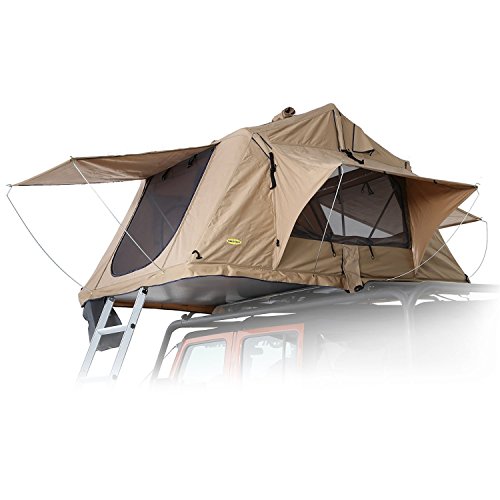
Standard size tent (sleeps 2-3) with high-density 92" x 55" foam double/full mattress and 661 lb. max load

200 CFM OF FORCED AIR VIA DUAL FANS blow air directly into gear for quick drying times

Single-sided freestanding garment rack features a top and bottom shelf for double the storage space
Loosen Laces Before Removing Boots

Loosening the laces before removing safety boots prevents damage and maintains their structure, extending their lifespan. Why should you loosen laces before taking off your boots?
- Loosen laces fully to reduce friction on the eyelets and laces, which helps prolong their durability.
- Untying laces avoids unnecessary stretching or creasing of the leather, reducing wear and tear.
- Proper maintenance by loosening laces makes removing boots easier and helps maintain the boot’s shape.
- This practice prevents distortion and collapsing of the toe box, preserving a proper fit.
- Regularly loosening laces as part of daily boot care can extend their lifespan by preventing structural damage.
- Additionally, using durable materials such as ESD rubber soles in safety boots enhances their wear resistance and overall longevity.
Apply Leather Conditioner Regularly

After loosening the laces to take off safety boots carefully, maintaining the leather is the next step in preserving their condition. Why should you apply leather conditioner regularly? Doing so helps maintain the suppleness of leather work boots by preventing moisture loss and cracking. How often? Conditioning your boots every few months or each season optimizes durability by enhancing the leather’s resistance to water penetration. What products work best? Use high-quality, easy-to-apply conditioners like Nikwax, which penetrate leather deeply without harmful chemicals. What benefits will you notice? Regular conditioning extends the lifespan of your boots by up to 40%, delays wear and tear, and keeps them looking newer longer. Remember, this step focuses on conditioning only, before reapplying waterproofing spray in future maintenance. For best results, always clean your boots with a soft brush and leather cleaner before conditioning to remove dirt and preserve leather quality.
Recommended Products

FULL-GRAIN LEATHER boots tested nine ways for strength and durability, made in America and triple-stitched for longevity

【UNIQUE DESIGN ULTRA-QUIET WATCH WINDER】- DUKWIN automatic winder has 8 winding places and 6 storage spaces, giving your watch maximum flexibility. There is also a jewelry storage box at the bottom, which can store the jewelry just taken out. The automatic watch winder adopts a high-quality Japanese Marlboro motor, and high-efficiency movement, reduces the consumption of the watch winding machine, and ensures quiet operation, even at night without affecting your rest.

AMERICAN MADE with USA and globally sourced components by the skilled craftsmen and women at Thorogood’s US plants
Reapply Waterproofing Treatments Consistently
Regularly reapplying waterproofing treatments is essential to preserving the functionality and durability of safety boots, especially in wet conditions. Why is this important?
- Moisture weakens boots and reduces their protective capabilities.
- Using waterproofing spray or wax suited for your boots prevents water damage.
How often should you reapply waterproofing treatments?
– Every 2-3 weeks, or after heavy exposure to water, to extend the life of your boots by up to 40%.
What steps should be followed?
- Clean your boots thoroughly before applying any waterproofing product, removing dirt and old residues.
- After cleaning, apply the waterproofing spray or wax evenly, allowing it to absorb.
- Complement these maintenance practices with leather conditioner to keep leather flexible and prevent cracking.
Consistent care will help maintain boot integrity and maximize protection. Additionally, maintaining the Goodyear Welt Construction on your boots can enhance durability and water resistance, further extending their lifespan.
Recommended Products

Rugged and Waterproof - Durable nylon fabric with a new, upgraded and more rugged, 10K/5K PU Film Lamination make these pants even tougher and more comfortable than the original. (Made with PFAS chemicals for durability.)

ENHANCED FABRIC PROTECTION - Adds water repellency to a range of fabrics, ideal for clothing and personal accessories, safeguarding against elements and extending their use and lifespan

Waterproofing + UV & stain protection for boat covers, car covers, bimini tops, sail covers, tents, jackets, backpacks, boots, awnings & patio covers
Rotate Between Multiple Pairs of Boots
Although many workers focus on cleaning and waterproofing their boots, rotating between multiple pairs is equally important for maintaining safety and comfort. Why should you rotate between multiple pairs of boots?
- To extend the lifespan of work boots, allowing materials to decompress and recover after use.
- To reduce moisture buildup inside the boots by letting each pair dry out fully.
- To prevent damage from constant wear, which can weaken boots prematurely.
- To improve hygiene by minimizing accumulation of bacteria and moisture in one pair.
- To prevent issues like dry-rot in rubber outsoles by keeping all pairs in active use.
Additionally, rotating boots helps maintain the effectiveness of features such as shock absorption technology, ensuring continued comfort and protection throughout long shifts.
Store Boots in Cool, Dry Locations
When you store safety boots in a cool, dry location, you help preserve their materials and maintain their protective qualities. Why is it important to choose such a space?
- Cool, dry locations reduce moisture accumulation, which can damage the outsole and cushioning over time.
- Proper storage prevents mold growth by ensuring boots are completely dry before putting them away.
- Avoid exposure to direct sunlight or artificial heat sources, as they degrade materials and reduce protective properties.
- Using cardboard boxes rather than plastic bags improves airflow, further reducing moisture risks.
- Improper storage can cause stiffness and loss of traction, diminishing the boots’ safety and comfort.
Additionally, regular cleaning and conditioning are essential parts of maintenance to extend the lifespan and effectiveness of your safety boots.
To maximize durability and performance, always store your boots in an environment free from excess heat and humidity.
Use Moisture-Wicking Socks Daily
Several types of socks can greatly improve foot comfort and safety when worn with safety boots every day. Why choose moisture-wicking socks? They pull sweat away from your skin, preventing moisture buildup that leads to discomfort and boot damage. What materials work best? Synthetic blends or merino wool outperform cotton by reducing dampness and odor. How does this affect your boots? Wearing moisture-wicking socks helps reduce wear and prevent deterioration caused by prolonged moisture exposure inside the boots. What is the role of changing socks daily? Regularly changing socks maintains a dry, breathable environment that prolongs life by limiting sweat and bacteria buildup. To preserve your safety boots, incorporate daily use of moisture-wicking socks and practice consistent sock changes for better comfort and durability. Additionally, pairing moisture-wicking socks with boots made from breathable materials enhances airflow and moisture control for optimal foot health.
Perform Routine Inspections for Damage
Proper foot care includes not only wearing moisture-wicking socks but also regularly examining your safety boots for potential damage. Why should you perform routine inspections for damage? Doing so helps you spot visible signs of wear and tear early, such as worn-out soles, cracks in leather, or thinning tread. What should you check during inspections?
- Stitching integrity, looking for frayed or loose seams.
- Insoles for signs of compression or wear.
- The production date to assess material aging.
How often? Conduct these inspections at least once a month. What happens if you find damage? Timely repairs or replacements maintain safety standards and guarantee ongoing protection. Regular checks extend boot life and keep your feet safe on the job. Additionally, paying attention to the condition of the metatarsal guards can ensure critical impact protection remains uncompromised.
Maintain and Replace Insoles as Needed
One critical aspect of maintaining safety boots involves regularly checking and replacing the insoles to preserve comfort and support. How often should you replace insoles? Typically, every 3 to 6 months to avoid foot fatigue caused by worn cushioning. What should you look for when inspecting insoles? Signs like thinning, cracking, or loss of shape indicate it’s time to replace them. How can you maintain insoles? Clean them regularly and allow them to dry completely to prevent moisture buildup, which can lead to odor and material degradation. Are there specific insoles to take into account? Yes, high-quality or moisture-wicking insoles tailored to your work environment help maintain foot health and extend the lifespan of your boots. Replacing insoles promptly guarantees maximum support and comfort every day.
Recommended Products

Made in the USA, Berry

Waterproof Leather Durability: Made from high-quality waterproof full-grain leather, these Chippewa work boots for men, model 59406, provide rugged protection against wet conditions for long-lasting wear

Made For Comfort On And Off The Motorcycle
Frequently Asked Questions
How to Extend the Life of Work Boots?
A silent guardian’s strength endures through boot care tips: employing waterproofing techniques, proper storage, and cleaning methods preserve integrity; thoughtful lacing techniques, insulation options, and timely sole replacement guarantee work boots steadfastly face each challenge with resilience.
What Does Spraying WD-40 on Boots Do?
Spraying WD-40 on boots offers temporary waterproofing techniques, aids dirt removal tips, and acts as rust prevention sprays for metal parts. However, it lacks leather conditioning benefits and should be used sparingly within effective boot protection methods to enhance durability.
How Do I Make My Boots Last Longer?
To make boots last longer, one should prioritize regular boot cleaning, sole repair, water resistance treatments, leather conditioning, insole replacement, proper storage, and consistent regular inspection to maintain durability, comfort, and overall functionality.
How to Maintain Safety Boots?
Maintenance of safety boots is like tending a garden: boot care includes cleaning tips, conditioning leather, waterproofing methods, insole replacement, soles maintenance, and proper storage to guarantee durability and protection over time.