As an Amazon Associate, we earn from qualifying purchases. Some links on this site are affiliate links at no extra cost to you. Our recommendations are based on thorough research and editorial judgment.

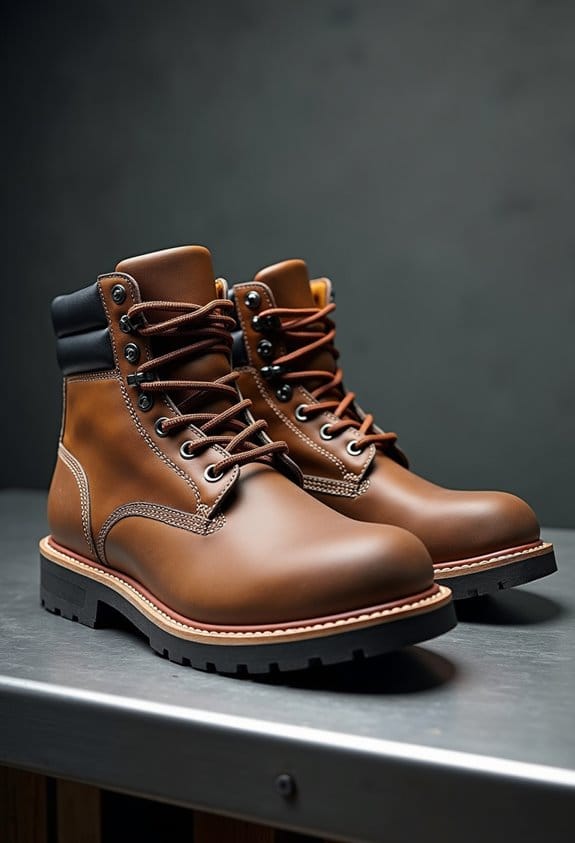
Are Composite‑Toe Boots Safe Enough for Heavy Industrial Work?

Composite-toe boots provide adequate safety for heavy industrial work when they comply with ASTM F2413 standards. They offer equal impact and compression resistance to steel toes, typically withstanding 75 pounds of impact and 2,500 pounds of compression. These boots are lighter, non-conductive, and resist rust, making them suitable for electrical hazard areas. You should verify proper fit, slip resistance, and durability. If you want to understand the benefits and limitations of composite toes further, additional details can clarify their suitability for your needs.
Key Takeaways
- Composite toe boots meet ASTM F2413 standards, ensuring protection against 75-pound impact and 2,500-pound compression in heavy industrial work.
- They offer non-conductive safety, reducing electrical hazard risks in industrial environments.
- Composite boots are 25%-35% lighter than steel toes, reducing foot fatigue during long shifts.
- Their superior insulation protects feet from extreme temperatures common in heavy industrial settings.
- Though more expensive, composite boots provide slip resistance and corrosion resistance without compromising impact protection.
Understanding Safety Toe Boots and Their Importance
Safety toe boots serve a critical role in protecting workers from common hazards such as falling objects, compression injuries, and sharp debris encountered in heavy industrial environments. What makes safety toe boots essential in these work environments? They provide foot protection by meeting ASTM standards, which require boots to withstand 75 pounds of impact and 2,500 pounds of compression. How do composite toe boots fit into this? Composite toe boots offer impact resistance comparable to steel toe boots but are lighter and non-metallic, which reduces risks around electrical hazards. Additionally, composite toe boots resist rust and corrosion, maintaining protection longer in harsh settings. For peak safety, selecting boots with ASTM compliance guarantees your foot protection meets the necessary standards tailored to the unique challenges of heavy industrial work environments. Moreover, features like Kevlar midsoles enhance puncture resistance, adding an extra layer of foot protection in hazardous work conditions.
Key Differences Between Composite Toe and Steel Toe Boots
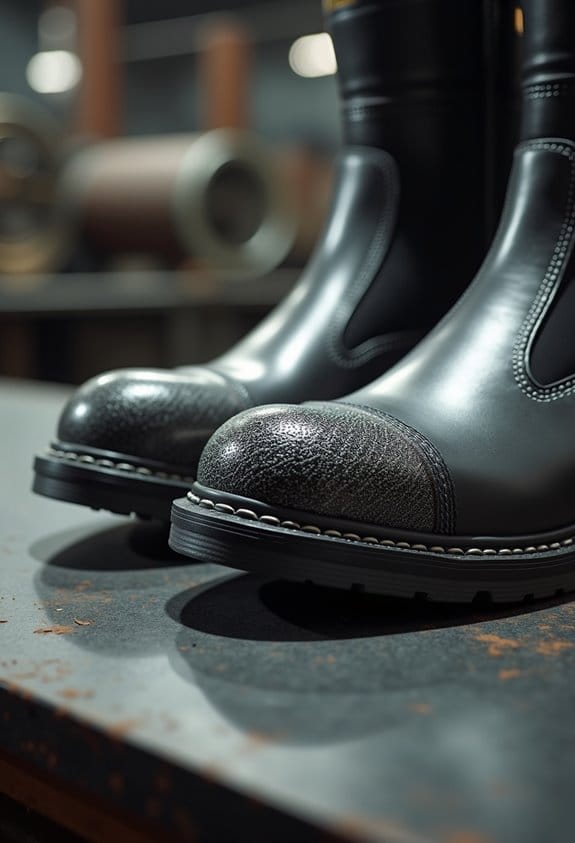
When comparing composite toe boots to steel toe boots, it is important to understand their differences in weight, durability, and insulation properties. Both types provide equal impact protection and meet safety standards, ensuring workers’ safety on the job. Composite boots are greatly lighter—up to 30%—reducing foot fatigue during long shifts. Regarding durability, steel toes offer sturdy protection but are prone to rust, whereas composite toes resist corrosion and perform well in moist or chemical environments. Temperature is another key factor: composite boots offer better insulation, keeping feet cooler in hot settings and warmer in cold ones, while steel boots conduct heat and cold more easily. Choosing between composite and steel depends on your specific work environment, safety needs, and comfort preferences, especially regarding weight and protection requirements. Additionally, the inclusion of waterproof materials in both types greatly enhances foot protection in wet and hazardous conditions.
Recommended Products
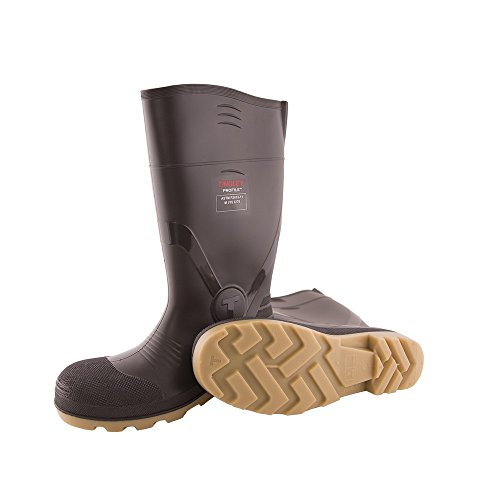
Waterproof: yes

Black Prime Waterproof, Flame, and Cut-Resisting Leather upper

NFPA 1951, NFPA 1971, NFPA 1977, NFPA 1990(1992), ASTM F2413 & CAN/CSA-Z195 certified
Safety Standards and Certifications for Composite Toe Boots
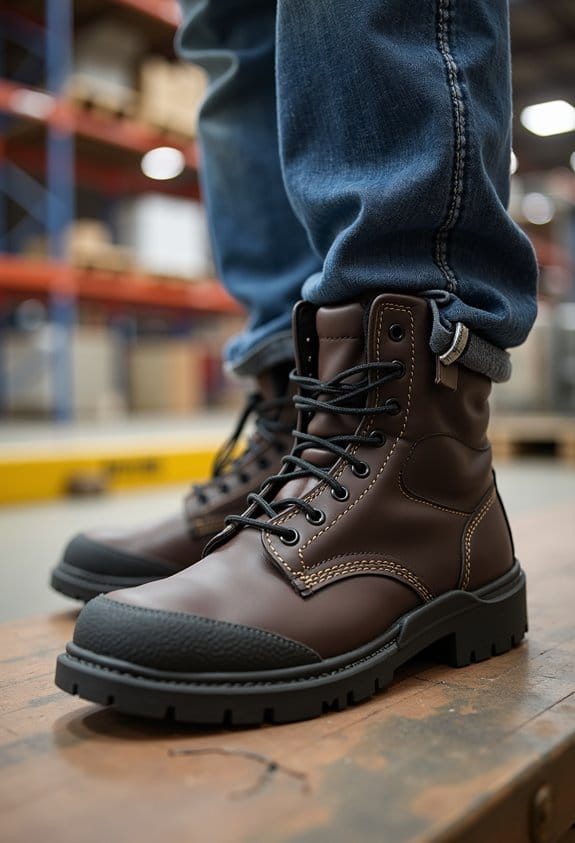
Although composite toe boots offer lightweight comfort, they must still meet strict safety standards to guarantee adequate protection in industrial settings. What safety standards do composite toe boots follow? They comply with ASTM F2413, ensuring impact and compression resistance required for heavy industrial work. How can you verify compliance certification? Check the boot’s tongue tag, which indicates adherence to standards like AS/NZS 2210.2:2009 and EN ISO 20345. What protective features do these boots offer? Apart from impact protection, composite toe boots provide electrical hazard protection and slip resistance, both essential for environments with high safety requirements. Are these boots suitable for heavy labor? Yes, as they meet the same high safety standards as steel toe boots, making them a practical choice for industrial workers prioritizing comfort without sacrificing safety. Additionally, advanced cushioning technologies, such as DuraShocks SR cushioning, can enhance comfort during long work hours.
Recommended Products

10 inch tall 2.8mm thick full grain leather uppers

NFPA 1971, NFPA 1990(1992), ASTM F2413 & CAN/CSA-Z195 certified

NFPA 1971, NFPA 1990(1992), ASTM F2413 & CAN/CSA-Z195 certified
Impact and Compression Testing Requirements
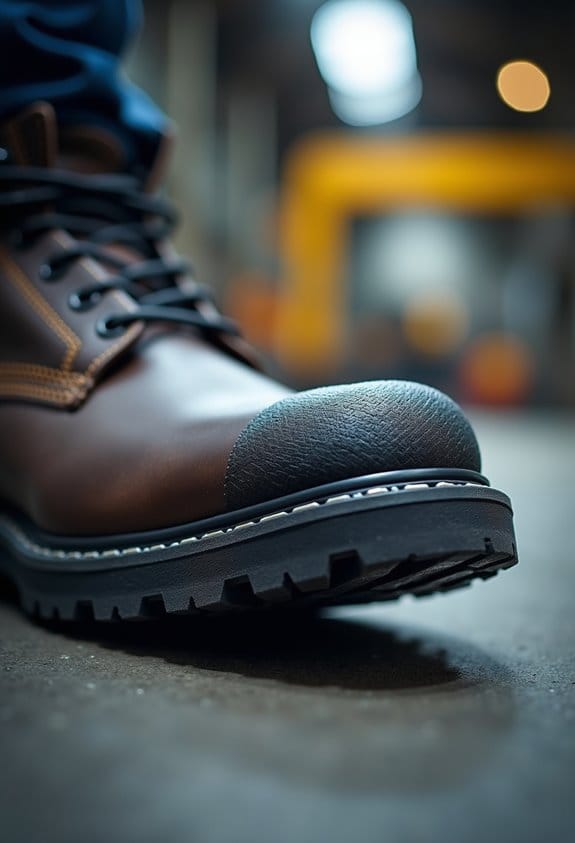
Numerous tests determine whether composite toe boots can adequately protect your feet from common workplace hazards. How do impact and compression tests confirm safety?
- Composite toe boots must pass a compression test with 15kN (1.5 tons) force, confirming they do not cave in under heavy loads typical in industrial settings.
- An impact test involves a 20kg striker delivering 200J of force, simulating protection against falling objects.
- After testing, a clearance gap between 12.5mm and 15mm is required, confirming the toe cap maintains enough space to prevent injury.
- These boots flex under impact, spreading forces to the side walls to reduce damage risk.
- Compliance with ASTM F2413 safety standards guarantees composite toe boots meet both impact and compression requirements, making them suitable for heavy industrial work environments.
- Additionally, composite toe boots often feature moisture-wicking linings which help keep feet cool and comfortable during extended use.
Recommended Products
Black Prime Waterproof, Flame, and Cut-Resisting Leather upper
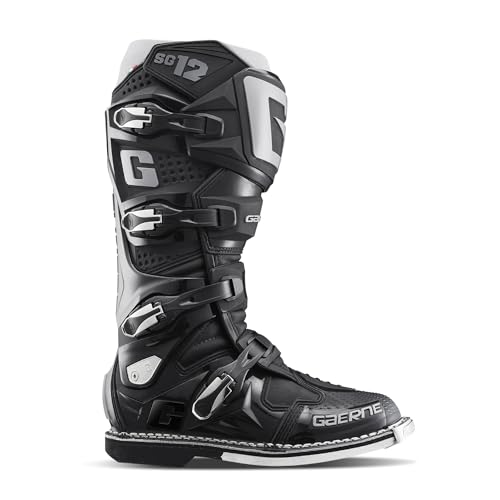
DSPS (Dual Stage Pivot System) provides superior lateral support, preventing over-compression and hyper-extension.
Black Prime Waterproof, Flame, and Cut-Resisting Leather upper
Material Composition of Composite Toe Caps

Impact and compression tests guarantee that composite toe boots provide necessary protection, but the materials used in the toe caps also play a significant role in their performance. What are composite toe caps made of? They typically consist of high-strength materials such as fiberglass, carbon fiber, or Kevlar. These non-metallic materials offer excellent impact resistance while being lightweight, making the boots easier to wear for long periods. How do these materials protect you? They absorb energy and distribute force efficiently, meeting the same safety standards (ASTM F2413) as steel toe caps. Durability is another benefit, as these materials resist rust and corrosion. Additionally, composite toe caps provide electrical hazard protection because they do not conduct electricity, essential for many heavy industrial workplaces. It is also important to ensure boots have clearly labeled safety compliances so workers understand the protection level provided.
Advantages of Choosing Composite Toe Boots for Industrial Work
When selecting footwear for industrial work, understanding the advantages of composite toe boots can help you make an informed decision. What benefits do composite toe work boots offer compared to steel toe boots? First, they meet stringent safety requirements, providing impact protection equal to steel toe boots while weighing 25%-35% less. How does this help? By reducing fatigue during long shifts, they improve worker comfort and efficiency. Are there other safety features? Yes, composite boots are non-conductive, enhancing safety in electrical hazard zones commonly found on construction sites. They also offer superior temperature insulation, preventing heat or cold transfer. What about footing? Durable materials contribute to slip-resistant soles and puncture-resistant protection, essential on rough surfaces. These advantages make composite toe boots a practical choice for many heavy industrial environments. Additionally, many composite boots incorporate waterproofing capabilities to ensure comfort and protection in wet working conditions.
Recommended Products
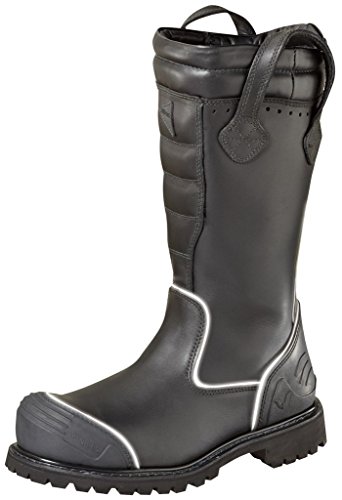
Flexible L-Protection Puncture-Resisting Insole Material Shaft Vapor Exhaust Vents Super Reinforced Leather Pull Straps Flexible Goodyear Storm Welt Construction 3M Scotchlite Reflective Material - High Visibility Piping

Delivers maximum Linesman performance and durability witha steelstability shank
Limitations and Potential Drawbacks of Composite Toe Boots
Although composite toe boots offer many benefits, they have some limitations that you should consider before selecting them for your work environment. How do composite toe boots compare to steel toe boots in protection? Composite toes typically provide lower impact resistance, which may be insufficient for heavy industrial applications involving severe falling objects. What about durability and longevity? Advanced materials used in composite toes can wear down after significant impacts, possibly requiring more frequent replacement. Can composite toes protect against sharp punctures or compression hazards? In certain environments, their protection may fall short compared to steel toes. Are there other drawbacks? Composite toe boots often come at a higher cost, which might be a concern for some workers. Therefore, evaluate your specific protection needs carefully before choosing composite toe boots. Additionally, steel toe boots meeting ASTM F2413-18 standards offer proven impact and compression resistance that composite toes may not guarantee.
Selecting Composite Toe Boots for Heavy Industrial Environments
Selecting composite toe boots suitable for heavy industrial environments requires careful attention to safety standards and material qualities. What features guarantee safety and comfort? First, confirm ASTM F2413 compliance, guaranteeing impact and compression resistance withstanding up to 75 pounds impact and 2,500 pounds compression. Why are puncture-resistant soles important? They protect your feet from sharp debris common in industrial sites. Should you consider electrical hazard protection? Yes, especially if exposed wiring exists onsite. What materials offer the best balance? High-grade materials like Kevlar or fiberglass provide lightweight durability. How can you secure comfort during long shifts? Choose a proper fit with enough toe space to avoid fatigue and injuries. By focusing on these elements, you select composite toe boots that meet safety standards and suit heavy industrial environments effectively. Additionally, ensure the boots provide electrical hazard protection to reduce the risk of electric shocks in environments with live wiring or electrical equipment.
Recommended Products

Anti-Fatigue Technology: A comfort system designed with shock-absorbing, geometrical technology that returns energy back to the foot to deliver all-day support and comfort.
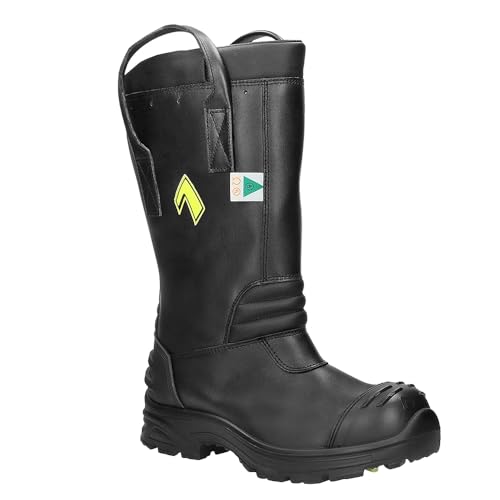
Certified to NFPA 1971, NFPA 1990 (1992), ASTM F2413 & CAN/CSA-Z195

Non-metallic composite safety toe, ASTM F2413 M/I/C rated
Tips for Maintaining and Inspecting Composite Toe Work Boots
Proper care and regular inspection of composite toe work boots help maintain their protective qualities and extend their lifespan in demanding industrial settings. How should you maintain and inspect your boots? First, perform visual inspection for wear and tear such as cracks or sole damage that may impair toe protection. Next, clean boots regularly with mild soap and water to remove dirt that can degrade safety features. Check the inside for proper fit and adequate cushioning to prevent blisters and guarantee comfort. Additionally, after any heavy impact, replace your composite toe boots, as safety might be compromised. Store them in a cool, dry place away from sunlight to slow material degrading. Following these steps preserves both the composite toe and overall boot integrity, keeping safety and performance at peak levels. Also, checking for slip-resistant outsoles ensures continued safe traction on slippery surfaces.
Frequently Asked Questions
How Much Weight Can Composite Toe Boots Handle?
Composite toe boots typically handle compression forces up to 2,500 pounds, meeting ANSI safety standards. Their composite materials offer impact resistance verified through durability tests, balancing foot protection with comfort levels. Industry comparisons and user feedback highlight adequate weight limits.
Does OSHA Allow Composite Toe?
OSHA permits composite materials for toe protection in industrial safety, provided they meet safety standards addressing workplace hazards. These boots offer durable design, comfort levels, slip resistance, and effective prevention of foot injuries under footwear regulations.
Is Composite Toe Good for Construction Work?
Is durability alone enough for construction safety? Composite toe boots, boasting safety ratings, material durability, insulation properties, and moisture resistance, provide excellent workplace comfort and fit options. Brand comparisons emphasize weight considerations, hazard protection, and long term performance for versatile use.
Can Welders Wear Composite Toe Boots?
Welders can wear composite toe boots, meeting industrial standards for toe protection and welding safety. Boot materials offer heat resistance, electrical hazard protection, and comfort levels with lightweight advantages, aligning with industry preferences despite some weight limitations.


