As an Amazon Associate, we earn from qualifying purchases. Some links on this site are affiliate links at no extra cost to you. Our recommendations are based on thorough research and editorial judgment.

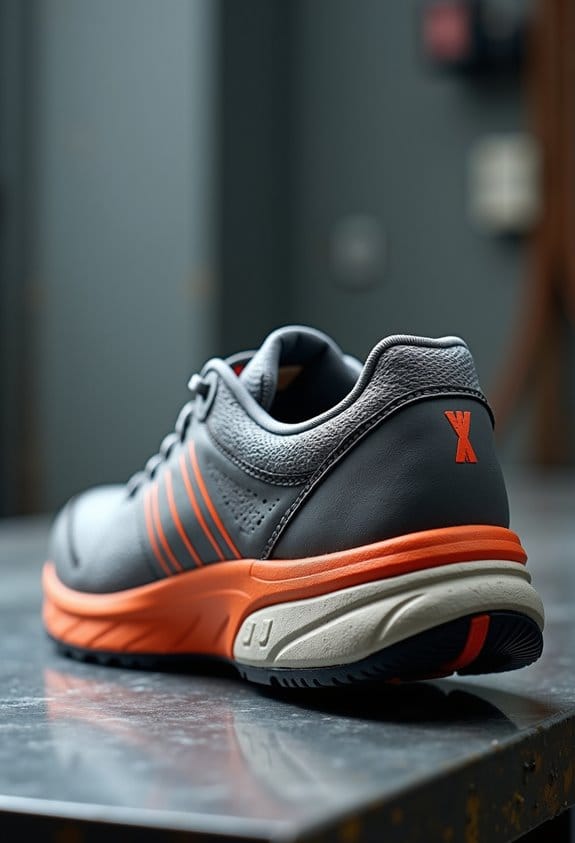
Why Regular Sneakers Are Unsafe in High‑Voltage Work Areas

Regular sneakers are unsafe in high-voltage work areas because they lack insulated soles and often contain conductive materials, allowing electrical current to pass through the body. They do not meet electrical hazard (EH) safety standards, which require soles to resist voltages up to 600V AC and prevent electric shock. Additionally, regular sneakers usually lack puncture resistance and anti-static properties needed for protection. Using EH-rated footwear is essential for safety, and understanding their features and maintenance will enhance protection in hazardous settings.
Key Takeaways
- Regular sneakers often contain conductive materials that allow electrical currents to pass through the body, posing severe shock risks.
- They lack insulating soles designed to block electrical flow and protect against voltages up to 600V AC.
- Without EH-rated insulation, sneakers provide no barrier to high-voltage electrical hazards found in work environments.
- Wet conditions further reduce any minimal insulating properties of regular sneakers, increasing shock hazard.
- Regular sneakers fail to meet ASTM and ANSI safety standards required for electrical hazard protection in high-voltage areas.
The Risk of Electrical Shock in High-Voltage Environments
When working in high-voltage environments, understanding the risk of electrical shock is critical to your safety. Electrical shock occurs when current passes through the body, potentially causing severe injury or death. Regular sneakers are unsuitable because they lack insulation and are often made from conductive materials. This exposes wearers to electrical hazards. EH Safety Footwear offers protection by providing insulated footwear designed as part of your personal protective equipment (PPE). These shoes resist voltages up to 600V AC, reducing the chance of shock. Safety footwear with proper insulation acts as a barrier, helping prevent electrical current flow through the body. To guarantee effective protection, always choose EH-rated footwear when working near electrical hazards instead of relying on ordinary sneakers or non-insulated shoes. Also, ensure the boots meet ANSI safety standards to verify their effectiveness against electrical hazards.
How Step Potentials Create Dangerous Voltage Differences

Step potentials create dangerous voltage differences by producing a voltage gradient in the ground during high fault current events, such as those caused by downed powerlines. What are step potential hazards? They arise when the voltage at the fault point is high and dissipates with distance, causing a voltage difference between your feet when walking nearby. How does this cause electric shock? The current flows through your body due to these differences, even at voltages as low as 50 volts, posing serious electrical hazards including cardiac arrest. How can protective footwear help? Footwear designed specifically for high voltage environments—like safety boots—can reduce current flow through your body. Consequently, always use safety boots instead of regular sneakers to minimize risk from step potential hazards in high-voltage work areas. Opting for boots with steel toe safety features provides added protection against physical and electrical hazards common in such environments.
Limitations of Regular Sneakers in Electrical Hazard Protection

Although regular sneakers are common everyday footwear, they lack essential features to protect against electrical hazards in high-voltage work areas. What are the main limitations of using regular sneakers as protective footwear?
- Regular sneakers often contain conductive materials, allowing electrical current to pass through easily.
- They do not have insulating soles designed to block electrical flow, which is critical for EH safety.
- Standard sneakers lack protection against electrical hazards from sources up to 600 volts AC.
- Many sneakers do not provide puncture resistance, increasing risk if soles are pierced and electrical contact occurs.
- Wearing them in wet or damp conditions worsens this risk by reducing any minimal insulating capacity.
Therefore, regular sneakers fail to meet the protective standards required for electrical hazard safety, making them unsuitable in high-voltage environments. Proper ASTM F2413-18 certification is essential for ensuring boots reduce electrical accidents effectively.
Recommended Products

Complete CAT 4 Protection: Stay protected while navigating electrical environments with our Arc Flash Kit, featuring a large 40 Cal FR bib overall, coat, class 2 rubber voltage gloves, face shield, safety glasses, gear bag, and tools

10 inch tall 2.8mm thick full grain leather uppers

10" tall leather uppers made from 2.8 mm full grain leather feature double and triple stitching throughout for added durability
Features of Electrical Hazard (EH) Safety Footwear

Electrical Hazard (EH) safety footwear is specifically designed to protect workers from accidental electrical shocks by using non-conductive materials that prevent electrical current from passing through the wearer. What features make EH-rated footwear crucial PPE for electrical safety? First, the footwear protects by isolating the wearer from current flow, using soles and components made of insulating materials. Second, it is designed to protect against voltages up to 600V AC without allowing electrical leakage beyond safe limits. Third, many EH shoes include anti-static footwear properties to reduce static electricity, which is important in certain workplaces. These combined features guarantee the footwear provides critical protection in high-voltage areas, something regular sneakers cannot offer. Choosing proper EH-rated footwear is an essential step in effective personal protective equipment for electrical hazard environments. Additionally, footwear with non-conductive rubber soles minimizes electrical conduction to enhance safety on the job.
Recommended Products


Black Prime Waterproof, Flame, and Cut-Resisting Leather upper

NFPA 1951, NFPA 1971, NFPA 1977, NFPA 1990(1992), ASTM F2413 & CAN/CSA-Z195 certified
Industry Standards and Certifications for EH Footwear

One essential aspect to understand about EH footwear is the set of industry standards and certifications that guarantee its reliability and safety performance. What standards apply to EH footwear? The ASTM standards, specifically ASTM F2413-2005, set requirements for electrical insulation, impact resistance, and compression resistance. How do these standards guarantee compliance? Shoes must be marked with the EH designation, signaling protection against electrical hazards up to 18,000 volts. Why is this important for personal protective equipment (PPE)? EH footwear made from non-conductive materials reduces risk in environments such as telecommunications and oil and gas. What else should you consider? Regular inspection is vital, since the protective qualities can diminish over time due to wear or moisture, so maintaining compliance guarantees ongoing electrical hazard protection. Additionally, ensuring the footwear has an ESD-rated outsole helps conduct static charge safely, further enhancing electrical hazard protection.
Recommended Products

DURABLE full-grain leather boots tested six different ways for strength, made in America and triple-stitched for longevity
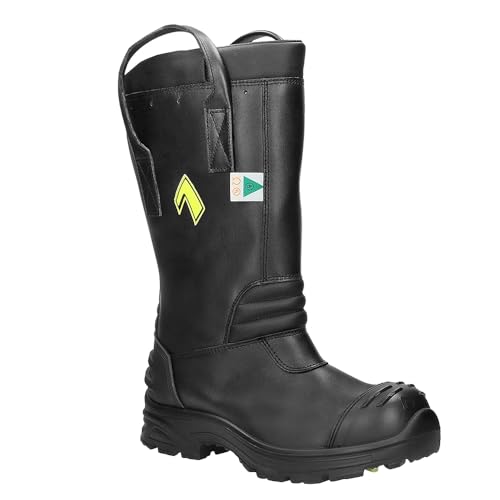
Certified to NFPA 1971, NFPA 1990 (1992), ASTM F2413 & CAN/CSA-Z195

Non-metallic composite safety toe, ASTM F2413 M/I/C rated
The Role of Non-Conductive Soles in Preventing Electrical Injury
A critical feature in preventing electrical injury during high-voltage work is the use of non-conductive soles in safety footwear. What role do non-conductive soles play? They provide electrical insulation, stopping voltage from passing through the body to the ground, which helps prevent electric shock. How do these soles differ from regular sneakers? Unlike standard footwear that can conduct electricity and lose insulation when wet or damaged, EH safety footwear soles are specially designed and tested to withstand up to 18,000 volts. Why is this important? Because electrical hazards in work environments can be deadly even at 50 volts. To protect yourself, use personal protective equipment like EH safety footwear with non-conductive soles, as this key element reduces the risk of electrical injury. Additionally, maintenance such as regular inspections for damage and timely replacements is vital to ensure continuous electrical insulation effectiveness.
Recommended Products

NON-CONDUCTIVE: Crafted with fiberglass for non-conductive safety assurance, this extension ladder combines strength and durability.

ONE SIZE FITS ALL design makes it great and reliable for small and large shoes worn by either men or women in the lab or manufacturing environment. The revesable cup design of the ESD heel grounder can be reversed so that doubles the life span of the product

NON-CONDUCTIVE: Crafted with fiberglass for non-conductive safety assurance, this extension ladder combines strength and durability.
Selecting Appropriate Footwear for Different Electrical Work Settings
When working in different electrical environments, understanding how to select appropriate footwear is vital for safety and compliance. What footwear must you choose to protect against electrical hazards? Safety footwear designed with insulation materials is critical when working near electrical equipment. Such footwear must meet ASTM standards and be classified as Electrical Hazard (EH) rated to prevent electric shock up to 18,000 volts. How do you identify proper footwear? EH safety boots have soles made from non-conductive, dielectric materials that block electrical currents. Why is this important? Regular sneakers may contain conductive parts, increasing risk of injury. What else should you consider? PPE standards require safety footwear to also shield against physical hazards like falling objects. Selecting the right footwear guarantees protection from both electricity and workplace dangers. Additionally, choosing safety shoes with composite toe caps can enhance electrical insulation while maintaining comfort and lightweight protection.
Recommended Products

Made for adventure, exploration, and hard work
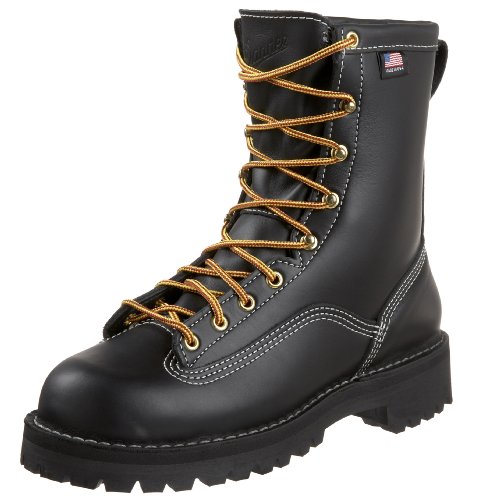
Danner's famous stitch down construction

Durability on the Job: Insulated, waterproof, and flame-resistant, our outerwear jacket is built to keep up in cold, wet environments. Durable and made to move with you, it also has plenty of pockets that let you keep jobsite essentials close
The Importance of Maintenance and Inspection for EH Footwear
Choosing the right Electrical Hazard (EH) footwear is only part of guaranteeing worker safety in high-voltage environments; maintaining and inspecting these shoes regularly is equally important. Why must you focus on maintenance and inspection? Because the soles of EH footwear can degrade, reducing protection against electrical hazards. How should you perform inspection? Conduct visual checks for wear, damage, and contamination, especially metal particles, that compromise safety. What is recommended for equipment upkeep? Replace dielectric shoes at least once annually and store them properly to prolong their protective features. Finally, understand that OSHA emphasizes routine assessment of EH footwear to prevent electrical accidents. Following these steps guarantees your safety equipment remains reliable and effective in high-voltage work areas. Additionally, choosing boots with durable and slip-resistant outsoles can enhance safety and comfort during demanding work conditions.
Frequently Asked Questions
What Footwear for Working on High Voltage Should Be Rated?
Footwear for high-voltage work must be rated to safety standards ensuring electrical classification, featuring insulation, rubber soles, slip resistance, reinforced toe, and shock absorption. These components collectively provide critical protection against electrical hazards.
Why Do My Shoes Say Electrical Hazard?
The shoes say Electrical Hazard due to their insulation properties and shock resistance, meeting industry standards and safety certifications like ASTM F2413. Their voltage ratings guarantee electrical safety through specialized non-conductive shoe materials designed for high-voltage environments.
What Type of Shoes Should You Wear When Working With Electricity?
Safety footwear options for electrical work include EH-rated boots featuring insulating materials and dielectric properties, designed with slip resistance, comfort and fit, ensuring compliance standards are met while considering specific work environment considerations to protect against electrical hazards effectively.
What Role Do Non-Conductive Shoes Play in Protecting You From Electric Hazards?
Non-conductive shoes, ironically unassuming, serve as vital foot protection by using non conductive materials to provide electrical insulation. They prevent static discharge, adhere to safety standards, and guarantee worker safety through effective hazard prevention in high-voltage environments.


