As an Amazon Associate, we earn from qualifying purchases. Some links on this site are affiliate links at no extra cost to you. Our recommendations are based on thorough research and editorial judgment.


Footwear Requirements for Electricians and Utility Workers

Electricians and utility workers must wear EH-rated boots that meet ASTM F2413 standards for electrical hazard protection, impact, and compression resistance. These boots use non-conductive materials to insulate against up to 18,000 volts and feature slip-resistant soles for stable footing. Regular inspection for damage is vital to guarantee safety, as cracked or worn areas reduce protection. Choosing proper ASTM-certified footwear with comfort features helps prevent injuries. Further guidance covers selecting, maintaining, and comparing these essential safety boots.
Key Takeaways
- Electricians and utility workers must wear EH-rated boots that provide insulation against electrical hazards up to 18,000 volts.
- Footwear must comply with ASTM F2413 standards for electrical hazard, impact, and compression resistance.
- Boots should have slip-resistant outsoles to prevent falls in hazardous and slippery work environments.
- Regular inspection for damage is essential to maintain the protective capabilities of electrical hazard footwear.
- Comfort, proper fit, and features like waterproofing and anti-fatigue technology enhance safety during long work shifts.
Importance of Proper Footwear for Electrical Safety
Proper footwear is a critical element in maintaining electrical safety for electricians and utility workers. What makes EH-rated boots essential for electrical hazard protection? These work boots are designed with non-conductive materials that form a barrier against electrical currents, helping to reduce the risk of shocks or electrocution. How can you trust the quality of safety footwear? The ASTM F2413 standards certify boots for impact and compression resistance, as well as electrical hazard resistance. What benefits do these boots provide? Wearing properly rated EH-rated boots offers peace of mind by minimizing injuries connected to live circuits. Why avoid inadequately rated footwear? Using unsuitable boots increases the chance of severe injury or death in electrical work, emphasizing the importance of choosing boots specifically designed to meet safety needs. Additionally, slip-resistant outsoles help prevent falls in wet or hazardous conditions, further enhancing overall safety on the job.
Understanding EH-Rated Boot Standards

After recognizing the importance of footwear in electrical safety, it is important to understand the standards that define EH-rated boots and their protective features. What makes EH-rated boots essential for electricians and utility workers? These boots are designed to withstand up to 18,000 volts at 60 hertz for one minute, offering protection against electrical hazards mainly in dry conditions. How are these boots constructed to guarantee safety? They include non-conductive materials that provide isolation from ground, reducing the risk of electrocution. What certification confirms their effectiveness? EH-rated boots comply with ASTM F2413 certification, which sets the safety performance requirements. Why is regular inspection and maintenance critical? Because worn soles or wet conditions reduce protection against electrical hazards, ongoing care guarantees EH-rated boots remain effective on the job. Additionally, slip-resistant soles are often incorporated to enhance stability and prevent falls in hazardous environments.
Key Features of EH-Rated Boots for Electricians

EH-rated boots incorporate a range of specialized features designed to protect electricians from electrical hazards while on the job. What makes EH-rated protective footwear essential?
- They are made with non-conductive materials that provide insulation against electrical currents.
- Their shock-resistant soles and heels help isolate wearers from the ground, minimizing risk during accidental contact with live circuits.
- Safety boots meeting ASTM standards, such as certification F2413, guarantee they withstand up to 18,000 volts for one minute under dry conditions.
- These boots also meet minimum requirements for impact and compression resistance, combining electrical hazard protection with general foot safety.
- Maintenance is critical: regular checks guarantee no wear or damage reduces their protective capabilities.
Regular replacement every 6 to 12 months is recommended to maintain optimal electrical insulation and overall safety.
This combination of features makes EH-rated boots a reliable choice for electricians facing electrical hazards daily.
Recommended Products

10" tall leather uppers made from 2.8 mm full grain leather feature double and triple stitching throughout for added durability

STEEL TOE boots protect your feet on the job with a steel shank for support and stability

Built for Performance: Danner's USA-made work boots combine full-grain leather with hand-crafted stitchdown construction for enduring strength. These boots reflect their heritage since 1932, making them suitable as men's work boots
Comparing Eh-Rated Boots With Other Safety Footwear

Safety boots designed for electricians must offer protection beyond general impact and compression resistance. What sets EH-rated boots apart in safety footwear is their ability to withstand electrical hazards, preventing electrical shock by insulating against up to 18,000 volts under dry conditions. Unlike steel toe boots, which provide strong impact protection but conduct electricity, EH-rated boots use non-conductive materials to protect the wearer. Composite toe caps are lighter and non-metal, yet they lack the electrical insulation that EH-rated boots provide. While all safety footwear should meet ASTM F2413 standards, only boots with the EH rating guarantee protection from electrical hazards. For workplace safety, choosing EH-rated boots guarantees both physical injury prevention and defense against electrical shock, making them essential for electricians and utility workers exposed to live circuits. Additionally, boots incorporating ContourWelt technology enhance comfort and flexibility, which are critical for professionals working long shifts in demanding environments.
Recommended Products

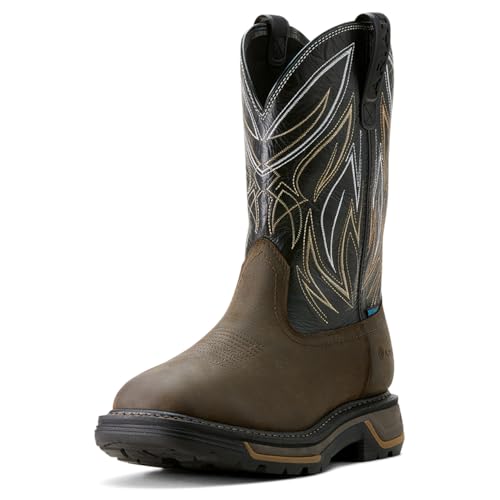
Non-metallic composite safety toe, ASTM F2413 M/I/C rated

FIRE-RESISTANT UPPER: these men's firefighter boots feature a durable leather upper treated for fire resistance
Soft, non-safety toe
Selecting the Right EH-Rated Boots for Utility Work

When choosing footwear for utility work, it’s important to guarantee boots meet ASTM F2413 standards, which certify resistance to electrical hazards up to 18,000 volts at 60 hertz for one minute without leakage. How should you select the right EH-rated boots? Consider these factors:
- Make sure boots are made from non-conductive materials to prevent electrical currents from passing through the body.
- Look for electric shock-resistant soles and heels that provide additional protection against voltage exposure.
- Confirm that the boots offer reliable safety in environments where electrical hazard risks are present but avoid relying on them for voltages above 600 volts or wet conditions.
- Choose policies designed specifically for utility workers, as they are built for the tasks and risks in that field.
Selecting appropriate EH-rated boots greatly enhances protection and safety for utility workers. Additionally, features such as Goodyear welt construction and slip-resistant outsoles improve both durability and safety during long shifts.
Recommended Products


FIRE-RESISTANT UPPER: these men's firefighter boots feature a durable leather upper treated for fire resistance

STEEL TOE boots protect your feet on the job with a steel shank for support and stability
Maintenance and Inspection of EH-Rated Footwear
Inspecting and maintaining electrical hazard-rated footwear is essential to guarantee continued protection against shock risks in utility work. How should you perform maintenance and inspection of EH-rated work boots? First, regularly check soles and heels for signs of wear, such as cracks, thinning, or holes. Why is this important? Damaged areas reduce the protective capabilities against electrical shock. What actions are needed if damage is found? Replace any boots with splitting or worn-out soles immediately to maintain safety footwear effectiveness. How can you track maintenance? Keep a log of inspection dates, findings, and replacement timelines. Following this routine secures EH-rated boots consistently provide reliable electrical hazard protection, reducing injury risks and ensuring compliance with safety standards in demanding electrical environments. Additionally, selecting footwear that meets ASTM F2413 standards ensures both impact and electrical hazard protection for electricians and utility workers.
Common Challenges in Sourcing Electrical Hazard Boots
Although electrical hazard (EH) boots must meet specific standards, finding suitable footwear can present several challenges for electricians and utility workers. What makes sourcing EH-rated boots difficult?
- Compliance with ASTM F2413 performance requirements is essential, but not all boots labeled “electrical hazard” provide the same protection level.
- Comfort matters; poor fit can cause fatigue and increase accidents risk during work.
- Seasonal demand affects availability, especially for insulated and waterproof boots in cold weather.
- Maintenance information varies by manufacturer, making it harder to guarantee EH-rated boots keep their protective qualities.
How can you address these challenges? Careful evaluation of ASTM F2413 compliance, focusing on comfort and fit, and planning for seasonal demand are key steps before purchasing electrical hazard boots. Additionally, selecting footwear with proven slip and puncture resistance can enhance safety and durability for electricians working in hazardous environments.
Recommended Products

NFPA 1951, NFPA 1971, NFPA 1977, NFPA 1990(1992), ASTM F2413 & CAN/CSA-Z195 certified

10 inch tall 2.8mm thick full grain leather uppers

NFPA 1971, NFPA 1990(1992), ASTM F2413 & CAN/CSA-Z195 certified
Benefits of ASTM F2413 Compliance in Footwear
Because safety footwear must protect against multiple hazards, compliance with ASTM F2413 is essential for electricians and utility workers. What benefits does ASTM F2413 compliance provide?
- Guarantees safety footwear meets minimum performance standards against impacts, compression, and electrical hazard exposure.
- Requires EH-rated boots with features like protective toe caps that shield toes from heavy objects and slip-resistant soles that reduce falls on various surfaces.
- Provides reliable protection from electrical currents when working near electrical equipment, minimizing shock risks.
- Confirms footwear can withstand workplace hazards common in electrical jobs, offering consistent, tested durability.
- Helps employers meet safety regulations, ensuring legal compliance and reducing liability.
Using ASTM F2413 compliant shoes guarantees durable, effective protection, enhancing both worker safety and operational standards in electrical hazard environments. Additionally, selecting footwear with slip-resistant outsoles enhances safety by preventing slips and falls on wet or oily surfaces commonly found in utility work.
Trusted Brands for Electrical Hazard Footwear
Selecting trusted brands for electrical hazard (EH) footwear is essential to confirm safety and compliance with industry standards. Which brands meet these needs? Consider the following trusted brands known for their EH-rated designs:
- Justin Boots emphasizes safety, durability, and comfort in hazardous environments.
- Timberland Pro and Wolverine produce boots compliant with ASTM F2413 standards, confirming reliable electrical protection.
- Red Wing Shoes incorporates non-conductive materials and shock-resistant components suited for electricians and utility workers.
- Caterpillar Footwear offers boots with slip-resistant outsoles and waterproof materials for added safety and comfort.
- Carhartt and Dickies provide EH-rated boots designed to meet rigorous safety standards required in high-voltage settings.
Choosing footwear from these brands confirms compliance with safety standards while offering protection through key features like slip resistance and electrical hazard protection. For long shifts, consider footwear with anti-fatigue technology designed to reduce foot stress and improve comfort.
Recommended Products

Complete CAT 4 Protection: Stay protected while navigating electrical environments with our Arc Flash Kit, featuring a large 40 Cal FR bib overall, coat, class 2 rubber voltage gloves, face shield, safety glasses, gear bag, and tools

KIT INCLUDES: 12 cal/cm² Arc Rating, HRC 2, FR coat with bib overall, Class 0 Rubber Voltage Gloves, 10" Leather Glove Protectors, Glove Bag, Hard Hat with Arc Flash Faceshield & Chin Cup, Safety Glasses, Faceshield Bag, Gear Bag. Offering convenient protection in 1 bag!
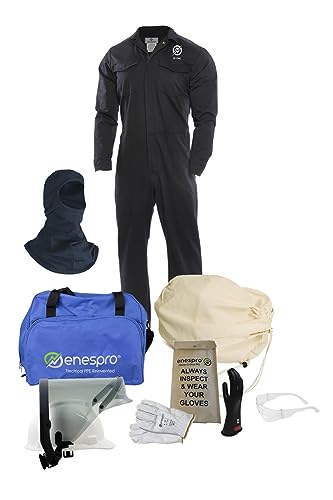
KIT INCLUDES: 12 Cal FR Coverall, FR Balaclava, Class 0 Rubber Voltage Gloves, 10" Leather Glove Protectors, Glove Bag, Hard Hat with Arc Flash Faceshield & Chin Cup, Safety Glasses, Faceshield Bag, Gear Bag. Offering convenient protection in 1 bag!
Frequently Asked Questions
What Footwear Is Approved for Electrical Work?
Approved footwear for electrical work includes safety footwear such as steel toe boots with slip resistance, arch support, insulation properties, waterproof materials, lightweight design, and comfort features, ensuring protection against electrical hazards and maintaining worker safety and efficiency.
What Are the OSHA Requirements for Footwear?
OSHA’s safety standards demand protective footwear with steel toes and slip resistance, because who wouldn’t want shoes tougher than their workday? Compliance guarantees foot health amid electrical hazards, balancing wear duration and industry guidelines with regulatory rigor.
What Are the Requirements for Electrician Boots?
Electrician boots require safety toe protection, slip resistance, waterproof materials, and proper insulation ratings. Comfort levels, style preferences, and color options influence choices, while brand recommendations and budget considerations guide selection for ideal protection and usability.
Do Electricians Need to Wear Shoes?
Electricians must wear safety footwear that meets industry regulations, providing fall protection, insulation materials, slip resistance, comfort factors, durability standards, moisture protection, and support features to guarantee maximum safety and functionality during electrical work.