As an Amazon Associate, we earn from qualifying purchases. Some links on this site are affiliate links at no extra cost to you. Our recommendations are based on thorough research and editorial judgment.


Signs That Your Insoles Need Replacing in Work or Tactical Boots

Signs that your insoles need replacing in work or tactical boots include visible wear like cracks or flattening, which reduce cushioning and support. Persistent foot pain in heels or arches signals structural breakdown. Unpleasant odors may indicate bacterial buildup, compromising hygiene. Changes in posture or gait suggest improper alignment and stability issues. Regularly inspecting your insoles prevents discomfort and injury, maintaining foot health and performance. Continue to explore key indicators and practical tips for timely replacement.
Key Takeaways
- Visible cracks, holes, or flattened areas in insoles indicate material breakdown and reduced support, signaling replacement is needed.
- Persistent foot pain or discomfort in heels, arches, or balls of feet suggests insoles no longer provide adequate cushioning or support.
- Loss of cushioning or shock absorption causes increased pressure and discomfort, reducing foot and joint protection during activity.
- Unpleasant odors from bacteria buildup indicate hygiene issues and the need to replace insoles to prevent infection and odor.
- Changes in posture, gait, or balance caused by worn insoles increase injury risk and reduce performance in demanding tasks.
Visible Wear and Tear on Your Insoles
When examining your insoles, visible wear and tear such as cracks, holes, or flattening are clear signals that replacement may be necessary. Why check for these signs? Because worn insoles no longer provide the essential support and cushioning, which can lead to increased foot discomfort during long hours in work or tactical boots. How can you spot when it’s time to replace your insoles? Look for:
- Cracks or holes indicating material breakdown
- Flattened areas that reduce shock absorption
- Visible degradation in high-quality materials
Taking the time to replace insoles promptly guarantees your footwear maintains proper support. This prevents worsening discomfort and helps sustain foot health and overall performance on the job. Regular inspection is crucial to avoid neglecting foot care needs early. Additionally, switching to work orthotic insoles can provide enhanced cushioning and arch support to reduce fatigue and prevent foot conditions.
Persistent Foot Pain and Discomfort
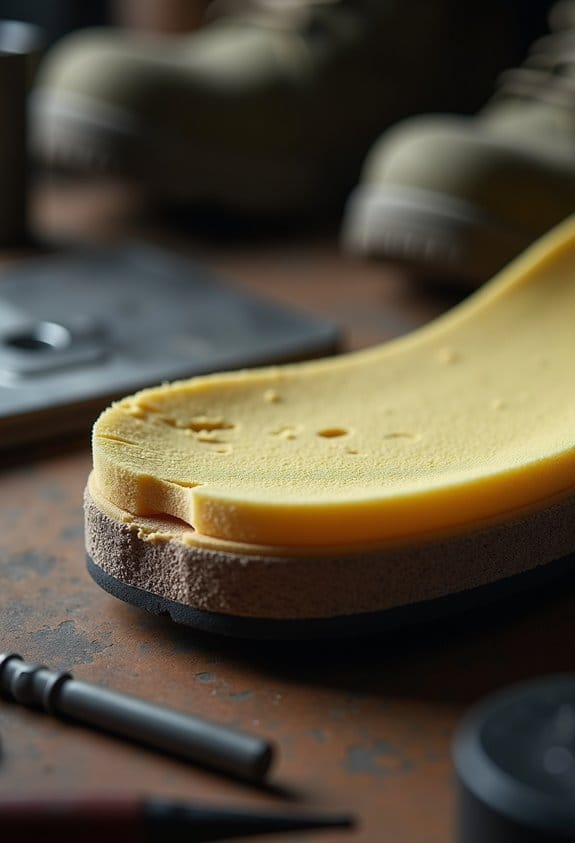
Although foot pain is a common complaint among those who spend extensive time in work or tactical boots, persistent discomfort often signals that the insoles have lost their effectiveness. Why does persistent foot pain matter?
- It indicates insoles no longer provide proper support and adequate shock absorption.
- Pain in heels, arches, or balls of the feet often results from worn-out insoles unable to cushion stress effectively.
- Continued discomfort during tasks suggests the insoles’ structure may be compromised.
- Inadequate support can worsen existing foot conditions or cause new issues, reducing comfort and productivity.
What should you do?
- Consider replacing insoles with models designed to restore cushioning and support.
- Upgrading insoles can alleviate persistent foot pain and improve mobility in demanding environments.
- Selecting insoles with memory foam cushioning can greatly enhance comfort during extended wear.
Recommended Products

Robust Work Boots: Carolina Linesman Composite Toe Work Boots combine lightweight safety and superior protection for demanding environments. Perfect for various tasks, these boots suit tradespeople, construction workers, and motorcycle enthusiasts alike

【Professional Chainsaw Protection】 – Chainsaw Safety Boots upper made of full grain buffalo cow leather with Instep /leg,vamp/quarter,Logging Boot tongue integrates 5-layer Kevlar lining, certified to EN ISO 20345:2011 & EN 17249 Class 1 (20 m/s) standard. This specialized barrier is designed to resist accidental chainsaw contact at the critical lower leg area

<p>The highly comfortable lightweight street-styled J-6 shoe features ergonomic MX-derived ankle protection to protect key areas and is made from full-grain leather and suede. It integrates a 100% waterproof membrane for exceptional weather protection levels. <br><br></p>
Loss of Cushioning and Support
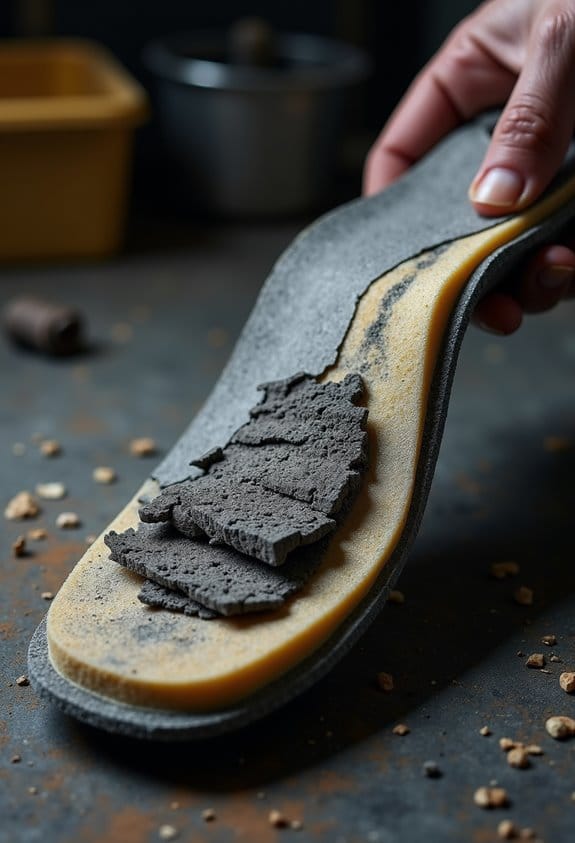
Loss of cushioning and support in insoles directly impacts foot comfort and overall stability during extended wear. What does loss of cushioning mean for your feet? When insoles lose their padding, you may feel the ground more, causing discomfort. How can this lead to foot pain? Reduced shock absorption increases pressure on your feet and joints, especially in areas like the heels and arches. Which signs indicate it’s time to replace your insoles? Persistent foot pain during or after wearing your boots suggests diminished support. How can proper insoles prevent foot problems? High-quality insoles with consistent cushioning help absorb impact, reducing strain over long hours. To summarize, monitoring cushioning loss is essential to prevent foot pain and maintain foot health in demanding work or tactical environments. Additionally, ensuring your boots have proper arch support can further reduce discomfort and fatigue during long shifts.
Recommended Products
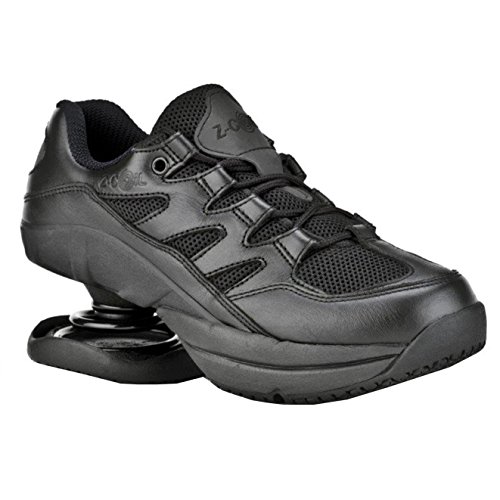
RELIEVE FOOT, LEG, AND BACK PAIN: Advanced spring heel, built-in orthotic, and rocker forefoot cut impact by 50%, reducing pain & improving posture by absorbing shock & distributing pressure evenly.

Custom-Fit Running Orthotics – Tailored from your foot impressions, these insoles provide personalized support for flat feet, high arches, and foot pain.

Odor-controlling, long-lasting comfort
Unpleasant Odors and Hygiene Concerns
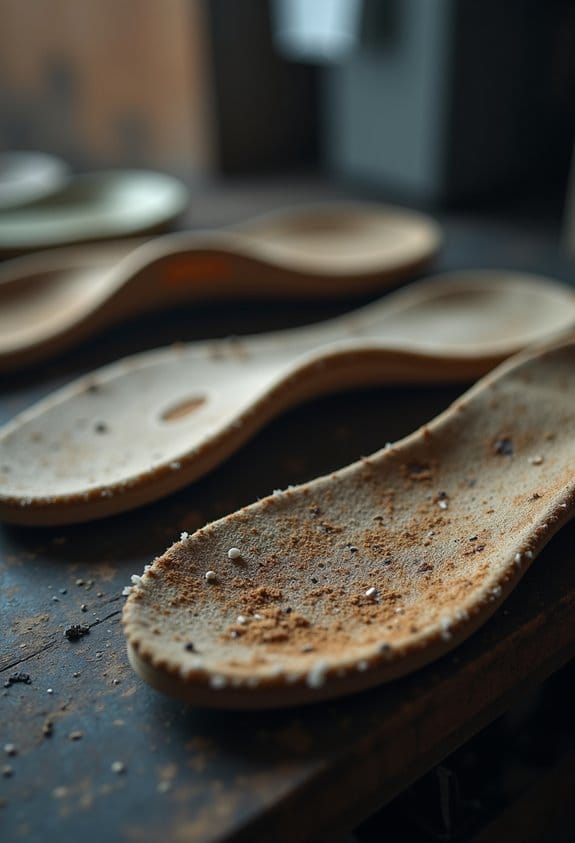
Unpleasant odors from insoles are a common sign that bacteria and sweat have accumulated, which may compromise foot hygiene and increase the risk of infections. Why do these odors develop? Sweat penetrates the insole material, creating a breeding ground for bacteria that produce strong, unpleasant odors. How can hygiene issues be addressed?
- Replace insoles regularly to prevent bacterial buildup and odor persistence.
- Choose insoles with antimicrobial properties designed to combat unpleasant odors.
- Upgrading to high-quality insoles helps maintain freshness even during intensive activities.
- Proper foot hygiene also involves keeping boots dry and airing insoles when possible.
Additionally, selecting insoles with breathable linings can help reduce moisture buildup and limit bacterial growth.
When you notice persistent smells, it is time to replace your insoles to support foot health and avoid further hygiene problems.
Recommended Products


GEL technology for optimal cushioning and impact reduction while running.

GEL technology for excellent cushioning
Changes in Posture, Gait, and Performance
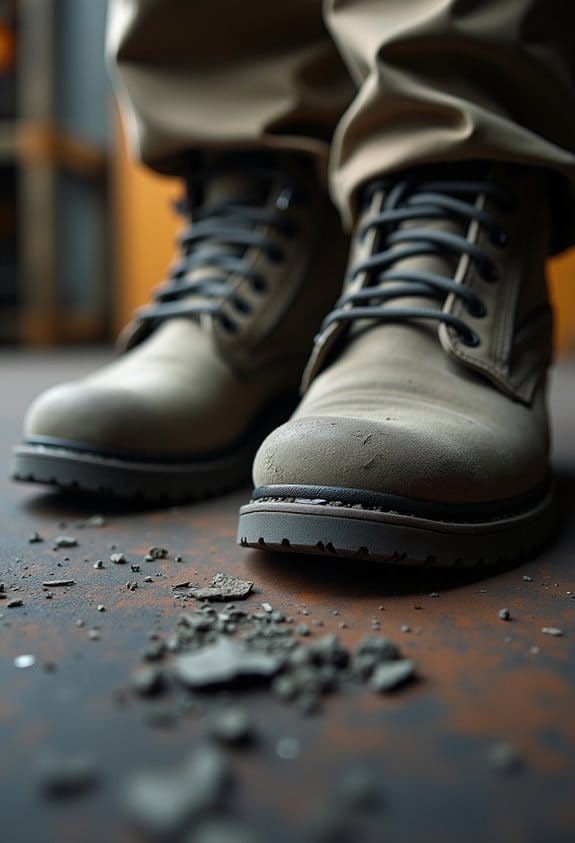
Footwear insoles play a critical role in supporting posture, gait, and overall performance, especially during physically demanding tasks or long hours on your feet. How do changes in posture, gait, and performance indicate worn insoles?
- Worn insoles fail to maintain proper foot alignment, causing altered gait and increasing injury risk.
- Inadequate arch support leads to changes in posture, resulting in knee pain and lower back discomfort, which can reduce mobility.
- Reduced stability from degraded insoles lowers balance and agility, directly affecting work or tactical performance.
- Maintaining proper insoles promotes a natural gait, essential for standing or walking long periods.
Regularly check your insoles for wear signs and replace them to prevent discomfort linked to changes in posture, gait, and lower back strain, ensuring peak performance. Additionally, insoles with PU cushioning and GEL inserts provide enhanced shock absorption that helps maintain proper foot support and reduces fatigue during prolonged use.
Recommended Products

10″ of 7-ounce black oil tanned leather

Durable, waterproof, polishable full-grain leather upper
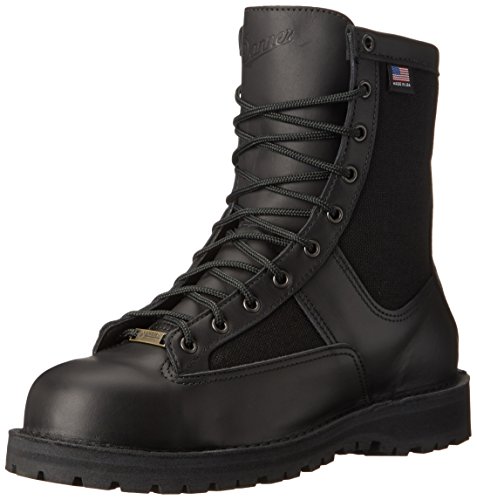
NON-METALLIC TOE for ultimate safety with a durable, waterproof, polishable full-grain leather upper and lightweight 1000 denier nylon
Frequently Asked Questions
How Often Should You Replace the Insoles in Your Work Boots?
Like worn tires on a truck, insoles in work boots should be replaced every 6 to 12 months. Best insole materials aid durability, but common insole problems require attention; following insole maintenance tips extends lifespan effectively.
How to Tell When Insoles Are Worn Out?
Insole material degradation is evident through cracks or flattening, while comfort level assessment reveals reduced cushioning and increased foot fatigue. Foot odor indicators also signal bacteria buildup, all pointing to insoles that are worn out and require replacement.
How to Tell if Work Boots Are Worn Out?
Comfort evaluation, pain indicators, and material deterioration are key signs of worn-out work boots. Reduced cushioning, persistent discomfort, visible sole damage, and compromised support suggest that the boots no longer provide adequate protection or stability.
When to Throw Out Work Boots?
Work boots should be discarded when their boot lifespan ends, typically 6-12 months with regular use. Key indicators include compromised sole durability and noticeable comfort decline, signaling reduced protection and support, making continued use unsafe and impractical.