As an Amazon Associate, we earn from qualifying purchases. Some links on this site are affiliate links at no extra cost to you. Our recommendations are based on thorough research and editorial judgment.

Shoe Design Elements That Reduce Fatigue for Workers on Hard Floors

Shoe design elements that reduce fatigue for workers on hard floors include strong arch support to evenly distribute weight and cushioning materials like EVA foam to absorb shock and lessen joint stress. Features such as deep heel cups and dynamic insoles help minimize tibial shock and improve alignment. Breathable fabrics enhance airflow, keeping feet dry and comfortable. Slip-resistant outsoles add safety on slippery surfaces. Incorporating these features supports foot health and productivity during long shifts. Further details explain how these elements work together effectively.
Key Takeaways
- Incorporate shock-absorbing midsoles like high-rebound EVA foam to reduce impact forces on joints and lower fatigue.
- Use dynamic insoles with strong arch support to ensure even weight distribution and reduce strain on feet, knees, and hips.
- Design shoes with deep heel cups and targeted cushioning zones to improve pressure distribution and protect feet during prolonged standing.
- Utilize breathable, moisture-wicking materials and ventilated panels to keep feet cool, dry, and comfortable, minimizing sweat and blister risk.
- Include slip-resistant outsoles and lightweight construction to enhance safety and reduce foot strain, boosting worker focus and productivity.
The Impact of Hard Floors on Worker Fatigue
Many workers on hard floors experience significant fatigue due to the constant transmission of high-impact forces through their bodies. How do hard floors affect worker fatigue? Prolonged standing or walking on surfaces like concrete delivers little natural shock absorption, increasing pressure on the heel and forefoot. This leads to discomfort and symptoms in the lower extremities, including the feet and knees. What foot health issues arise? Excessive tibial shock and poor foot support can cause musculoskeletal disorders, leg vein pressure, and reduced comfort. Why are safety features important in shoe design? Shoes with adequate shock absorption and cushioning help decrease fatigue by protecting lower extremities. Addressing these elements can improve comfort and productivity by reducing the physical strain caused by hard floors during long shifts. Choosing footwear with slip-resistant outsoles and cushioning technologies like Air-Cooled Memory Foam also supports fatigue reduction and workplace safety.
Importance of Arch Support in Work Shoe Design

Although hard floors provide little natural cushioning, incorporating proper arch support in work shoe design plays a significant role in reducing foot stress for workers who stand or walk for long periods. Why is arch support vital? It guarantees even weight distribution across your feet, which helps reduce pain and fatigue associated with long hours on hard floors. How does it work? Work shoes with dynamic insoles adapt to your movements, providing necessary arch support that lessens tibial shock. What benefits can you expect? Proper arch support improves comfort, promotes better alignment, and reduces strain on knees, hips, and lower back. Additionally, it supports foot health by preventing common problems like flat feet and plantar fasciitis. Selecting shoes with biomechanical arch features can effectively reduce fatigue and enhance your overall comfort. Many food processing boots include removable, washable insoles designed to offer targeted arch and heel support for all-day wear.
Recommended Products


sku=36768103-6

Fleece lined with 200g Thiosulfate insulation
Role of Cushioning in Reducing Foot and Joint Stress
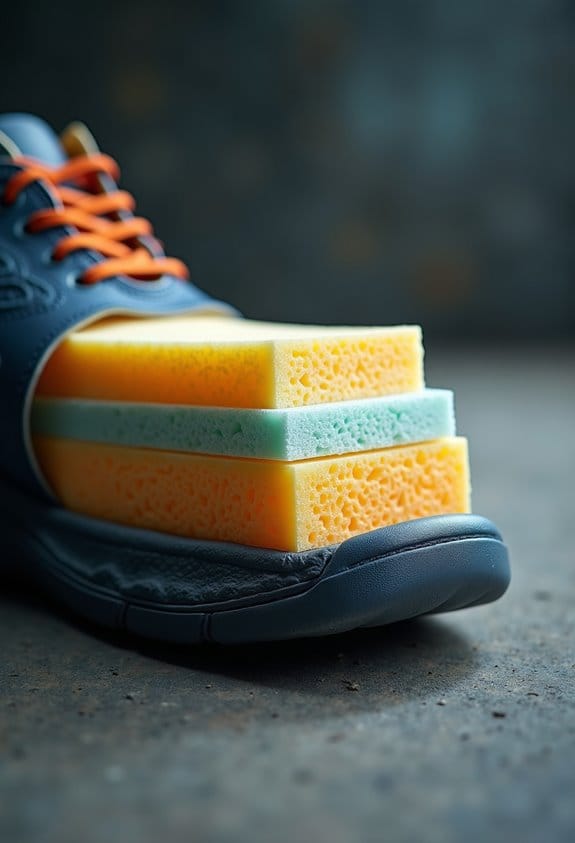
Proper arch support lays a foundation for comfort, but cushioning plays a vital role in further protecting the feet and joints from repetitive impact on hard floors. What is cushioning’s main benefit? It reduces foot fatigue by absorbing shock during prolonged standing on hard surfaces, reducing discomfort in areas prone to plantar fasciitis and joint pain. How is cushioning optimized in work shoes? By using quality materials such as EVA foam and incorporating targeted cushioning zones especially in the heel and forefoot. These features distribute pressure evenly, enhancing comfort and durability throughout extended work hours. Why is cushioning important? It minimizes stress on the lower back and knees, helping workers stay mobile and productive during long shifts while reducing the risk of fatigue-related injuries. Additionally, molded footbeds with cushioning not only encourage proper foot alignment but also provide shock absorption that eases pressure on hard floors.
Recommended Products

High quality durable leather upper.

Thickest and softest EVA foam mat tiles available on the market. Exclusively produced by Meister

[Upgraded Dual-Layer Design]: Concerned about your equipment scratching the floor during workouts? Our 2 in 1 Rubber Top EVA Foam Exercise Gym Mats are crafted to solve this issue. The textured rubber top layer, combined with a high-density EVA foam bottom layer, seamlessly creates a non-slip tough surface with excellent shock absorption.
Shock Absorption Technologies for Hard Floor Environments

When workers spend long hours on hard floors, selecting shoes with effective shock absorption technologies can make a significant difference in comfort and health. What shock absorption features help reduce fatigue on hard floors? Key shock-absorbing technologies include:
- High-rebound EVA midsoles that lessen impact forces transferred to joints.
- Deep heel cups that cradle the heel, improve pressure distribution, and limit excessive motion.
- Targeted cushioning zones in the heel and forefoot to reduce stress during prolonged standing.
- Dynamic insoles that adapt to pressure changes, lowering tibial shock.
How do these features affect worker productivity? By reducing muscle fatigue and joint pain, quality cushioning improves movement efficiency, enabling workers to maintain focus and performance. Incorporating these elements into shoe design supports comfort and health in demanding hard floor environments. Additionally, moisture control features are essential in maintaining foot comfort and preventing odors during long hours of wear.
Recommended Products

[INCREASED STABILITY] Provides More Stability and Control While Operating the Ronin

Advanced microfiber and TPU construction ensures superior durability and abrasion resistance.
Advanced microfiber and TPU construction ensures superior durability and abrasion resistance.
Breathable Materials to Enhance Foot Comfort

Since workers often endure long hours on hard floors, breathable materials in shoes play an essential role in maintaining foot comfort and health. What benefits do breathable materials provide?
- Breathable materials like mesh and moisture-wicking fabrics improve airflow, helping to keep feet cool and dry.
- Ventilated panels in uppers enhance comfort by reducing moisture build-up that can cause blisters and odor.
- Improved ventilation and moisture control help maintain foot health during prolonged standing or walking.
How do these features reduce fatigue and improve productivity?
- By promoting airflow and minimizing sweat, breathable shoes reduce discomfort and overheating.
- This comfort allows workers to focus better, reducing physical fatigue over long shifts.
- Selecting footwear with breathable materials can thus enhance overall comfort and support sustained work performance.
Proper Fit and Its Effect on Foot Health
Although footwear comfort depends on many factors, fit plays an essential role in protecting foot health, especially for workers on hard floors. Why is proper fit important? It prevents injuries like blisters, corns, and ankle strains caused by tight or loose shoes. How does it help standing on hard surfaces? A well-fitting shoe allows natural toe movement, which maintains balance and reduces fatigue. What if your fit is poor? You could experience discomfort, worsening plantar fasciitis, and uneven weight distribution. What should you consider when choosing shoe size? Follow shoe size recommendations by measuring your feet in the evening when swelling peaks. How does arch support relate? Adequate arch support guarantees even weight distribution and less stress on feet during prolonged standing, promoting overall foot health. Additionally, .genuine leather materials contribute to a secure fit that enhances comfort and durability throughout long work shifts.
Comparing Static and Dynamic Support Insoles
Understanding the differences between static and dynamic support insoles is essential for choosing the right footwear solution to protect your feet on hard floors. What are static insoles? They offer firm, consistent support and are best for those with severe alignment issues. However, their fixed nature may limit adaptability during movement. How do dynamic insoles compare? Dynamic insoles adjust to changing pressure and movement, providing cushioning that promotes proper alignment. Their ergonomic design helps reduce strain on knees, hips, and the lower back, enhancing comfort and fatigue reduction. Which is better for use on hard surfaces? Insoles combining static and dynamic features deliver structured yet adaptive support, improving comfort in high-impact areas while maintaining foot function throughout long work hours on hard floors. Additionally, selecting boots with cushioned footbeds can significantly enhance overall comfort and reduce fatigue during extended periods of standing.
Recommended Products
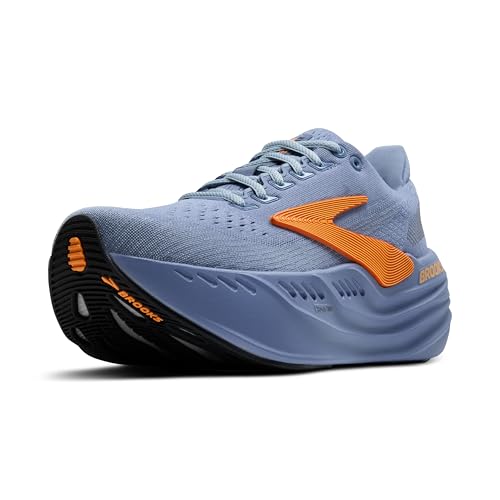
MEN’S RUNNING SHOE: The Glycerin Max provides maximum soft cushion technology to ensure every cushioned step, stride or sprint feels effortless. A high stack of all-new, nitrogen-infused DNA Tuned Cushion in the midsole combined with our innovative GlideRoll Rocker delivers maximum comfort, responsiveness, and easy heel-to-toe transitions.

BUILT FOR CHAMPIONS The Venum Elite Boxing Shoes were designed to polish the performance of professional boxers. Developed alongside professional fighters, they are suitable for all levels.
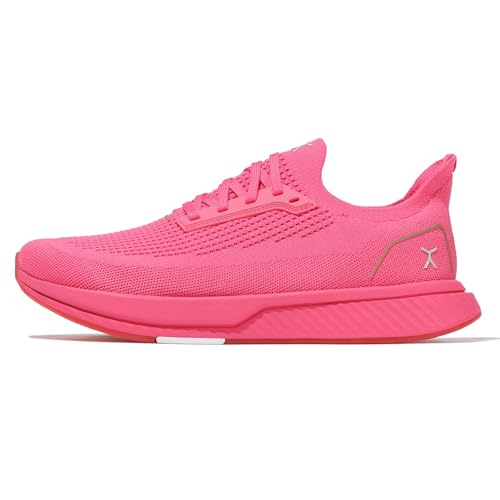
NATURAL STABILITY WITH ZERO DROP – Keep your heel and forefoot level for optimal posture, balance, and joint alignment. Ideal for deadlifts, cleans, lunges, and bodyweight training where form and force transfer are critical.
Targeted Solutions for Common Foot Conditions
When selecting footwear for common foot conditions, which features should you prioritize to guarantee adequate support and comfort? Focus on strong arch support and cushioned insoles tailored to specific needs. For plantar fasciitis, shoes with cushioned heel areas and customized insoles reduce pressure and ease pain. Flat feet require moderate arch support combined with full-length cushioning to provide effective shock absorption and stability. Workers standing on hard surfaces benefit from firm, supportive insoles that offer injury prevention through consistent comfort and reduced strain. Customization in insoles is essential to address varying foot shapes and conditions, enhancing overall performance. By targeting these features—strong or moderate arch support, cushioned insoles, and effective shock absorption—shoes can greatly improve comfort while minimizing fatigue for individuals with common foot problems. Additionally, choosing boots with rubber soles enhances grip and reduces the risk of slips, contributing further to worker safety and comfort.
Benefits of Combining Arch Support With Cushioning
Building on the importance of selecting footwear with proper arch support and cushioning for various foot conditions, combining these two features offers added benefits for workers on hard floors. How does this combination help reduce fatigue?
- Arch support promotes proper alignment of the foot and body, which lessens strain on the knees, hips, and lower back.
- Cushioning absorbs impact forces from walking or standing, decreasing tibial shock.
- Together, they enhance weight distribution, reducing pressure on the heel and forefoot, which helps prevent foot pain.
- Shoes with both features increase comfort during long shifts, allowing workers to maintain activity longer with less fatigue.
- This combination contributes to lower injury rates by improving movement efficiency.
- Additionally, footwear with removable insoles allows for customized orthotic inserts that further optimize support and comfort for individual needs.
How Footwear Can Improve Overall Worker Productivity
Although workers must often stand or walk on hard floors for extended periods, footwear designed with proper arch support, cushioning, and shock absorption plays an essential role in improving overall productivity. How can footwear improve productivity?
- Comfort: Well-designed shoes reduce fatigue, allowing workers to focus better.
- Arch support: Maintains good posture, lowering strain on knees, hips, and back.
- Cushioning and shock absorption: Minimizes impact forces from hard floors, preventing foot pain.
- Injury rates: Lower risk of foot-related injuries decreases absenteeism.
- Worker morale: Comfortable footwear boosts confidence and motivation.
- Additionally, features like moisture-wicking insoles help maintain dryness and enhance long-term comfort during extended wear.
Key Features to Look for in Comfortable Work Shoes
Since comfortable work shoes directly affect both foot health and worker safety, it is important to know which features offer the most benefit. What key features should you look for in comfortable work shoes?
- Arch support: Provides even weight distribution and reduces stress on feet, preventing foot pain and fatigue.
- Cushioning and shock absorption: Acts as a buffer against hard floor impacts, decreasing joint pain during long shifts.
- Breathable materials: Keeps feet dry, reducing moisture buildup and foot odor.
- Proper fit: Guarantees comfort by minimizing foot movement, preventing blisters and other injuries.
- Slip-resistant outsoles: Enhance traction, improving safety on wet or slippery floors.
- Lightweight design and quality insoles: Contribute to comfort by reducing foot strain and fatigue over time.
Selecting shoes with these features helps maintain comfort and protects workers on hard floors. Additionally, choosing shoes with slip resistance certifications ensures compliance with safety standards and enhanced protection in healthcare environments.
Recommended Products

Made for adventure, exploration, and hard work

Lighter weight with cool comfort in warmer temperatures, our unlined leather boots will mold perfectly to your foot.

The SAS Premier Work Non-Slip Pull-On Comfort Boots offer the style of a Chelsea boot, with the comfort and agility of an athletic shoe, all while offering the functionality of water resistance and ASTM F2913-24/ASTM F3445 24-SRO certified slip resis
Frequently Asked Questions
Which Type of Shoes Are Recommended to Reduce the Fatigue From Standing All Day?
Shoes with comfort features such as arch support, cushioning technology, slip resistance, and breathable fabrics are recommended. Lightweight materials, ergonomic design, moisture wicking, heel elevation, and a flexibility range further reduce fatigue from standing all day.
What Shoes Are Good for Working on Concrete Floors?
Ironically, shoes designed for comfort on concrete floors aren’t fancy slippers but feature supportive soles, cushioned insoles, arch support, slip resistance, breathable materials, shock absorption, lightweight design, flexibility, comfort fit, and moisture-wicking to truly protect workers.
What Are the Best Shoe Inserts for Standing on Concrete Floor All Day?
The best shoe inserts for standing on concrete all day combine comfort cushioning, arch support, and gel inserts with anti-fatigue technology. Orthotic options and custom insoles featuring shock absorption, breathable materials, moisture-wicking fabric, and ergonomic design enhance durability and comfort.
What Kind of Footwear Can Help You Avoid Injury in the Workplace?
Footwear acts as a fortress against injury through ergonomic design, comfort technology, and cushioning systems. Arch support, slip resistance, lightweight materials, adaptability features, moisture-wicking fabrics, ideal heel height, and spacious toe box design collectively guarantee safety and well-being.