As an Amazon Associate, we earn from qualifying purchases. Some links on this site are affiliate links at no extra cost to you. Our recommendations are based on thorough research and editorial judgment.

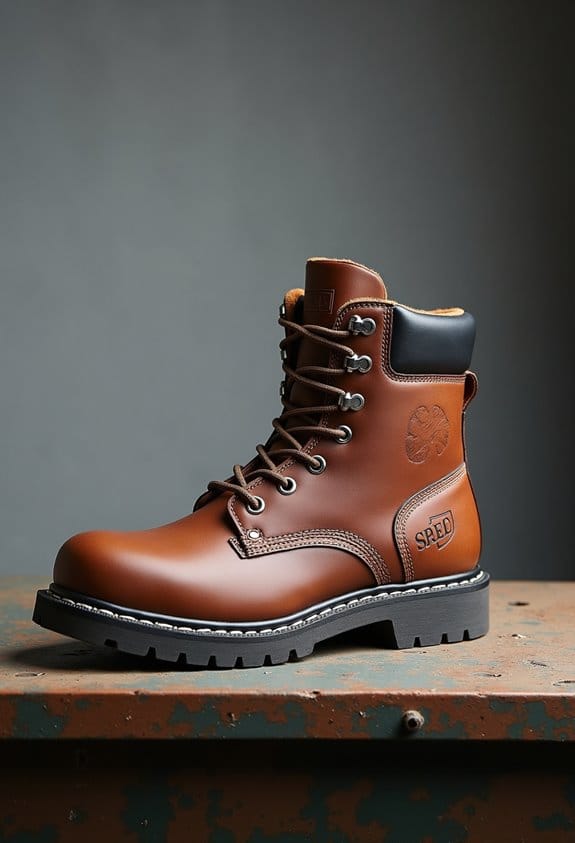
Questions Workers Should Ask Before Choosing New Safety Footwear

Before choosing new safety footwear, workers should ask: What hazards exist, such as slips, heavy impacts, or electrical risks? What protective features are essential, like steel toe caps or slip-resistant soles? How will the boots perform in wet, cold, or hot weather conditions? What fit and comfort elements matter, including room for toes and arch support? Are the boots certified to meet ASTM or similar safety standards? Understanding these guarantees the right footwear choice for safety and compliance, with more details to follow.
Key Takeaways
- Does the footwear provide the necessary safety features like steel toe caps and slip-resistant soles for my specific job hazards?
- Is the footwear certified to meet ASTM F2413-18 or relevant safety standards required by my workplace?
- Will the boots offer adequate comfort and fit, including toe room, arch support, and cushioning for long hours?
- Are the boots suitable for the weather conditions I work in, such as waterproofing, insulation, or breathability?
- Do the soles provide sufficient traction and puncture resistance for the surfaces and risks on my job site?
What Are the Primary Hazards on My Job Site?
When evaluating safety footwear needs, it is important to first identify the primary hazards present on your job site. Recognizing these hazards helps guarantee proper foot protection. Common hazards include:
- Slips, trips, and falls, which make up about 30% of workplace injuries and require slip-resistant footwear.
- Risk from heavy materials that could fall or roll, demanding toe caps made of steel or composite for impact resistance.
- Exposure to sharp objects on the ground, necessitating puncture-resistant soles.
- Wet or oily conditions that call for soles designed to prevent slipping.
- Electrical hazards, which require footwear with electrical hazard protection.
- Additionally, ensuring that boots meet ASTM electrical hazard standards is crucial for proper shock protection on job sites with electrical risks.
Which Protective Features Are Essential for My Safety?

Which protective features are essential for your safety depends largely on the specific hazards present in your workplace. To enhance workplace safety, first identify risks such as falling objects, slippery floors, or electrical hazards. Essential features include:
- Safety toe caps (steel, composite, or aluminum) chosen for weight and protection.
- Slip-resistant soles with a high GRIP rating to prevent falls, which cause about 30% of injuries.
- Protective footwear meeting ASTM F2413-18 standards for impact and compression to guarantee reliability.
- Insolation and waterproofing if working in cold or wet conditions to keep comfort and prevent injury.
Selecting protective footwear aligned with these criteria considerably reduces injury risk, ensuring adequate protection tailored to your unique work environment. Additionally, features like reinforced metatarsal guards can provide superior heat and slag resistance for workers exposed to welding hazards.
How Does the Footwear Perform in Different Weather Conditions?
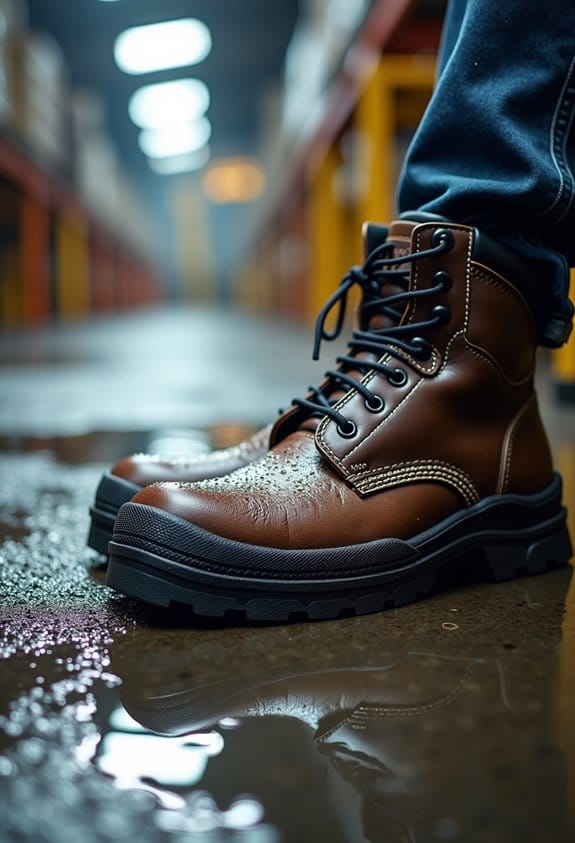
How effectively safety footwear performs in different weather conditions depends on its specific design features and materials. When evaluating footwear, consider the following:
- Is the footwear waterproof or water-resistant? This prevents moisture from entering during rainy or wet environments.
- Does it offer insulation for cold weather? Insulated boots help maintain warmth and reduce frostbite risk.
- Are the materials breathable? Breathability is essential for hot weather to keep feet dry and reduce heat-related discomfort.
- What is the slip resistance rating? Footwear with specialized treads offers better grip on wet or icy surfaces.
- What sole material is used? Rubber soles typically provide superior traction in snowy and icy weather, enhancing slip resistance.
- Additionally, assessing the waterproof membrane technology can ensure your boots maintain dryness effectively in challenging conditions.
What Comfort and Fit Considerations Should I Keep in Mind?

Since comfort and fit greatly influence safety footwear performance, careful attention must be paid to these factors before purchase. When choosing safety boots, consider the following to guarantee proper fit and comfort:
- Assess fit at the end of the workday when feet may be swollen, helping prevent discomfort during long shifts.
- Confirm about 12.5 mm of toe room to avoid blisters and toenail damage from tight footwear.
- Look for cushioned insoles and arch support to reduce fatigue and support prolonged standing.
- Opt for lightweight, flexible boots to enhance movement and reduce strain.
- Manage break-in periods gradually by conditioning new boots to encourage proper foot alignment and reduce initial discomfort.
Additionally, selecting boots with moisture-wicking linings helps maintain dryness and reduce irritation during extended wear.
These considerations promote better comfort, fit, and overall performance on the job.
Are the Boots Certified and Compliant With Industry Standards?

Where can you confirm that safety boots meet essential protection requirements? First, look for certifications showing compliance with recognized safety standards like ASTM F2413-18 or EN20345. These standards guarantee the protective footwear performs well under impact, compression, and other hazards. Second, check for safety symbols on the boots, such as the green triangle for heavy industrial use or the white rectangle with an orange omega for electric-shock protection. Third, understand that employers must provide certified boots meeting local industry regulations to protect workers legally. Finally, choosing certified footwear not only reduces injury risk but also improves reliability during tasks. Always verify these certifications before buying to ascertain your boots offer the necessary protection tailored to your work environment. Additionally, selecting boots with puncture-resistant plates can provide crucial extra protection against sharp objects on mining and construction sites.
Frequently Asked Questions
What Are Good Safety Questions to Ask?
Like choosing a reliable ship, good safety questions focus on comfort levels, durability ratings, and sole types to navigate hazards effectively. Workers guarantee footwear withstands risks, supports long shifts, and maintains stability, preventing workplace “wrecks” daily.
What Is the Most Important Consideration When Safety Footwear?
The most important consideration in safety footwear is its slip resistance, combined with material durability to withstand workplace hazards. Additionally, comfort level plays a vital role in ensuring prolonged wear without causing fatigue or injury to workers.
What Are Good Questions to Ask About Shoes?
Like a detective hunting clues, one must ask about shoe durability, comfort fit, and slip resistance to uncover the truth behind protective footwear’s performance. These questions reveal how well shoes withstand wear, support feet, and prevent accidents.
How to Choose a Safety Shoe?
Selecting a safety shoe requires evaluating shoe materials for durability, conducting a fit assessment to guarantee comfort and support, and reviewing style options that meet workplace hazards. This all-encompassing approach balances protection, ergonomics, and personal preference.


