As an Amazon Associate, we earn from qualifying purchases. Some links on this site are affiliate links at no extra cost to you. Our recommendations are based on thorough research and editorial judgment.


Recognizing Outsole Wear Patterns That Signal It’s Time for New Boots

To recognize outsole wear signaling it’s time for new boots, check for specific patterns. Look for wear on the outside heel and under the first toes for neutral gait. Overpronation causes inner heel and sole edge wear while supination wears the outer edges. Notice smooth or bald tread patches, midsole compression wrinkles, and cracks that reduce traction and cushioning. Increased joint discomfort and stability loss also indicate replacement needs. Further details explain how these signs affect safety and performance.
Key Takeaways
- Look for worn areas on the outer heel, under toes, or inner heel edges indicating gait-related outsole wear.
- Smooth or bald tread patches mean traction is lost and boots should be replaced for safety.
- Visible sole compression wrinkles and cracks signal cushioning breakdown and reduced shock absorption.
- Uneven outsole wear on edges often reflects overpronation or supination, requiring boot replacement.
- Regularly inspect boots for damage to maintain stability and prevent injury risks from compromised footwear.
Types of Gait Patterns and Their Impact on Wear
Although many people may not realize it, understanding the types of gait patterns is essential for recognizing how wear develops on shoe outsoles. What are the main gait patterns? There are three primary types: neutral, overpronation, and underpronation. How do these affect shoe wear patterns? Neutral gait shows wear on the outside of the heel and beneath the first two toes, reflecting balanced weight distribution. Overpronation leads to increased wear along the middle and inner heel edges, which can impact foot health by causing issues like knee pain and shin splints. Underpronation creates wear along the outer heel edge and is often linked with high-arched feet. Knowing these patterns helps you monitor wear on your boots and supports better foot health decisions. Additionally, choosing boots with weltaed construction can help accommodate different gait patterns by offering enhanced comfort and durability.
Recommended Products
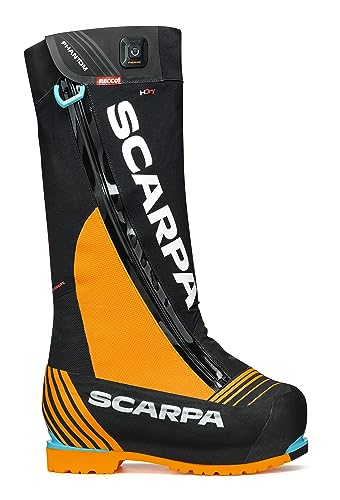
EU Size: 42 – US Size: 10 Women/9 Men | Warmest for the Highest | SCARPA’s warmest, most protective mountaineering boot built for 8000-meter ascents.

EU Size: 42 – US Size: 10 Women/9 Men | Boots You Can Count On | These lightweight mountaineering boots are made using a burly Perwanger leather upper combined with a Schoeller integrated gaiter for ultimate reliability in the mountains.

1. TPU shin plate 2. Adjustable and replaceable micro buckle system 3. Velcro strap closure 4. Full length inner gaiter 5. Flexible System 6. Rigid heel cup, shock resistant, anatomically shaped 7. Rear reflective inserts 8. Elastic panel on the calf area
Identifying Heel Wear Patterns
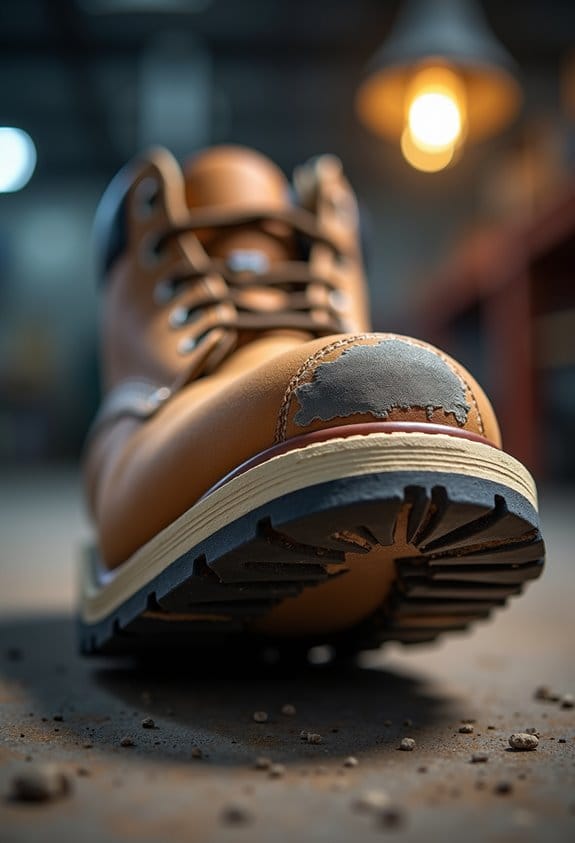
How can heel wear patterns reveal important information about your gait and boot condition? Heel wear patterns indicate how your foot strikes the ground and help assess whether your footwear suits your needs. Recognizing these patterns aids in better shoe selection and prevents foot problems. Key points include:
- Neutral gait wear appears mainly on the outside heel and under the first two toes, showing balanced foot motion.
- Overpronators show wear on the middle to inner heel edges, causing boot tilting inward, which may lead to injuries.
- Supinators display wear along the outer heel edge, resulting in outward tilting that stresses ankles.
Regularly inspecting heel wear patterns helps identify when boots lose support or alignment, signaling it’s time for new boots to protect foot health. Additionally, considering boots with ASTM slip-resistant outsoles can improve safety as wear patterns change over time.
Recommended Products

VectoTech 16TB External SSD USB-C Portable Solid State Drive (USB 3.1 Gen 2) | 3D NAND Flash | Rapid
PERFORMANCE – Ultra fast read/write speeds of up to 540MB/s, lets you transfer conveniently large files, 4K videos, high end gaming in seconds. With USB 3.1 Gen 2 interface (Type-C connection) and 3D NAND technology VectoTech portable SSD provides transfer speeds 5x faster than conventional hard drives
STURDY AND STRONG: With its 375-Pound capacity, elegant design and smooth finish, you won’t find a more durable, reliable ladder

Premium anti-static polypropylene fiber system dries quickly and wont fade or rot
Sole Wear Patterns to Watch For
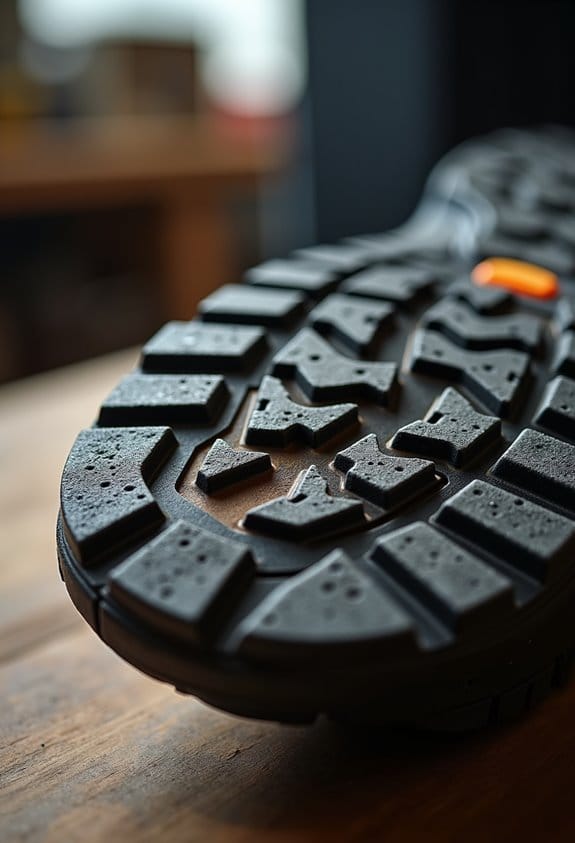
While heel wear patterns offer valuable clues about foot movement and boot support, it is also important to monitor the sole for wear characteristics that impact overall boot performance. What sole wear patterns should you watch for?
- Excessive wear on the inner or outer edges suggests overpronation or supination, indicating gait issues that affect stability.
- Smooth or bald patches on the sole reduce traction, increasing slip risk and signaling the need to replace your shoes.
- Cracks, shallow tread depth, or sole separation compromise protection and foot care.
- When the boot sole no longer sits flat due to uneven wear, it may cause discomfort or injury.
Regularly inspecting these sole wear patterns helps you know when to replace your shoes and maintain proper foot care. Additionally, maintaining boots with adjustable Velcro straps ensures a snug fit, which can help reduce uneven sole wear and prolong boot life.
Recommended Products

Heavy-duty poly/butyl/poly trilaminate design stands up to years of aggressive diving

Durable 3-Layer TriTon fabric ensures reliable waterproof-breathable protection

EU Size: 44 – US Size: 11.5 Women/10.5 Men | Tech on the Mountain | A technically advanced mountaineering boot built for mixed and ice climbing.
Signs of Sole Cushioning Breakdown
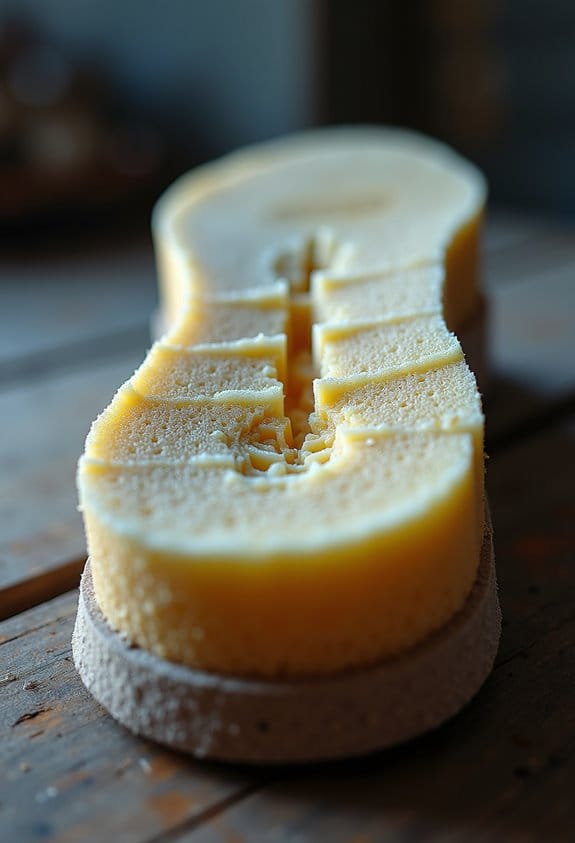
Sole cushioning plays a crucial role in absorbing impact and supporting foot comfort during walking or running, but its effectiveness diminishes over time. How can you tell if your shoe’s cushioning is breaking down?
- Look for visible compression wrinkles or creasing along the shoe sides, which signal loss of elasticity and support.
- Notice any decrease in bounce or springiness; this means cushioning is degraded and impacts absorb less.
- Pay attention to increased discomfort, especially soreness or fatigue in knees and heels after use.
- Assess whether midsoles feel compressed or cracked, as these signs indicate cushioning no longer performs well.
If you observe these issues, it’s time to replace your boots to prevent discomfort and reduce risk of overuse injuries. Proper cushioned insoles can significantly reduce foot fatigue and improve comfort during long shifts.
Recommended Products

ATS technology provides ergonomic support whether you're on your feet or in the saddle

10″ of 7-ounce black oil tanned leather

Premium full grain leather upper, full quill ostrich foot
Exterior Sole Damage Indicators
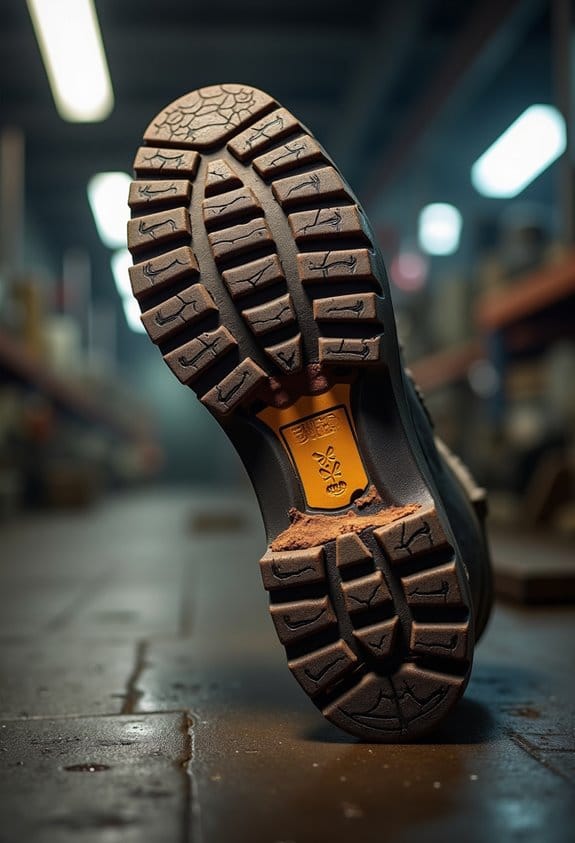
Several visible signs of damage on the exterior sole can indicate that your boots are nearing the end of their usability and need replacement. What are the key exterior sole damage indicators to watch for?
- Excessive wear and smoothing of the outsole tread reduce traction, which can lead to slips or falls during outdoor activities.
- Holes forming on exterior surfaces show where constant pressure and friction have weakened the material.
- A heel that appears tilted or slanted when resting flat signals uneven wear patterns, possibly from gait issues.
- Visible damage such as cracks, splits, or deep scuff marks in the outer sole material suggest compromised structure.
Regularly inspecting these wear patterns helps you decide when to replace boots and maintain safety and support. Pay attention to worn soles affecting grip, as slip-resistant outsoles are critical for maintaining stability and safety.
Interior Wear and Its Effects on Comfort
An often overlooked aspect of boot maintenance is the condition of the interior, which directly affects overall comfort and foot health. What signs indicate interior wear that should concern you? Look for:
- Thinning or fraying fabric, especially near the ankle, which may cause irritation from friction.
- Holes or exposed seams that reduce support and allow rubbing.
- Breakdown of cushioning that leads to foot soreness or fatigue during long wear.
Why does interior wear matter? When support diminishes, your foot may not fit securely, increasing discomfort and risk of injury. How can you respond? Regularly inspect the interior for visible damage, and if present, consider replacing your boots to maintain comfort and adequate support. Monitoring interior wear guarantees your footwear continues to protect your feet effectively. Additionally, the use of durable materials like COMFORTBASE cushioning can help maintain interior comfort and extend boot lifespan.
Common Causes of Uneven Outsole Wear
Many factors contribute to uneven outsole wear, primarily related to how your feet move during walking or running. What causes this wear pattern? Key causes include:
- Gait patterns such as overpronation, where feet roll inward, causing wear on the inner outsole edge.
- Supination, where feet roll outward, resulting in wear along the outer edge.
- Variations in foot mechanics like flat feet or high arches, which increase uneven pressure distribution.
Why is understanding these causes important? Uneven outsole wear reveals how your foot mechanics affect shoe durability and comfort. Regularly inspecting your outsole helps identify when specialized footwear or orthotic support is necessary. Recognizing these signs early prevents further foot issues by ensuring your boots provide the proper alignment and support based on your unique gait patterns and foot structure. Additionally, choosing boots with proper arch support can help prevent fatigue during long shifts and reduce uneven wear patterns.
When Outsole Wear Compromises Stability
Understanding the causes of uneven outsole wear helps recognize when such wear might affect boot stability and user safety. How does outsole wear compromise stability? Look for these signs:
- Uneven wear disrupting body alignment, causing tilting or leaning of the heel when boots stand flat.
- Overpronation or underpronation often causes this tilt, signaling reduced stability.
- Smooth or bald tread indicates loss of traction, raising slipping risk.
- Compression or cracking in the midsole, visible as side wrinkles, reduces shock absorption and increases joint stress.
Why is stability important? Compromised stability can lead to balance issues, increasing injury risk during activities. How can you maintain stability? Regularly inspect your boots for excessive outsole wear or structure damage to guarantee proper support and safe use. Additionally, choosing boots with slip-resistant soles can significantly reduce the risk of falls caused by worn out traction.
Recommended Products

High altitude mountaineering in extreme temperatures

18″ of 7-ounce black oiled leather

Upper Material: silicone impregnated Idro-Perwanger Roughout Leather (3.2mm), abrasion-resistant textile, air-injected rubber rand
Frequently Asked Questions
How Do You Know When It’s Time to Get New Boots?
A person knows it’s time for new boots by applying boot longevity tips, including regular outsole inspection techniques and monitoring tread depth indicators. Significant tread loss, uneven wear, or structural issues signal replacement is necessary for safety and comfort.
What Is the 3 Shoe Rule?
Like a car needing regular servicing, the 3 Shoe Rule advises rotating three pairs to boost boot longevity factors. Using outsole inspection techniques and shoe maintenance tips, this practice evenly distributes wear, preserving cushioning and extending footwear life.
How to Tell if It’s Time for New Shoes?
Boot comfort indicators, such as persistent foot pain, combined with tread depth assessment revealing smooth or bald patches, signal decreased shoe performance longevity. Uneven wear and flexibility issues also indicate it’s time for new shoes to maintain support.
What Shoe Sole Wear Tells You?
Shoe sole wear reveals gait irregularities impacting shoe durability and comfort assessment. Uneven tread erosion indicates compromised support, reducing traction and cushioning effectiveness. Consequently, analyzing wear patterns underscores tread importance in maintaining ideal foot function and footwear longevity.