As an Amazon Associate, we earn from qualifying purchases. Some links on this site are affiliate links at no extra cost to you. Our recommendations are based on thorough research and editorial judgment.


Differences Between Kitchen Shoes and Regular Sneakers in Wet Environments

Kitchen shoes and regular sneakers differ mainly in slip resistance and materials for wet conditions. Kitchen shoes have rubber soles with deep grooves and siped patterns that channel water, preventing slips on wet floors. Their non-porous, waterproof materials avoid moisture buildup, unlike breathable mesh in sneakers. Certified for safety, kitchen shoes offer reinforced toes, arch support, and durability against spills and wear. Regular sneakers lack these features and may increase slip risks. Understanding these contrasts highlights why kitchen shoes are better suited for wet environments.
Key Takeaways
- Kitchen shoes have slip-resistant soles with deep grooves and siped patterns designed for wet and oily floor traction.
- Regular sneakers use shallow treads that increase slip risk on wet surfaces, lacking specialized slip resistance.
- Kitchen shoes are made from non-porous, waterproof materials that prevent moisture absorption and odor buildup.
- Certified kitchen shoes undergo rigorous slip resistance testing to ensure safety in spill-prone environments.
- Durable reinforced seams and easy-to-clean soles make kitchen shoes more reliable in wet, harsh kitchen conditions.
Traction and Grip Performance on Wet Floors
When evaluating traction and grip performance on wet floors, kitchen shoes outperform regular sneakers due to their specialized design and materials. How do kitchen shoes provide superior slip-resistant grip on wet surfaces? First, their rubber outsoles feature deep grooves and micro-channels in the tread design, which efficiently disperse liquids and maintain traction. Regular sneakers often have shallow treads that increase slip risk. Second, kitchen shoes undergo safety footwear testing to guarantee reliable slip resistance, unlike most regular sneakers. What additional benefits do kitchen shoes offer? They include targeted arch support, improving foot stability and reducing injury chances. In contrast, regular sneakers typically lack this support and use harder rubber compounds that lose grip on wet or greasy floors. Considering these factors helps you select appropriate footwear for slippery environments. It is also important to prioritize shoes with slip-resistant outsoles designed specifically for kitchen use to maximize traction and safety.
Recommended Products
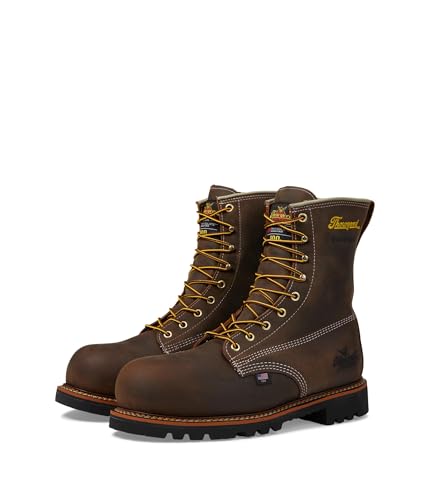
DURABLE COMFORT - Made with full-grain leather in Crazyhorse and Vibram 1275 Olympia Rubber outsole.

Important Note: The AU size is stamped on the bottom of the boots, not the US size. Featuring 100% waterproof protection, these Chelsea boots have black premium waterproof leather, waterproof elastic, and latexed seams.
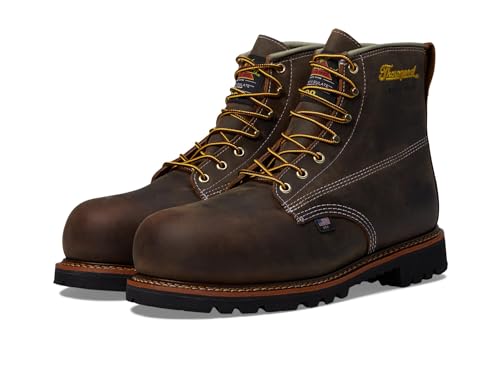
Premium Full-Grain Leather: Crafted from Crazy Horse full-grain American leather for long-lasting durability and a rugged, classic look
Materials Used in Kitchen Shoes vs. Regular Sneakers

Materials play a critical role in distinguishing kitchen shoes from regular sneakers, especially regarding durability, safety, and comfort in demanding environments. What materials are kitchen shoes made from? These shoes use non-porous substances like treated leather or synthetic blends, preventing moisture absorption and allowing easy cleaning. They also include moisture-wicking linings to keep feet dry. How do regular sneakers compare? Regular sneakers often feature porous mesh materials that can trap spills and moisture, reducing comfort and increasing odor risk.
What about protection and support? Kitchen shoes provide reinforced toe caps and strong construction for hazard protection, alongside specialized cushioning and arch support for long hours of standing. Regular sneakers usually lack these features, prioritizing style over support. Both shoes use rubber soles, but kitchen shoes focus more on slip-resistant materials enhancing traction in wet, oily conditions. Additionally, many kitchen shoes incorporate Memory Foam cushioned insoles, which mold to the foot for targeted support and fatigue reduction during long shifts.
Recommended Products

Enhanced Workplace Safety - Our anti fatigue matting designed with a diamond textured surface creates an anti slip surface for dry applications where maintaining traction is crucial

Premium anti-static polypropylene fiber system dries quickly and wont fade or rot

Face NUBS are reinforced with rubber to resist crushing, maintaining high performance and extending product life
Sole Tread Design and Its Impact on Safety
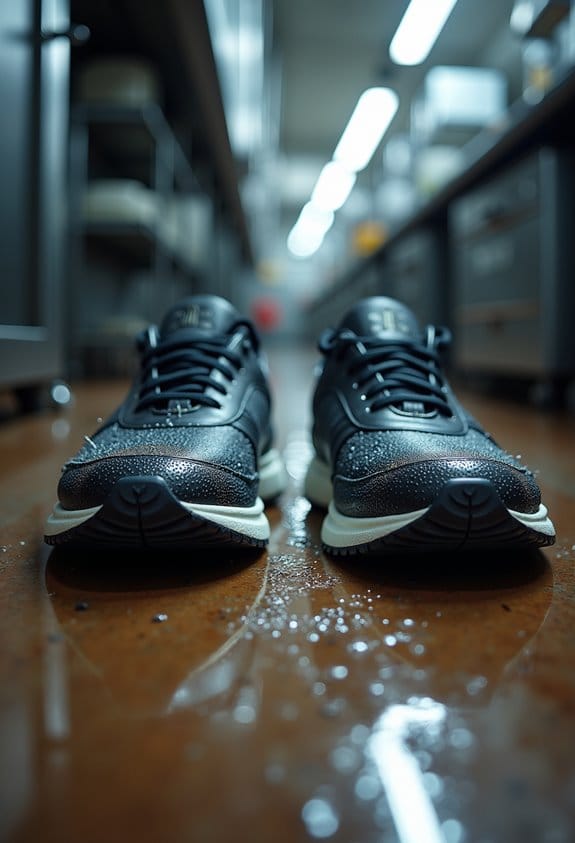
Many kitchen shoes incorporate carefully engineered sole tread designs that greatly enhance safety by reducing slip risks in wet and oily conditions. How does the sole tread design affect safety?
- Kitchen shoes have slip-resistant soles with deep grooves and siped patterns, which disperse liquids and improve traction on wet surfaces.
- The rubber compound in kitchen shoes remains flexible and grippy, unlike regular sneakers whose harder soles can cause hydroplaning.
- Regular sneakers generally feature shallow tread designs, lacking key safety features for spill-prone environments.
- Engineered tread designs in kitchen shoes prevent slips more effectively by channeling water away and maintaining contact with the floor.
- If you work in wet conditions, slip-resistant footwear like kitchen shoes greatly reduces accidents compared to regular sneakers, enhancing your overall safety.
- Additionally, some kitchen shoes come with electrical hazard protection, providing an extra layer of safety in environments where electrical risks are present.
Recommended Products

The ErgoDefender Square Toe feature provides a spacious toe box that allows your toes to spread naturally, providing unparalleled comfort

AMERICAN MADE with USA and globally sourced components by the skilled craftsmen and women at Thorogood’s US plants
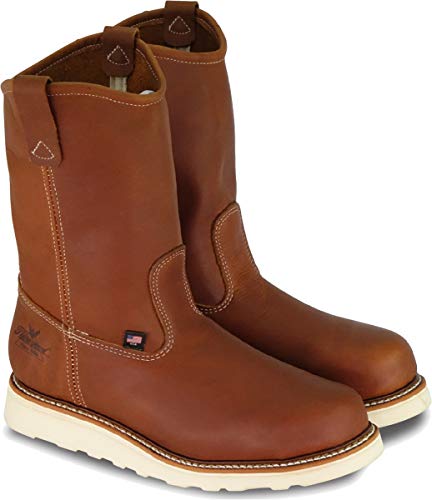
STEEL SAFETY TOE protects your feet from on-site impact and compression hazards while the design keeps them light and flexible, making American Heritage some of the best steel toe boots for men with dangerous jobs. Meets ASTM F2413-18 safety-toe standards.
Certification and Testing for Slip Resistance
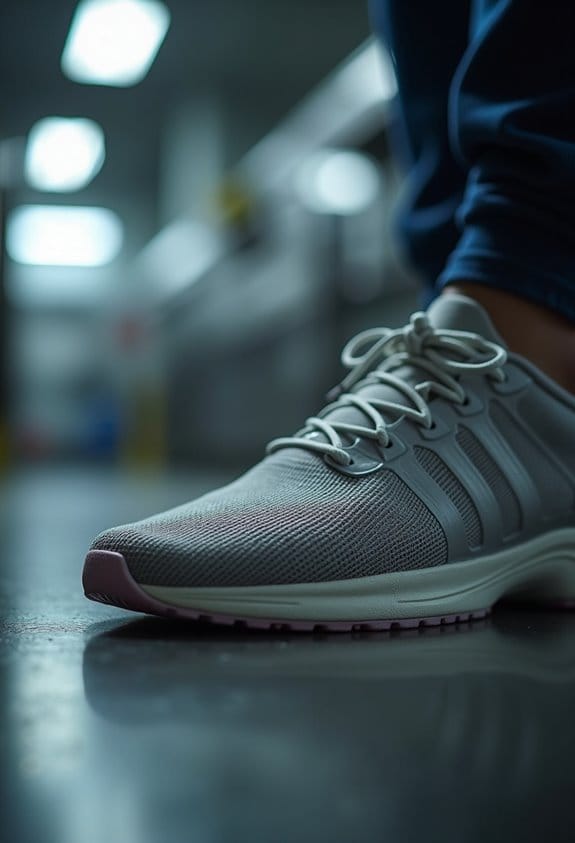
Slip resistance certification provides a reliable measure of how well footwear performs in slippery environments, guaranteeing safety standards are met and maintained. What makes certified slip-resistant shoes different from regular sneakers? Certified slip-resistant footwear undergoes rigorous testing based on recognized testing standards, such as ASTM F2913 and SATRA TM144. This testing verifies traction and the effectiveness of tread patterns specifically designed for wet or oily surfaces. Why is this important? Certified kitchen shoes come with performance data proving reduced risk of slip-related accidents, whereas regular sneakers usually lack such certification and effective tread designs. How can you identify trustworthy slip-resistant footwear? Look for clear certification and compliance with safety standards. Choosing certified slip-resistant shoes guarantees you meet workplace safety requirements and improve safety in hazardous kitchen environments. Additionally, features like specialized tread patterns and materials contribute significantly to slip resistance, as seen in industry-leading models like Crocs Bistro Clogs and Skechers Cessnock shoes, which combine durability with industry safety certifications.
Recommended Products

STOPS DIRT AT THE DOOR | Bi-level surface effectively scrapes dirt and moisture from shoes, trapping it beneath shoe level to prevent tracking

Kitchen drainage mat with micro stop

Awarded as "The Softest Linen Sheets" by Sleep Foundation. Also Featured in ‘Forbes’, ‘Vogue’, 'GQ', ‘Well+Good’, ‘Cosmopolitan’, and ‘Fast Company’ etc. "SIJO French flax linen has a higher fabric density than most other brands, which lends to its durability." — Business Insider. "SIJO's French Linen is stone-washed for softness and free from chemicals or fabric softeners, unlike some linen brands, which can rely on chemicals to soften them up quickly." — Domino
Durability and Maintenance Requirements

Although both kitchen shoes and regular sneakers serve to protect feet, their durability and maintenance requirements differ considerably due to the environments they are designed for. How does durability compare between these footwear types? Kitchen shoes feature reinforced seams and waterproof capabilities, enhancing their structural integrity against wear and moisture in demanding environments. Regular sneakers often lack these features, leading to quicker material breakdown and loss of grip. What should you know about maintenance? Slip-resistant footwear like kitchen shoes requires regular cleaning to remove grease and residue, which helps preserve high-traction rubber soles. Conversely, sneakers may need frequent replacement as their soles wear down and moisture damages their porous materials. Understanding these differences helps in choosing footwear suited for wet, hazardous conditions, ensuring safety and prolonging the shoe’s effective lifespan. Additionally, proper maintenance using waterproofing treatment options can significantly extend the durability and water resistance of these shoes.
Recommended Products

Face NUBS are reinforced with rubber to resist crushing, maintaining high performance and extending product life

Reputable brand; Juyace specializes in the production and research of LED outdoor lights. Our 300w LED parking lot lights have gained the trust of numerous satisfied clients and corporate retailers, as evidenced by the sale of over 40,000 units
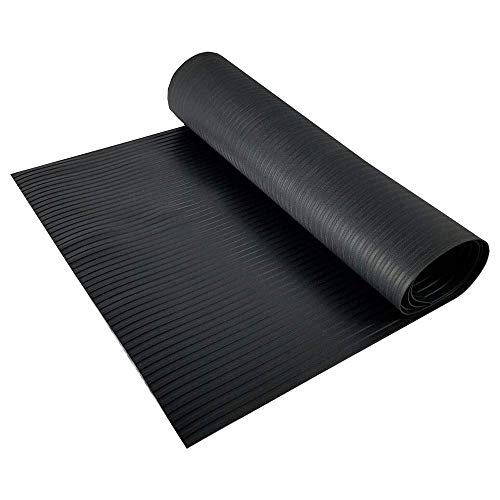
Ultimate Damage Defense: Resilia Embossed Wide Rib Runner offers superior protection against scratches, spills, and wear, making it perfect for high-traffic areas like kitchens, entryways, garages, hardwood, tile, vinyl, and a range of hard surfaces
Comfort and Support for Extended Wear
Comfort and support play essential roles in footwear designed for long hours of standing or walking, especially in demanding environments like kitchens. What makes proper footwear suitable for long shifts? Kitchen shoes offer enhanced arch support and ergonomic design to reduce foot fatigue, unlike regular sneakers. How do they guarantee safety and comfort? They incorporate cushioning materials such as memory foam and EVA, combined with water-resistant and non-slip footwear features for slip resistance in wet conditions. Why is this important? This design helps minimize workplace injuries related to slips and prolonged pressure on feet. Can regular sneakers provide the same benefits? Typically, they prioritize style over support and lack rigorous testing for slip resistance or long-term comfort, making kitchen shoes a safer, more comfortable choice for extended wear. Additionally, materials used in kitchen shoes are often selected to facilitate easy cleaning and hygiene, crucial for maintaining safety in wet work environments.
Frequently Asked Questions
What Type of Shoes Are Best for Rain?
When rain beckons chaos, waterproof boots with a non-slip sole and drainage features reign supreme. Breathable materials, comfortable fit, lightweight design, easy clean, stylish options, versatility factors, and budget considerations complete this ideal rain-ready footwear ensemble.
Can I Wear Sneakers in a Kitchen?
Wearing sneakers in a kitchen often fails to meet kitchen shoe requirements, lacking adequate kitchen floor traction, moisture resistance levels, and safety features needed. Compared to kitchen-specific materials, sneakers show durability issues and insufficient foot support for commercial kitchen standards.
What’s the Difference Between Indoor and Outdoor Shoes?
Indoor footwear prioritizes comfort needs, style preferences, and slip resistance on smooth surfaces; outdoor durability emphasizes moisture resistance, shoe traction, and versatile designs. Purpose-driven, climate considerations shape their differences, balancing function, protection, and appeal effectively.
What Is the Old Wives Tale About Shoes?
Old wives’ shoe myths include footwear taboos like never placing shoes upside down, reflecting cultural beliefs and folklore footwear wisdom sayings. Kitchen superstitions advise careful shoe origins handling, while rain advice encompasses practical steps to avoid bad luck linked to shoes.