As an Amazon Associate, we earn from qualifying purchases. Some links on this site are affiliate links at no extra cost to you. Our recommendations are based on thorough research and editorial judgment.


Waterproofing and Breathability Needs for Tactical Boots in Different Climates

Waterproofing keeps feet dry using membranes like GORE-TEX and sealed seams, which prevent water entry and reduce injury risk. Breathability allows sweat to escape, preventing blisters and fungal infections through materials like mesh panels. In wet climates, choose boots with drainage features and quick-drying liners. For dry, hot areas, opt for lightweight, breathable fabrics with moisture-wicking liners. Proper selection balances protection and comfort based on environment, ensuring maximum performance. Further details explore material technologies and maintenance tips.
Key Takeaways
- Tactical boots need waterproof membranes like GORE-TEX® for wet climates to block water while maintaining breathability.
- In hot, humid climates, boots require increased breathability and drainage to prevent moisture buildup and overheating.
- Dry and arid environments demand lightweight, breathable materials with moisture-wicking liners and abrasion-resistant outsoles.
- Gusseted tongues and sealed seams enhance waterproofing by preventing water and debris entry in various environments.
- Choosing climate-specific boots ensures comfort, reduces blister risks, and improves foot health during prolonged wear.
Importance of Waterproofing in Tactical Boots
Waterproofing is a critical feature in tactical boots, especially if you operate in wet or humid environments where water exposure is common. Why are waterproof boots important? They keep your feet dry by preventing water from entering, which improves comfort during tactical operations. What features enhance waterproofing? Look for materials like GORE-TEX® and sealed seams that block moisture effectively. How do boots handle water inside? Some have drainage systems to let water escape while stopping more from entering. What benefits do waterproof boots offer in tactical use? They reduce risks of blisters and injuries caused by wet feet during long missions. How can you guarantee quality? Choose boots with a high waterproof rating tested under various depths and durations, ensuring long-lasting protection in demanding conditions. Additionally, waterproof tactical boots often incorporate breathable linings to help maintain airflow and reduce moisture buildup inside the boot.
The Role of Breathability in Tactical Footwear
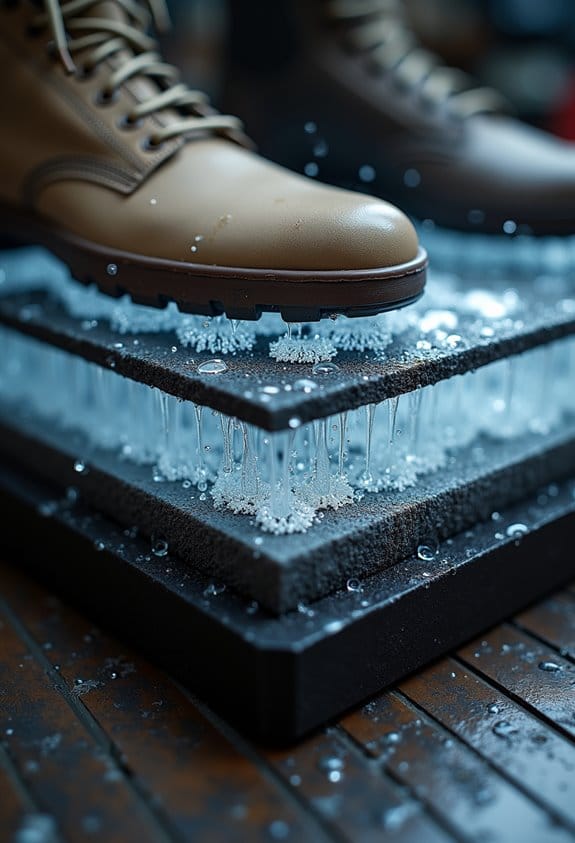
While keeping feet dry is important in tactical operations, managing internal moisture is equally important for comfort and health. What role does breathability play in tactical footwear? It enhances moisture management by allowing sweat to escape while waterproof membranes prevent external water entry. How does this benefit users? Breathable boots reduce the risk of blisters and fungal infections by keeping feet cooler and drier, especially in warm or humid conditions. What features improve breathability? Materials like GORE-TEX® combine waterproofing with breathability, and mesh panels promote airflow around the foot for better ventilation. How should you choose tactical boots? Prioritize models with high breathability ratings, as they greatly impact comfort and performance during long use. Proper breathability supports foot health and helps maintain effectiveness in demanding tasks. Additionally, choosing boots with breathable synthetic uppers and PU overlays can enhance durability while maintaining ventilation and comfort in rugged use.
Understanding Different Climate Challenges

Because tactical boots are used in varied environments, understanding specific climate challenges is essential to selecting appropriate footwear. What climate factors affect tactical boots? Consider these examples:
- Temperate rainforests require tactical boots with waterproof membranes that block water but allow breathability to keep feet dry.
- Summer temperatures near 60°F demand quick-drying materials, plus ventilation and drainage, to avoid moisture buildup and discomfort.
- Mild winters need boots that combine water resistance with insulation and fast drying to protect against melting snow and frostbite risk.
- Humid jungles call for increased breathability and effective drainage to reduce sweat, prevent blisters, and lower fungal infection chances.
How should you balance waterproofing and breathability? Matching boot design to these climate conditions guarantees ideal comfort, protection, and foot health. Utilizing shock-absorbing cushioning can also reduce fatigue during extended wear in challenging climates.
Waterproof Membranes: GORE-TEX and Alternatives
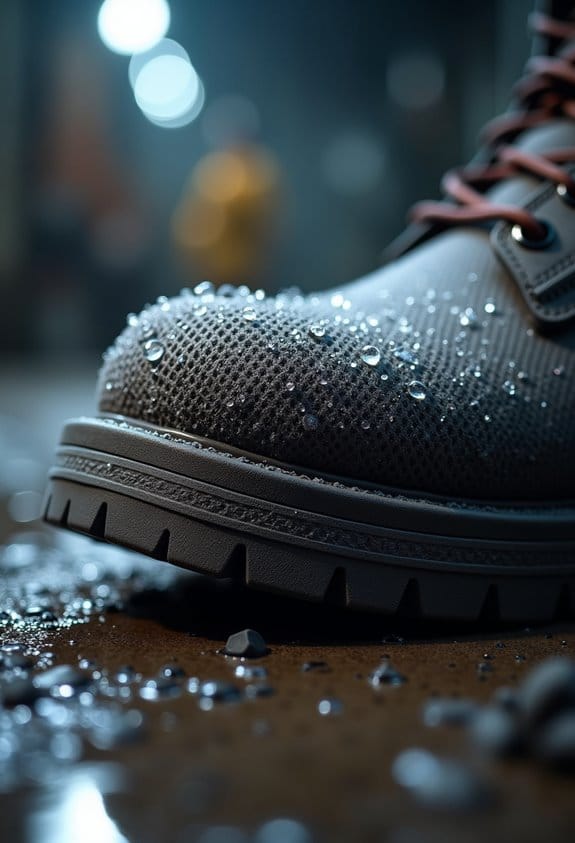
Selecting appropriate footwear involves considering both climate challenges and the materials used in boot construction. What is a waterproof membrane and why is it significant? A waterproof membrane, such as Gore-Tex, prevents water from entering the boot while allowing moisture vapor to escape, enhancing breathability. This is essential in wet or humid climates to keep feet dry and comfortable.
What alternatives to Gore-Tex exist? Proprietary membranes like eVent and Ortholite also offer waterproofing and breathability but vary in weight, durability, and airflow performance. How do these membranes affect boot performance? Their effectiveness depends on seam sealing, construction quality, and material choice, which collectively influence overall waterproofing.
When selecting tactical boots, consider the specific waterproof membrane’s features to match your climate and activity needs. Additionally, boots featuring gusseted tongues help block water and debris from entering, further enhancing waterproof performance.
Balancing Waterproofing and Ventilation for Comfort

Achieving a proper balance between waterproofing and ventilation is important to maintain foot comfort in tactical boots, especially during long wear in varied climates. How do boots manage this balance? Key features include:
- Waterproof membranes like GORE-TEX® provide protection from water while allowing moisture vapor to escape, supporting breathability.
- Ventilation through mesh panels and lightweight synthetics improves airflow but may reduce waterproofing if not well integrated.
- Drainage vents help remove moisture quickly without letting water in, useful for wet environments and rapid movement.
Why does this matter? In hot, humid climates, proper breathability prevents overheating and discomfort, while waterproofing protects against unexpected rain or puddles. Selecting boots with the right combination guarantees comfort during extended use. Additionally, choosing boots with CTX membranes can optimize moisture protection while maintaining breathability.
Materials That Enhance Breathability and Durability
Several key materials contribute to the breathability and durability of tactical boots, each offering distinct benefits depending on the intended environment and use. What materials enhance breathability while remaining durable? Full-grain leather stands out for its durability and flexibility, allowing breathability if properly maintained. Ballistic nylon offers superior durability and abrasion resistance but less breathability. How is waterproofing balanced with comfort? Gore-Tex membranes provide waterproof protection and excellent breathability by letting sweat escape. What combinations increase performance? Synthetic leather paired with nylon offers both lightweight durability and breathability, ideal for varied environments. Additionally, mesh panels markedly enhance breathability by improving air circulation and moisture management. Selecting boots with these materials helps guarantee a balance of waterproofing, breathability, and lasting durability suited to different tactical needs. Lightweight designs like the FREE SOLDIER Waterproof Boots minimize fatigue while maintaining protection and comfort.
How Climate Influences Insulation Needs
Insulation levels in tactical boots vary greatly depending on the climate in which they will be used. How do different climates affect insulation needs?
- In cold environments, choose boots with higher insulation ratings (1200-2000 grams) to maintain warmth and reduce frostbite risk. Ascertain waterproofing to keep feet dry.
- In humid or warmer climates, lower insulation ratings (400-600 grams) are better, preventing overheating and moisture buildup. Look for materials offering strong breathability.
- When facing temperature fluctuations, consider boots with dual insulation systems that adapt to changes without compromising breathability.
- Remember, proper insulation balances warmth, breathability, and waterproofing based on climate extremes.
Selecting tactical boots that match your environment’s temperature and humidity will optimize comfort, foot health, and overall performance during your operations. Incorporating boots with water-resistant materials enhances protection against moisture while maintaining comfort in diverse conditions.
Selecting Tactical Boots for Humid and Wet Environments
When selecting tactical boots for humid and wet environments, it is important to prioritize features that promote both dryness and comfort under consistent moisture exposure. Which key features should you consider? First, choose boots with a Gore-Tex waterproof membrane to maintain breathability while preventing water entry. Second, look for moisture-wicking linings that pull sweat away from the skin, reducing dampness inside the boot. Additionally, drainage features such as side vents or perforations help excess water escape, enhancing comfort during prolonged use. You should also consider quick-drying materials and designs, like jungle boots, that minimize water retention. Finally, opt for sturdy outsoles with excellent traction to navigate slippery surfaces safely. Selecting boots made from waterproof leather can also improve moisture resistance while maintaining durability in harsh conditions. These combined elements guarantee tactical boots meet the demands of wet and humid conditions effectively.
Tactical Boots Designed for Dry and Arid Conditions
Comfort and durability are critical factors when choosing tactical boots designed for dry and arid conditions. What features support these needs?
- Breathability: Boots often include moisture-wicking liners and breathable mesh panels to manage sweat and keep feet dry.
- Lightweight design: Many use synthetic materials that reduce weight, increasing comfort during long wear in hot environments.
- Protection and durability: Reinforced toe caps, heel counters, and abrasion-resistant rubber outsoles safeguard against rough terrain without adding bulk.
- Minimalist construction: Some models omit waterproof membranes, prioritizing airflow and fast drying to suit the dry climate.
How do these features benefit you? They enhance comfort by reducing moisture buildup and heat, while durable materials guarantee long-lasting performance on abrasive, rocky surfaces common in arid regions. Additionally, adjustable lacing systems with multiple eyelets ensure a secure and stable fit for improved foot stability during extended use.
Maintenance Tips for Waterproof and Breathable Boots
To keep waterproof and breathable boots functioning effectively, regular maintenance is essential because dirt and wear can reduce their protective qualities. How should you maintain your boots to preserve the water resistance they offer? First, clean your pair of boots regularly with a damp cloth and mild soap to remove dirt and prevent membrane clogging. Next, apply waterproofing treatments like silicone spray or wax periodically to uphold their water resistance. How can you dry and store your boots without causing damage? Always air dry them naturally, avoiding direct heat sources, and store them in a cool, dry place away from sunlight. Finally, inspect seams and stitching often, repairing any damage promptly to maintain the boots’ protective integrity and overall function. Additionally, using boots with seam-sealed membranes can enhance water resistance and breathability, ensuring better performance in wet conditions.
Latest Innovations in Tactical Boot Technology
Although tactical boots have long been essential for demanding environments, recent technological advances considerably improve their functionality and user experience. What are the latest innovations in tactical boot technology? First, many boots now use advanced GORE-TEX, offering superior waterproofing while maintaining breathability. This keeps your feet dry without overheating. Additionally, new traction technologies like Vibram® MegaGrip® outsoles provide better grip and stability on varied terrains, enhancing safety. What materials improve durability? Lightweight synthetic leathers and abrasion-resistant ballistic nylon make boots tougher but lighter. Are there comfort improvements? Dual-density foam midsoles absorb impact better, allowing longer wear without discomfort. Finally, some brands incorporate recycled textiles, supporting sustainability. These features combine to deliver tactical boots that meet modern operational demands across different climates efficiently and reliably.
Frequently Asked Questions
Can Boots Be Waterproof and Breathable?
Boots can be both waterproof and breathable by utilizing waterproof materials integrated into advanced boot construction. This design enables effective moisture management, preventing external water entry while allowing internal sweat vapor to escape, ensuring comfort and dryness.
What Does the US Military USe for Extreme Cold Weather Boots?
Although designed for harsh cold, the U.S. Military’s Extreme Cold Weather boots combine insulation techniques like Thinsulate with advanced temperature management and durable boot materials such as nylon, leather, and Gore-Tex membranes to guarantee warmth and protection.
How to Waterproof Tactical Boots?
Waterproofing tactical boots involves applying appropriate waterproofing materials, focusing on seams and high-wear areas, regularly cleaning dirt, and adhering to boot maintenance tips. Utilizing tactical boot features like waterproof membranes enhances durability and moisture protection.
What Are Common Problems With Tactical Boots?
Like a ship with a worn hull, tactical boots face durability issues and sole traction concerns that undermine performance. Additionally, fitting comfort problems often plague users, causing discomfort that hinders extended wear in rugged environments.