As an Amazon Associate, we earn from qualifying purchases. Some links on this site are affiliate links at no extra cost to you. Our recommendations are based on thorough research and editorial judgment.

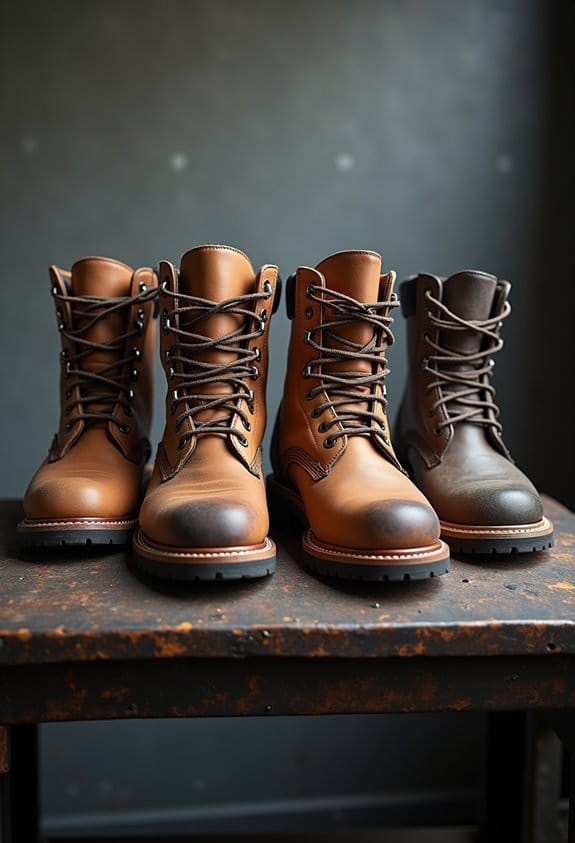
When Resoling Work Boots Makes Sense and When It Does Not

You should consider resoling work boots if they have durable constructions like Goodyear welt or stitchdown, visible sole wear, uneven tread, or thinning leather exposing the welt. Boots priced over $400 often justify resoling due to quality materials. Avoid resoling if soles are cemented, uppers cracked, or the welt severely damaged, which means replacement is needed. Alternatives like half soles or rubber protectors suit minor wear. Understanding these factors helps you decide when resoling is worthwhile or impractical. Learn more to optimize boot longevity and care.
Key Takeaways
- Resoling makes sense for boots with durable Goodyear welt or stitchdown construction that support multiple resoles.
- Immediate resoling is necessary when soles have visible holes or uneven wear affecting support and safety.
- Resoling is cost-effective for boots priced over $300, extending lifespan and avoiding new break-in periods.
- Do not resole boots with severely cracked uppers, damaged welts, or worn-through soles exposing the footbed.
- Alternatives like half soles or rubber sole protectors work for minor sole wear without full resoling.
Types of Work Boots Suitable for Resoling
When considering which work boots are best suited for resoling, it is important to recognize the role of their construction type. Which boots are easiest to resole? Goodyear welt construction tops the list, offering strong durability and a straightforward resole process. Stitchdown construction also facilitates multiple resoles, thanks to its secure stitch and quality materials. How about Blake stitched boots? They can be resoled, but the number of resoles is limited due to wear factors. What boots should you avoid if resoling matters? Cemented construction lacks durability and is generally unsuitable for resoling. Finally, should price affect your choice? Boots over $400 usually have the materials and build for multiple resoles, while those below $300 often do not justify the investment in resoling. Properly maintained full grain leather uppers also contribute significantly to the overall boot longevity and resole viability.
Recommended Products

DURABLE & STYLISH LEATHER crafted with your choice of our signature Scrunch leather, Greasy leather or Full-Grain, the handcrafted silhouette and chunky toe is well-known both on and off campus
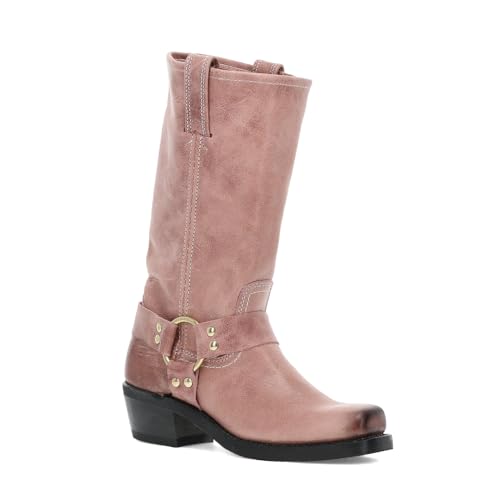
Timeless American Craftsmanship: Experience the legacy of FRYE Harness 12R Boots, a testament to American-made motorcycle boots crafted from genuine Italian leather. These women's harness boots feature a rugged vintage appeal, blending heritage and style seamlessly

Mid-calf engineer boot with leather upper featuring buckled straps at topline and front
Key Signs Indicating Your Boots Need Resoling
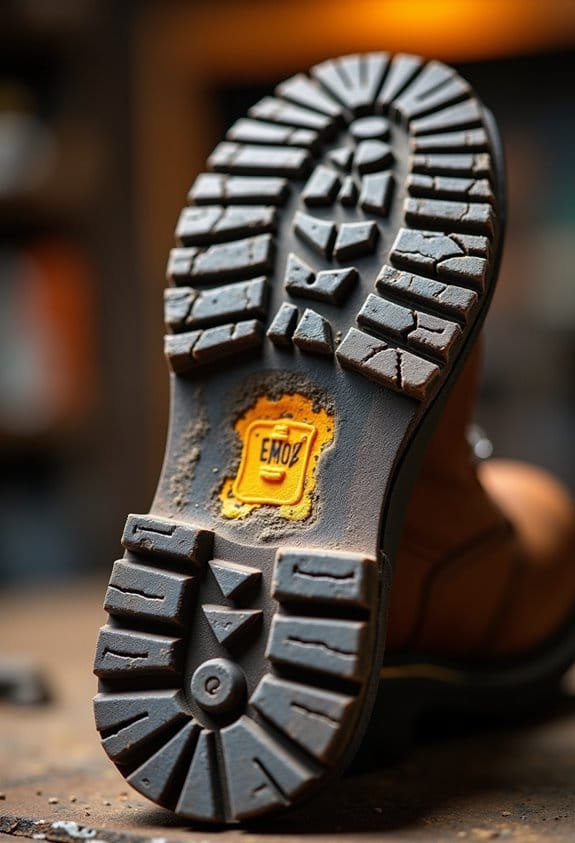
Identifying the signs that indicate your boots need resoling can help extend their life and maintain safety. How can you tell if your pair of boots requires a new sole? Look for these key indicators:
- Visible holes in the soles, exposing the footbed, signal immediate resoling needs.
- Uneven wear patterns, especially on the heel, reduce support and suggest resoling.
- Thinning leather revealing the welt shows the boot’s structure is compromised.
- Decreased comfort during use often means worn-out soles may need replacement.
- Slippery soles that reduce traction create unsafe conditions and call for a new sole.
Recognizing these signs early helps you decide when to visit a cobbler to maintain your boots’ performance and safety. Additionally, regular inspection considering workplace hazards can help determine the appropriate frequency for resoling or replacement.
Construction Methods That Affect Resoling Options
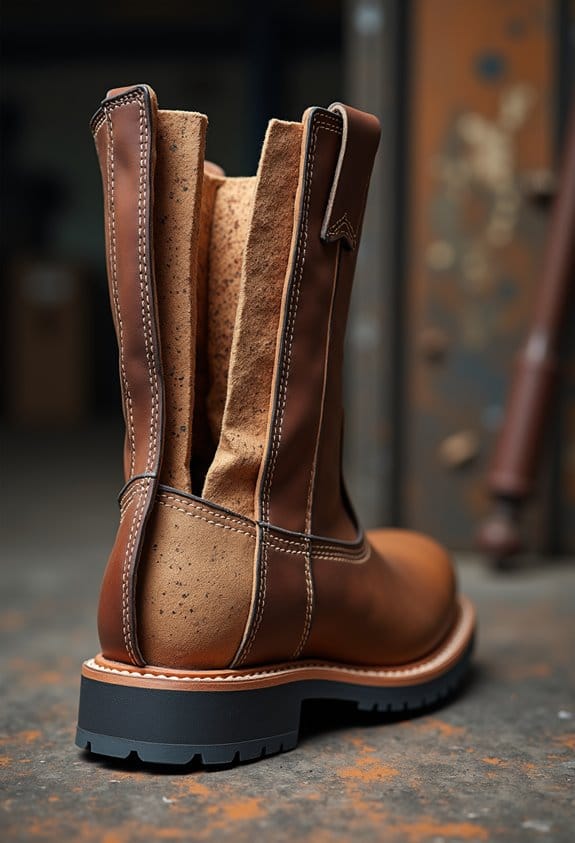
Understanding the construction methods of your work boots is essential to determine how easily they can be resoled and how well they will perform after repair. What construction types affect resoling options?
- Goodyear welt boots offer the best resoling potential, allowing multiple repairs thanks to their durable stitched design.
- Stitchdown construction also supports effective resoling, preserving the boot’s original fit and comfort after sole replacement.
- Blake stitched boots can be resoled but may have limited durability depending on stitching quality and wear.
- Cemented boots, common in lower-quality footwear, are generally unsuitable for resoling since they rely on adhesive rather than stitching.
When considering resoling a pair, boots with stitched construction methods provide longer-term options and better performance than glued models. Additionally, choosing boots with composite toe caps can improve long-term comfort and safety even after resoling.
Recommended Products
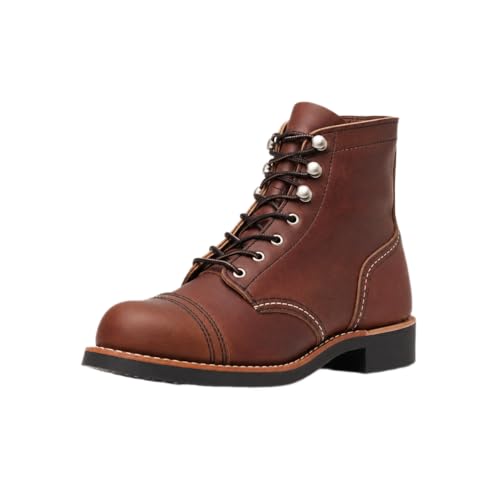
Iconic Women’s Heritage Boot: Redesigned by women, for women, this Red Wing Shoes Iron Ranger 6 inch boot features soft full grain leather, a signature toe cap, and timeless rugged style inspired by 1930s iron miners

Timeless cap toe oxford with subtle seam details

Classic Brogue in a casual expression. Authentic and timeless style. Subtle antique distressed look. Classic Fit, fits true to size
Benefits of Resoling High-Quality Work Boots

Why choose resoling for high-quality work boots instead of buying new ones? Resoling extends the life of work boots, especially those priced over $300, by replacing worn soles while preserving comfort and fit. Consider these benefits when deciding to resole:
- Cost-effectiveness: Resoling typically costs under $100, less than new boots.
- Longevity: Quality boots made with durable construction support multiple resoles, maximizing investment.
- Comfort retention: The original fit remains, avoiding break-in periods after resoling.
- Environmental impact: Resoling reduces landfill waste by keeping boots out of the trash.
Additionally, boots with Goodyear welt construction are especially well-suited for resoling due to their durable and repairable design.
How Stitchdown Construction Enhances Resoling

Built with resoling in mind, Stitchdown construction offers a practical advantage for those looking to extend the life of their work boots. How does this construction enhance resoling? First, Stitchdown construction is designed to make sole replacement straightforward, reducing repair complexity and cost. Second, boots using this method often feature high-quality materials that endure multiple resoles, extending boot lifespan beyond ten years compared to cheaper boots lasting only 2-3 years. Third, resoling preserves the original fit and comfort since the boot’s shape remains unchanged, avoiding extensive break-in periods. Finally, the durability and support offered by Stitchdown boots remain effective after resoling. For those aiming to maximize boot value, choosing Stitchdown construction means you replace just the sole while the rest of your boot stays intact and functional. Additionally, choosing boots with durable rubber outsoles helps maintain slip resistance even after resoling.
Maintaining Boot Fit and Comfort After Resoling
Maintaining boot fit and comfort after resoling is essential for prolonging the effective use of your work boots. How can you guarantee comfort remains consistent once the sole is replaced?
- Choose boots with Stitchdown construction, as this design allows the sole to be replaced without changing the boot’s original shape.
- This means the break-in period previously completed stays intact, preserving comfort.
- After resoling, your boots should feel familiar yet rejuvenated, without stiffness or tightness.
- Ascertain the resoling uses quality materials to maintain durability and the boot’s robust feel.
- Regularly check that the sole is properly aligned and secured, as improper resoling may affect fit and comfort.
- Additionally, selecting soles with slip-resistant technology ensures safety and comfort are maintained in demanding work environments.
Cost Comparison: Resoling vs. Buying New Boots
Choosing between resoling your work boots and purchasing new ones involves careful cost consideration, especially since high-quality boots often come with higher initial prices. Below is a clear cost comparison to help you decide:
- Resoling typically costs under $100, making it considerably cheaper than buying a new pair priced between $300 and $400 or more.
- If your boots cost over $300 originally, resoling is generally cost-effective, as cheaper boots may not justify repair expenses.
- Resoling extends boot lifespan by years, delaying the need for a new pair and maintaining original comfort.
- Purchasing a new pair can require a break-in period, which resoling avoids, preserving fit.
Additionally, choosing boots with durable construction can maximize the benefits of resoling by ensuring longevity.
Considering these factors helps you evaluate whether resoling or purchasing a new pair best fits your budget and needs.
Recommended Products

Irish Setter, Two Harbors, Men’s, 11", Waterproof, Steel Safety Toe, Work Boot, Brown, 12 D (Medium)
Meets ASTM Safety Standards: This leather steel safety toe work boot with HRO designed Vibram rubber-PU outsole is heat, slip, impact, compression, and electrical hazard resistant to meet ASTM F2413-18, M/I/C, EH, and ASTM F3445-21, SR safety standards. HRO designed soles are heat resistant to melting at a minimum of 475º Fahrenheit.

Meets ASTM Safety Standards: This leather non-metallic safety toe work boot with HRO designed TriTek rubber outsole is heat, slip, impact, compression, and electrical hazard resistant to meet ASTM F2413-18, M/I/C, EH, and ASTM F3445-21, SR safety standards. HRO designed soles are heat resistant to melting at a minimum of 475º Fahrenheit.

All-Day Performance: The removable EVA footbed and EVA midsole offers long-lasting comfort and reduces the weight of the boot.
Matching Soles: When to Replace With Identical Materials
After weighing the costs of resoling versus buying new boots, the next step involves deciding whether to replace worn soles with identical materials. When choosing matching soles, consider these points:
- Preserving the original look and fit is essential, especially for Goodyear welted boots, which depend on sole compatibility for structural integrity.
- Identical soles maintain the boot’s aesthetics and work well if you want to keep the same traction and comfort levels.
- If the original soles are heavily worn or performed poorly, upgrading might be wiser than matching soles precisely.
- In environments requiring specific grip or durability, you should evaluate whether replacing with the exact material still meets your needs.
Also, it’s crucial to consider the material durability and tread patterns to ensure safety and long-lasting performance.
Half Soles and Rubber Covers: Alternatives to Full Resoling
When a full resoling may not be necessary, half soles and rubber covers offer practical alternatives to extend the life of your work boots. What are half soles? They are leather pieces applied to the front part of the boot’s sole, providing a cost-effective solution for low wear and delaying a full sole replacement. How do rubber sole protectors help? These protectors enhance grip in cold or wet conditions and cover minor wear without the need for complete resoling.
What should you consider? Half soles require skilled craftsmanship to guarantee a proper fit and seal, preventing issues from poor application. Rubber sole protectors are easier to apply but best for light wear. Both options can maintain boot performance until full resoling becomes necessary. Additionally, maintaining proper sole traction is crucial in factory settings to ensure safety and prevent slips during work.
Recommended Products


Full-grain leather upper featuring 12" leatherTWX shaft with taped interior seams. leatherTWX material utilizes 80% recycled leather that would otherwise end up in landfills.

Important Note: The AU size is stamped on the bottom of the boots, not the US size. Featuring heavy-duty safety features, the Blundstone #989 Extreme Series is built for demanding environments with a 200 Joule Type 1 steel toe cap, providing impact and compression protection for industrial settings.
When Boots Are Beyond Repair and Need Replacement
Although repair options often extend the life of work boots, there are clear signs indicating that replacement is necessary. When should you replace rather than resoling a boot? Consider these factors:
- Is the old sole worn through with holes exposing the footbed? This often means the midsoles and insoles are also degraded.
- Are the uppers cracked, dried, or damaged beyond repair? Leather in poor condition affects waterproofing and support.
- Has the welt separating the sole from the upper started to deteriorate severely?
- Does the repair cost approach or exceed the boot’s original value?
- Is the structural integrity compromised, risking foot health and safety?
If you answer yes to these, investing in a new one is more practical, as extensive repairs could fail prematurely. Additionally, when the boots no longer meet ASTM F2413-18 safety standards, replacement is essential to ensure proper protection in demanding work environments.
Choosing a Cobbler or Service for Resoling Work Boots
Selecting a cobbler or service for resoling work boots requires careful consideration of several key factors to ascertain durability and proper fit. How do you choose the right cobbler? First, verify their experience with your boots’ specific construction, such as Goodyear welt or Blake stitched methods. Next, consider local cobblers for quicker, in-person consultations compared to mail-in options that may take weeks. You should also research reviews or seek recommendations to make sure you select a reliable cobbler specializing in quality boot repairs. Additionally, check if your boots’ manufacturer has designated programs or preferred cobblers, which can simplify the process. Finally, expect costs typically under $100, but confirm pricing details upfront to avoid surprises. Following these steps helps protect your investment in work boots.
Recommended Products

PREMIUM FULL-GRAIN LEATHER BOOTS in Thorogood’s moc toe work boots design, in dark Briar Pitstop brown (804-3800), are both comfortable and stand up to punishing jobs
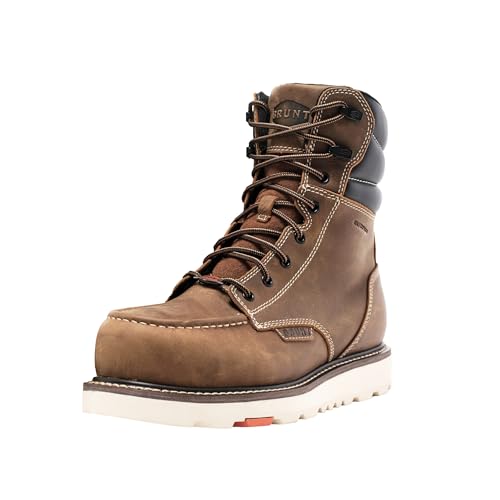
WORK BOOT - Engineered with a resoleable Goodyear welt construction to extend the overall life of the boot, the Marin 8” Welted is built for heavy-duty jobsites. This ultra-durable boot delivers additional support and stability & next-level comfort.

Safety boot, toecap material aluminium, PU midsole, plastic shank, rubber outsole, upper material PU-coated leather
Maximizing Your Investment: Caring for Boots Post-Resoling
After having your work boots resoled by a trusted cobbler, proper care remains important to protect your investment and extend the boots’ lifespan. How can you maximize your maintenance efforts? Consider the following:
- Regularly clean and condition the leather to maintain durability and appearance.
- Inspect the fit and comfort to guarantee no adjustments are necessary, preserving break-in benefits.
- Apply waterproofing treatments to enhance weather resistance and keep leather supple.
- Monitor wear signs, such as uneven soles or reduced traction, to address maintenance promptly.
Why is care essential post-resoling? It prevents accelerated wear and maintains the boots’ structural integrity. By following these care and maintenance steps, you guarantee your resoled boots remain functional and comfortable for many additional years, strengthening the value of your original investment.
Frequently Asked Questions
What Does Spraying WD-40 on Boots Do?
Spraying WD-40 on boots provides a temporary waterproof treatment and aids boot maintenance by repelling water and softening leather. However, excessive use may dry leather, attract dirt, and potentially void manufacturer warranties.
How Many Times Can a Pair of Boots Be Resoled?
A pair of quality stitchdown boots can typically be resoled multiple times, often extending the boot lifespan to a decade or more. This maximizes resoling benefits by maintaining structural integrity and delaying the purchase of new footwear.
Is It Cheaper to Resole Boots or Buy New Ones?
Choosing to resole boots often represents a prudent allocation of resources, given boot durability’s enhancement through repair. A clear cost comparison typically reveals resoling as a more financially considerate option than purchasing new, premium footwear.
How Much Should It Cost to Resole a Pair of Boots?
The cost to resole a pair of boots typically ranges from $40 to $100, offering resole benefits like enhanced boot longevity. Premium brands may charge around $95, balancing investment with sustained durability and value.