As an Amazon Associate, we earn from qualifying purchases. Some links on this site are affiliate links at no extra cost to you. Our recommendations are based on thorough research and editorial judgment.

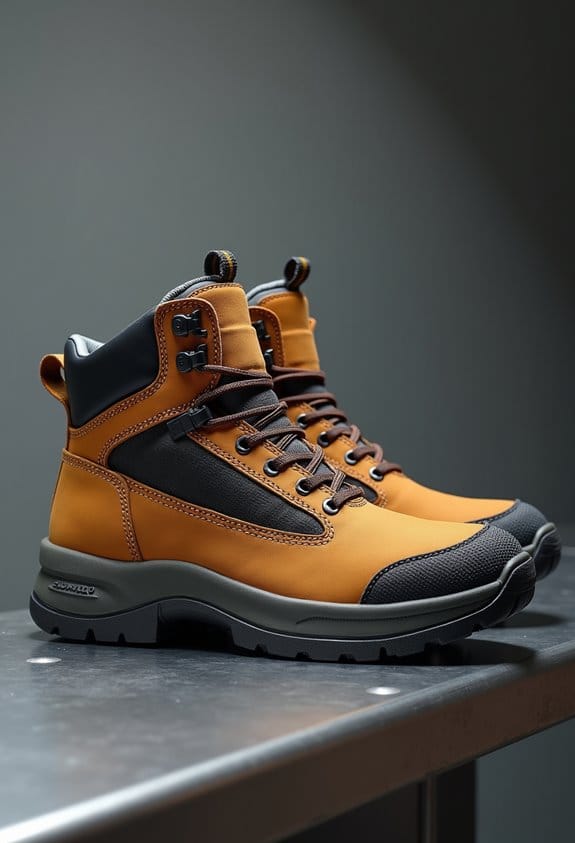
Understanding Slip, Oil, and Chemical Resistance in Industrial Footwear

Understanding slip, oil, and chemical resistance in industrial footwear helps you choose boots that guarantee safety and durability. Slip resistance relies on specialized tread patterns and rubber compounds to prevent falls on slick surfaces. Oil resistance uses materials like nitrile rubber to repel petroleum and maintain grip. Chemical resistance employs treated leather or advanced fibers to protect against corrosive substances. Proper maintenance, comfort, and weight also influence effectiveness and worker performance. Explore these features further to optimize your footwear selection.
Key Takeaways
- Slip-resistant boots use specialized treads and soft rubber to increase floor grip and meet EN ISO safety standards.
- Oil-resistant footwear employs nitrile rubber or treated leather to repel oil and maintain outsole integrity.
- Chemical-resistant boots feature treated leather and materials like TECtuff® and Kevlar® to protect against corrosion.
- Regular cleaning, inspection, and proper storage are essential to maintain slip, oil, and chemical resistance properties.
- Hybrid boots combine slip resistance and chemical protection, enhancing safety and worker efficiency in harsh environments.
Importance of Slip Resistance in Work Boots
Understanding the importance of slip resistance in work boots begins with recognizing the risks posed by slick surfaces in various industries such as food service, healthcare, and construction. Why is slip resistance key for your safety? Slip-resistant work footwear reduces accidents by improving grip on wet or oily floors, where slips commonly occur. What features contribute to effective slip resistance on wet surfaces? The sole material’s coefficient of friction and tread pattern design play major roles; softer rubber compounds and tread channels help to displace liquids. How does slip-resistant footwear fit into your personal protective equipment? It serves as a preventive measure, complementing other safety gear. To maintain protection, clean soles regularly and inspect tread wear, which guarantees continued slip resistance and workplace safety. Additionally, choosing shoes with appropriate tread patterns and reinforced toe caps can significantly enhance safety in demanding work environments.
How Slip-Resistant Soles Improve Workplace Safety

When slip-resistant soles are designed with specialized tread patterns and materials, how do they improve workplace safety? Slip-resistant boots enhance safety performance by increasing the coefficient of friction between the sole and floor, reducing the chance of slips and falls. Key features include:
- Tread patterns that channel water and debris away, maintaining better contact with surfaces.
- Materials like soft rubber and polyurethane that provide durable grip on wet or slick floors.
- Design compliance with EN ISO standards, ensuring tested and reliable slip resistance.
To maintain their effectiveness, these boots require regular cleaning and inspection for wear. By choosing slip-resistant boots with these features, you reduce accident risk and improve stability while working in challenging environments. Additionally, some shoes offer specialized slip-resistant outsoles that can reduce slip risks by up to 60% on wet and oily surfaces.
Recommended Products
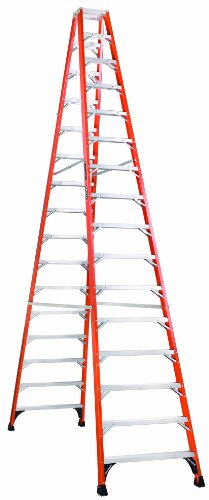
STURDY AND STRONG: With its 375-Pound capacity, elegant design and smooth finish, you won’t find a more durable, reliable ladder

Face NUBS are reinforced with rubber to resist crushing, maintaining high performance and extending product life

16″ 7 ounce oiled-leather top and foot
Key Features of Oil-Resistant Footwear

Slip-resistant soles are essential in maintaining traction on slick surfaces, but in industries where oil spills are common, footwear must offer additional protection against chemical exposure. What key features define oil-resistant work boots that enhance workplace safety?
- Constructed with materials like nitrile rubber or treated leather, these boots repel oil and prevent material breakdown.
- Outsoles resist oil absorption, retaining shape and grip during prolonged use in oily conditions.
- Durability guarantees boots withstand exposure to petroleum and various chemicals, avoiding swelling or damage.
- Compliance with standards such as EN 13832-2 guarantees rigorous testing for chemical resistance and performance.
- Proper cleaning and regular inspections preserve the boots’ protective properties over time.
In addition, the integration of non-slip rubber soles with deep tread patterns ensures maximum traction and reduces slip risks on oily and wet surfaces.
Recommended Products

10″ of 7-ounce black oil tanned leather

Triple reinforced ROUNDED bullnose front with non skid fiber pad backing.

Anti-Fatigue Technology: A comfort system designed with shock-absorbing, geometrical technology that returns energy back to the foot to deliver all-day support and comfort.
Material Technologies Behind Chemical-Resistant Boots

Although many types of work boots provide basic protection, chemical-resistant boots rely on advanced material technologies to safeguard against harmful substances. What materials offer effective chemical protection in these boots? Uppers often consist of nitrile rubber and treated leather, which act as strong barriers against corrosion. Why choose nitrile rubber? It resists oils and greases while preventing swelling and damage over time. What other materials enhance durability? Specialty options like TECtuff® leather and Kevlar® aramid fiber thread improve longevity. How is safety verified? Boots tested to EN 13832-2 standards show proven resistance to chemicals like hydrochloric acid and acetone. How can you maintain chemical-resistant boots? Regular cleaning and inspection keep protective features intact. Using these materials and care steps guarantees peak performance for chemical-resistant boots in industrial settings. Choosing boots made from injection molded PVC and triple density technology also enhances chemical resistance, durability, and comfort.
Comparing Traction and Durability of Slip and Oil-Resistant Boots

Understanding the differences in traction and durability between slip and oil-resistant boots helps you choose the best option for your work environment. What makes slip-resistant boots effective? They use softer rubber compounds and special tread patterns to improve traction on wet or slippery surfaces, as shown by testing methods like the Pendulum Test. How about oil-resistant boots? They feature materials that repel oil, maintain stability on petroleum substances, and resist chemical breakdown. Which lasts longer? Slip-resistant boots generally offer better durability, especially outdoors where abrasions occur. What about cost? Slip-resistant boots may cost more upfront due to advanced materials but often provide a longer lifespan, making them more cost-effective. To summarize, understanding these distinct features helps you balance traction needs with durability when selecting footwear. For instance, many top boots come with oil- and slip-resistant outsoles, enhancing both safety and longevity on the job.
Recommended Products

The 3M Nomad Scraper Mats have heavy-duty vinyl backing to help protect the floor underneath as well as to keep it dry.
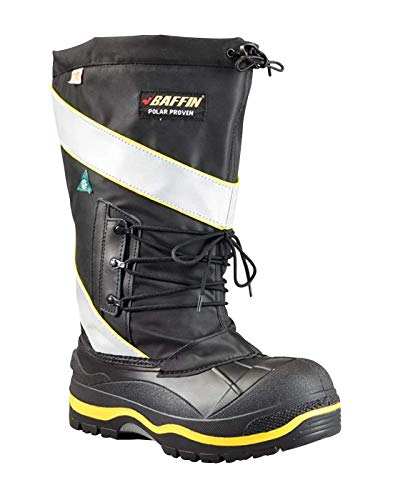
Temperature Rating: -100ºC/-148ºF
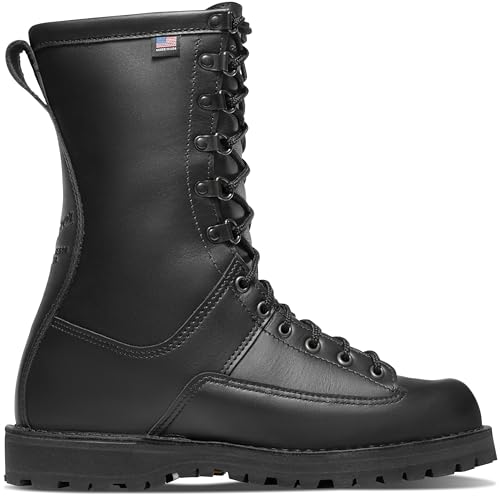
FULL-GRAIN POLISHABLE LEATHER UPPER crafted from smooth, durable leather for a sleek, professional look that lasts
Selecting the Right Industrial Boots for Specific Work Environments
Where should one begin when selecting industrial boots suited for specific work environments? First, consider the slip resistance rating, such as SRA, SRB, or SRC, to guarantee proper traction on slippery surfaces. Next, identify if oil-resistant boots or chemical-resistant footwear are necessary to protect against potential hazards and prevent material degradation. Assess the tread pattern: deep grooves suit outdoor settings, while tighter designs work better indoors. Material choice also matters; rubber provides superior slip resistance, while leather offers durability and comfort in chemical-heavy areas. Always verify compliance with safety standards like EN ISO 20345 or EN ISO 20347 to confirm the boots meet performance criteria. By following these guidelines, you can select industrial boots that best support safety and functionality in your specific work environment. Additionally, selecting boots with appropriate toe protection can significantly enhance safety depending on workplace hazards.
Recommended Products

NFPA 1951, NFPA 1971, NFPA 1977, NFPA 1990(1992), ASTM F2413 & CAN/CSA-Z195 certified

NFPA 1971, NFPA 1990(1992), ASTM F2413 & CAN/CSA-Z195 certified

205 Max Amps (up to 50 feet), Rated up to 600 volts, -58°F to +221°F (-50°C to +105°C)
Maintenance Practices to Prolong Boot Performance
To maintain slip resistance and extend the life of industrial boots, regular care routines are essential. What maintenance practices help preserve slip and oil resistance and extend their lifespan?
- Clean boots frequently with mild soap and water to remove dirt and grease that reduce traction.
- Inspect soles for wear and tread depth to guarantee proper slip resistance over time.
- Store boots in a cool, dry place, avoiding direct heat, which can damage materials and lessen protective qualities.
- Follow the manufacturer’s care instructions carefully to prevent damage to slip and oil-resistant features.
- Consider resolable construction, if available, to replace soles and extend their lifespan, reducing waste and maintaining functionality.
Additionally, using waterproofing treatments and conditioning can help preserve the waterproof material quality and overall protective performance of the boots.
Applying these maintenance practices helps boots perform reliably while lasting longer in demanding work environments.
Impact of Boot Weight and Comfort on Worker Efficiency
Boot weight and comfort substantially influence a worker’s efficiency, especially during long shifts or physically demanding tasks. How does boot weight affect performance? Heavier oil-resistant boots often cause foot fatigue and strain, slowing movement and reducing productivity. What role does comfort play? Comfort can improve with break-in time, helping workers maintain focus and lower injury risk. Why choose slip-resistant boots? They typically offer lightweight, flexible designs that enhance comfort and mobility, promoting better work output. To optimize efficiency:
- Select boots balancing oil resistance with manageable weight.
- Prioritize comfort to reduce distraction and fatigue.
- Consider slip-resistant models for enhanced flexibility and safer footing.
Understanding these factors helps you select footwear that supports sustained worker performance and well-being. Additionally, opting for boots with advanced cushioning technologies can significantly reduce foot fatigue and enhance comfort on hard surfaces.
Advances in Hybrid Footwear Combining Slip and Chemical Resistance
Several hybrid footwear models now combine slip resistance and chemical protection, offering extensive safety for workers in challenging environments. What makes hybrid footwear effective? They integrate materials like nitrile rubber for chemical protection and soft rubber compounds to enhance slip resistance on slick surfaces. How do these shoes maintain grip? Advanced tread designs channel liquids away while maintaining a high coefficient of friction, reducing slip hazards. Are they tested? Yes, hybrid footwear meets standards such as EN ISO 20347 for slip resistance and EN 13832-2 for chemical protection. Where are they used? These versatile boots suit food service, manufacturing, and automotive industries, where workers face both chemical exposure and slippery floors. Choosing hybrid footwear helps guarantee consistent protection and safety across multiple workplace risks. Leading brands also incorporate removable insoles to improve comfort and hygiene during long shifts.
Recommended Products

【Made in the USA】Crafted for optimal versatility and effortless maintenance, our 4' and 3’ wide rubber floor mat rolls, proudly manufactured in the USA, are a perfect addition to gyms, workout areas, and various commercial settings. These gym floor mats, designed for simple customization around walls, corners, and objects, offer a seamless padded surface with endless applications, making them ideal gym floor options.
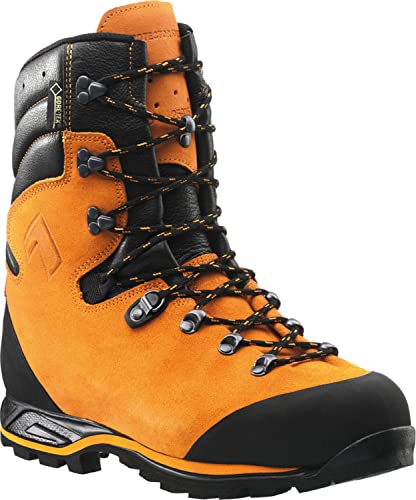
Enhanced Chainsaw Safety: Our boots are equipped with European Class 2 cut protection for chainsaw speeds up to 24m/s. Crafted from tough European bullhide leather and reinforced with a layer of cut-resistant material, they ensure durability and offer you vital seconds to react in case of unexpected chainsaw contact.

NFPA 1999 Certified for EMS & Independently UL certified for electrical hazard protection
Frequently Asked Questions
Can Slip-Resistant Boots Be Used in Wet and Icy Outdoor Conditions?
Maneuvering slick terrains gracefully, slip-resistant boots show varied success in wet and icy conditions. Slip performance evaluation combined with winter traction technology and rigorous boot material testing determines their suitability for such challenging environments.
How Do Temperature Fluctuations Affect Chemical-Resistant Boot Materials?
Temperature effects can degrade chemical-resistant boot materials, reducing material durability and compromising protective properties. Fluctuations may cause brittleness or softening, impacting performance standards. Proper selection and testing guarantee boots maintain integrity under variable conditions.
Are Oil-Resistant Soles Effective Against All Types of Industrial Oils?
Oil-resistant soles are not a universal shield; ironically, some oil types easily degrade certain sole materials. Effectiveness varies widely across industrial applications, making it essential to match footwear precisely to the specific oils encountered.
What Certifications Verify the Slip, Oil, and Chemical Resistance of Boots?
Certification agencies like ASTM International and ISO establish safety standards for slip, oil, and chemical resistance in boots. Testing methods include abrasion, chemical exposure, and slip resistance tests to verify compliance with these standards.
How Often Should Industrial Footwear Be Replaced to Maintain Safety Standards?
Replacement frequency for industrial footwear typically depends on wear and compliance with safety protocols. Regular footwear inspections are essential to identify damage or decreased resistance, ensuring timely replacement to maintain ideal protection and workplace safety standards.


