As an Amazon Associate, we earn from qualifying purchases. Some links on this site are affiliate links at no extra cost to you. Our recommendations are based on thorough research and editorial judgment.

How Clogs, Sneakers, and Lace‑Up Styles Compare for Service Work

Clogs, sneakers, and lace-up shoes each suit service work with unique features. Clogs offer durable, water-resistant construction with roomy toe boxes and good arch support for comfort. Sneakers provide breathable materials, extensive cushioning, and slip-resistant soles, enhancing agility and reducing fatigue. Lace-up styles allow customizable fit and heel stability, often made from durable leather, though requiring more maintenance. Understanding these differences helps you select footwear balancing comfort, safety, and durability for your work environment—explore further to identify the ideal option for your needs.
Key Takeaways
- Clogs offer roomy toe boxes, arch support, and are durable, water-resistant, but may lack heel stability compared to other styles.
- Sneakers provide superior cushioning, breathability, lightweight design, and excellent slip resistance for enhanced comfort and mobility.
- Lace-up styles allow customizable fits and heel security, often using durable leather, but can be less convenient for quick wear.
- Clogs and sneakers typically require low maintenance with easy cleaning, while lace-up materials vary in upkeep complexity.
- Price-wise, clogs are a higher investment with long durability; sneakers balance moderate cost and comfort, lace-ups vary by material quality.
Essential Features for Footwear in Service Roles

When selecting footwear for service roles, what essential features should you consider to guarantee safety and comfort throughout long shifts? Shoes must offer reliable slip-resistant soles to prevent accidents on wet floors. Comfort and support are essential, with adequate arch support and cushioning to reduce fatigue during extended standing or walking. Breathability is necessary to maintain dry, odor-free feet; many sneakers feature mesh uppers for this reason. Durability and easy to clean materials are important, especially in spill-prone service environments, making clogs highly practical. Additionally, fit plays an important role in stability: lace-up styles allow customizable adjustment for a secure feel, minimizing slippage compared to slip-ons. Selecting shoes balancing these qualities guarantees practical and safe footwear for demanding service work. It is also crucial to consider slip resistance ratings to ensure optimal safety on various slippery surfaces.
Comfort and Fit Considerations

Comfort and fit are important aspects that influence how well footwear performs during long service shifts. How do clogs, sneakers, and lace-up styles compare in these areas?
- Clogs provide comfort through a roomy toe box and arch support, helping reduce fatigue during extended wear. Their breathability can also improve with ventilated designs.
- Sneakers offer cushioning technologies that enhance foot support and breathability, which help regulate temperature throughout the day.
- Lace-up styles excel in fit customizability, allowing you to adjust tightness for better heel security and reduced slippage.
What guarantees comfort across all styles? Achieving a proper fit is essential; shoes should be snug but not tight, preventing discomfort and supporting your feet during long hours of standing. Additionally, choosing footwear with supportive cushioning can significantly reduce fatigue during long shifts.
Support and Stability Across Footwear Types

Support and stability are key factors to contemplate when choosing footwear for service work, as they directly impact your safety and endurance during shifts. How do clogs, sneakers, and lace-up styles differ in these aspects?
- Clogs provide sturdy construction with excellent arch support and stability, suitable for long hours standing or walking.
- Sneakers offer extensive cushioning and shock absorption, enhancing comfort and reducing fatigue.
- Lace-up styles enable a customizable fit, securing the foot to improve stability and prevent slippage during quick movements.
- Non-slip soles on many clogs and sneakers increase traction, reducing the risk of slips on wet surfaces.
Choosing footwear with proper support and stability helps minimize foot injuries and maintain comfort throughout service work tasks. Additionally, features like ankle support and height in lace-up boots significantly contribute to preventing instability and enhancing mobility during demanding activities.
Durability and Material Quality Comparison

Durability remains a critical consideration when selecting footwear for service work, as it affects both the longevity and cost-effectiveness of your purchase. How do clogs, sneakers, and lace-up styles compare in durability and material quality?
- Clogs offer excellent durability with water-resistant, sturdy surfaces that require low maintenance and last several years.
- Sneakers often include reinforced toes, cushioning, and shock absorption but may need careful upkeep to maintain slip-resistant soles and appearance.
- Lace-up styles vary in durability depending on materials; leather versions generally last longer but may lack full water resistance.
- High material quality in all three enhances longevity, combining slip-resistant technology with cushioning for comfort.
To select effectively, consider your work environment’s demands and maintenance ability to maximize footwear lifespan. Additionally, choosing boots made with injection molded PVC or rubber significantly improves resistance to harsh chemicals and overall durability for demanding service work environments.
Advantages of Sneakers for Service Workers

When service workers require footwear that balances mobility with safety, sneakers often present a practical solution due to their specialized design features. What makes sneakers beneficial for service workers?
- Extensive cushioning in sneakers provides arch and heel support, reducing foot fatigue during long shifts.
- Many sneakers use breathable materials that help regulate foot temperature, increasing comfort throughout busy hours.
- Slip-resistant soles with structured tread patterns offer traction and stability, lowering the chance of slipping on slick surfaces.
- Lightweight designs improve mobility and agility, which is essential for quick, efficient movement.
- Besides comfort and support, sneakers are durable and often competitively priced, making them a cost-effective choice.
In addition, features like molded footbeds and adjustable closures enhance customized comfort and stability, vital for long shifts.
Benefits of Wearing Clogs at Work
While sneakers excel at providing comfort and agility, clogs offer a distinct set of advantages that suit service workers who prioritize foot space and durability. What benefits do clogs provide? First, clogs feature a roomy toe box and reliable arch support, which help reduce fatigue during long shifts in service work environments. How do clogs enhance safety and hygiene? They often have slip-resistant soles for better traction on slippery surfaces and are made from durable materials that are easy to clean, maintaining cleanliness. Do clogs support natural movement? Yes, their rocker-bottom design promotes a natural walking motion that lessens foot and leg strain. Are clogs a wise investment? Given their lengthy lifespan and resilience, clogs are a cost-effective investment for frequent service industry use. Additionally, clogs are designed with features like slip-resistant treads that significantly reduce the risk of accidents in fast-paced work environments.
Practicality of Lace-Up Shoes in Fast-Paced Environments
Lace-up shoes offer considerable practicality for workers in fast-paced service environments by delivering a combination of stability, comfort, and safety. Why choose lace-up shoes for fast-paced work? Consider these factors:
- Secure fit: Lace-up shoes provide a customizable fit that enhances ankle support and reduces the risk of unwanted slippage during movements.
- Comfort during long shifts: Cushioned insoles and breathable materials help maintain comfort and moisture control throughout extended wear.
- Arch support: Proper arch support reduces fatigue and promotes foot health for workers standing long hours.
- Grip on slippery surfaces: Many lace-up shoes include advanced slip-resistant outsoles that improve traction on wet or slick floors.
Selecting lace-up shoes with these features can enhance your performance and safety in demanding service settings. Additionally, choosing models with ASTM and CE safety certifications ensures compliance with important industry safety standards.
Safety Features and Slip-Resistance in Footwear
Because slip-resistance and safety are critical in service work footwear, understanding key features can help you choose the best option. What safety features impact slip-resistance in different shoe types?
- Clogs often include slip-resistant rubber outsoles, offering strong traction on wet or oily floors, reducing accident rates in kitchens or hospitals.
- Sneakers designed with structured tread patterns and shock absorption help prevent slips and provide comfort during long shifts.
- Lace-up styles give better ankle support and a customizable fit, which enhances stability and lessens the chance of slipping during fast-paced tasks.
Why are rubber outsoles important? They improve traction and sometimes meet certified slip-resistance standards essential for safety in service work environments. Selecting footwear with tested slip-resistance features decreases workplace accidents considerably. Additionally, reinforced toes in some shoe designs provide extra protection in high-risk environments.
Hygiene and Maintenance Requirements
Maintaining hygiene in service footwear is vital to support workplace safety and comfort alongside slip-resistance features. How do hygiene and maintenance vary among clogs, sneakers, and lace-up styles?
- Clogs usually feature liquid-resistant and easy-to-clean materials. You can wipe them down quickly, preventing bacterial growth and aiding odor prevention.
- Sneakers often require more care; some models are machine washable, while others need spot cleaning. Regular washing and sanitization routines help maintain hygiene.
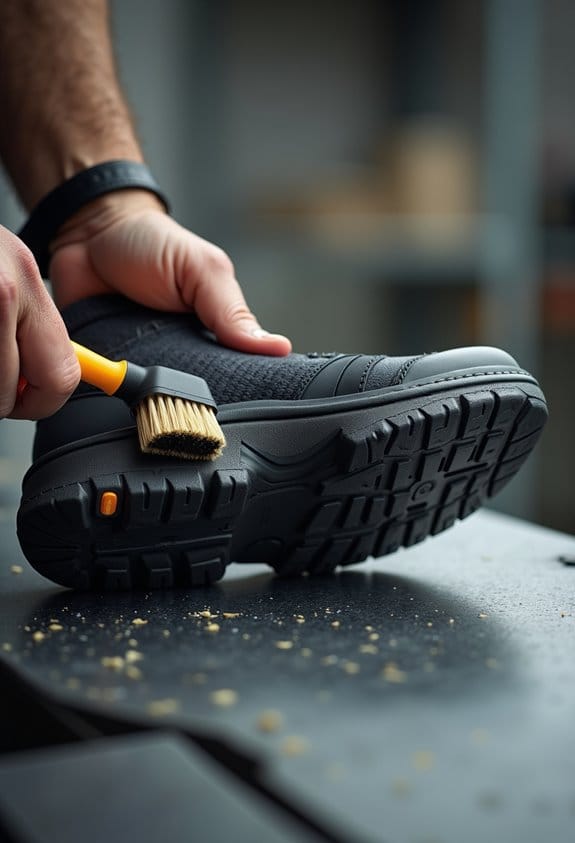
- Lace-up shoes have different materials; leather sections can be wiped clean, but fabric areas may need deeper cleaning to remove stains.
- Slip-resistant soles in clogs and sneakers are designed for easy sanitization, enhancing safety.
Following proper cleaning routines based on your shoe’s material guarantees effective odor prevention and reduces bacterial growth risks. Additionally, incorporating cleaning and conditioning practices can prolong the durability of footwear materials, keeping them in optimal condition.
User Feedback and Experience Insights
How do users perceive the practical benefits of clogs, sneakers, and lace-up shoes in service work environments? User feedback shows clogs are favored for their comfort, convenience, and durability, especially models like Dansko that offer excellent arch support. Sneakers, such as ASICS and New Balance, are popular for their superior cushioning, slip-resistant soles, and enhanced mobility during long shifts. Lace-up styles provide customizable support but are less convenient, as tying them may slow workers in fast-paced tasks. Consider these factors when choosing shoes:
- Clogs: easy slip-on, reliable support, may lack heel stability.
- Sneakers: excellent shock absorption, high slip-resistance, good for mobility.
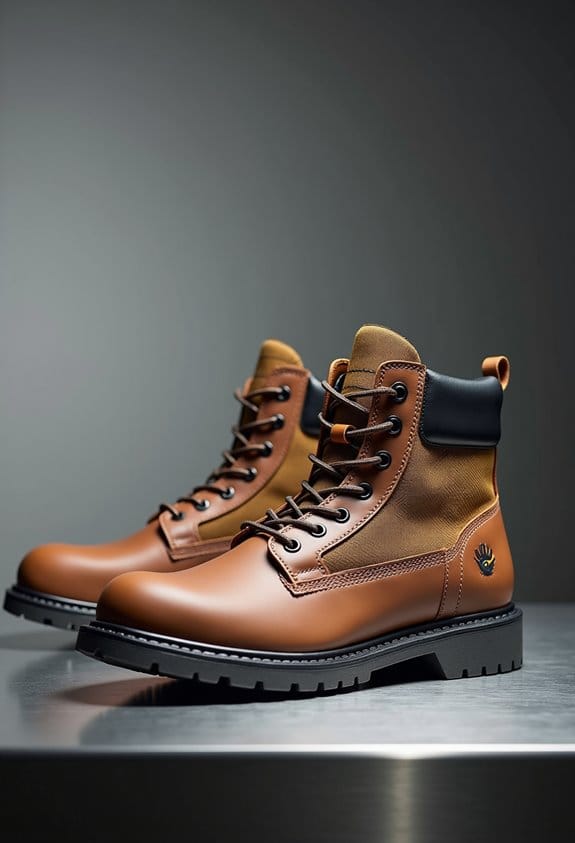
- Lace-up styles: adjustable fit, potentially restrictive, slower to put on.
It is also important to prioritize shoes with memory foam or gel insoles for better comfort and reduced foot fatigue during extended wear.
Price, Value, and Longevity Analysis
Three main footwear types—clogs, sneakers, and slip-ons—present distinct price points, value propositions, and longevity for service workers. How does price affect your choice? Clogs tend to have a higher price due to durable materials and ergonomic design, making them a solid long-term investment. Sneakers, such as the New Balance FuelCore Nergize V1, offer moderate prices and good durability, but may last only months to a year depending on use. What about slip-on shoes? They usually cost more and have shorter longevity but provide quick adjustments useful in service work. Considering durability and foot health, clogs and sneakers excel, while slip-ons require more maintenance. Ultimately, evaluating price against longevity helps balance initial cost with ongoing value and durability based on your work demands.
Style and Aesthetic Factors in Work Footwear
Although functionality remains a priority in service footwear, style and aesthetics considerably influence worker satisfaction and compliance with dress codes. How do different styles meet these needs?
- Clogs offer a professional appearance suitable for kitchen and front-of-house roles, also allowing vibrant colors or patterns for personal style.
- Sneakers attract younger service workers who value comfort and casual style while maintaining slip resistance for safety.
- Lace-up styles provide a classic, formal look, ideal for uniforms, and accommodate orthotics for added support.
What common factors unify these styles? Modern clogs, sneakers, and lace-ups integrate functional elements like cushioning and slip resistance without sacrificing aesthetic desires. This balance helps service workers achieve comfort, style, and professional appearance simultaneously while following workplace dress codes.
Frequently Asked Questions
Do Podiatrists Recommend Clogs?
Podiatrist recommendations often favor clogs due to clog benefits like foot support, arch stability, and shoe comfort. These enhance foot health, injury prevention, and work efficiency in daily wear, while accommodating varied style preferences in service workers.
What Are the Best Shoes for Healthcare Workers?
The best shoes for healthcare workers combine comfort features, arch support, slip resistance, and durability factors with breathable materials. Weight considerations, style preferences, price range, foot health, and versatility options also influence ideal footwear selection in clinical settings.
What Is the Difference Between a Lace-Up and a Slip on Sneaker?
Lace-up benefits include fit adjustments, enhanced support levels, and superior arch support, making them ideal for work appropriateness. Slip-on convenience favors quick wear and breathability features, appealing to fashion trends and practical uses with diverse style options.
Are Clogs Good for Standing All Day?
Like gentle clouds beneath weary feet, clogs provide exceptional arch support and cushioned soles that ease foot fatigue. Their ideal heel height, slip resistance, material breathability, and durability testing guarantee foot alignment and comfort levels suit varied style preferences.