As an Amazon Associate, we earn from qualifying purchases. Some links on this site are affiliate links at no extra cost to you. Our recommendations are based on thorough research and editorial judgment.


Common Misconceptions About Rubber Soles and Electrical Protection

Many assume rubber soles always protect against electric shock, but this depends on several factors. You should know that only pure, undamaged rubber soles resist electricity well. Moisture, dirt, and cracks reduce insulation. Regular rubber shoes often lack safety certifications like ASTM F2413, which confirm tested electrical protection. Wearing certified electrical-rated footwear following safety standards is essential. Understanding these details helps you make safer choices when selecting shoes for electrical environments, and further information clarifies these important distinctions.
Key Takeaways
- Rubber soles often lack pure insulation and may not protect against high-voltage electrical hazards.
- Moisture and dirt on rubber soles significantly reduce their electrical insulating properties.
- Regular rubber footwear generally does not meet ASTM F2413 or other electrical safety certifications.
- Cracks and wear in rubber soles compromise their ability to insulate against electricity.
- Only certified electrical-rated footwear with proper markings provides reliable protection from electrical hazards.
How Rubber Soles Work as Electrical Insulators
Although rubber soles are often believed to provide full electrical protection, their insulating ability depends on several key factors. How do rubber soles act as electrical insulators?
- Rubber soles must be made of pure rubber, without any impurities or damage, to effectively block electrical currents.
- Moisture considerably reduces their insulating power by creating a conductive path for electricity.
- Wear and tear can cause cracks or thinning, compromising protection.
- Rubber soles offer limited protection and should not be the only safety measure against electrical hazards.
- Footwear must meet relevant electrical standards for your specific work environment.
- Always inspect soles regularly to check for damage or moisture.
- For optimal safety, shoes should have ASTM F2413 certification ensuring electrical resistance compliance.
Recommended Products

NFPA 1951, NFPA 1971, NFPA 1977, NFPA 1990(1992), ASTM F2413 & CAN/CSA-Z195 certified

10 inch tall 2.8mm thick full grain leather uppers

NFPA 1971, NFPA 1990(1992), ASTM F2413 & CAN/CSA-Z195 certified
Limitations of Rubber-Soled Footwear in Electrical Safety

Rubber-soled footwear can help reduce the risk of electrical shock, but it does not provide complete protection on its own. What are the limitations of rubber soles in electrical safety?
- Not all rubber soles are made from 100% pure rubber, and many lack proper insulation for protection against high voltage.
- Wear and tear can damage soles, compromising their insulation and creating unsafe conditions.
- Dirt, water, and contaminants reduce the rubber’s ability to block electricity.
- Misconceptions often lead people to rely solely on rubber shoes without proper maintenance or inspections.
- For effective protection, you must use rubber-soled footwear alongside other personal protective equipment (PPE).
- Regular maintenance and evaluation guarantee the footwear remains safe and functional.
- It is also important to consider impact-absorbing soles that help protect joints during demanding physical work, enhancing overall safety.
Recommended Products

Anti-Fatigue Technology: A comfort system designed with shock-absorbing, geometrical technology that returns energy back to the foot to deliver all-day support and comfort.

VERSATILE TRACTION: Includes one pair of OmniTrax 3.0 Interchangeable Soles for customized traction on the fly: 90 Degree Sole

Anti-Fatigue Technology: A comfort system designed with shock-absorbing, geometrical technology that returns energy back to the foot to deliver all-day support and comfort.
Differentiating Between Regular and Electrical-Rated Footwear

How can you tell if footwear is truly safe for electrical work? Regular rubber soles may look protective but lack proven electrical protection unless specifically tested. Electrical-rated footwear meets ASTM standards that verify it can resist high voltages without conducting electricity. Key differences include:
- Electrical-rated footwear has strong dielectric properties, essential for preventing electric shock.
- Insulated footwear displays clear safety ratings, like ASTM F2413, indicating tested voltage protection.
- Regular rubber soles do not have these safety ratings, which creates a false sense of safety during electrical tasks.
- Over time, the dielectric properties in soles can degrade due to wear or environment, reducing protection.
Choosing electrical-rated, insulated footwear guarantees you are properly protected against electrical hazards, unlike standard rubber soles that lack certified safety features. Additionally, it is important to choose boots that meet ANSI standards to ensure reliable and tested electrical protection.
Recommended Products

205 Max Amps (up to 50 feet), Rated up to 600 volts, -58°F to +221°F (-50°C to +105°C)
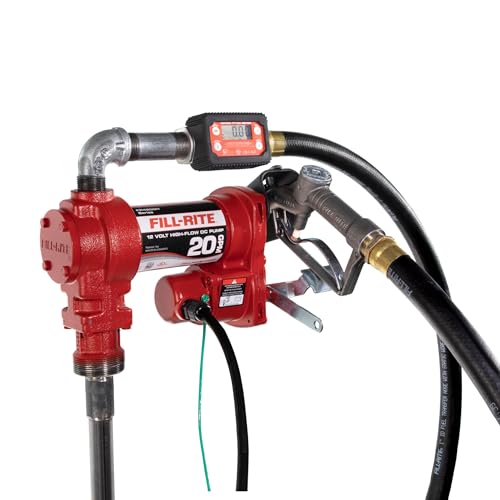
DEPENDABLE & DURABLE PUMP: Made with durable cast iron construction to withstand rough operating environments, every 4200 series pump includes a limit lifetime warranty.

Low Profile High Speed Direct Drive Centrifugal Upblast Exhaust Fan with speed control, disconnect switch and 13-3/4" wheel.
Safety Standards and Certifications for Electrical Protective Footwear
When selecting footwear designed to protect against electrical hazards, understanding the relevant safety standards and certifications is essential for ensuring proper protection. What safety standards apply to electrical protective footwear? ASTM standards, such as ASTM F2413, set requirements to confirm insulation and dielectric properties at specific voltages, often 18 kV or higher. How is compliance verified? Certification markings, including the EH symbol, indicate that footwear meets electrical hazards criteria. Why inspect footwear regularly? Wear and tear can reduce insulation effectiveness, so the soles, especially rubber, must remain intact and pure to maintain dielectric protection. Who needs this footwear? Workers exposed to energized conductors require footwear certified under these safety standards to comply with industry regulations and reduce the risk of electric shock in hazardous environments. Additionally, regular inspections for cracks and worn soles are critical to ensure ongoing electrical protection and to determine when boots should be replaced.
Recommended Products

10" tall leather uppers made from 2.8 mm full grain leather feature double and triple stitching throughout for added durability

Chainsaw Cut Protection: Get the highest level of safety for your feet with European Class 2 cut protection. Durable European bullhide leather and an extra layer of cut-resistant material provide both long-lasting wear and extra time to react in case of unexpected chainsaw contact.
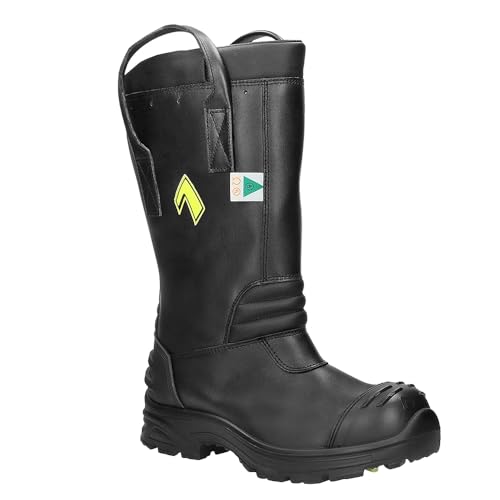
Certified to NFPA 1971, NFPA 1990 (1992), ASTM F2413 & CAN/CSA-Z195
Best Practices for Selecting and Using Footwear in Electrical Environments
Although footwear with rubber soles may offer some insulation, selecting footwear specifically designed and certified for electrical environments is essential to guarantee adequate protection. How can you confirm your footwear meets electrical safety requirements? Follow these best practices:
- Choose certified footwear with standards like ASTM or IEC, confirming it can protect against specific voltage levels.
- Understand that rubber shoes protect only if made of 100% pure rubber and maintained without wear and damage.
- Perform regular inspections to detect cuts, cracks, or abrasions that reduce insulation against electrical hazards.
- Combine footwear use with proper training and thorough safety protocols to improve overall electrical safety measures.
- Additionally, select boots featuring ASTM electrical hazard (EH) standards to ensure reliable protection against electric shock.
Recommended Products

Complete CAT 4 Protection: Stay protected while navigating electrical environments with our Arc Flash Kit, featuring a large 40 Cal FR bib overall, coat, class 2 rubber voltage gloves, face shield, safety glasses, gear bag, and tools

KIT INCLUDES: 12 cal/cm² Arc Rating, HRC 2, FR coat with bib overall, Class 0 Rubber Voltage Gloves, 10" Leather Glove Protectors, Glove Bag, Hard Hat with Arc Flash Faceshield & Chin Cup, Safety Glasses, Faceshield Bag, Gear Bag. Offering convenient protection in 1 bag!

KIT INCLUDES: 12 Cal FR Coverall, Class 0 Rubber Voltage Gloves, 10" Leather Glove Protectors, Glove Bag, Hard Hat with Arc Flash Faceshield & Chin Cup, Safety Glasses, Faceshield Bag, Gear Bag. Offering convenient protection in 1 bag!
Frequently Asked Questions
Can Rubber Soles Prevent Static Electricity Discharge on Sensitive Electronics?
Rubber soles alone provide limited static control and discharge prevention for sensitive electronics. Effective electronics protection requires specific ESD footwear types, grounding methods, and adherence to industry standards and safety practices to mitigate electrostatic discharge risks.
Do Rubber-Soled Shoes Need Regular Inspection for Electrical Safety?
Rubber-soled shoes require regular inspection to guarantee workplace safety. Inspection frequency depends on shoe maintenance, wear signs, and rubber quality. Footwear certification and adherence to safety standards confirm durability, electrical conductivity resistance, and proper usage of materials.
How Does Moisture Affect the Insulation Properties of Rubber Soles?
Moisture impact reduces insulation performance by increasing electrical conductivity in rubber soles. Wet conditions accelerate rubber degradation, compromising footwear safety. Environmental factors necessitate regular maintenance tips and testing methods to preserve essential rubber characteristics and safety levels.
Are All Types of Rubber Equally Effective Against Electrical Hazards?
Not all rubber types exhibit equal insulation capacity; electrical conductivity varies due to manufacturing processes, temperature resistance, and chemical resistance. Durability concerns, grounding issues, and adherence to industry standards and safety regulations critically influence effectiveness against electrical hazards.
Can Rubber Soles Protect Against High-Voltage Electrical Shocks?
Rubber soles alone cannot reliably protect against high voltage risks. Effective electrical safety requires rubber insulation meeting specific voltage ratings, adherence to footwear standards, appropriate material properties, and proper grounding techniques in industrial applications for personal protective measures.


