As an Amazon Associate, we earn from qualifying purchases. Some links on this site are affiliate links at no extra cost to you. Our recommendations are based on thorough research and editorial judgment.


How Electrical Hazard (EH) Rated Boots Protect Workers on Site

Electrical hazard (EH) rated boots protect workers by using thick, non-conductive soles that resist up to 18,000 volts, preventing electrical current from passing through the body. These boots meet ASTM F2413 standards and feature slip-resistant outsoles to reduce fall risks near energized equipment. Workers in construction, electrical, and utility fields rely on EH boots for secondary shock protection, but must inspect them regularly for damage and replace them periodically to maintain effectiveness. More details clarify their essential role across industries.
Key Takeaways
- EH-rated boots use non-conductive soles to prevent electrical current from traveling through the wearer’s body.
- They withstand up to 18,000 volts at 60 Hz for one minute, ensuring temporary protection from electrical shocks.
- OSHA requires EH boots near live circuits, reducing electrical shock risks in construction, electrical, and utility work.
- Slip-resistant, cushioned soles increase stability and comfort, minimizing accident risks caused by slips or fatigue.
- Regular inspection and ASTM certification confirm boots maintain insulating properties for consistent on-site electrical safety.
Understanding Electrical Hazard (EH) Ratings
Although many types of safety footwear exist, Electrical Hazard (EH) ratings specifically indicate that boots comply with important standards like ASTM F2413 in the U.S. and CSA Z195 in Canada to help protect wearers from electrical shock. What does this mean for you? Electrical Hazard boots are tested to withstand up to 18,000 volts at 60 Hertz for one minute without leaking current, ensuring protection in dry conditions. These boots provide secondary protection against electrical hazards but do not replace primary safety gear like insulating gloves. How can you be sure your boots are genuine? True EH certification is marked on the footwear. Finally, regularly inspect your boots for damage, as wear can reduce their ability to protect against electrical shocks on the job. Choosing boots with composite toe caps enhances electrical resistance while maintaining lightweight comfort for longer wear.
Key Industries That Require EH-Rated Boots
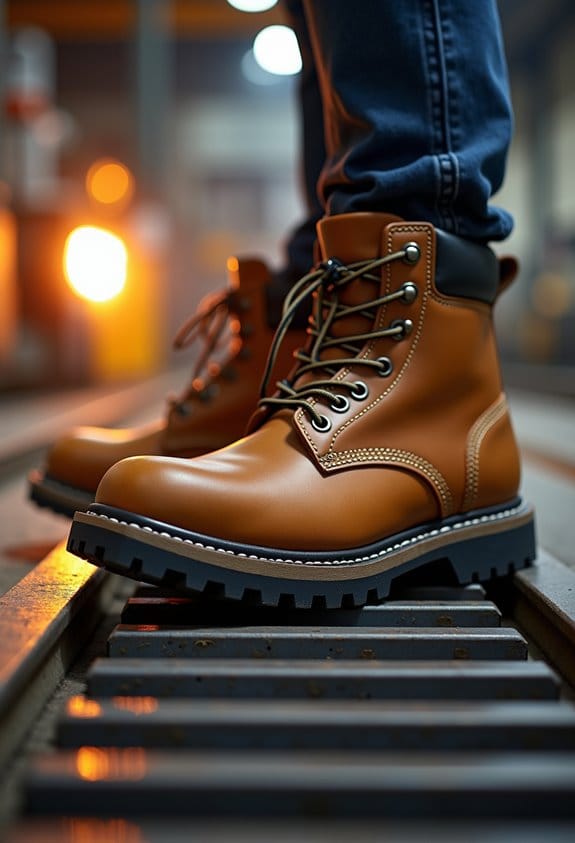
Electrical Hazard (EH) rated boots serve a specific role in protecting workers across various fields where electrical exposure is a risk. Which industries require EH-rated boots for workplace safety? Key sectors include:
- Electricians, who face risks from live circuits and wiring that can cause electric shocks.
- Construction workers, exposed to temporary power sources and unfinished electrical systems onsite.
- Utility workers, managing overhead power lines and underground cables in hazardous environments.
- Warehouse staff, working near battery charging stations and electrical equipment.
- Maintenance teams, handling energized lighting and machinery during repairs.
In all these settings, EH-rated boots help prevent electrical currents from passing through the feet, reducing injury risks. Workers in hazardous environments rely on these boots for essential protection, highlighting their important role in maintaining workplace safety. Proper use of EH boots with non-conductive rubber soles is crucial to ensure effective electrical hazard protection.
The Science Behind EH-Rated Boot Protection
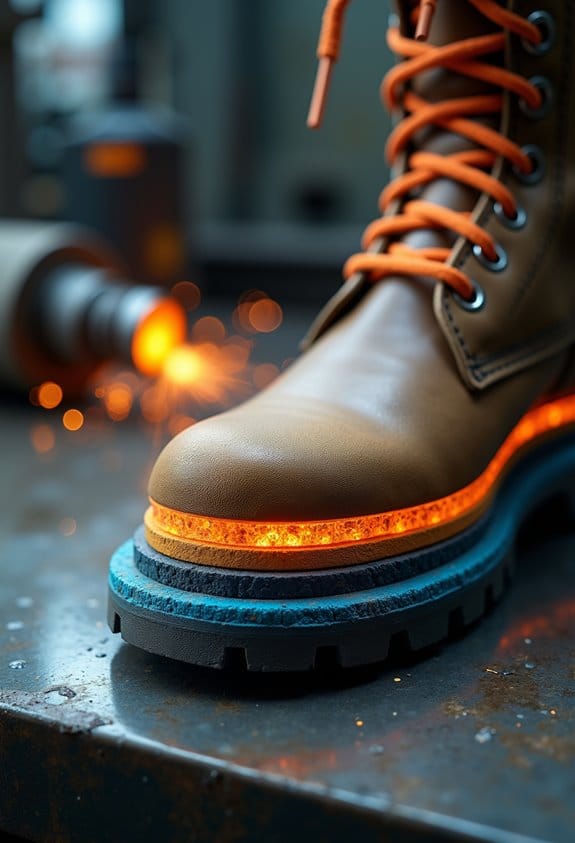
Several critical design features enable EH-rated boots to protect you from electrical hazards effectively. How do EH rated boots prevent electrical shock? They are made from non-conductive materials that stop electricity from passing through the sole to your body. What protects you from high voltage? The soles and heels serve as insulators, designed to handle up to 18,000 volts at 60 hertz for one minute under dry conditions. Are these boots tested? Yes, they meet or exceed ASTM standards for electrical hazard resistance, ensuring a secondary layer of protection beyond other safety measures. Why maintain inspections? Regularly checking for worn soles or damage is essential because compromised materials reduce your boots’ ability to shield you from electrical risks effectively. It is also important to replace your boots every 6 to 12 months or sooner if any damage is found to maintain optimal electrical insulation.
Critical Features of EH-Rated Footwear

Understanding the critical features of EH-rated footwear is imperative for maintaining safety in environments with electrical hazards. What makes EH-rated work boots effective? They are designed to provide secondary protection from electric shock by using non-conductive materials that block electrical currents. Key features include:
- Outsoles made from thick, non-conductive rubber that insulate against electricity.
- Ability to withstand up to 18,000 volts at 60 Hertz for one minute under dry conditions, as tested by ASTM standards.
- Slip-resistant soles to prevent falls on various surfaces.
- Proper fit guarantees comfort and stability, reducing fatigue during long work hours.
Many high-quality EH boots also incorporate comfort and support features such as removable sock liners and cushioned insoles to ensure all-day wearability without compromising safety.
How do these features contribute to electrical safety? Each element reduces risk by preventing electrical current flow and improving worker focus, making EH-rated boots a crucial component of personal protective equipment on site.
The Role of ASTM Certification in EH Boots
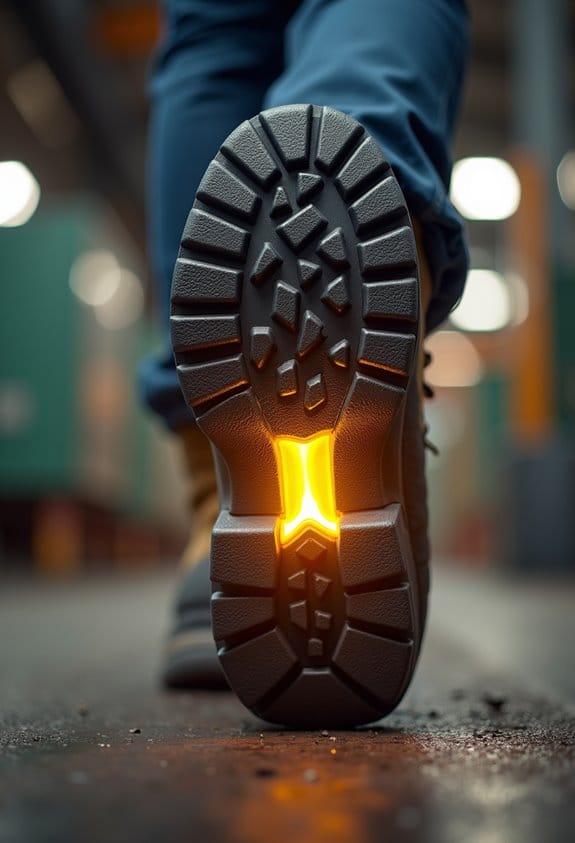
Why is ASTM certification essential when selecting EH-rated boots for work environments involving electrical hazards? ASTM certification guarantees that safety footwear meets strict standards, such as ASTM F2413 in the U.S. To earn this certification, boots must withstand up to 18,000 volts for one minute without conducting electricity, confirming their reliable protection against electrical shock. Key points about ASTM-certified EH boots include:
- Use of non-conductive materials in soles to block electrical currents
- Rigorous testing of materials and construction for electrical hazard resistance
- Function as a secondary safety measure, complementing gloves and lockout/tagout procedures
- Presence of ASTM certification markings certifies boots have passed electrical hazard tests.
Selecting ASTM-certified EH boots helps protect workers by reducing electrical shock risks with proven safety footwear standards. Additionally, these boots often feature slip-resistant soles to enhance safety on slippery surfaces often found at worksites with electrical hazards.
Differentiating Eh-Rated Boots From Other Safety Footwear
Although many types of safety footwear offer basic protection on work sites, EH-rated boots specifically provide electrical hazard resistance that is not found in regular boots. How can you tell the difference between EH boots and others? Consider these key points:
- EH-rated boots are tested to withstand up to 18,000 volts, offering essential protection against electrical hazards.
- They must be certified under ASTM F2413 or CSA Z195 standards to guarantee dependable electrical protection.
- Unlike dielectric footwear, EH boots protect only in dry environments and are secondary protection alongside gloves or lockout procedures.
- You should check for certification markings to verify boots are truly EH-rated and not just general safety footwear.
- Regular boots lack this electrical resistance, increasing risk when working near live electrical circuits.
- Additionally, non-conductive soles prevent electrical shock by ensuring no current passes through the boots during contact with energized sources.
How to Properly Maintain Your EH-Rated Boots
To keep your EH-rated boots functioning safely and effectively, regular care and maintenance are essential. How should you maintain these boots?
- Inspect boots frequently for damage, focusing on the sole and heel where insulation may thin or crack.
- Clean your boots after use, especially if exposed to hazardous materials, to preserve electrical safety properties.
- Store the boots in a cool, dry place away from sunlight, preventing breakdown of non-conductive materials.
- Follow the manufacturer’s washing and drying instructions carefully, as improper care can weaken the boots’ electrical resistance.
- Replace boots promptly if any integrity issues develop or after significant wear, ensuring continued protection against electrical hazards.
Consistent maintenance safeguards your electrical safety on-site, extending the boots’ effectiveness in hazardous environments. Additionally, choosing boots that meet ASTM F2413 standards ensures they provide reliable Electrical Hazard protection over time.
Common Misconceptions About EH-Rated Boots
Several common misconceptions surround EH-rated boots, often leading to improper use or misunderstanding of their protection level. What are some typical myths about these boots?
- Are steel-toed EH-rated boots unsafe? No, they are fully encased in non-conductive material providing electrical protection.
- Are EH-rated boots only for electricians? No, industries like construction and maintenance also face electrical risks needing such protection.
- Do EH-rated boots make you invincible? No, they complement but do not replace essential safety measures, such as lockout/tagout and insulated gloves.
- Are all “shock-proof” boots adequately protective? No, genuine electrical hazard protection requires ASTM certification (F2413).
- Are EH-rated boots enough for all electrical work? No, they are secondary protection and unsuitable for live-line tasks compared to insulated boots.
Understanding these facts helps you use EH-rated boots correctly and safely. Additionally, choosing boots with features like ASTM-certified composite toes enhances both electrical and physical protection for workers on site.
The Importance of Slip Resistance in EH Footwear
After understanding the limitations and proper use of EH-rated boots for electrical safety, attention must also be given to their ability to prevent slips. Why is slip resistance essential in EH-rated footwear? Slip-resistant outsoles provide better traction on slippery surfaces like wet concrete or uneven terrain, common on many job sites. How does this relate to worker safety? According to OSHA guidelines, slip and fall accidents are among the leading causes of workplace injuries, emphasizing the need for slip-resistant features. What specific benefits do EH-rated boots offer? Some boots include specialized slip-resistant treads that reduce fall risks, combining electrical hazard protection with enhanced grip. This dual protection supports worker safety by preventing both electrical shocks and slip-related injuries in hazardous environments. Additionally, boots with vulcanized rubber outsoles and cleated designs enhance traction and oil resistance, further improving safety on various surfaces.
Trusted Brands Offering EH-Rated Boots
Although many companies produce safety footwear, certain trusted brands stand out for their reliable electrical hazard (EH) rated boots, meeting strict ASTM standards to guard you from workplace electrical risks. Which brands offer EH-rated work boots designed to protect against electrical hazards?
- Justin Boots focus on safety, durability, and comfort, crafting EH-rated boots suited for construction and electrical work.
- Chippewa Boots combine safety features with stylish designs, appealing to workers wanting protection and aesthetics.
- Tyndale offers a variety of ASTM standards-compliant EH boots, suitable for different workplace environments.
Why is verification important? All these brands emphasize confirming EH certification to guarantee genuine electrical hazard protection when selecting your work boots. Additionally, selecting boots with ASTM certifications ensures compliance with rigorous safety and performance standards.
Integrating EH Boots Into Workplace Safety Programs
Integrating electrical hazard (EH) rated boots into workplace safety programs reinforces protective measures against electrical risks while supporting regulatory compliance. How can you effectively include EH-rated boots in safety programs?
- Guarantee all workers near live electrical circuits wear EH-rated boots as required by OSHA regulations.
- Provide regular training sessions to increase awareness about electrical hazards and the importance of protective footwear.
- Implement a managed footwear program that supplies and replaces EH-rated boots, promoting consistent use and reducing shock risk.
- Use clearly labeled EH-rated boots to help workers identify and select appropriate protective footwear quickly.
- Conduct routine inspections to maintain the boots’ condition, guaranteeing ongoing electrical hazard protection.
Frequently Asked Questions
How Do Electrical Hazard Boots Work?
Electrical hazard boots work by utilizing specialized boot materials that provide electrical insulation, minimizing sole conductivity. They comply with safety standards to prevent electrical current flow through the wearer, thereby reducing electrocution risks in hazardous environments.
What Hazards Can Boots Protect Against?
While EH-rated boots chiefly guard against electrical hazards, they also offer protection from chemical spills, sharp objects, extreme temperatures, and slippery surfaces. This multifaceted defense guarantees enhanced safety across various dangerous work conditions.
What Is the Electrical Hazard Rating for Boots?
The electrical hazard rating for boots is defined by EH boot standards, ensuring compliance with safety footwear importance through electrical resistance testing. These boots meet industry specific requirements, providing secondary protection against high-voltage shocks in hazardous environments.
When Working Where Electrical Hazards Are Present, Wear Boots or Shoes That Are?
Like a fortress guarding its gates, boots must embody safety standards with shock-resistant, non-conductive materials. This guarantees workplace compliance and shields workers from electrical hazards, symbolizing resilience and protection amid unseen dangers.