As an Amazon Associate, we earn from qualifying purchases. Some links on this site are affiliate links at no extra cost to you. Our recommendations are based on thorough research and editorial judgment.

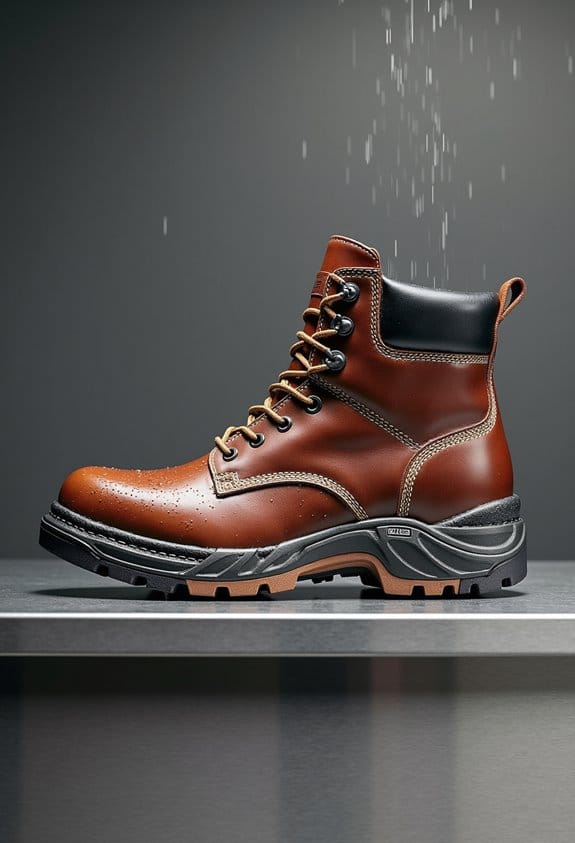
How Wet Conditions Affect Electrical Hazard Protection in Work Footwear

Wet conditions reduce the electrical insulation of EH-rated footwear by allowing moisture to conduct electricity, which increases shock risk. These boots use non-conductive materials like rubber or polyurethane to block currents up to 18,000 volts, but water compromises this protection. You should keep boots dry, clean, and inspect them regularly for damage such as cracks or holes. If exposure to moisture is unavoidable, consider dielectric boots for better safety. Detailed guidance on maintaining EH footwear and selecting appropriate models follows.
Key Takeaways
- Moisture reduces the dielectric strength of EH footwear, compromising insulation and increasing electrical shock risk.
- Wet conditions weaken non-conductive materials like rubber soles, diminishing their ability to block electrical currents.
- Saturated EH boots lose protective properties and should be avoided or replaced to maintain safety.
- Regular inspections for damage and moisture are essential to ensure continued electrical hazard protection.
- Using waterproof treatments and proper drying/storage prolongs EH boot effectiveness in damp environments.
Understanding Electrical Hazard (EH) Rated Footwear
Electrical Hazard (EH) rated footwear serves as an important secondary barrier against electric shocks in workplaces where live electrical sources below 600 volts are present. What makes this protective footwear effective? To begin with, EH boots are made entirely from non-conductive materials, which help prevent electric shock by isolating your body from electrical currents. In addition, these boots must meet ASTM F2413 standards, proving they can withstand up to 18,000 volts for one minute without allowing electricity to pass through. However, does moisture affect their performance? Yes, moisture can reduce the insulation properties and increase your risk of shock. Accordingly, EH rated footwear offers protection primarily when dry and should be part of a broader safety plan, including lockout/tagout procedures and insulated gloves when working near live electrical parts. It is crucial to regularly inspect your EH boots for wear and damage to maintain effective electrical hazard protection.
The Role of Insulation in EH Boots
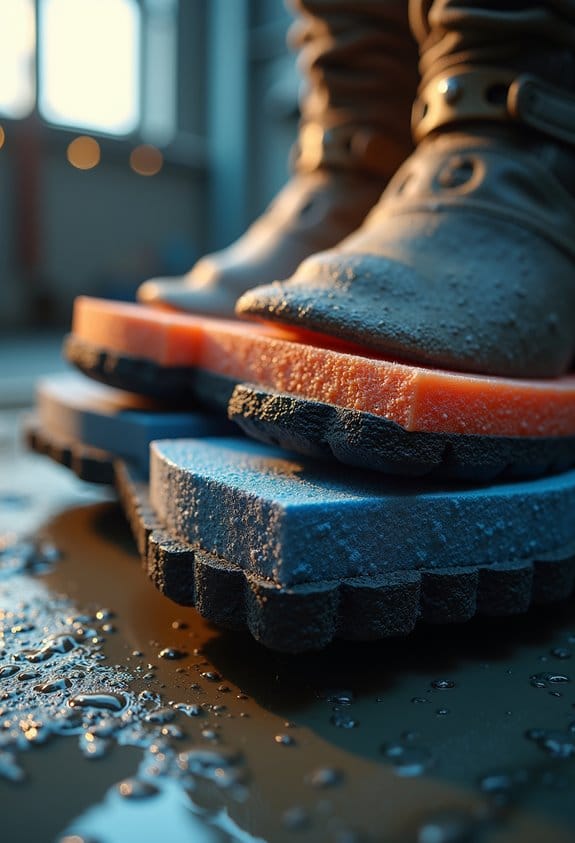
Although many safety features contribute to the effectiveness of EH boots, insulation plays a critical role in protecting workers from electrical shocks. What is the function of insulation in EH boots? It acts as a barrier that stops electrical current from passing through your body, helping prevent injury from electrical hazards. How is this insulation achieved? EH boots use non-conductive materials, like rubber or polyurethane, especially in the soles, which break the electrical circuit when standing on energized surfaces. Are there standards to guarantee this protection? Yes, EH boots must meet ASTM F2413, proving they can resist 18,000 volts for one minute without conducting current. Why is moisture a concern? Although insulation is key, moisture can reduce its effectiveness, highlighting the need for regular inspection and maintenance to keep you safe. Additionally, choosing boots with waterproof leather can help maintain insulation effectiveness in wet conditions.
How Wet Conditions Compromise Boot Insulation
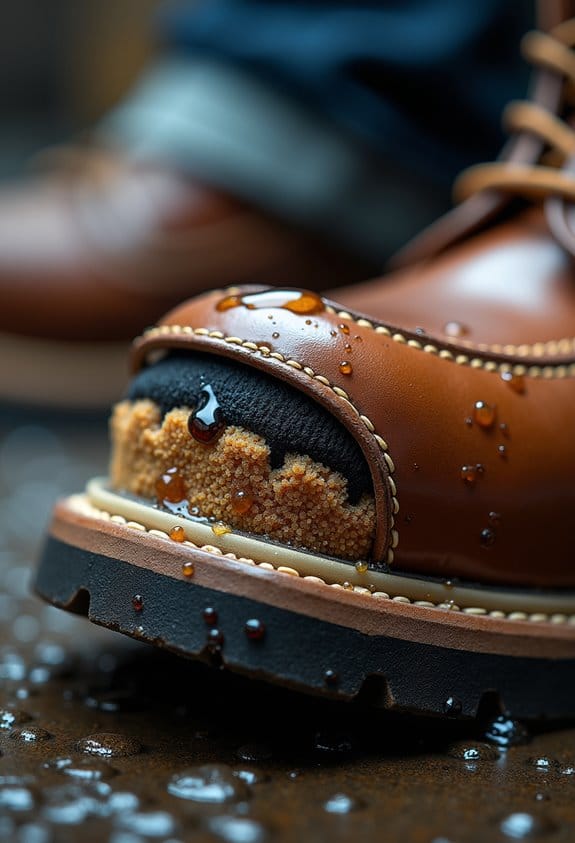
When moisture is present, the insulating qualities of EH rated boots are considerably weakened, increasing the risk of electrical shock. How do wet conditions affect boot insulation? They reduce the dielectric strength, which is essential for blocking electrical current. Why does this matter? Because water conducts electricity, wet boots no longer provide full protection against electrical hazards. What should you watch for? Pay close attention to wet conditions and regularly inspect your boots for holes, thin spots, or wear. How does damage impact safety? Damaged areas allow moisture to penetrate, further weakening insulation. What steps can improve safety? Avoid using EH rated boots in saturated environments and replace damaged footwear promptly. Understanding these limitations helps maintain effective insulation and protect you from electrical hazards in wet settings. It is also crucial to check that your boots meet ASTM F2413 certification to ensure compliance with electrical resistance standards.
Recommended Products

DURABLE full-grain leather boots tested six different ways for strength, made in America and triple-stitched for longevity

CARBON-FIBER TOE: Left and right asymmetrical, non-metallic carbon-fiber (composite) toes offer unobtrusive fit and are 15% lighter than steel; These boots meet or exceed ASTM F2412 and F2413 M I/75, C/75 EH standards
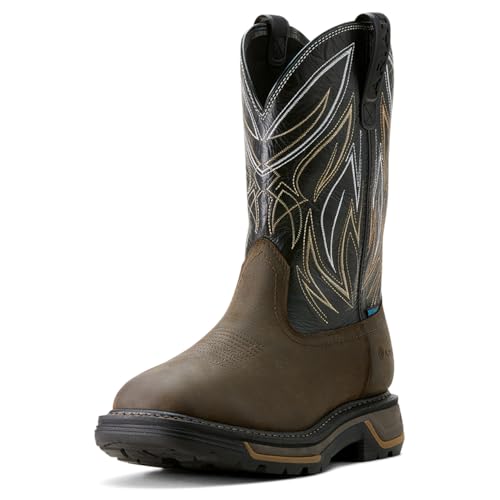
Soft, non-safety toe
Materials Used in Electrical Hazard Footwear
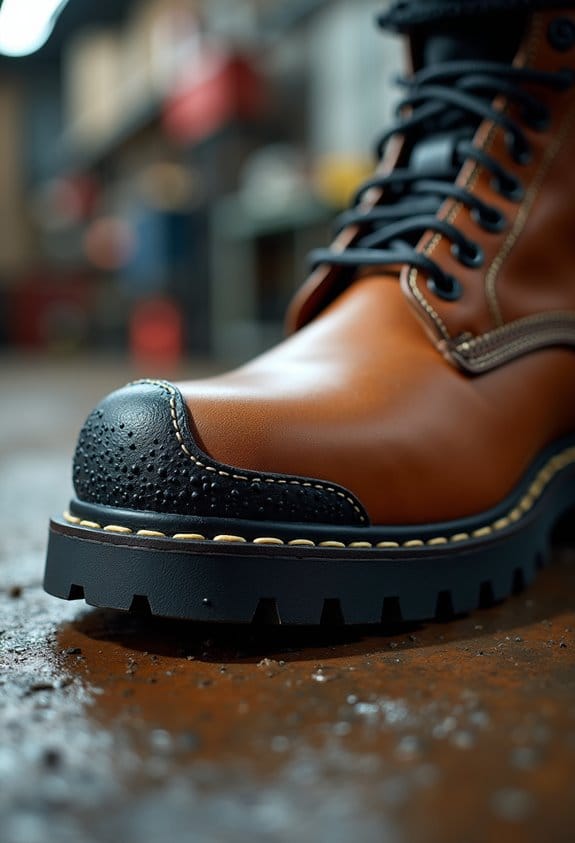
Footwear designed for electrical hazard protection relies on carefully selected materials that provide insulation and durability. What materials are used in EH rated footwear? They primarily use non-conductive materials such as rubber and polyurethane. These compounds have strong insulating properties that prevent electrical hazards by stopping electrical current flow through the body. How do these materials work? EH boots feature outsoles made from insulating compounds tested to withstand high voltages, often up to 18,000 volts. What challenges affect these materials? Moisture can reduce their insulating capacity, making them less effective in wet conditions. Why is material integrity important? Excessive wear or damage compromises insulation, increasing shock risk. To protect yourself, guarantee your EH rated footwear maintains full surface coverage of non-conductive materials, and avoid boots that are worn or soaked. Additionally, selecting boots with slip-resistant outsoles can enhance safety when working in wet and hazardous environments.
Recommended Products

Complete CAT 4 Protection: Stay protected while navigating electrical environments with our Arc Flash Kit, featuring a large 40 Cal FR bib overall, coat, class 2 rubber voltage gloves, face shield, safety glasses, gear bag, and tools

KIT INCLUDES: 12 cal/cm² Arc Rating, HRC 2, FR coat with bib overall, Class 0 Rubber Voltage Gloves, 10" Leather Glove Protectors, Glove Bag, Hard Hat with Arc Flash Faceshield & Chin Cup, Safety Glasses, Faceshield Bag, Gear Bag. Offering convenient protection in 1 bag!
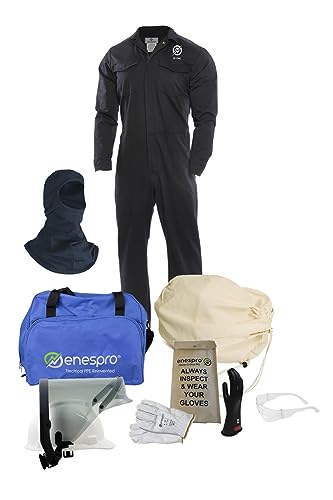
KIT INCLUDES: 12 Cal FR Coverall, FR Balaclava, Class 0 Rubber Voltage Gloves, 10" Leather Glove Protectors, Glove Bag, Hard Hat with Arc Flash Faceshield & Chin Cup, Safety Glasses, Faceshield Bag, Gear Bag. Offering convenient protection in 1 bag!
Testing Standards for EH Rated Boots

Because electrical hazard (EH) rated boots must protect workers from high-voltage dangers, they are tested according to strict standards. The ASTM F2413 standard requires boots with an EH rating to withstand 18,000 volts for one minute without current reaching the wearer. How is this achieved? The entire boot surface is made from non-conductive materials, preventing electrical hazards during use. Specifically, outsoles are crafted from insulating rubber or similar compounds that resist high voltage. What should you look for to confirm compliance? Boots tested under ASTM F2413 carry labeling indicating their EH rating and safety approval. How can safety be maintained over time? Regular inspections are essential, as wear and tear can reduce insulating properties, increasing risk if damaged boots are worn on the job. Additionally, selecting boots with durable waterproof materials can help preserve the integrity of the insulating components under harsh work conditions.
Differences Between Dielectric and EH Rated Boots
Although both dielectric and electrical hazard (EH) rated boots are designed to protect against electric shock, they differ considerably in purpose, testing, and suitable work environments. What are the main differences between dielectric boots and EH rated boots?
- Dielectric boots provide primary protection against high voltages and are tested to withstand much higher electrical hazards.
- EH rated boots offer secondary protection, tested for hazards up to 600 volts.
- Dielectric boots perform well in wet conditions, maintaining insulation properties.
- EH rated boots are generally safe only in dry, clean environments, as moisture conditions can compromise their protective equipment.
- Both types must comply with ASTM 2413 standards and proper labeling guarantees their electrical hazard protection is reliable.
- Additionally, electrical hazard protection in boots involves features such as non-conductive soles and proper insulation to prevent shock.
Recommended Products
Complete CAT 4 Protection: Stay protected while navigating electrical environments with our Arc Flash Kit, featuring a 3x-large 40 Cal FR bib overall, coat, class 2 rubber voltage gloves, face shield, safety glasses, gear bag, and tools

High-Performance Durability: Made with premium full-grain leather and TPU reinforcements on the toe and heel, offering superior foot protection and long-lasting durability.

NANO-COMPOSITE TOE: Built with a lightweight fiberglass nano-composite safety toe, these EH-rated safety shoes for men shield your toes against impact from heavy falling objects at work, without the drag of steel. Order 1/2 size up from normal.
Identifying Signs of Wear That Reduce Protection
Any number of visible signs can indicate that Electrical Hazard (EH) rated boots are no longer providing proper protection. How can you identify wear that reduces safety footwear effectiveness? Start with a thorough inspection:
- Check for holes, thin spots, or cracks in the boots’ material, as these compromise electrical insulation.
- Look for abnormal flexing or bending, which may indicate weakened protection.
- Inspect soles for damage, since even minor punctures or cuts in rubber or polyurethane can allow electrical current to pass.
- Verify the presence of proper labeling and certification marks to ascertain the boots remain compliant with safety standards.
Regular inspection helps detect wear early, alerting you when replacements are necessary to maintain the Electrical Hazard (EH) protection your work environment demands. Also, consider that footwear with a composite toe and Kevlar midsole can offer enhanced impact and puncture resistance while maintaining electrical hazard safety.
Best Practices for Keeping EH Boots Dry
How can workers guarantee their Electrical Hazard (EH) boots remain effective when exposed to wet conditions? Maintaining the waterproof integrity of EH boots is essential for continuous electrical hazard protection. Follow these best practices:
- Clean and dry EH boots after each use, removing insoles and air drying at room temperature to prevent damage.
- Store boots in cool, dry areas to avoid moisture buildup that degrades non-conductive materials.
- Apply waterproofing sprays designed for rubber or polyurethane footwear to enhance water resistance.
- Use proper lockout/tagout procedures before handling electrical equipment, ensuring boots are not compromised.
- Additionally, perform regular inspections for damage or wear to maintain electrical resistance and ensure optimal safety.
Recommended Products

Black Prime Waterproof, Flame, and Cut-Resisting Leather upper
Black Prime Waterproof, Flame, and Cut-Resisting Leather upper

NFPA 1951, NFPA 1971, NFPA 1977, NFPA 1990(1992), ASTM F2413 & CAN/CSA-Z195 certified
The Importance of Regular Footwear Inspection
Keeping Electrical Hazard (EH) boots dry supports their protective qualities, but it is equally important to regularly inspect them for damage and wear. Why are inspections necessary? Regular inspections help maintain the boots’ insulating capacity, which wet conditions can quickly diminish. What should you check during safety inspections?
- Look for holes, cracks, or worn areas that reduce electrical protection.
- Inspect for moisture buildup that lowers insulation effectiveness.
- Assess soles and stitching for excessive wear or damage.
How often should inspections occur? Employers are advised to conduct routine safety checks to follow OSHA standards and promote workplace protection. What if boots fail inspection? Replace them immediately to guarantee continued electrical hazard protection. Regular footwear inspections are essential for preserving safety when using electrical boots. Additionally, ensuring that boots have electrical hazard ratings verified by standards like ASTM F2413 is critical to maintaining their protective function.
Selecting the Right Footwear for Wet Environments
Since wet environments increase the risk of electrical hazards, selecting the right footwear is essential for maintaining safety. What should you look for in such footwear?
- Choose EH-rated boots, specifically designed to protect against electrical hazards in damp conditions.
- Guarantee they are made from non-conductive materials to avoid conducting electricity.
- Verify that the boots comply with the ASTM 2413 standard, confirming their protective capabilities.
- Consider dielectric boots tested for high voltages, recommended for working where step potential hazards exist.
- Regularly inspect boots for wear and tear since damage can reduce insulation, especially when wet.
- Additionally, prioritize footwear that provides both Electrical Hazard protection and slip resistance to ensure safety on wet surfaces.
Recommended Products

NFPA 1971, NFPA 1990(1992), ASTM F2413 & CAN/CSA-Z195 certified

10" tall leather uppers made from 2.8 mm full grain leather feature double and triple stitching throughout for added durability

Chainsaw Cut Protection: Get the highest level of safety for your feet with European Class 2 cut protection. Durable European bullhide leather and an extra layer of cut-resistant material provide both long-lasting wear and extra time to react in case of unexpected chainsaw contact.
Safety Protocols When Working in Wet Conditions
Although Electrical Hazard (EH) rated boots offer protection in dry environments, their insulating properties are considerably compromised when wet, making them unreliable in damp conditions. What safety protocols should be followed when working in wet conditions?
- Avoid using EH rated boots; they are not designed for moisture exposure.
- Choose dielectric boots with composite safety toes to guarantee electrical protection and impact resistance.
- Inspect footwear regularly for wear, damage, and moisture buildup, as these factors reduce effectiveness.
- Maintain boots by keeping them clean and dry when not in use, prolonging their protective properties.
- Stay aware of environmental conditions and adjust footwear choices accordingly to prevent electrical hazards.
Frequently Asked Questions
Are Wet Conditions an Electrical Hazard?
Wet conditions can coincide with increased electrical conductivity, making them an electrical hazard. When wet footwear’s materials degrade protective gear, safety standards may be compromised, highlighting the critical need for properly maintained and dry electrical hazard-rated boots on site.
How Do Wet Conditions and Faulty Tools Increase the Risk of Electrical Hazards?
Wet conditions combined with faulty wiring elevate moisture levels, compromising footwear design and increasing electrical hazards. Adherence to safety regulations and effective training programs are essential to minimize risks associated with defective tools and damp environments.
Why Does Electricity Pose an Increased Hazard in Wet Conditions?
Electricity poses increased hazard in wet conditions due to moisture levels lowering resistance, enabling electric shock through grounded surfaces. Inadequate safety training and compromised footwear materials elevate risks for workers exposed to electrical currents in such environments.
What Is the Maximum Acceptable Leakage Current for Electrical Shock Resistant EH Footwear Under Dry Conditions?
In the quiet fortress of safety, the maximum acceptable leakage current for electrical shock resistant EH footwear under dry conditions is 1.0 milliamperes. Footwear testing enforces strict current limits, upholding rigorous safety standards against electrical shock hazards.


