As an Amazon Associate, we earn from qualifying purchases. Some links on this site are affiliate links at no extra cost to you. Our recommendations are based on thorough research and editorial judgment.


How Often to Inspect Safety Boots Used in Electrical Environments

Safety boots used in electrical environments require a visual inspection before each use to identify cuts, cracks, or sole damage that may reduce protection. Additionally, you should conduct a thorough electrical hazard test every six months to guarantee they resist shocks up to 18,000 volts. Boots stored unused for more than 24 months deserve individual testing or replacement, as aging can compromise insulation. Proper maintenance and timely replacement keep you compliant with OSHA standards. The following information explains inspection details and safety considerations further.
Key Takeaways
- Inspect EH-rated safety boots visually before each use for cuts, cracks, and sole damage to ensure electrical hazard protection.
- Conduct detailed electrical hazard protection testing semi-annually to confirm boots resist shocks up to 18,000 volts.
- Perform electrical testing after boots have been stored unused for more than 24 months to check for aging effects.
- Replace boots immediately if they show signs of damage, worn-out treads, or compromised insulation that affect safety.
- Follow OSHA and manufacturer guidelines for daily inspections to maintain compliance and reduce electrical hazard risks.
Significance of EH-Rated Boots in Electrical Safety
Electrical safety is a critical concern when working near energized equipment, and EH-rated boots are a key protective item designed to reduce risk. What are EH-rated boots? They are designed to protect wearers from electrical hazards by resisting shocks up to 18,000 volts for one minute under controlled conditions. How do they work? These boots prevent electrical current leakage, allowing only a maximum of one milliamp during tests, which helps safeguard against injury. Why inspect EH-rated boots regularly? Over time, wear such as sole cracks or punctures can reduce protection, increasing exposure to electrical hazards. What should you do? Conduct routine checks to verify boots remain intact, as safety is guaranteed when they are new, and compliance with safety standards demands ongoing maintenance for reliability in energized environments. Additionally, regular inspections for cracks, worn soles, and other damage are critical to maintain the boots’ electrical hazard insulation.
Understanding Electrical Hazard Protection Levels

Several levels of electrical hazard protection exist, each designed to guard against different voltages and risks encountered on the job. What defines these levels for EH-rated boots? They are tested to withstand shocks up to 600 volts safely and can handle up to 18,000 volts for a brief one-minute test period. How should you verify these boots maintain their EH protection? Conduct regular inspections focusing on insulation effectiveness and check that leakage does not exceed one milliamp during testing. Why is the condition of soles important? Any penetrations or damage to soles can break the electrical barrier, compromising safety. To maintain protection, inspect EH boots often, perform visual checks, and address wear promptly to comply with safety standards in electrical environments. Additionally, paying attention to slip-resistant outsoles helps prevent falls in wet conditions, further ensuring overall safety.
Key Features of EH-Rated Safety Boots

After understanding the protection levels that safety boots offer against electrical hazards, it is important to recognize the key features that make EH-rated boots reliable for workers. What are the essential characteristics of EH-rated safety boots as protective gear?
- They are certified to resist electrical shocks up to 18,000 volts for one minute at 60 Hertz.
- They provide shock protection up to 600 volts, vital for many electrical hazard environments.
- They are designed for dry conditions, as moisture can reduce their effectiveness.
- Proper maintenance and regular inspections are necessary, as worn soles or penetrations compromise safety.
- The protective qualities are guaranteed only when the boots are new, emphasizing the need for timely replacement.
- Additionally, they feature non-conductive soles typically made of rubber or insulating materials to prevent electricity passage, differentiating them from regular safety shoes.
Recommended Products

FIRE-RESISTANT UPPER: these men's firefighter boots feature a durable leather upper treated for fire resistance
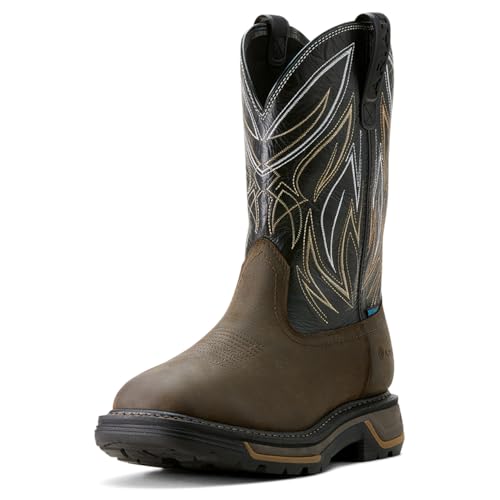
Soft, non-safety toe

STEEL TOE boots protect your feet on the job with a steel shank for support and stability
Recommended Inspection Frequency for Electrical Work Boots
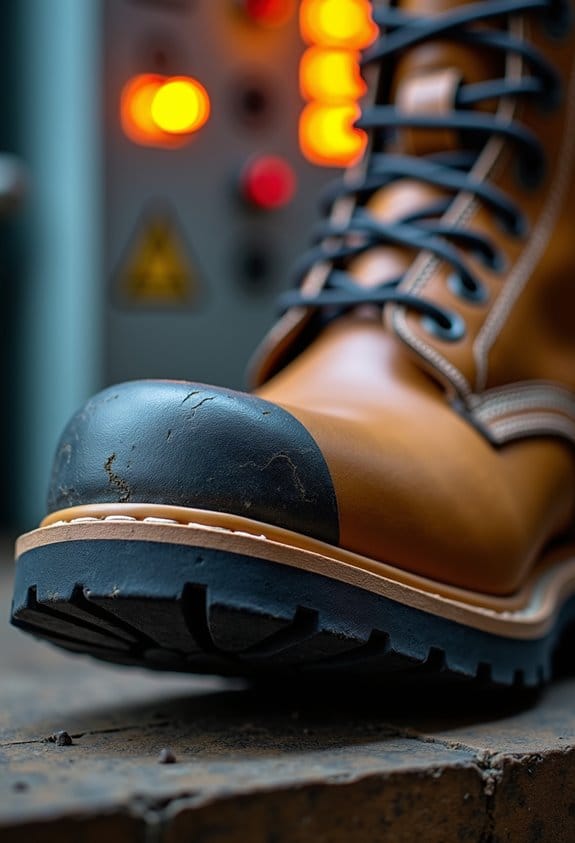
A thorough inspection routine is essential to confirm that safety boots maintain their protective qualities over time. What is the recommended inspection frequency for electrical work boots? You should perform a visual inspection before each use to identify visible damage or wear. Additionally, semi-annual inspections are advised to test the boots’ electrical hazard (EH) protection, following the GB 21148-2020 standard. Why is this important? Testing every six months ensures that insulation and electrical performance meet safety standards. What if the boots have been stored for a long time? If footwear is stored for over 24 months, individual electrical performance testing must be done to confirm compliance. When any signs of wear or non-compliance appear, the boots must be retired immediately to avoid risks. It is also crucial to ensure the boots meet ANSI standards to guarantee effective electrical protection during use.
Recommended Products

Complete CAT 4 Protection: Stay protected while navigating electrical environments with our Arc Flash Kit, featuring a large 40 Cal FR bib overall, coat, class 2 rubber voltage gloves, face shield, safety glasses, gear bag, and tools

KIT INCLUDES: 12 cal/cm² Arc Rating, HRC 2, FR coat with bib overall, Class 0 Rubber Voltage Gloves, 10" Leather Glove Protectors, Glove Bag, Hard Hat with Arc Flash Faceshield & Chin Cup, Safety Glasses, Faceshield Bag, Gear Bag. Offering convenient protection in 1 bag!

KIT INCLUDES: 12 Cal FR Coverall, FR Balaclava, Class 0 Rubber Voltage Gloves, 10" Leather Glove Protectors, Glove Bag, Hard Hat with Arc Flash Faceshield & Chin Cup, Safety Glasses, Faceshield Bag, Gear Bag. Offering convenient protection in 1 bag!
Visual Indicators of Wear and Compromise

Visual signs that safety boots are compromised often appear before complete failure, making careful observation key to maintaining electrical safety. How can you identify these signs during your inspection schedule?
- Look for wear and tear such as cuts, cracks, or holes in both the sole and upper portions of the boots.
- Examine tread patterns closely; worn-out treads reduce grip and may signal material degradation.
- Check the toe caps for any signs of damage or exposure, as this could affect safety compliance.
- Inspect the soles for penetrations, which can cause loss of electrical insulation and endanger the wearer.
- Note any visible degradation of materials that may weaken protection.
Regularly monitoring these visual indicators helps guarantee boots remain safe for electrical environments. It is also essential to confirm that the boots maintain their ASTM F2413-18 certification to ensure ongoing electrical hazard protection.
The Role of the Bend Test in Safety Boot Evaluation
Evaluating safety boots through the Bend Test reveals important information about their flexibility and support, which directly impacts worker comfort and protection. What does the Bend Test assess? It checks how and where the boot bends, guaranteeing proper flexing at the ball of the foot. Why is this important? Boots bending too much or too little can fail to provide adequate support, affecting safety during work. How often should you conduct the Bend Test? Regular testing can catch issues like excessive stiffness or looseness early. What should you look for? Proper bending and material quality that balance flexibility with support. This guarantees comfort, reduces fatigue, and maintains focus in electrical environments where safe footwear is critical. Additionally, safety boots that offer Electrical Hazard protection are essential for minimizing risks when working near live circuits.
Proper Care and Maintenance Practices for Insulated Footwear
Maintaining insulated footwear requires routine inspections and proper storage to guarantee continued electrical protection and durability. How should you keep your boots properly maintained?
- Inspect before use for cuts, cracks, and other signs of wear that could reduce protection.
- Store boots in cool, dry places, avoiding sunlight and chemicals that weaken materials.
- Clean and condition leather regularly to prevent damage and extend lifespan.
- Conduct semi-annual electrical testing and keep detailed inspection records.
- If boots have been stored unused for more than 24 months, perform electrical performance tests to confirm safety.
- Regularly check that boots meet ASTM F2413-18 certification to ensure compliance with electrical hazard safety standards.
Recommended Products

205 Max Amps (up to 50 feet), Rated up to 600 volts, -58°F to +221°F (-50°C to +105°C)

10 inch tall 2.8mm thick full grain leather uppers
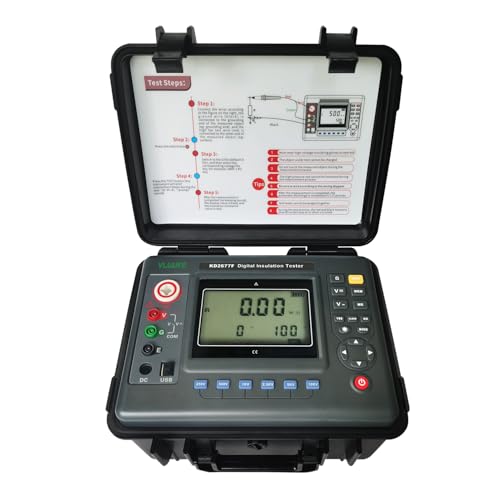
A large LCD screen gray backlight display, data storage, data access, alarm, automatic shutdown and other functions.
Common Electrical Safety Violations Related to Footwear
Several common violations related to electrical safety footwear can greatly increase the risk of injury in energized environments. What are the typical safety footwear violations in electrical hazard (EH) settings?
- Using non-EH-rated boots that do not protect against electrical shock.
- Wearing boots with worn-out soles or visible damage, such as cracks or punctures.
- Failing to inspect boots regularly, which allows unnoticed wear and potential electrical exposures.
- Delaying the replacement of compromised boots, increasing vulnerability to electrical hazards.
- Employers neglecting enforcement of boot inspection protocols, risking safety compliance.
How should you avoid these violations? Inspect your safety footwear frequently for any signs of damage or wear, replace boots promptly when needed, and guarantee all footwear is EH-rated to maintain proper protection in electrical environments. Additionally, selecting boots with proper Electrical Hazard protection helps guard against open circuits and energized parts.
Compliance With OSHA Standards for Foot Protection
A key aspect of workplace safety involves compliance with OSHA standards for foot protection, especially in environments with electrical hazards. What are the main requirements for safety gear in these settings? Employers must provide personal protective equipment (PPE), including safety boots, that meet OSHA’s established safety criteria. How do you verify the boots are compliant? Safety boots should be clearly marked and certified with electrical hazard (EH) ratings. How often should inspections occur? OSHA recommends daily visual checks by workers and regular inspections following manufacturer guidelines. What are the consequences of non-compliance? Failure to follow OSHA standards can expose workers to risks and may result in fines or legal action. Adhering to these requirements helps maintain a safe work environment while protecting employees effectively. Additionally, ensuring that safety boots meet specific ASTM safety standards is critical for reliable protection against electrical hazards and static electricity buildup.
Integrating Safety Boots With Other Personal Protective Equipment
When working in environments with electrical hazards, how can you guarantee maximum protection? Integrating safety boots with other personal protective equipment (PPE) is essential for overall safety. Consider these key points:
- Combine safety boots with insulated gloves and protective clothing to create a full barrier against electrical shocks.
- Confirm safety boots fit properly to prevent slips and maintain stability, reinforcing the effectiveness of your PPE setup.
- Regularly inspect all PPE items, including boots, and keep thorough documentation to meet OSHA safety standards.
- Provide ongoing training on how each PPE component works together to reduce electrical injury risks.
- Ensure your boots have ASTM F2413-18 EH rating to confirm electrical hazard protection necessary for electrical environments.
When and How to Replace Electrical Safety Boots
Although electrical safety boots are designed to provide reliable protection, they require timely replacement to maintain their effectiveness. When should you replace them? Replace boots immediately if you notice wear such as cuts, cracks, or damaged insulation, as these can expose you to electrical hazards. Regular inspection every six months helps detect these issues early.
How should you replace them? Consider these steps:
- Check the EH-rating, valid up to 600 volts, to guarantee protection isn’t compromised.
- Replace boots if they have been stored unused for over 24 months, as aging reduces performance.
- Confirm certification markings are readable; worn or missing tags require replacement to stay compliant with CSA Z195 standards.
Maintaining your boots by monitoring wear and replacing them on time maximizes safety.
Recommended Products

Built for Your Bronco 4-Door: Engineered specifically for 2021–2024 Ford Bronco 4-Door models, these 6" wide power steps deliver premium convenience without compromising your off-road style.
DEPENDABLE & DURABLE PUMP: Made with durable cast iron construction to withstand rough operating environments, every 4200 series pump includes a limit lifetime warranty.

DEPENDABLE & DURABLE PUMP: Made with durable cast iron construction to withstand rough operating environments, every 1200 series pump includes a limit lifetime warranty.
Benefits of Professional Testing and Certification Services
Numerous benefits come from using professional testing and certification services for your safety boots, especially in environments with electrical hazards. What advantages do these services provide? First, professional testing guarantees your boots meet electrical hazard (EH) standards, protecting you from shocks. Certified testing confirms EH-rated boots resist up to 18,000 volts at 60 Hertz for one minute. Why is regular testing important? Over time, wear can reduce EH protection; professional checks maintain reliability. How precise are these tests? They measure leakage, keeping it below one milliamp, vital to prevent electrical current passing through your boots. Additionally, engaging certified services helps your workplace comply with OSHA guidelines, reducing liability risks and boosting overall safety when working in energized environments.
Recommended Products

NFPA 1951, NFPA 1971, NFPA 1977, NFPA 1990(1992), ASTM F2413 & CAN/CSA-Z195 certified

NFPA 1971, NFPA 1990(1992), ASTM F2413 & CAN/CSA-Z195 certified

Chainsaw Cut Protection: Get the highest level of safety for your feet with European Class 2 cut protection. Durable European bullhide leather and an extra layer of cut-resistant material provide both long-lasting wear and extra time to react in case of unexpected chainsaw contact.
Frequently Asked Questions
How Often Should an Electrical PPE Be Inspected?
The inspection frequency for electrical PPE involves daily visual checks and thorough inspections every six months. This PPE maintenance guarantees compliance with safety standards, promptly identifying wear or damage to maintain effective electrical protection.
What Are the Electrical Safety Boots Standards?
Electrical safety boots must comply with standards like GB 21148-2020, ensuring protection against electrical hazards through rigorous safety testing. They are EH-rated, withstand up to 18,000 volts, and limit leakage to one milliamp during certification.
What Is ISO 20345 Standard for Safety Footwear?
Like a fortress for the feet, the ISO 20345 standard guarantees ISO compliance by mandating essential safety features such as impact resistance, slip resistance, and protection against punctures and electric shocks, safeguarding workers in hazardous environments.
How Often Should Safety Footwear Be Inspected?
Safety footwear should undergo weekly visual inspections according to inspection guidelines, with durability testing conducted professionally every six months. Extended storage beyond 24 months necessitates individual electrical performance testing to guarantee continued protection.


